
Navigating the process of registering a trailer in Maine might seem like a bureaucratic hurdle, but with a clear understanding of the requirements and steps involved, it can be a straightforward affair. Whether you’ve purchased a new utility trailer for your weekend projects, a recreational vehicle for exploring the scenic beauty of the Pine Tree State, or a specialized trailer for your business, ensuring it’s legally compliant is the first crucial step. This guide will walk you through the essential information needed to successfully register your trailer with the Maine Bureau of Motor Vehicles. Understanding these procedures ensures you can hit the road legally and without any unforeseen complications, allowing you to fully enjoy your adventures or operations across Maine and beyond.
Understanding Trailer Registration Requirements in Maine
In Maine, most trailers require registration, with a few exceptions. The primary determining factor for registration is the trailer’s Gross Vehicle Weight Rating (GVWR). This rating represents the maximum permissible operating weight of the trailer, including the trailer’s weight itself, plus its payload. It’s a critical safety specification found on a certification label affixed to the trailer. Understanding your trailer’s GVWR is fundamental to determining whether registration is mandatory and what specific type of registration you might need.
GVWR Thresholds for Registration
- Trailers with a GVWR of 500 pounds or less: These trailers are generally exempt from registration in Maine. This typically includes very small utility trailers, boat trailers designed for lightweight craft, or specialized dollies. However, it’s always prudent to double-check current regulations, as exemptions can change.
- Trailers with a GVWR over 500 pounds: Any trailer exceeding this weight threshold must be registered. This category encompasses the vast majority of trailers, including larger utility trailers, camping trailers, travel trailers, horse trailers, and car haulers.
Types of Trailer Registrations
Depending on the trailer’s intended use and weight, you may encounter different registration options. For most personal use trailers, a standard trailer registration is sufficient. However, for commercial operations or trailers that will be used for longer-term living, specific classes of registration might apply. It’s important to clarify with the Bureau of Motor Vehicles if you have unique circumstances.
Identifying Your Trailer’s GVWR
The GVWR is typically found on a manufacturer’s certification label, often located on the trailer’s frame, tongue, or a dedicated plate. If you cannot find this information, consult the trailer’s owner’s manual or contact the manufacturer directly. This number is crucial for determining your registration obligations.
The Registration Process: Step-by-Step
Registering a trailer in Maine typically involves visiting a local Bureau of Motor Vehicles branch or utilizing their online services where available. The exact process can vary slightly, but the core documentation and steps remain consistent.
Required Documentation
Gathering the correct paperwork before your visit will significantly expedite the process. The essential documents usually include:
- Proof of Ownership: This is the most critical document.
- For New Trailers: A Manufacturer’s Certificate of Origin (MCO) or Manufacturer’s Statement of Origin (MSO) is required. This document is provided by the dealer or manufacturer and serves as proof of the trailer’s origin and the initial sale.
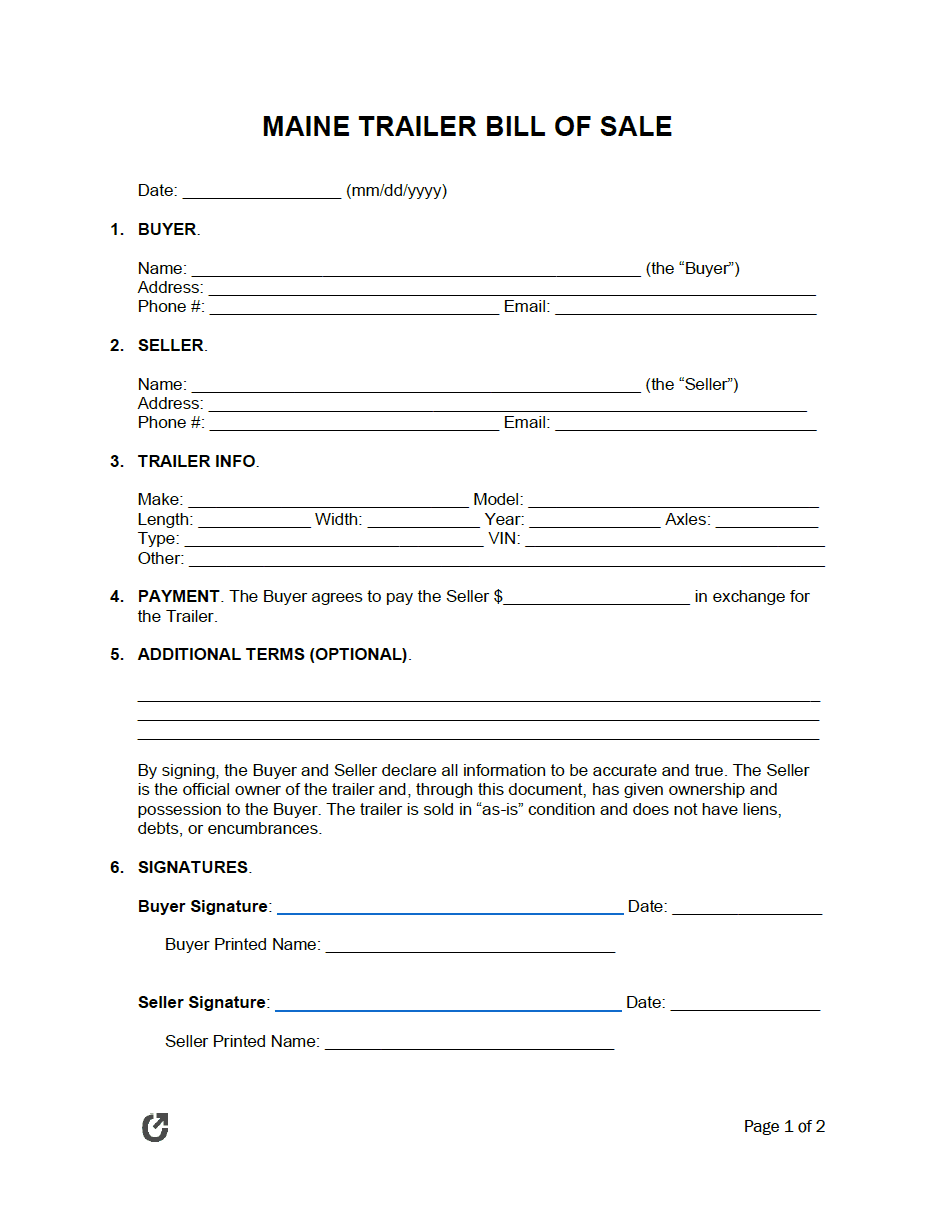
- For Used Trailers: A properly assigned title is necessary. The previous owner must sign over the title to you, and you will present this to the BMV. If the trailer was never titled in Maine and is from a state that doesn’t title trailers of a certain age or weight, you may need a bill of sale along with other supporting documentation.
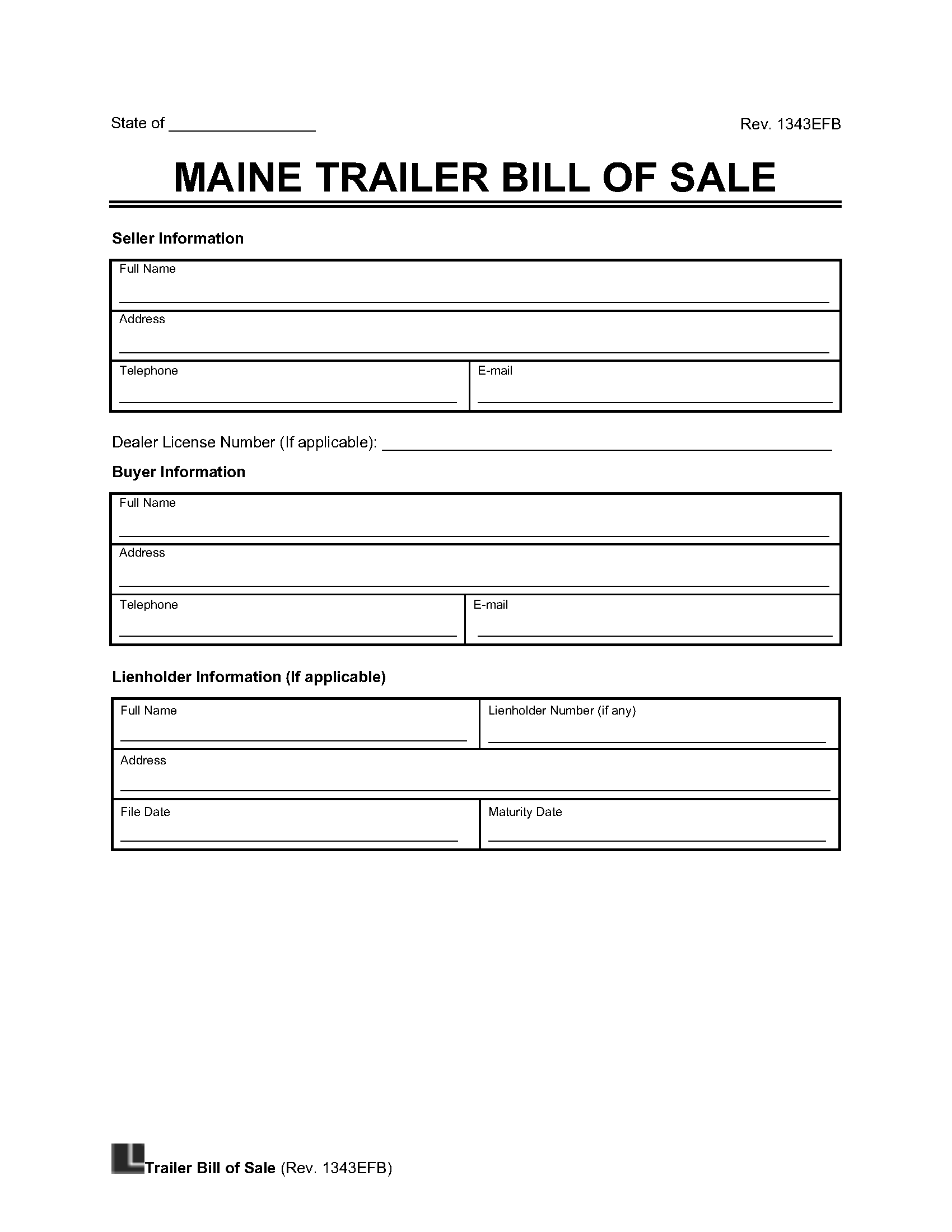
- Bill of Sale: Even if you have a title, a bill of sale is often required. This document details the seller, the buyer, the trailer’s identification (like the Vehicle Identification Number or VIN), and the purchase price. It helps establish the transaction details and aids in tax calculation.
- Proof of Identity: You will need to present a valid, government-issued photo identification, such as a Maine driver’s license or state ID card.
- Proof of Maine Residency: While your driver’s license often serves this purpose, additional proof of residency might be requested in certain situations.
- Weight Certificate (if applicable): In some cases, especially if the GVWR is not clearly indicated on the MCO/MSO or title, you might be required to obtain a weight certificate from a certified public scale to verify the trailer’s weight.
Fees and Taxes
Be prepared to pay the applicable registration fees and any sales tax due.
- Registration Fees: The cost of registration varies based on the trailer’s GVWR and the duration of the registration period (e.g., one or two years). Fees are typically set by the Maine Bureau of Motor Vehicles.
- Sales Tax: If you purchased the trailer recently and have not paid sales tax in another state or been exempted, you will likely need to pay Maine sales tax on the purchase price at the time of registration. Check the current sales tax rate with the BMV.
Obtaining a Trailer Identification Number (TIN)
If your trailer does not have a Vehicle Identification Number (VIN), you will need to obtain a Trailer Identification Number (TIN) from the Maine Bureau of Motor Vehicles. This is a unique identifier assigned by the state. You may need to have the trailer inspected to receive a TIN.
Completing the Application
You will be required to fill out a trailer registration application form. This form will ask for detailed information about you, the trailer, and the transaction. Ensure all information is accurate and legibly provided to avoid delays.
Special Considerations and Tips
While the core registration process is generally consistent, there are a few special considerations and tips that can make the experience smoother.
Titling vs. Registration
It’s important to distinguish between titling and registering a trailer. A title is a document that proves ownership. While most trailers with a GVWR over 500 pounds require registration, trailers with a GVWR under 3,000 pounds may not require a title in Maine, provided they were manufactured before a certain date or have specific exemptions. However, they still require registration. For trailers with a GVWR of 3,000 pounds or more, a title is generally mandatory. Always confirm the latest titling requirements with the BMV.
Inspections
In most cases, a trailer does not require an annual safety inspection in Maine for registration purposes, unlike passenger vehicles. However, if you are applying for a new TIN or if there are questions about the trailer’s roadworthiness or VIN, an inspection might be mandated. Always adhere to any specific inspection requirements outlined by the Bureau of Motor Vehicles.
Out-of-State Trailers
If you are bringing a trailer from another state into Maine, you will need to follow the registration process as outlined above. You will need the trailer’s title from the previous state, proof of ownership, and potentially a bill of sale. The Maine Bureau of Motor Vehicles will guide you through the process of transferring registration and titling if necessary.
Commercial Trailers
Trailers used for commercial purposes may have different registration requirements or additional documentation needed. It’s advisable for commercial operators to contact the BMV directly to ensure compliance with all applicable regulations.
Renewing Your Registration
Trailer registrations in Maine are typically valid for one or two years. You will receive a renewal notice before your current registration expires. Renewals can often be completed online, by mail, or in person at a BMV branch. Keeping your registration current is essential to avoid penalties and fines.
Frequently Asked Questions About Trailer Registration
Navigating official processes can sometimes lead to questions. Here are some frequently asked questions to help clarify common concerns regarding trailer registration in Maine.
Q1: Do I need to register a small utility trailer with a GVWR of 400 pounds?
Generally, trailers with a Gross Vehicle Weight Rating (GVWR) of 500 pounds or less are exempt from registration in Maine. Therefore, a trailer with a GVWR of 400 pounds would likely not require registration. However, it’s always best to confirm with the Maine Bureau of Motor Vehicles for the most up-to-date regulations.
Q2: What is the difference between a title and registration for a trailer?
A title is a legal document that proves ownership of the trailer. Registration, on the other hand, is the process of obtaining license plates and legal authorization to operate the trailer on public roads. In Maine, not all trailers require a title, but most over 500 lbs GVWR require registration.
Q3: How do I transfer a trailer title if I bought a used trailer?
To transfer a used trailer title in Maine, you will need the properly assigned title from the previous owner, a bill of sale, proof of identity, and payment for fees and taxes. You will present these documents at a BMV branch to complete the transfer and register the trailer in your name.
Q4: Can I register a trailer online in Maine?
The Maine Bureau of Motor Vehicles offers online services for certain transactions, including some renewals. However, initial registrations, especially for new purchases or transfers, often require an in-person visit or submission of physical documents. It’s recommended to check the official BMV website for the most current information on available online services for trailer registration.
Q5: What happens if I don’t register my trailer?
Operating an unregistered trailer on public roads in Maine is a violation of state law and can result in fines, penalties, and the impoundment of the trailer. Ensuring your trailer is properly registered allows you to travel legally and avoid potential legal issues.
By understanding these requirements and following the outlined steps, you can efficiently register your trailer in Maine, ensuring a smooth and legal experience as you transport your belongings or embark on your next adventure across the beautiful landscapes of the state.
LifeOutOfTheBox is a participant in the Amazon Services LLC Associates Program, an affiliate advertising program designed to provide a means for sites to earn advertising fees by advertising and linking to Amazon.com. Amazon, the Amazon logo, AmazonSupply, and the AmazonSupply logo are trademarks of Amazon.com, Inc. or its affiliates. As an Amazon Associate we earn affiliate commissions from qualifying purchases.