
Navigating the administrative landscape of a new state, whether you’re relocating for a fresh start, an extended work assignment, or a long-term vacation rental, can be a complex endeavor. Among the essential tasks for anyone planning to reside in the Sunshine State is registering their vehicle. This process, while seemingly straightforward, involves a series of steps and documentation unique to Florida. Understanding these requirements upfront can save you significant time, stress, and potential penalties, allowing you to seamlessly integrate into the vibrant Florida lifestyle. This guide is designed to illuminate the path, providing a professional, insightful, and engaging walkthrough of how to properly register your vehicle in Florida.
Understanding Florida’s Vehicle Registration Requirements
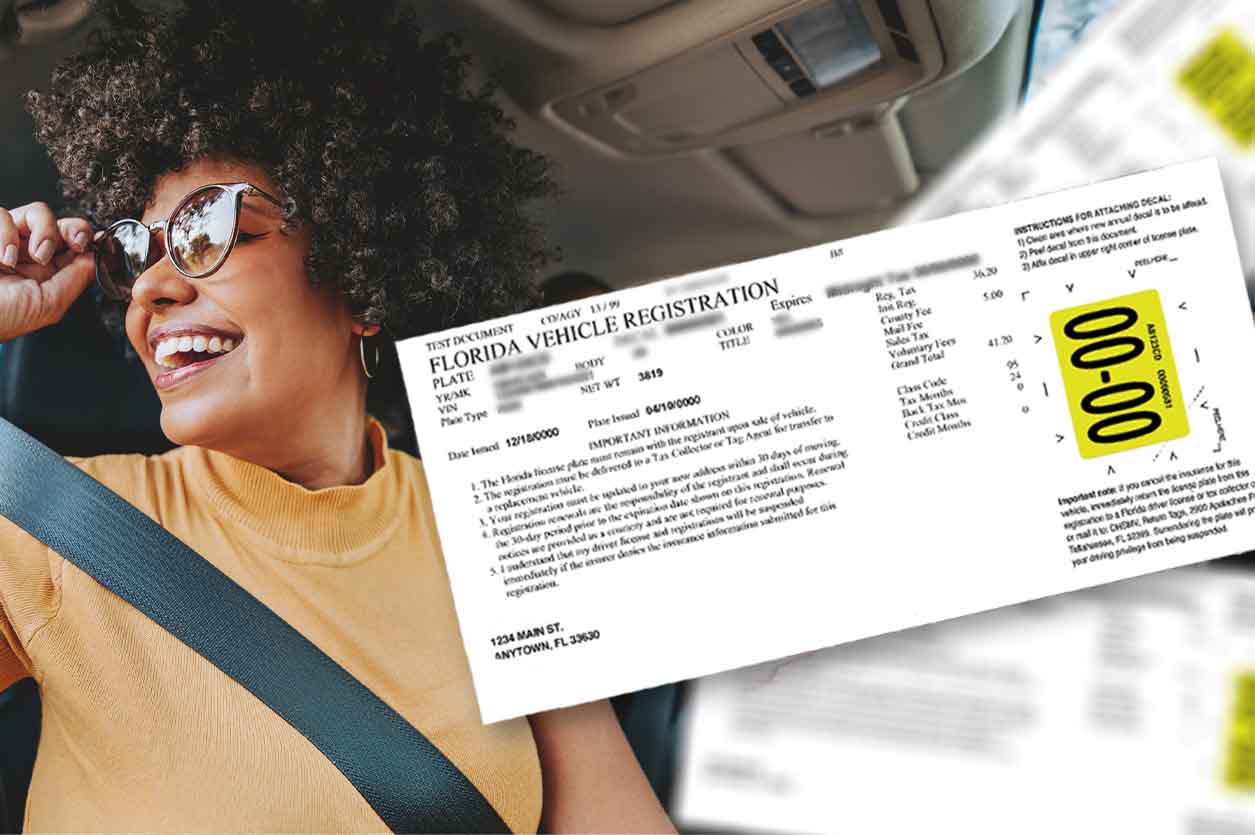
The decision to register your vehicle in Florida is typically triggered by one of two primary scenarios: becoming a new resident or purchasing a vehicle within the state. Florida law generally mandates that new residents register their out-of-state vehicles within 10 days of establishing residency or obtaining employment. This regulation is crucial for ensuring all vehicles operating on Florida roads meet safety standards, are properly insured, and contribute to the state’s infrastructure through registration fees and taxes.
Who Needs to Register?
If you’ve recently moved to Florida with a vehicle previously registered in another state, you are considered a new resident, and vehicle registration is mandatory. This also applies if you purchase a new or used vehicle from a dealership or private seller within Florida. Even if you plan only a temporary long-term stay, if you establish residency (e.g., getting a Florida driver’s license, enrolling children in school, gaining employment), the clock starts ticking for vehicle registration. Military personnel often have specific exemptions or extended timelines, so it’s advisable for service members to consult the official Florida Department of Highway Safety and Motor Vehicles (DHSMV) guidelines or their installation’s legal assistance office.
Key Documents You’ll Need
Gathering the necessary documentation before you visit a Florida Tax Collector’s Office is paramount to a smooth registration process. While specific requirements can vary slightly depending on your situation (e.g., new vs. used vehicle, leased vehicle), the core documents typically include:
- Proof of Ownership: This is usually your vehicle’s out-of-state title certificate, or a Manufacturer’s Certificate of Origin (MCO) if it’s a brand-new vehicle. If your title is held by a lienholder, you’ll need the lienholder’s name and address, and potentially a power of attorney or lease agreement.
- Proof of Florida Insurance: Florida mandates minimum Personal Injury Protection (PIP) and Property Damage Liability (PDL) coverage. You must have valid Florida insurance requirements from a company licensed to do business in the state.
- Verification of Vehicle Identification Number (VIN): For vehicles previously titled out-of-state, a physical inspection of the VIN is required. This can be done by a DHSMV employee, a law enforcement officer, or a licensed dealer. A completed VIN Verification Form (HSMV Form 82042) will be necessary.
- Identification: A valid Florida driver’s license or ID card is generally required. If you’re a new resident and haven’t yet obtained your Florida driver’s license, you may be able to use your out-of-state license for the initial vehicle registration, but you’ll be expected to get a Florida driver’s license promptly.
- Odometer Disclosure: For vehicles less than 10 years old, an odometer reading is required.
It’s always recommended to visit the official DHSMV website or contact your local Tax Collector’s Office for the most up-to-date and specific requirements based on your unique circumstances.
The Step-by-Step Registration Process
Once you have meticulously gathered all your documents, the process of registering your vehicle in Florida can proceed with relative ease. The journey generally involves visiting a local Tax Collector’s Office, which acts as an agent for the DHSMV.
Proof of Ownership (Title Transfer)
The cornerstone of vehicle registration is establishing clear ownership. If you have an out-of-state title, you will endorse it (sign it over) to the State of Florida during the registration process. If your vehicle has a lien (you’re still paying off a loan), you will need to provide the lienholder’s information. The Tax Collector’s Office will then apply for a new Florida Motor Vehicle Title Certificate in your name. For new vehicles purchased from a dealership, the dealer typically handles the initial title application on your behalf.
Proof of Florida Insurance
Before you can register your vehicle, you must demonstrate proof of active Florida insurance coverage. This typically means an insurance card or policy declaration page showing the required PIP ($10,000) and PDL ($10,000) coverage issued by a Florida-licensed insurer. The effective date of your policy must be current. Without this, your application for registration will not be accepted.
Verification of Vehicle Identification Number (VIN)
For vehicles previously titled in another state or country, a VIN verification is a mandatory step. This inspection ensures the vehicle’s identity matches its documentation and helps prevent fraud. You can usually get this done at the Tax Collector’s Office itself (some locations offer this service on-site), by a local law enforcement agency, or by a licensed Florida dealer. The inspector will complete and sign HSMV Form 82042, confirming the VIN and odometer reading. An important note for Florida is that unlike many other states, it does not require vehicle emissions testing as part of the registration process. This simplifies a step that can often be a hurdle elsewhere.
Florida Driver’s License or ID
As part of the identification process, you will need to present a valid form of ID. While a Florida driver’s license is preferred, if you’ve recently moved, an out-of-state driver’s license along with proof of Florida residency (e.g., utility bill, lease agreement) may be accepted for the initial vehicle registration. However, you should still prioritize obtaining your Florida driver’s license within 30 days of becoming a resident.
Where to Register: Florida DMVs and Tax Collector Offices
In Florida, vehicle registration and titling services are primarily handled by the county Tax Collector’s Offices, acting on behalf of the DHSMV. While the term “DMV” (Department of Motor Vehicles) is commonly used in other states, in Florida you will be seeking out your local County Tax Collector’s Office.
What to Expect at the Office
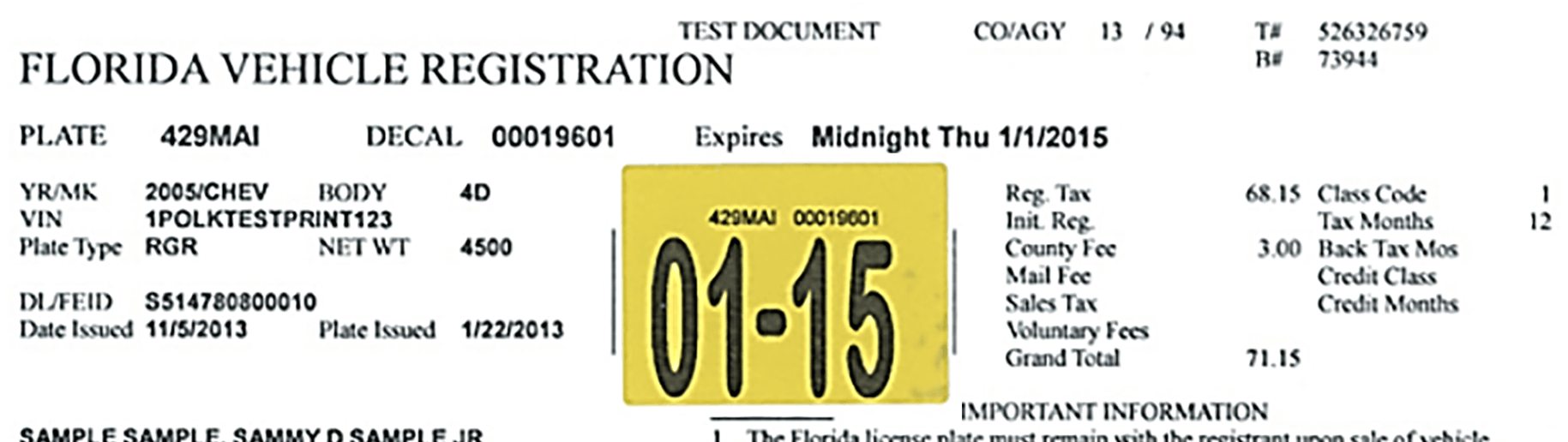
When you visit a Tax Collector’s Office, anticipate potential wait times, especially during peak hours. It’s always a good idea to check the office’s website for current hours, required documents, and if they offer online appointments or virtual queuing systems. Most offices are well-equipped to handle new registrations, title transfers, and license plate issuance. Be prepared to present all your collected documents to the clerk. They will review everything, process your application, collect the necessary fees, and issue you a temporary registration and your new Florida license plate and registration decal on the spot. Your official Florida Motor Vehicle Title Certificate will typically be mailed to you within a few weeks.
Online and Mail-in Options
While initial vehicle registration for new residents or new purchases usually requires an in-person visit due to VIN verification and title transfer complexities, renewals can often be completed online, by mail, or at various express service locations. This offers significant convenience for subsequent annual renewals, saving you a trip to the Tax Collector’s Office. The DHSMV website provides comprehensive details on these options.
Fees, Taxes, and What They Cover
Registering a vehicle in Florida involves various fees and potentially sales tax, which collectively contribute to the state’s transportation infrastructure and administrative costs. Being aware of these financial obligations beforehand will help you budget accordingly.
Initial Registration Fees
The first-time registration of a vehicle in Florida for a new resident includes a significant “initial registration fee” or “new resident fee” of $225. This fee is in addition to standard registration fees and any applicable sales tax. The standard registration fees vary based on the vehicle’s weight and type (e.g., passenger car, truck). You’ll also pay for your license plate, which is currently a flat fee for standard plates, plus a small processing fee.
Annual Renewal Costs
After the initial registration, your vehicle registration will need to be renewed annually. The renewal fees are typically lower than the initial registration costs, as the $225 new resident fee is a one-time charge. Annual fees depend on the vehicle’s weight and type. These fees cover the cost of your annual registration decal, which you place on your license plate.
Sales Tax Considerations
If you purchased your vehicle in Florida from a dealership, the 6% Florida sales tax (plus any applicable local option taxes, usually 0.5% to 1.5%) would have been collected at the point of sale. If you purchased the vehicle out-of-state but are registering it in Florida, you may be required to pay Florida sales tax on the vehicle’s value, or a portion thereof, depending on the sales tax already paid in the previous state. Florida offers a credit for sales tax paid in another state, but if the Florida rate is higher, you’ll owe the difference. It’s important to clarify these specifics with the Tax Collector’s Office when registering, as sales tax laws can be complex.
Special Considerations and Common Pitfalls
While the general process is outlined above, certain situations can introduce additional steps or potential complications.
Out-of-State Titles with Liens
If your vehicle has an active loan and the title is held by an out-of-state lienholder, the Tax Collector’s Office will facilitate contact with the lienholder to request the original title. This can add a few weeks to the process, as the lienholder must mail the title to the Florida authorities. You will generally be issued a temporary registration while this process unfolds.
Leased Vehicles
Registering a leased vehicle in Florida requires additional documentation, as you are not the legal owner. You will need a copy of the lease agreement, a power of attorney from the leasing company (authorizing you to register the vehicle), and proof of Florida insurance. The leasing company’s information will also be recorded on the Florida Motor Vehicle Title Certificate.
Military Personnel
Members of the U.S. armed forces stationed in Florida often have specific regulations regarding vehicle registration. Depending on their home state of record and whether Florida is considered their permanent residence, they may be exempt from certain fees or have extended deadlines. It’s crucial for military personnel to consult their base’s legal office or the DHSMV directly for precise guidance tailored to their situation.

Avoiding Delays and Penalties
The best way to avoid delays and potential penalties is thorough preparation. Gather all documents in advance, make copies, and double-check requirements on the official DHSMV website or by calling your local Tax Collector’s Office. Failing to register your vehicle within the stipulated 10-day period for new residents can result in fines and other administrative penalties. Furthermore, driving without valid Florida insurance and registration is illegal and can lead to severe consequences, including significant fines, license suspension, and vehicle impoundment.
Registering your vehicle in Florida is a fundamental step toward embracing your new life or extended stay in the state. By diligently following these guidelines and preparing appropriately, you can navigate the process efficiently and confidently, ensuring you’re legally ready to explore all the beautiful destinations and vibrant experiences the Sunshine State has to offer.
LifeOutOfTheBox is a participant in the Amazon Services LLC Associates Program, an affiliate advertising program designed to provide a means for sites to earn advertising fees by advertising and linking to Amazon.com. Amazon, the Amazon logo, AmazonSupply, and the AmazonSupply logo are trademarks of Amazon.com, Inc. or its affiliates. As an Amazon Associate we earn affiliate commissions from qualifying purchases.