
Navigating the practicalities of daily life, especially when you’re deeply immersed in the vibrant culture and sprawling landscapes of a place like Texas, is crucial for a smooth experience. For residents, long-term visitors, or even those considering a move to the Lone Star State, understanding how to keep your vehicle legally registered is a fundamental aspect of life on the road. Whether you’re planning an epic road trip through Big Bend National Park, commuting through the bustling streets of Houston, or simply enjoying the scenic routes around Austin, an up-to-date vehicle registration ensures peace of mind and compliance with state law. This guide will walk you through everything you need to know about renewing your vehicle registration in Texas, ensuring you’re ready for any adventure the state throws your way.
Understanding the Texas Vehicle Registration Renewal Process
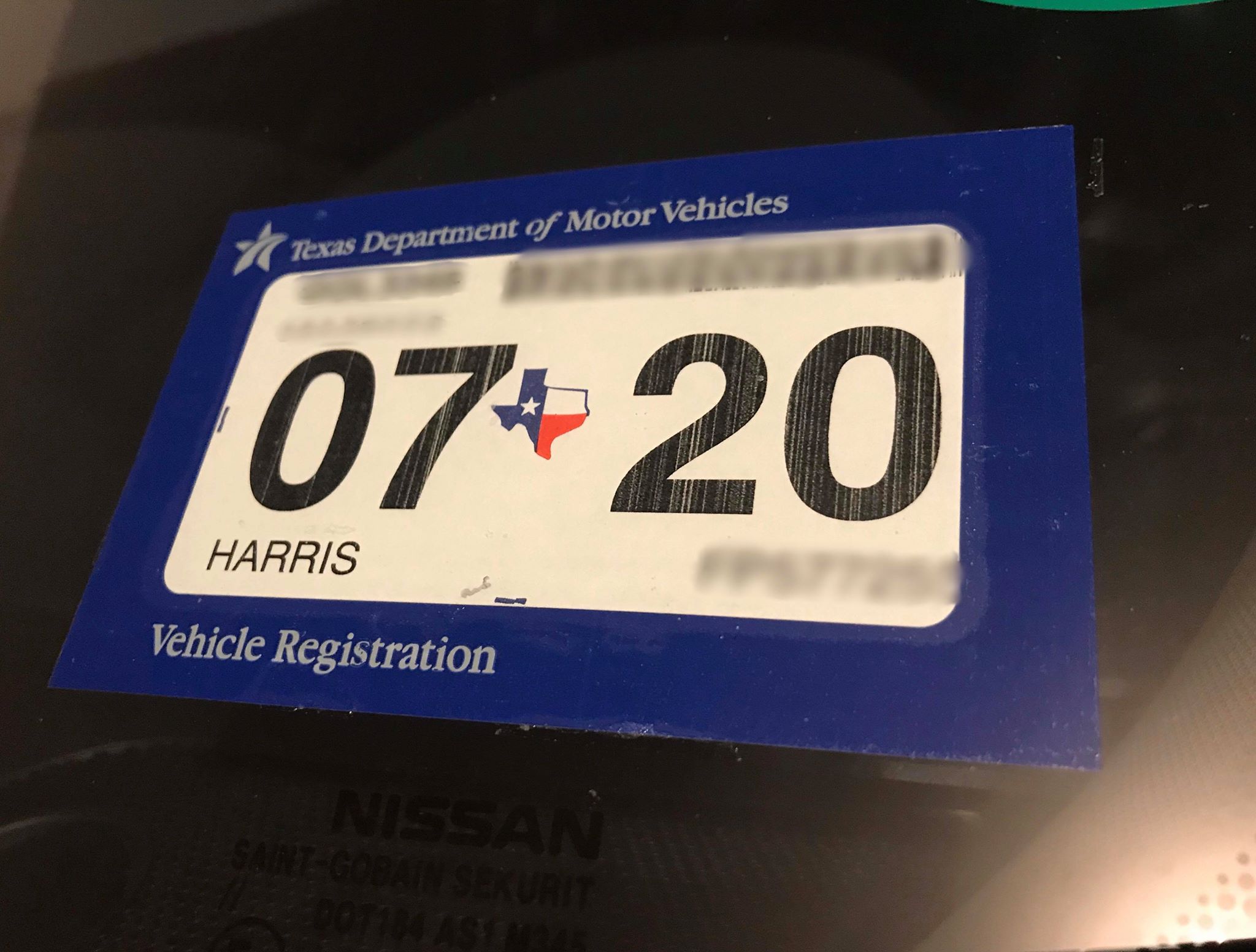
The Texas Department of Motor Vehicles (TxDMV) oversees vehicle registration throughout the state, and thankfully, they offer several convenient methods for renewal. The goal is to make the process as straightforward as possible, recognizing that people lead busy lives filled with travel, work, and leisure. Your registration is valid for one year, expiring on the last day of the month indicated on your sticker. It’s wise to begin the renewal process a few weeks before your expiration date to avoid any last-minute rushes or potential penalties.
Eligibility and Key Requirements
Before you can renew, there are a few prerequisites you’ll need to meet. The most critical include:
- Proof of Insurance: You must have current liability insurance coverage for your vehicle. Texas law mandates specific minimum coverage amounts, and this will be verified during renewal.
- Vehicle Inspection: Your vehicle must pass its annual safety inspection and, in certain counties, an emissions test. This inspection must be completed no more than 90 days before your registration expires. The inspection station will issue an electronic report, which is automatically submitted to the state.
- Current Registration: While you can renew an expired registration, it’s always better to do so before it lapses to avoid late fees.
- Your Renewal Notice: While not strictly required, having your official renewal notice (which usually arrives by mail or email from the TxDMV) makes the process smoother as it contains your license plate number, vehicle identification number (VIN), and other pertinent details.
Understanding these requirements upfront ensures a hassle-free renewal, allowing you to focus on planning your next excursion to the historic San Antonio Riverwalk or exploring the vibrant arts scene in Dallas.
Exploring Your Renewal Options: Online, In-Person, or Mail-In
Texas offers flexibility when it comes to renewing your vehicle registration, catering to different preferences and schedules. This multi-pronged approach reflects the state’s commitment to making essential civic duties accessible, whether you’re a digital nomad, a busy professional, or simply prefer traditional methods.
The Online Renewal Option: Save Time, Hit the Road Faster
For many, renewing online is the quickest and most convenient method. It’s ideal for those who are always on the go, perhaps juggling a family trip to Galveston Island or managing a packed business travel schedule.
To renew online, you’ll need:
- Your renewal notice or your license plate number and the last four digits of your VIN.
- A valid credit card for payment.
- Confirmation that your vehicle has passed its inspection.
- Proof of current liability insurance.
Visit the TxDMV online renewal portal, enter your information, pay the fees, and your new registration sticker and license plate decals will be mailed to you within a few weeks. This method is particularly useful if you live in a rural area or simply prefer the efficiency of digital transactions, leaving more time to discover hidden gems or revisit favorite spots like the Alamo.
In-Person Renewal: Direct Assistance and Immediate Gratification
If you prefer face-to-face interaction or need your registration immediately, renewing in person is a great option. You can visit any county tax assessor-collector’s office or one of their approved substations. Many counties also have kiosks available in grocery stores or other retail locations for quick self-service renewals.
When renewing in person, bring:
- Your renewal notice (or license plate number and VIN).
- Proof of current liability insurance.
- Your current vehicle inspection report (though often, the system can verify this electronically).
- A valid form of payment (cash, check, or credit card, depending on the location).
The benefit of in-person renewal is that you’ll receive your new registration sticker and license plate decals on the spot. This is especially helpful if your registration is about to expire and you’re planning an impromptu journey to explore the Texas Hill Country.
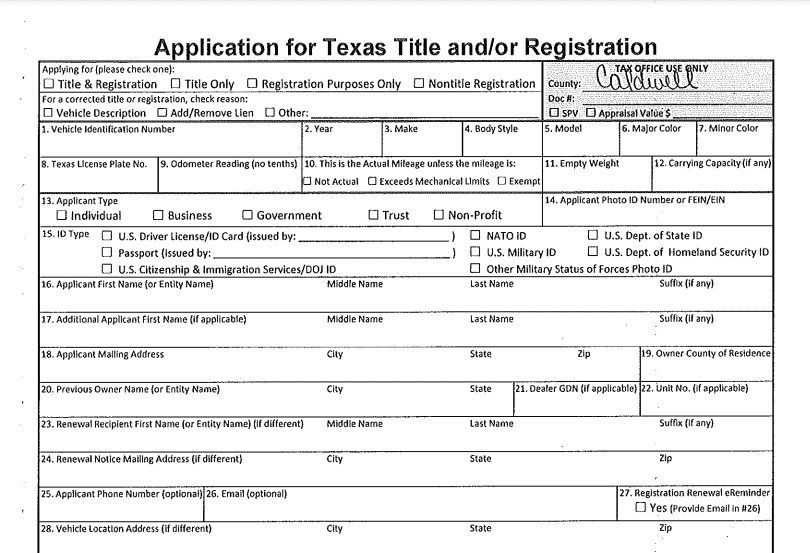
Mail-In Renewal: Traditional and Convenient for Some
For those who prefer a more traditional approach or live in areas where online access might be limited, renewing by mail is a viable option. Your renewal notice will typically include instructions and a return envelope for mail-in renewals.
You will need to mail:
- The renewal notice itself, with any necessary information completed.
- Proof of current liability insurance (a copy).
- A check or money order for the renewal fees.
While convenient, this method usually takes the longest, as you must account for postal delivery times both ways. Plan accordingly if you choose this route, ensuring you mail your documents well in advance of your expiration date to avoid driving with an expired registration.
Essential Documents and Information for Renewal
Regardless of the method you choose, having the correct documentation and information readily available will streamline your vehicle registration renewal. These items are fundamental not just for compliance but also for your safety and protection while traveling across Texas.
Proof of Insurance: Your Safety Net
Mandatory for all drivers in Texas, proof of insurance is perhaps the most critical document. It ensures that in the event of an accident, you and other parties are financially protected. Most insurance providers offer digital proof of insurance, which is generally accepted. However, always have a physical or easily accessible digital copy on hand, especially for in-person renewals. Ensure your policy covers the minimum liability requirements set by the state, which are currently 30/60/25:
- $30,000 for bodily injury per person.
- $60,000 for bodily injury per accident.
- $25,000 for property damage per accident.
This coverage is not just a legal requirement but a crucial safety measure that allows you to confidently explore everything from the NASA Johnson Space Center in Houston to the wineries of Fredericksburg.
Vehicle Inspection Report: Ensuring Roadworthiness
Before you can renew your registration, your vehicle must pass its annual safety inspection at a certified Texas inspection station. If you live in or regularly travel through certain counties (e.g., Harris County, Dallas County, Tarrant County), your vehicle may also require an emissions inspection. Once your vehicle passes, the inspection station electronically transmits the inspection report to the state’s database. This electronic record means you typically won’t need a physical copy to renew, but it’s always wise to keep the vehicle inspection report for your records. The state uses this system to verify compliance instantly, a testament to the modern infrastructure supporting millions of drivers across the state.
Payment Methods and Fees: Budgeting for Your Renewal
The cost of vehicle registration renewal in Texas includes state fees, county fees, and any applicable local fees. These fees can vary slightly by county. Generally, the base fee for most passenger vehicles is around $50.75, but additional charges for things like local road and bridge fees can increase the total. Online renewals usually accept credit or debit cards, often with a small processing fee. In-person renewals typically accept cash, checks, money orders, and credit/debit cards. When mailing in your renewal, only checks or money orders are accepted. Be sure to check your renewal notice or the TxDMV website for the exact amount due to avoid delays. Planning for these costs is part of responsible vehicle ownership, much like budgeting for travel expenses when planning a trip to a luxury resort or a boutique hotel in a Texas city.
Navigating Common Challenges and Special Cases
While the standard renewal process is quite simple, certain situations might present unique challenges. Understanding these special cases can prevent unnecessary stress and keep you compliant with Texas law, allowing you to focus on enjoying the state’s diverse attractions, from its vibrant music scene to its historical landmarks.
Out-of-State Renewals: Keeping You Mobile When You’re Away
Life often takes us beyond state lines, whether for extended travel, business assignments, or studying. If your Texas vehicle registration is due for renewal while you are temporarily residing out of state, don’t worry—you still have options.
- Online Renewal: This is typically the easiest method. As long as your vehicle has a current Texas inspection (even if it was done before you left the state, as long as it’s within 90 days of expiration) and active Texas insurance, you can renew online. Your new stickers will be mailed to your address, which can be an out-of-state address.
- Mail-In Renewal: If you can’t renew online, you can mail your renewal notice, proof of insurance, and payment to your county tax assessor-collector’s office. Make sure to clearly indicate your out-of-state mailing address.
- Special Circumstances for Inspection: If your inspection has expired and you cannot return to Texas for an inspection, you might be eligible for a 30-day temporary permit. Contact the TxDMV or your local county tax office for guidance. They might require an out-of-state inspection report, but it’s crucial to understand Texas’s specific requirements in this scenario.
Knowing these options ensures that your vehicle remains legally registered, whether you’re vacationing in California or on a long-term work assignment in New York.
Late Renewals and Penalties: What Happens If You Miss the Deadline
It happens to the best of us – sometimes a deadline slips through the cracks, especially when you’re busy exploring new destinations or managing life’s complexities. Driving with an expired registration in Texas can result in fines and penalties, which can quickly add up. If you renew late, you will typically incur a delinquency penalty in addition to the standard registration fees. The good news is that you can still renew your registration through any of the standard methods, even if it has expired. However, law enforcement can ticket you for expired registration, and repeated offenses can lead to more significant legal issues. It’s always best to renew proactively, giving yourself ample time to complete the process before your expiration date.
Transferring Registration for New Residents: Welcome to Texas!
If you’ve recently moved to Texas and brought your vehicle with you, congratulations on joining the vibrant community! You are required to register your out-of-state vehicle within 30 days of establishing residency. This process is slightly different from a standard renewal:
- Obtain a Texas Vehicle Inspection: Your vehicle must pass a Texas safety inspection.
- Gather Required Documents: You’ll need your out-of-state title or registration, proof of insurance meeting Texas minimums, and proof of identity.
- Visit the County Tax Assessor-Collector’s Office: You must apply for a Texas title and registration in person. This involves paying sales tax (if applicable), title fees, and registration fees.
- Receive Your Texas License Plates and Registration: Once approved, you’ll be issued Texas plates and a registration sticker.
This initial registration as a new resident is a crucial step in settling into your new life in Texas, opening up countless opportunities for local travel and exploration, from the historic grandeur of the State Capitol in Austin to the coastal charms of Corpus Christi.
Why Timely Renewal Matters for Your Texas Adventures
Beyond the legal obligations, maintaining a current vehicle registration is integral to fully enjoying life and travel in Texas. It’s about more than just a sticker on your windshield; it’s about ensuring seamless experiences, worry-free journeys, and contributing to the overall safety and infrastructure of the state.
Planning Your Texas Road Trip: Uninterrupted Exploration
Texas is a state built for road trips. Its vastness means there are endless routes to explore, from the desert landscapes of West Texas to the pine forests of East Texas, and the cultural vibrancy of its major metropolitan areas. Imagine planning a multi-day adventure, mapping out stops at charming small towns, natural wonders like Palo Duro Canyon State Park, or bustling city centers, only to realize your registration is expired. This oversight can quickly derail your plans, leading to fines, delays, or even the inability to continue your journey.
A valid registration is your ticket to uninterrupted exploration. It allows you to confidently drive across county lines, visit state parks, and traverse interstates without the constant worry of a traffic stop due to an expired sticker. For any traveler, whether venturing out for a weekend getaway or embarking on an extended tour, this peace of mind is invaluable.
Exploring Texas Cities and Natural Wonders: A Smooth Journey
From the iconic skyline of Dallas to the historic missions of San Antonio, and the vibrant live music scene of Austin, Texas cities offer a tapestry of experiences. Similarly, the state boasts an incredible array of natural beauty, including the tranquil beaches of South Padre Island, the rugged trails of Guadalupe Mountains National Park, and the breathtaking wildflowers of the Texas Hill Country.
Having your vehicle registration current means you can fully immerse yourself in these experiences without administrative burdens. It’s part of responsible tourism and lifestyle management, ensuring that your focus remains on enjoying the destination, whether it’s a luxurious stay at a Houston hotel or a rugged camping trip under the Texas stars. A valid registration is a small but significant detail that underpins your freedom to travel and discover all that this incredible state has to offer. By staying on top of your renewal, you ensure that your vehicle is always ready to take you on your next Texas adventure.
LifeOutOfTheBox is a participant in the Amazon Services LLC Associates Program, an affiliate advertising program designed to provide a means for sites to earn advertising fees by advertising and linking to Amazon.com. Amazon, the Amazon logo, AmazonSupply, and the AmazonSupply logo are trademarks of Amazon.com, Inc. or its affiliates. As an Amazon Associate we earn affiliate commissions from qualifying purchases.