
Selling a vehicle in the Grand Canyon State involves navigating a series of state-specific regulations and procedures. Whether you are a resident looking to upgrade or someone relocating from Arizona, understanding the process ensures a smooth and legally compliant transaction. This guide will walk you through the essential steps, from preparing your car to completing the paperwork, all within the unique framework of Arizona’s Motor Vehicle Division (MVD).
Preparing Your Vehicle for Sale
Before you even think about listing your car, ensuring it’s in the best possible condition will significantly impact its appeal and sale price. This preparation phase is crucial for a successful sale, whether you’re dealing with a private buyer or a dealership.

Mechanical and Cosmetic Enhancements
A well-maintained vehicle is more attractive to potential buyers. Begin with a thorough cleaning, both inside and out. A professional detailing can make a significant difference, highlighting the car’s best features and masking minor imperfections. Address any mechanical issues that have been lingering. Simple repairs, such as replacing worn tires, fixing a leaky fluid line, or repairing minor body damage like dents and scratches, can prevent potential buyers from using these issues as bargaining points. Consider getting a pre-sale inspection from a trusted mechanic. This not only helps identify any hidden problems but also provides a clean bill of health to potential buyers, fostering trust.
Gathering Essential Documentation
Having all necessary paperwork readily available is paramount. This includes the vehicle’s title, which is the legal proof of ownership. If you have a loan on the car, you’ll need to ensure the title is clear or obtain a lien release from your lender. Gather all maintenance records; a documented history of regular servicing can significantly boost buyer confidence. Other helpful documents include the vehicle’s owner’s manual and any receipts for recent significant repairs or upgrades. In Arizona, a VIN (Vehicle Identification Number) inspection is also required for vehicles coming from out of state and for those with a missing or altered VIN. While not always required for a standard sale between residents, it’s good practice to have it in order.
Navigating Arizona’s Legal and Administrative Requirements
Arizona has specific laws and procedures governing vehicle sales, primarily managed by the Arizona Department of Transportation’s Motor Vehicle Division (MVD). Familiarizing yourself with these requirements will prevent potential pitfalls and ensure a legitimate transfer of ownership.
The Title Transfer Process
The cornerstone of selling a car in Arizona is the title transfer. As the seller, you must complete the “Seller’s Transfer of Title by Owner” section on the vehicle’s Certificate of Title. This section requires your signature, printed name, and the date. You will also need to accurately record the vehicle’s odometer reading at the time of sale. Federal and state laws mandate accurate odometer disclosure. Ensure all fields are filled out legibly and completely. If there are multiple owners listed on the title, all must sign. The buyer will then take this signed title to the MVD to complete their registration and receive a new title in their name.
Bill of Sale and Disclosure
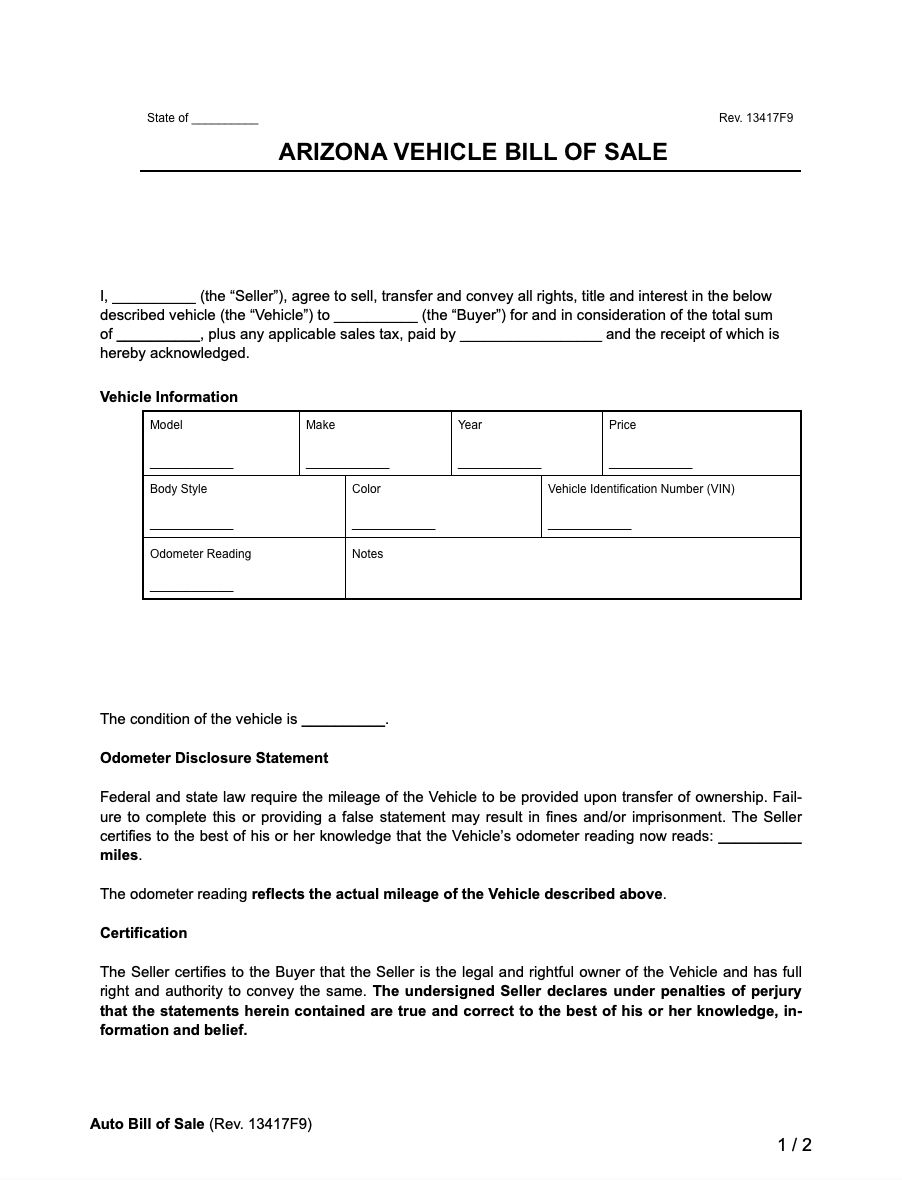
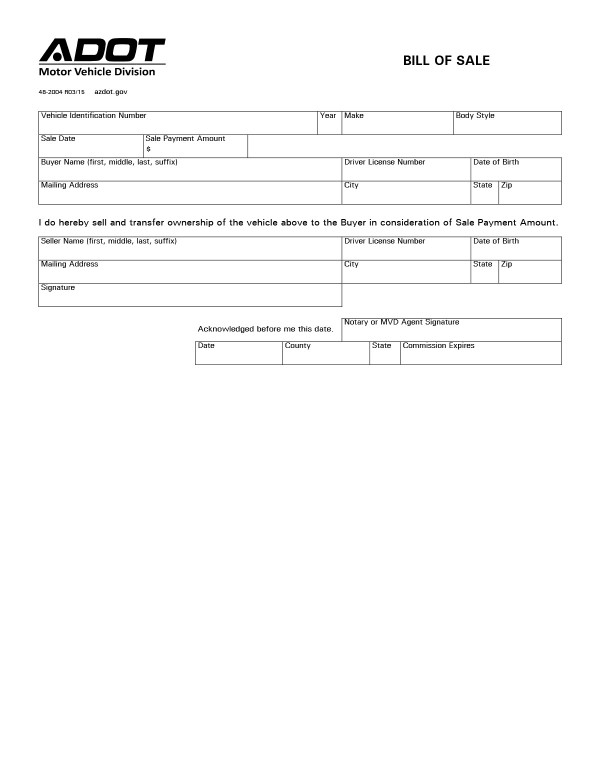
While not always strictly required by the MVD for a title transfer between private parties if the title is properly signed over, creating a Bill of Sale is highly recommended. This document serves as a receipt for both buyer and seller and should include the vehicle’s make, model, year, Vehicle Identification Number (VIN), the sale date, the purchase price, and the names and addresses of both the buyer and seller. It should also clearly state that the vehicle is being sold “as-is,” unless specific warranties are being offered. For private sales, Arizona law requires sellers to disclose any known material defects to the buyer, such as frame damage or a flood history. Failing to do so could lead to legal repercussions.
Odometer Disclosure Statement
As mentioned, accurate odometer disclosure is a legal requirement. In Arizona, this is typically handled on the title itself. However, if the vehicle is over ten years old, a separate odometer disclosure might not be necessary, depending on the specific title form. It is crucial to understand the specific requirements for your vehicle’s age and the title’s format. Providing false odometer readings is a serious offense.
License Plates and Registration
In Arizona, license plates generally stay with the vehicle when it is sold. However, if you wish to keep your personalized or specialty plates for another vehicle, you will need to remove them before the sale and transfer them to your new vehicle at the MVD. If you are selling the vehicle, ensure the buyer understands they are responsible for obtaining new registration and plates for the vehicle after the sale. It is also advisable for the seller to notify the MVD of the sale to absolve themselves of future liability associated with the vehicle. This can often be done online or at an MVD office.
Choosing Your Selling Method
Arizona offers several avenues for selling your vehicle, each with its own advantages and disadvantages. Your choice will depend on your priorities, such as speed, convenience, and maximizing your profit.
Private Party Sale
Selling directly to an individual buyer typically yields the highest price for your vehicle. This method requires more effort on your part, from advertising and showing the car to negotiating the price and handling the paperwork. You will need to create compelling listings, screen potential buyers, arrange test drives, and be prepared for extensive negotiation. The primary advantage is the potential for a greater financial return compared to selling to a dealership. However, it also involves more risk and time commitment. Be vigilant about potential scams and ensure you receive secure payment before transferring ownership.
Dealership Trade-In
Trading your car into a dealership is often the most convenient option. You can usually complete the entire transaction at the dealership, potentially driving away in your new vehicle the same day. The dealership handles all the paperwork, and the value of your trade-in is deducted directly from the price of the new car, simplifying the financial aspect. However, dealerships typically offer less for your vehicle than you could get in a private sale, as they need to account for reconditioning costs and profit margins. This is a trade-off for speed and ease.
Online Car Buying Services
Several online platforms have emerged that specialize in buying used cars. These services often provide an instant online appraisal and can arrange for an inspection and purchase within a few days. Companies like Carvana, Vroom, and others operate with varying models, some offering home delivery and pickup. This method offers a balance between convenience and a potentially better price than a traditional dealership trade-in, though still usually less than a private sale. The process is often streamlined and transparent.
Completing the Sale and Post-Sale Procedures
Once you have a buyer and have agreed on a price, the final steps are crucial to ensure a legal and complete transaction.
Finalizing the Transaction
With a private sale, ensure you have secured payment before relinquishing the vehicle and signing over the title. Certified checks, cashier’s checks, or wire transfers are generally safer than personal checks or cash, especially for larger amounts. Verify the authenticity of any payment method before handing over the keys. For sales to dealerships or online services, follow their specific payment procedures. Once payment is confirmed, sign the title over to the buyer.
Notifying the MVD
After the sale is complete, it is highly recommended, and in some cases beneficial, to notify the Arizona MVD that you have sold the vehicle. This can help protect you from any liability for tickets or accidents that occur after the sale. While the primary responsibility for registration transfer lies with the buyer, proactively informing the MVD is a good practice. Look for options to file a “Notice of Transfer of Title by Seller” or similar documentation, often available online through the MVD website.
Removing Personal Belongings and Plates
Before handing over the keys, perform a final sweep of the vehicle to ensure you haven’t left any personal belongings. This includes checking under seats, in the glove compartment, and in the trunk. If you intend to keep your license plates, remove them at this time. Remember, in Arizona, plates generally stay with the car unless you have a specific reason and process for transferring them.
By understanding and meticulously following these steps, you can navigate the process of selling a car in Arizona with confidence and ensure a successful outcome. Whether you prioritize speed, convenience, or maximizing your return, the key is preparation, legal compliance, and clear communication with your buyer.
LifeOutOfTheBox is a participant in the Amazon Services LLC Associates Program, an affiliate advertising program designed to provide a means for sites to earn advertising fees by advertising and linking to Amazon.com. Amazon, the Amazon logo, AmazonSupply, and the AmazonSupply logo are trademarks of Amazon.com, Inc. or its affiliates. As an Amazon Associate we earn affiliate commissions from qualifying purchases.