
Embarking on a new adventure in the Lone Star State often involves navigating various logistical hurdles, and for many, the car title transfer process can feel like a labyrinth. Whether you’re a new resident moving to Texas, purchasing a used vehicle for a cross-country road trip, or simply selling your car to upgrade, understanding the intricacies of transferring a car title in Texas is paramount. This guide will demystify the process, ensuring your transition to or within Texas is as smooth as a drive down a scenic highway. From the bustling streets of Houston and Dallas to the cultural vibrancy of San Antonio and the live music capital of Austin, your vehicle is often your key to unlocking the state’s vast offerings, making a proper title transfer an essential first step.
Understanding the Importance of a Car Title Transfer in Texas
A car title is more than just a piece of paper; it’s the legal document that establishes ownership of a vehicle. In Texas, as in all states, transferring this title correctly ensures that the legal ownership shifts from the seller to the buyer. This process is critical for several reasons, impacting everything from your personal liability to your ability to register and insure the vehicle. For travelers and those embracing a new lifestyle in Texas, the car is often central to exploration and daily life, making a secure and legally recognized ownership paramount.
Why a Proper Transfer Matters for Your Texas Adventures
Imagine planning a road trip through the dramatic landscapes of Big Bend National Park or a family vacation to South Padre Island. Without a properly transferred title, you could encounter significant legal headaches. Incorrect or delayed title transfers can lead to the previous owner remaining liable for parking tickets, toll violations, or even accidents involving the vehicle. For the buyer, it prevents them from legally registering the car, obtaining proper insurance, or reselling it in the future. Furthermore, it protects you from potential fraud and ensures that the vehicle doesn’t have any undisclosed liens or legal encumbrances. From a lifestyle perspective, the last thing you want is legal troubles hindering your ability to enjoy the freedom and opportunities that come with vehicle ownership in a state as vast and diverse as Texas. It’s an administrative step that underpins the stability and security of your new life or travel plans.
Key Players in the Title Transfer Process
Successfully navigating the title transfer requires understanding the roles of the various entities involved. Primarily, there are the seller and the buyer, each with specific responsibilities. The seller is obligated to sign over the existing title, provide an odometer disclosure, and ensure any liens are released. The buyer, on the other hand, is responsible for completing the necessary paperwork, paying the required fees and taxes, and submitting everything to the appropriate government office.
The main governmental entity overseeing this process in Texas is the Texas Department of Motor Vehicles (TxDMV), which establishes the rules and regulations. However, the actual processing of title transfers occurs at the local level, specifically at your County Tax Assessor-Collector office. Each of the 254 counties in Texas has one, and they are the primary point of contact for submitting your documents and fees. Understanding this decentralized system is key to a smooth process, ensuring you head to the correct office, whether you’re in Travis County (Austin), Harris County (Houston), or Bexar County (San Antonio). Knowing who does what simplifies the journey, allowing you to focus on planning your next adventure, perhaps visiting The Alamo or strolling along the San Antonio River Walk.
The Step-by-Step Guide to Transferring a Car Title
Transferring a car title in Texas follows a structured path, designed to ensure accuracy and prevent fraud. While it might seem daunting at first glance, breaking it down into manageable steps makes it straightforward. The process essentially involves gathering the right documents, accurately completing forms, and submitting them to the proper authority within the specified timeframe.
Essential Documents You’ll Need
Before you even step foot into the County Tax Assessor-Collector’s office, ensuring you have all the necessary paperwork is crucial. Missing even one document can lead to delays and multiple trips.
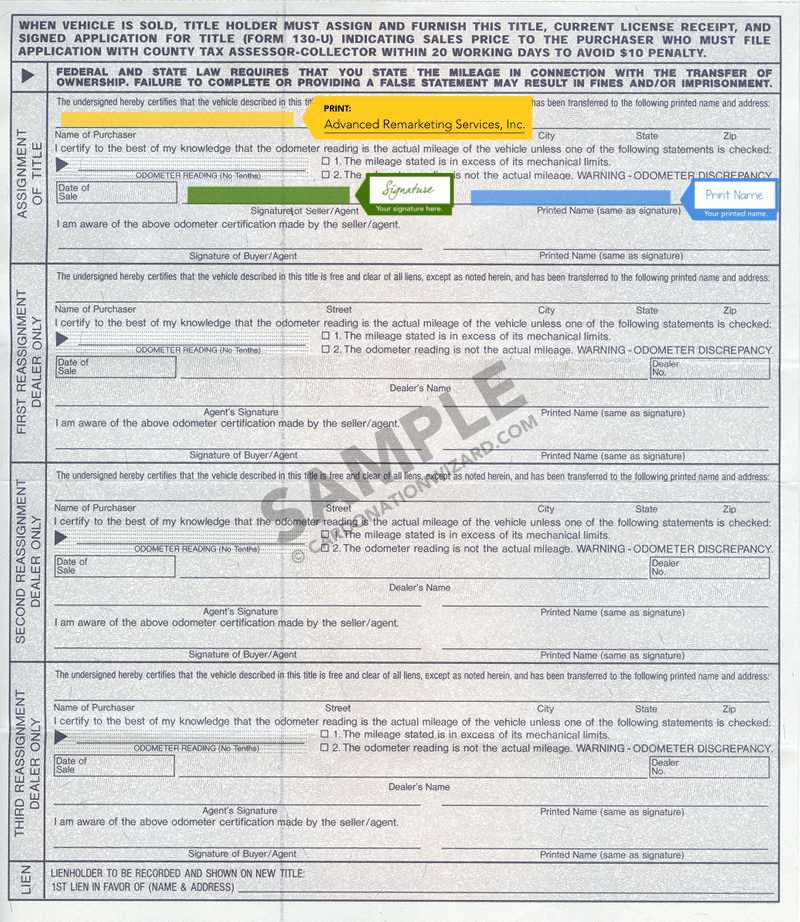
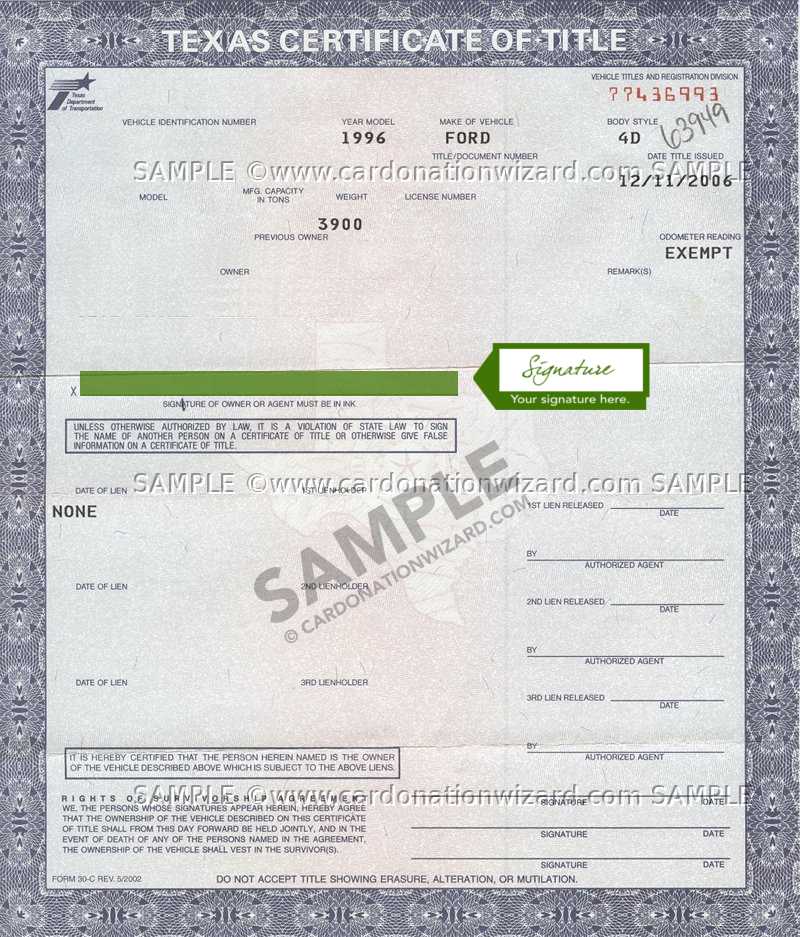
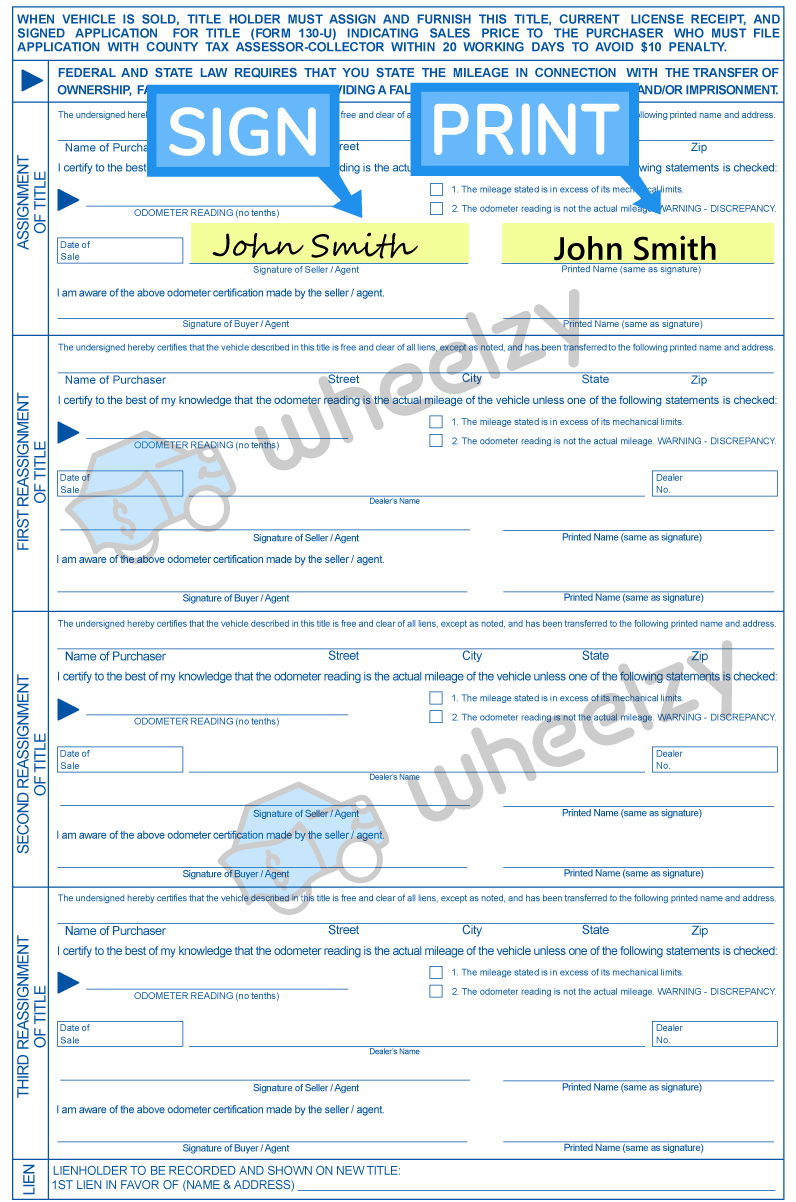
- Original Texas Certificate of Title: This is the most critical document. The seller must sign and date the “Assignment of Title” section, typically on the back. It’s imperative that the seller’s signature matches the name printed on the title, and the buyer’s name, address, and date of sale are clearly filled in. If there was a lien on the vehicle, the lienholder must also sign off, releasing their interest.
- Application for Texas Title and/or Registration (Form 130-U): This form must be completed by both the buyer and the seller. It details the vehicle information, sale price, odometer reading, and both parties’ contact details. This document is central to calculating the sales tax and ensuring all data is captured for the new title.
- Odometer Disclosure Statement: For vehicles 10 years old or newer, a separate odometer disclosure is often required, or it may be part of the title or Form 130-U. This verifies the mileage at the time of sale, protecting both parties from odometer tampering.
- Proof of Insurance: The buyer must provide proof of liability insurance that meets Texas’s minimum requirements for the vehicle being titled. You cannot title or register a vehicle without valid insurance.
- Valid Photo Identification: Both the buyer and seller should have a valid government-issued ID available.
- Vehicle Inspection Report (VIR): All vehicles registered in Texas must pass an annual safety inspection, and most must pass an emissions test if registered in certain urban counties like Harris, Dallas, Tarrant, or Travis. You’ll need proof of a passing inspection from an official Texas inspection station.
Having these documents neatly organized will streamline your visit to the County Tax Assessor-Collector’s office, allowing you more time to explore destinations like Space Center Houston or the historic sites of Fort Worth.
Navigating the Application for Texas Title and/or Registration (Form 130-U)
Form 130-U is arguably the most crucial piece of paperwork in the title transfer process. It serves as the official request to the TxDMV to issue a new title. Both the buyer and seller must complete specific sections. The seller will fill out their information, the vehicle’s details (VIN, make, model, year), and the sale date and price. The buyer will input their personal information, the proposed registration address, and the declared sales price. It’s vital to be precise with all entries, especially the sale price, as this directly impacts the sales tax calculation. Any discrepancies can flag the application for review, causing unnecessary delays. If you’re new to the state and just moving into your Texas apartment, villa, or even a long-term stay hotel like the Grand Hyatt San Antonio River Walk while you settle in, ensure your new Texas address is accurately reflected.
The Odometer Disclosure Statement
Federal and state laws require odometer disclosure to protect consumers from fraud. For vehicles 10 years old or newer, an accurate odometer reading at the time of sale is mandatory. This is typically recorded on the back of the Texas title itself in a dedicated section or on a separate form if the title doesn’t have it. Both the buyer and seller must sign this statement, acknowledging the accuracy of the mileage. Be honest and exact; misrepresenting the odometer reading carries severe penalties. This transparency ensures that the vehicle’s history is clear, a key factor in its value and future ownership, whether you’re using it for daily commutes or weekend trips to Magnolia Market at the Silos.
Handling Sales Tax and Fees
This is often where buyers get caught off guard. In Texas, the sales tax on a motor vehicle is 6.25% of the sales price or the standard presumptive value (SPV), whichever is greater. The SPV is a value assigned by the state to prevent undervaluation of vehicles for tax purposes. You can look up the SPV for your specific vehicle on the TxDMV website. In addition to sales tax, you’ll also pay:
- Title Application Fee: A relatively small fee, typically around $33.
- Registration Fee: This varies by vehicle type and weight but generally includes a base fee plus any local fees, often totaling around $50-$60 annually.
- Inspection Fee: Paid at the inspection station, not at the County Tax Assessor-Collector‘s office.
Payment is usually accepted via cash, check, money order, or credit card (though credit card payments may incur an additional processing fee). Be prepared for these costs, as they are a non-negotiable part of securing your vehicle ownership and enabling your lifestyle in Texas.
Finalizing the Transfer at Your Local County Tax Assessor-Collector Office
Once you have all your documents completed and your funds ready, your final step is to visit your local County Tax Assessor-Collector’s office. It’s recommended to do this within 30 days of the sale date to avoid delinquent transfer penalties. When you arrive, present all your documents to the clerk. They will review everything, calculate your final fees and taxes, and process your application. If everything is in order, you’ll pay your fees, receive a receipt, and typically be issued new license plates and a registration sticker on the spot. Your new official Texas title will then be mailed to you within a few weeks. This final administrative step is what allows you to truly embrace your freedom on the open roads of Texas, from its major cities to its quaint small towns.
Common Scenarios and Special Considerations
While the basic steps cover most situations, certain circumstances introduce unique requirements. Understanding these can prevent unexpected delays and ensure a smooth transfer, whether you’re gifting a vehicle to a family member or relocating from a different state.
Gifting a Vehicle in Texas
Gifting a car to a loved one, perhaps a college student heading to a Texas university or a newlywed couple embarking on their life together, is a generous act, but it still requires a title transfer. The key difference is the sales tax. When a vehicle is gifted, the recipient (transferee) is generally exempt from paying sales tax if the vehicle is given to a direct family member (e.g., spouse, parent, child, grandparent, grandchild). You’ll need to complete a Gift Affidavit (Form 14-317), which declares that the vehicle was a bona fide gift. The standard title application fees and registration fees still apply. This is a common situation for families, especially those celebrating life milestones and looking to provide support.
Inheriting a Vehicle
Inheriting a vehicle after the passing of a loved one can be emotionally challenging, and the administrative tasks can add to the burden. The process for transferring an inherited title depends on whether the deceased had a will and if the estate is going through probate. If there’s a will and a court-appointed executor, they can sign the title over to the heir. If there’s no will or no probate, heirs may need to complete a Texas Affidavit of Heirship for a Motor Vehicle (Form VTR-262), affirming their legal right to the vehicle. Consulting with the County Tax Assessor-Collector’s office or an attorney for specific guidance in these sensitive situations is highly recommended.
Out-of-State Transfers When Moving to Texas
Welcome to Texas! If you’re relocating from another state, transferring your vehicle title and registration is one of your first priorities after settling into your new accommodation. You typically have 30 days after establishing residency to title and register your vehicle. You’ll need your out-of-state title, proof of Texas insurance, a valid vehicle inspection report, and your completed Form 130-U. If your out-of-state title has a lien on it, you’ll need to provide the lienholder’s name and address, and the TxDMV will correspond with them to obtain the necessary documentation to issue a new Texas title with the lien recorded. For those coming from neighboring states like Oklahoma, Louisiana, or New Mexico, the process is quite similar to an in-state transfer, but with the added step of establishing your Texas residency. This is a vital step in making Texas truly feel like home and fully integrating into its vibrant lifestyle.
Dealing with Liens and Lost Titles
Liens: If there’s a lien (a loan) on the vehicle, the lienholder technically holds the title until the loan is paid off. When selling a vehicle with a lien, the seller must obtain a signed lien release from the lienholder. This release, along with the original title (if the lienholder sent it to the owner after payoff) or a statement of fact that the lien was paid, is necessary for the new title to be issued free of the previous lien. The buyer’s new lien will then be recorded on the new Texas title.
Lost Titles: Losing a title can cause a significant hiccup. If the seller has lost the original Texas title, they must apply for a Certified Copy of Title (Form VTR-34) before they can transfer ownership. This typically costs a small fee and can take a few weeks to process. It’s crucial not to sell a vehicle without the proper title, as it complicates the transfer immensely and can even lead to legal issues. Always ensure the seller provides a physical, properly signed title.
Beyond the Transfer: Enjoying Your Texas Journey
Once your car title transfer is complete, and your vehicle is legally registered in Texas, a world of opportunities opens up. The bureaucratic process, while essential, is merely a gateway to the vast and exciting experiences that await you.
Exploring Texas with Your Newly Titled Vehicle
With your Texas plates and a clear title in hand, your vehicle becomes your passport to discovery. From the historic battlegrounds of The Alamo in San Antonio to the eclectic music venues of Austin, and the stunning Gulf Coast beaches of South Padre Island, Texas offers an incredible array of destinations. Plan a road trip to the rugged wilderness of Big Bend National Park, where the Rio Grande carves through dramatic canyons, or explore the cowboy culture in Fort Worth. The convenience of having your own transport allows for spontaneous detours, hidden gem discoveries, and tailoring your travel experiences to your unique preferences. This freedom is at the heart of the Texas lifestyle, whether you prefer luxury travel amenities in Houston or budget-friendly camping under the stars.
Tips for a Smooth Transition to Life in Texas
Beyond the vehicle logistics, settling into Texas involves embracing its culture and understanding its unique rhythms. For new residents, it’s not just about transferring a title; it’s about integrating into a new community. Research local attractions, find your favorite Texas barbecue joint, and connect with local tourism resources. If you’re staying in an Austin apartment or a Dallas resort, take advantage of local guides and tips. The state offers diverse accommodation options, from luxurious suites to charming villas, ensuring every visitor or new resident finds their perfect home base. Understanding local customs, participating in community events, and exploring the rich history and natural beauty will enrich your Texas journey far beyond the initial paperwork. So, get that title transferred, hit the road, and truly immerse yourself in all that the Lone Star State has to offer.
LifeOutOfTheBox is a participant in the Amazon Services LLC Associates Program, an affiliate advertising program designed to provide a means for sites to earn advertising fees by advertising and linking to Amazon.com. Amazon, the Amazon logo, AmazonSupply, and the AmazonSupply logo are trademarks of Amazon.com, Inc. or its affiliates. As an Amazon Associate we earn affiliate commissions from qualifying purchases.