
The specter of wildfires has become an all-too-familiar and devastating reality for California. Each year, these infernos paint the skies with smoke, threaten communities, and scar the iconic landscapes that draw millions to the Golden State. Understanding the genesis of these fires is crucial, not only for appreciating the challenges faced by fire management agencies but also for informing responsible travel and lifestyle choices within this breathtaking, yet vulnerable, environment. While the picturesque scenery of California – from the towering redwoods of the Redwood National and State Parks to the sun-drenched beaches of Southern California – is a primary draw for travelers, it’s also this very landscape, coupled with specific environmental and human factors, that creates the perfect storm for ignition.
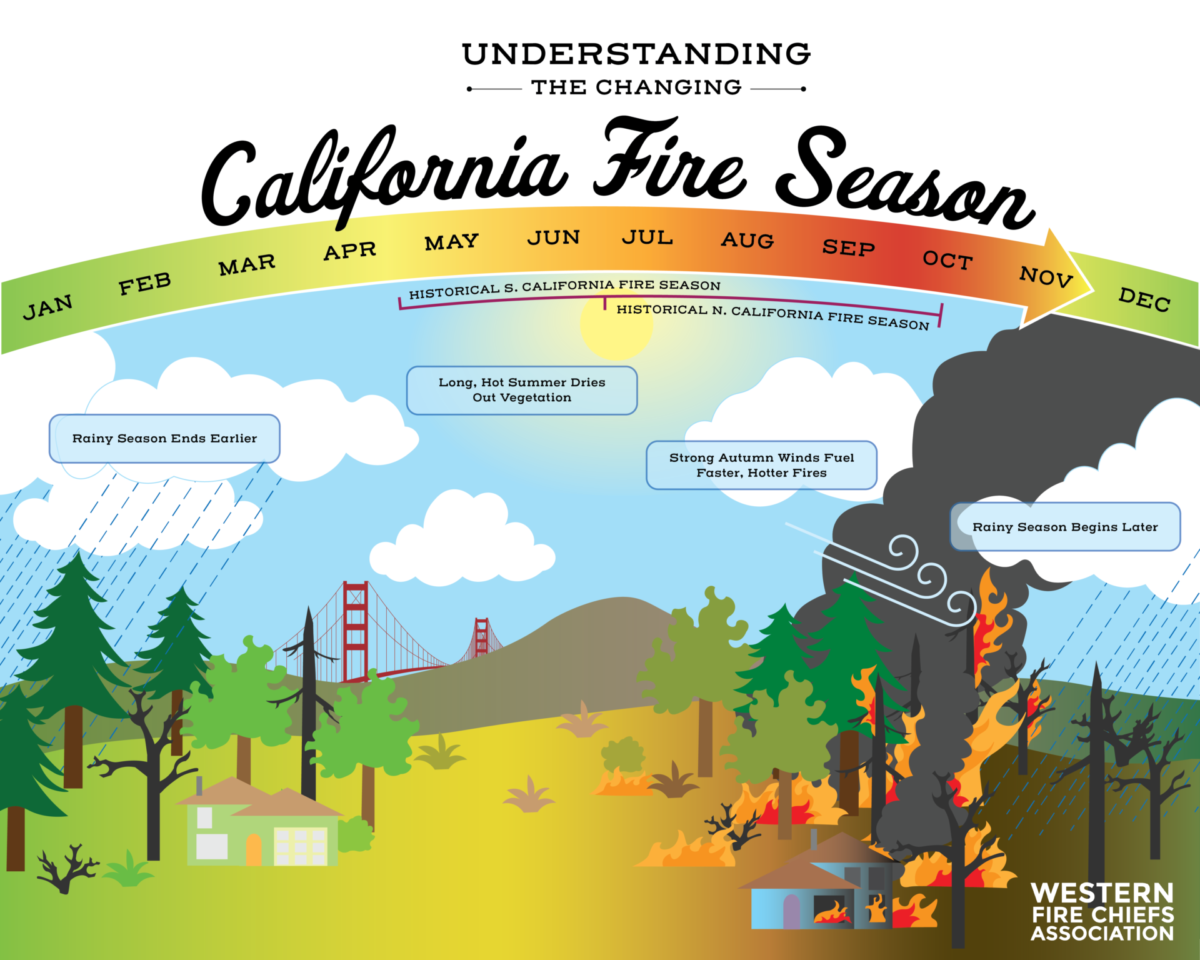
The causes of these catastrophic fires are not monolithic; they are a complex interplay of natural phenomena and human activity. This article will delve into the primary ignition sources, exploring the roles of lightning, electrical equipment, and human negligence, and how they interact with California‘s unique environmental conditions to fuel the destructive cycles of wildfire.
Natural Ignition: The Spark of Lightning
While often overshadowed by human-caused incidents, lightning remains a significant natural igniter of wildfires in California. The state’s diverse topography, characterized by mountain ranges and arid regions, creates conditions conducive to lightning strikes, particularly during the warmer months. When thunderstorms develop, the rapid updraft of air within a cumulonimbus cloud causes ice crystals and water droplets to collide, generating electrical charges. Eventually, these charges build up to a point where they discharge as a lightning bolt, seeking the path of least resistance to the ground.
In the remote wilderness areas of California, such as the vast national forests like the Sierra National Forest or the Shasta-Trinity National Forest, a lightning strike can find dry vegetation – grasses, shrubs, and trees – that have accumulated over time. If the conditions are right – low humidity, high temperatures, and moderate winds – the intense heat of the lightning strike can ignite these fuels, initiating a wildfire. These remote starts can be particularly challenging to combat, as fire crews may have to travel long distances to reach the ignition point, allowing the fire to grow unchecked in its initial stages.
The pattern of lightning-induced fires is often dictated by the geography. Higher elevations, where thunderstorms are more prevalent, tend to see more lightning strikes. However, the intensity of the strike and the flammability of the surrounding vegetation are equally critical. A dry lightning storm, where lightning occurs without significant rainfall, is especially dangerous. The moisture content of the fuel is paramount; when vegetation is parched from prolonged drought, even a seemingly minor spark can have devastating consequences. The vastness of the Inyo National Forest, for example, with its remote canyons and high desert terrain, is susceptible to these types of ignitions.
Human-Caused Ignitions: A Constant Threat
Regrettably, a substantial portion of wildfires in California are initiated by human actions, both intentional and unintentional. These incidents are often preventable and highlight the critical need for public awareness and responsible behavior in fire-prone areas.
Electrical Equipment: The Silent Culprit
One of the most frequently cited and impactful human causes of California wildfires is the failure and malfunction of electrical equipment. Power lines, which stretch across vast distances, often through densely vegetated areas, can become ignition sources under specific circumstances.
-
Downed Power Lines: High winds, a common feature of California‘s weather, can cause trees and branches to fall onto power lines, leading them to snap or spark. If these falling lines or sparks land on dry grass or brush, they can readily ignite a fire. The infamous Camp Fire of 2018, which devastated the town of Paradise, was ultimately determined to have been started by aging electrical transmission lines owned by Pacific Gas and Electric Company (PG&E). This event served as a stark reminder of the catastrophic potential of faulty infrastructure in a fire-prone environment.
-
Equipment Malfunction: Older or poorly maintained electrical equipment, including transformers and circuit breakers, can also overheat and spark, especially under heavy load or during periods of extreme heat. These sparks can easily ignite surrounding dry fuels. Utilities like Southern California Edison and PG&E have faced scrutiny and implemented extensive programs to mitigate these risks, including vegetation management and proactive power shutoffs during high-risk weather events.
-
Equipment Failure in Remote Areas: In more remote areas, far from major urban centers like Los Angeles or San Francisco, the infrastructure might be older or less frequently inspected. This can increase the risk of equipment failure leading to ignitions in areas with limited immediate response capabilities.
Negligence and Accidental Ignitions: Everyday Actions, Extreme Consequences
Beyond infrastructure failures, everyday human activities, often born out of carelessness or a lack of awareness, contribute significantly to wildfire starts.
-
Campfires and Barbecues: Improperly extinguished campfires or unattended barbecues in campgrounds or designated picnic areas are a persistent cause of fires. Even a small ember that escapes can travel and ignite dry vegetation. Fire agencies strongly advocate for “drown, stir, and feel” when putting out campfires, ensuring they are completely cold before leaving. Locations like Yosemite National Park or the beaches along the Pacific Coast Highway often have specific regulations regarding fires to prevent such incidents.
-
Vehicle Equipment: Sparks from vehicle exhaust systems, dragging chains, or catalytic converters malfunctioning can ignite dry roadside vegetation. Parking a hot vehicle on dry grass is another common, yet often overlooked, cause. This is particularly relevant for travelers exploring rural roads or off-road areas in regions like the Mojave Desert.
-
Discarded Cigarettes: A carelessly tossed cigarette butt, even one that appears extinguished, can hold enough heat to ignite dry grass, especially in the strong winds that frequently sweep across California. This is a simple yet devastating act of negligence that can have far-reaching consequences.

-
Arson: Sadly, a portion of wildfires are intentionally set. Arson investigations are a critical component of wildfire response and prosecution, as these acts are deliberate and malicious.
-
Equipment Use: Tools like chainsaws, mowers, and other equipment that produce sparks can also be accidental ignition sources if used carelessly in dry conditions. Many fire restrictions prohibit or limit the use of such equipment during high-risk periods.
The Role of Environment: Fuel, Weather, and Topography
While ignition is the starting point, it’s the interplay with California‘s unique environmental conditions that transforms a spark into a raging inferno.
Fuel: The Tinderbox
The availability and condition of California‘s natural fuels are paramount. A “fuel load” refers to the amount of combustible material present in an area. Decades of fire suppression policies, while intended to protect lives and property, have led to an unnatural accumulation of dead and dry vegetation in many forests and wildlands. This dense fuel load acts like a tinderbox, allowing fires to spread rapidly and burn with greater intensity.
-
Drought and Dry Vegetation: California is no stranger to drought. Prolonged periods without sufficient rainfall dry out grasses, shrubs, and trees, making them highly flammable. Even normally fire-resistant plants can become susceptible to ignition when severely dehydrated. This is a recurring challenge across the state, impacting vast areas from the wine country of Napa Valley to the rugged terrain of the Santa Monica Mountains.
-
Invasive Species: The presence of invasive grasses, such as cheatgrass, can accelerate fire spread. These grasses cure (dry out) earlier in the season than native vegetation, creating a continuous layer of dry fuel that allows fires to move more quickly across the landscape.
-
Insect Infestations and Disease: Pests like the bark beetle have killed millions of trees across California, particularly in the Sierra Nevada. These dead trees stand as dry, brittle fuel, ready to ignite and contribute to more intense and fast-spreading fires.
Weather Patterns: The Accelerant
Weather is a critical factor in both ignition and fire behavior.
-
Wind: Strong winds are perhaps the most significant factor in the rapid spread of wildfires. They fan the flames, provide oxygen, and carry embers, or “firebrands,” to new areas, creating spot fires far ahead of the main fire front. The notorious “Santa Ana winds” in Southern California and the “Diablo winds” in Northern California are notorious for their speed and dryness, dramatically increasing wildfire risk.
-
Low Humidity: When the relative humidity is low, moisture evaporates from vegetation, making it drier and more flammable. This is why fires often spread more rapidly during the afternoon and evening when humidity is typically at its lowest.
-
High Temperatures: Elevated temperatures further dry out vegetation and can create unstable atmospheric conditions conducive to fire ignition and spread.
Topography: The Fire’s Highway
The shape and slope of the land play a crucial role in how a wildfire moves.
-
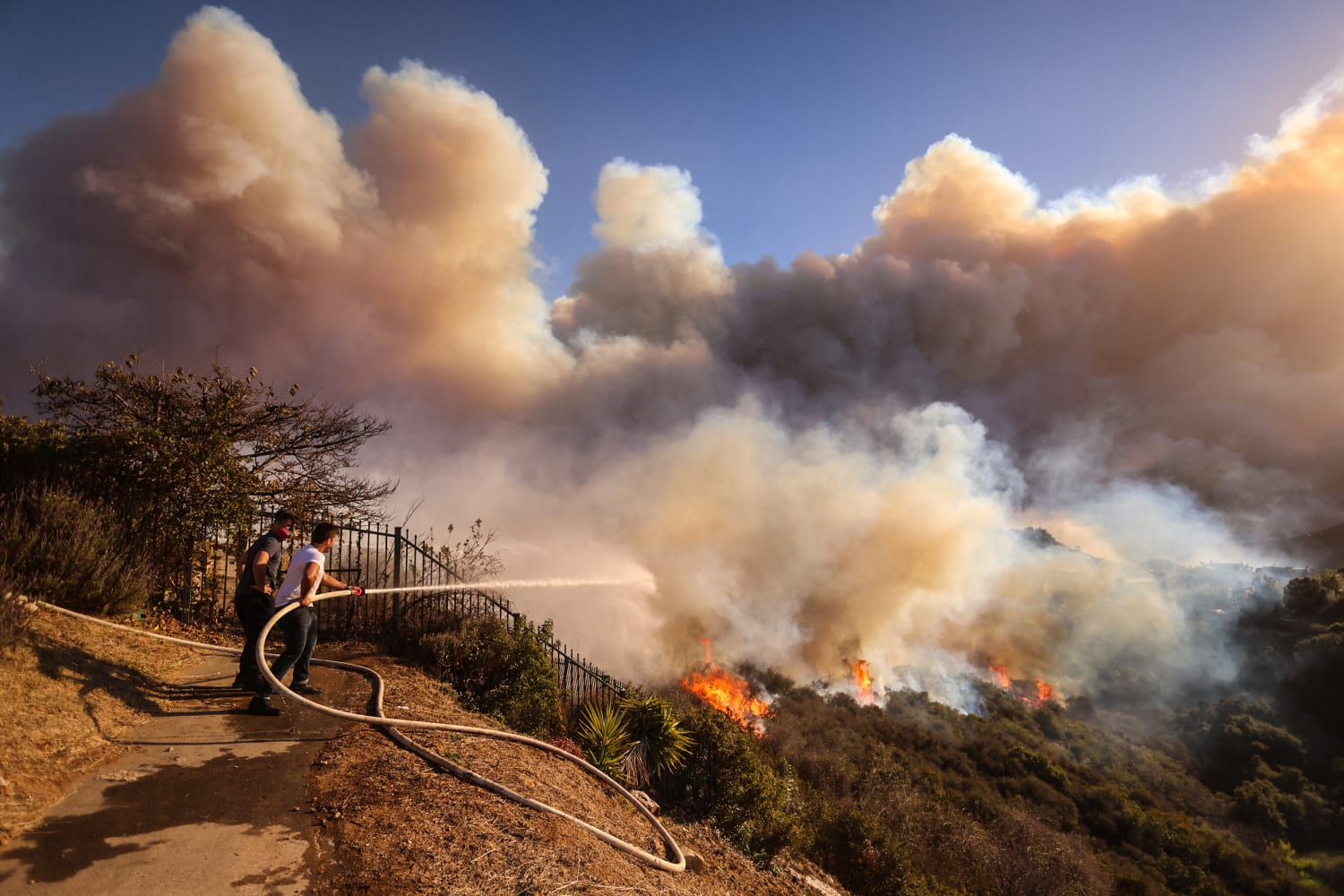
Slope: Fires generally spread uphill much faster than they spread downhill. Flames preheat the fuel above them, making it easier to ignite. This is why fires burning up steep canyons, such as those found in the Santa Monica Mountains National Recreation Area, can move with alarming speed.
-
Aspect: The direction a slope faces (its aspect) also influences fire behavior. South-facing slopes in the Northern Hemisphere tend to be drier and hotter, leading to faster fire spread compared to north-facing slopes, which receive less direct sunlight.
-
Narrow Canyons and Ridges: Narrow canyons can channel winds, intensifying them and pushing fires rapidly up the slopes. Ridges can act as conduits for fire spread, allowing it to move quickly along elevated terrain.
In conclusion, the question of “How Do The Fires Start In California?” is multifaceted. It is a story of natural forces, like the crackle of lightning on dry brush, intertwined with the often-unintentional consequences of human activity, from failing power lines to carelessly discarded cigarettes. The state’s abundant natural beauty, its Mediterranean climate characterized by dry summers, and the ever-present challenge of fuel buildup create an environment where fire is an inherent part of the ecosystem, but one that has been exacerbated by human influence. Understanding these ignition points and the contributing environmental factors is vital for residents and visitors alike as California continues to grapple with the increasing frequency and intensity of wildfires, striving for resilience and a safer future.