
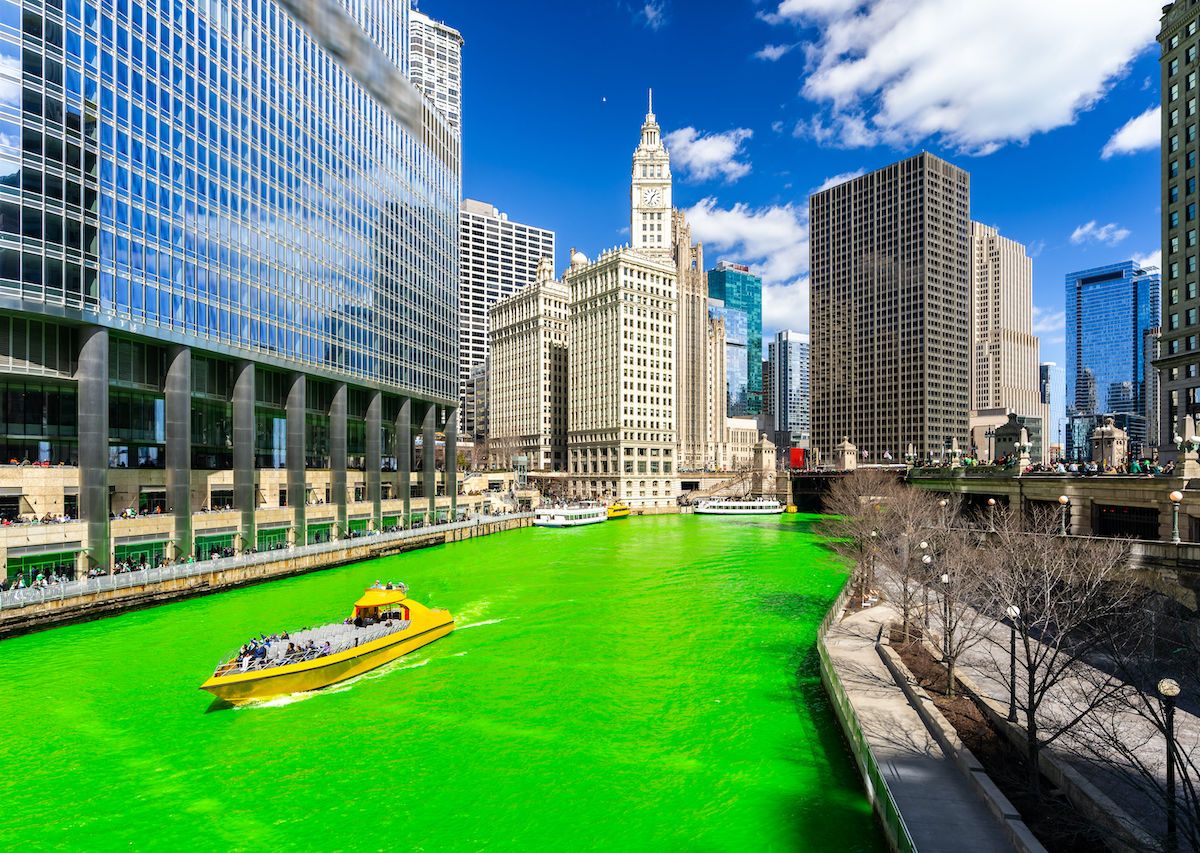
Each year, as St. Patrick’s Day approaches, the bustling metropolis of Chicago, Illinois, transforms into a vibrant emerald spectacle. The city, renowned for its stunning architecture, deep-dish pizza, and vibrant cultural scene, takes on an extraordinary hue as its iconic Chicago River magically turns a brilliant shade of green. This beloved tradition, unique to the United States, draws hundreds of thousands of visitors from across the globe, eager to witness this ephemeral wonder and partake in the city’s spirited celebrations. The question on everyone’s mind, often whispered in awe or asked aloud with genuine curiosity, is always the same: how exactly do they dye the Chicago River green?

Beyond the simple act of adding color to water, this tradition is a carefully orchestrated event, steeped in history, community spirit, and a commitment to environmental safety. It’s an engineering marvel and a cultural phenomenon that encapsulates the unique charm and innovative spirit of Chicago. For travelers seeking unforgettable experiences and unique local culture, witnessing the greening of the river is a highlight of any trip to the Windy City in March. It’s not just about the dye; it’s about the story, the science, the celebration, and the city that brings it all to life.
A Century-Old Tradition: The Origins of the Green River
The tradition of dyeing the Chicago River green is often perceived as an ancient ritual, but its origins are surprisingly recent and rooted in an unexpected context. What began as an experimental solution to a plumbing problem has evolved into one of the world’s most recognizable and cherished St. Patrick’s Day customs, embodying the festive spirit of Irish heritage and civic pride. Understanding its genesis offers a fascinating glimpse into Chicago’s innovative approach to urban planning and celebration.
From Pollution Control to Public Spectacle
The story of the green river begins not with celebratory intentions but with a practical, albeit unusual, problem. In 1961, then-Mayor Richard J. Daley was looking for a way to identify illegal discharges of pollutants into the Chicago River. His solution? A bright green dye. It was a local plumber, Stephen M. Bailey, a business manager of the Chicago Plumbers Union Local 130 (then known as the Journeymen Plumbers Local 130), who first suggested using a specific green dye to trace the source of pollution. The dye, originally developed for plumbing leak detection, was chosen for its vibrant color and its supposed environmental friendliness.
The very first attempt in 1961 was a grand experiment. A crew of plumbers, including Stephen M. Bailey, poured 100 pounds of the oil-based fluorescein dye into the river. The results were startling and far grander than anticipated. The river stayed intensely green for an entire week, much to the delight of the city. While the initial goal was pollution tracking, the vibrant spectacle quickly captured the imagination of Chicago’s residents, particularly in the run-up to St. Patrick’s Day. The city recognized the potential for a new, exciting tradition, and thus, the annual dyeing of the Chicago River was born, transforming a functional act into an iconic public spectacle.
The Secret Formula: Eco-Friendly Innovation
The success of the initial dyeing quickly led to a crucial refinement: ensuring the process was entirely safe for the environment. The original oil-based dye, while effective, was not ideal for aquatic ecosystems over the long term. This led to a commitment from the city and the Chicago Plumbers Union Local 130 to find an eco-friendly alternative. Today, the precise formula remains a closely guarded secret, known only to a select few members of the union. However, what is publicly known is that the dye is now a vegetable-based powder, harmless to fish, wildlife, and the natural ecosystem of the river.
Unlike the week-long greening of 1961, the modern dye typically lasts only a few hours, fading naturally as it disperses downriver and into Lake Michigan. This shorter duration is intentional, further minimizing any environmental impact. The shift from a synthetic, potentially harmful substance to a biodegradable, plant-based alternative highlights Chicago’s dedication to sustainable tourism and environmental responsibility, ensuring that this cherished tradition can continue for generations to come without compromising the health of its urban waterways. This commitment to green practices adds another layer of admiration to the spectacle, making it not just a visual treat but also an example of environmental stewardship.
The Mechanics of the Magic: How the River Turns Green
The transformation of the Chicago River from its usual murky hue to a brilliant emerald is not a haphazard event. It is a carefully choreographed dance involving specialized boats, precise timing, and the dedicated efforts of the Chicago Plumbers Union Local 130. For those who travel to Chicago specifically for St. Patrick’s Day, understanding the mechanics behind this magic enhances the appreciation of the spectacle, turning a simple viewing into an immersive experience of local ingenuity.
The Dyeing Process: Precision and Teamwork
The dyeing process begins bright and early on the Saturday morning before St. Patrick’s Day (unless St. Patrick’s Day falls on a Saturday, in which case it occurs on that day). Two boats, often referred to as “the Dyeing Queens,” are central to the operation. The main boat, a converted tugboat, carries the special orange powder – the secret green dye. It’s orange when dry, but reacts with the water to produce its signature vibrant green. A second, smaller boat trails behind, acting as a crucial mixing vessel.
Members of the Chicago Plumbers Union Local 130, many of whom have participated in this tradition for decades, are the custodians of this secret. They use a unique sifting device to evenly disperse the orange powder into the river. The powder, loaded into the main boat’s hopper, is then carefully released through specialized nozzles into the water. The second boat churns the water, mixing the dye thoroughly to achieve a consistent, brilliant green. This methodical approach is critical; too much dye in one spot could create clumps, while too little would result in a patchy appearance. The process usually takes about 45 minutes to an hour, turning a significant stretch of the river, from Columbus Drive to Wacker Drive and beyond, into a flowing emerald masterpiece. The precision and teamwork involved are a testament to the union’s commitment to maintaining this cherished Chicago tradition.
Optimal Viewing Spots and Experience
For tourists and locals alike, finding the perfect vantage point to witness the river dyeing is part of the St. Patrick’s Day experience. The action typically begins around 9:00 AM, and crowds start gathering hours beforehand, so early arrival is key for securing a prime spot. The best views are often found along the east side of the Michigan Avenue bridge, where the river’s green transformation is most concentrated. Other excellent locations include the various bridges spanning the river, particularly those at Wabash Avenue and Columbus Drive.
For a truly immersive experience, the Chicago Riverwalk offers a unique perspective. While sections might be crowded, the promenade provides ground-level views and a vibrant atmosphere. Many Downtown Chicago hotels and restaurants with river-facing windows or terraces offer exclusive viewing parties, providing a comfortable and elevated perspective on the spectacle. Booking one of these rooms or reservations well in advance is a smart travel tip for those seeking a luxurious and less crowded experience. Remember to dress warmly, as early March in Chicago can still be quite chilly, and bring your camera to capture this truly unique travel memory.
Beyond the Green River: Celebrating St. Patrick’s Day in Chicago
While the emerald river is undeniably the star attraction, Chicago’s St. Patrick’s Day celebrations extend far beyond the waterways. The city transforms into a grand festival of Irish culture, offering a plethora of activities, from vibrant parades to lively pub crawls, making it a premier destination for anyone seeking to immerse themselves in the spirit of the Emerald Isle. It’s an experience that blends local culture, traditional festivities, and modern entertainment, creating an unforgettable atmosphere for all types of travelers.
The Grand Parade and Festivities
Following the awe-inspiring river dyeing, the focal point shifts to the annual St. Patrick’s Day Parade. Kicking off usually around 12:15 PM, the parade marches along Columbus Drive in Grant Park, attracting hundreds of thousands of spectators. This vibrant procession features a kaleidoscope of marching bands, elaborate floats, traditional Irish dancers, bagpipers, and various community groups, all adorned in shades of green. Dignitaries and local celebrities often participate, adding to the allure.
The parade is a joyful, family-friendly event, reflecting the strong Irish heritage woven into the fabric of Chicago’s history. Finding a good spot along the parade route, especially near the beginning on Columbus Drive, requires early arrival, similar to the river dyeing. Many families bring blankets and chairs to settle in for the long wait, enjoying the festive anticipation. For those interested in local culture and grand public spectacles, the parade is an absolute must-see, offering a lively glimpse into Chicago’s community spirit and celebratory traditions.
Irish Culture, Food, and Entertainment
Beyond the major events, St. Patrick’s Day in Chicago is a city-wide celebration of Irish culture. The city boasts numerous authentic Irish pubs, particularly in neighborhoods like the Loop, River North, and the Far North Side, which come alive with traditional music, dancing, and hearty Irish fare. Expect to find menus featuring classics like corned beef and cabbage, shepherd’s pie, and plenty of Guinness. Live traditional Irish music sessions are common, offering an intimate way to experience the soulful sounds of the Emerald Isle.
Many establishments host special events, including céilís (traditional Irish social gatherings with folk music and dancing), trivia nights, and themed parties. Even non-Irish restaurants and bars often join in the festivities, offering green-themed drinks and dishes. For families, there are often smaller community events, craft fairs, and cultural performances. This widespread embrace of Irish traditions provides tourists with a deeper dive into the local culture, offering everything from vibrant nightlife to cozy, authentic dining experiences, enriching their overall travel itinerary.
Planning Your Trip to Chicago’s Green Spectacle
Visiting Chicago for St. Patrick’s Day is an unforgettable travel experience, but it requires careful planning to make the most of the celebrations. From securing accommodation to navigating the city and exploring other attractions, a well-thought-out itinerary will ensure a smooth and enjoyable trip, connecting seamlessly with various aspects of travel, tourism, and lifestyle planning.
Best Time to Visit and Accommodation Tips
To witness the dyeing of the Chicago River and the St. Patrick’s Day Parade, your visit must coincide with the Saturday before St. Patrick’s Day itself. Given the immense popularity of the event, hotels in Downtown Chicago, particularly in areas like the Loop, Magnificent Mile, and River North, book up rapidly and often command higher prices. It is highly recommended to book your accommodation several months in advance to secure better rates and desired locations.
Consider different types of accommodation based on your lifestyle and budget. Luxury travelers might prefer upscale hotels along the Chicago Riverwalk or near Grant Park for prime viewing opportunities. Families might look for hotels offering suites or apartments with kitchenettes for added convenience. Budget travelers could explore options slightly outside the immediate downtown area, utilizing Chicago’s efficient public transportation system (CTA and Metra) to reach the festivities. Always check reviews and compare prices on various booking platforms to find the best fit for your travel needs.
Exploring Chicago: Beyond the Green River
While the St. Patrick’s Day celebrations are a major draw, Chicago offers a wealth of other attractions and landmarks worth exploring during your visit. The city is a treasure trove of architectural wonders; consider an architectural boat tour along the very river you just saw dyed green, offering unparalleled views of skyscrapers like the iconic Willis Tower (home to Skydeck Chicago) and the historic Tribune Tower.
Art and culture enthusiasts will be delighted by institutions such as the Art Institute of Chicago and the Museum of Science and Industry. A stroll through Millennium Park to see “The Bean” (Cloud Gate) is a classic Chicago experience. Foodies can indulge in Chicago’s famous deep-dish pizza, diverse culinary scene, and vibrant craft beer landscape. These diverse attractions make Chicago a complete travel destination, ensuring there’s something for every interest beyond the St. Patrick’s Day festivities.

Essential Travel Tips for an Unforgettable Experience
To ensure your Chicago St. Patrick’s Day trip is as smooth as possible, keep these tips in mind:
- Weather: March weather in Chicago can be unpredictable, ranging from mild to very cold, with possibilities of rain or snow. Layered clothing, a warm coat, hat, and gloves are essential.
- Transportation: Public transportation (the CTA ‘L’ trains and buses) is the best way to get around downtown during the busy St. Patrick’s Day weekend. Street closures and heavy traffic make driving challenging. Purchase a Ventra card for easy access to all public transit.
- Reservations: Make reservations for popular restaurants and pubs, especially for dinner on the evening of the parade, as they fill up quickly.
- Hydration and Snacks: If you plan to stake out a spot early for the river dyeing or parade, bring water, snacks, and perhaps a thermos of hot coffee or tea.
- Safety: Stay aware of your surroundings, especially in crowded areas. Travel in groups, and keep your belongings secure.
The dyeing of the Chicago River green is more than just a fleeting spectacle; it’s a testament to Chicago’s unique character, its rich Irish heritage, and its ability to transform an urban landscape into a canvas of celebration. For any traveler seeking a memorable cultural experience, a visit to Chicago for St. Patrick’s Day offers an unparalleled blend of history, festivity, and breathtaking urban magic. It’s an experience that truly puts Chicago on the global map as a top destination for unique travel experiences and vibrant tourism.
LifeOutOfTheBox is a participant in the Amazon Services LLC Associates Program, an affiliate advertising program designed to provide a means for sites to earn advertising fees by advertising and linking to Amazon.com. Amazon, the Amazon logo, AmazonSupply, and the AmazonSupply logo are trademarks of Amazon.com, Inc. or its affiliates. As an Amazon Associate we earn affiliate commissions from qualifying purchases.