
Navigating the process of applying for food assistance in Alabama can seem daunting, but understanding the steps involved makes it manageable. The program, officially known as the Supplemental Nutrition Assistance Program (SNAP), is designed to help low-income individuals and families purchase nutritious food. In Alabama, this program is administered by the Alabama Department of Human Resources (DHR). This guide will walk you through the application process, eligibility requirements, and what to expect once you’ve submitted your application, focusing on how this essential resource can contribute to a more stable and enjoyable lifestyle while exploring the state.

Understanding SNAP Eligibility in Alabama
To successfully apply for SNAP benefits in Alabama, it’s crucial to understand the eligibility criteria. These criteria are primarily based on household income, household size, and certain asset limits. The Alabama Department of Human Resources outlines specific guidelines that vary depending on these factors.
Income Guidelines
SNAP eligibility is determined by comparing your household’s gross and net monthly income to the U.S. Department of Agriculture’s (USDA) poverty guidelines.
- Gross Monthly Income: This is your household’s total income before any deductions are taken out. It includes wages, salaries, unemployment benefits, social security benefits, and any other regular income.
- Net Monthly Income: This is your gross income minus certain allowable deductions. These deductions can include a standard deduction, a 20% deduction for earned income, dependent care expenses, medical expenses for elderly or disabled household members, and shelter costs exceeding 30% of your net income.
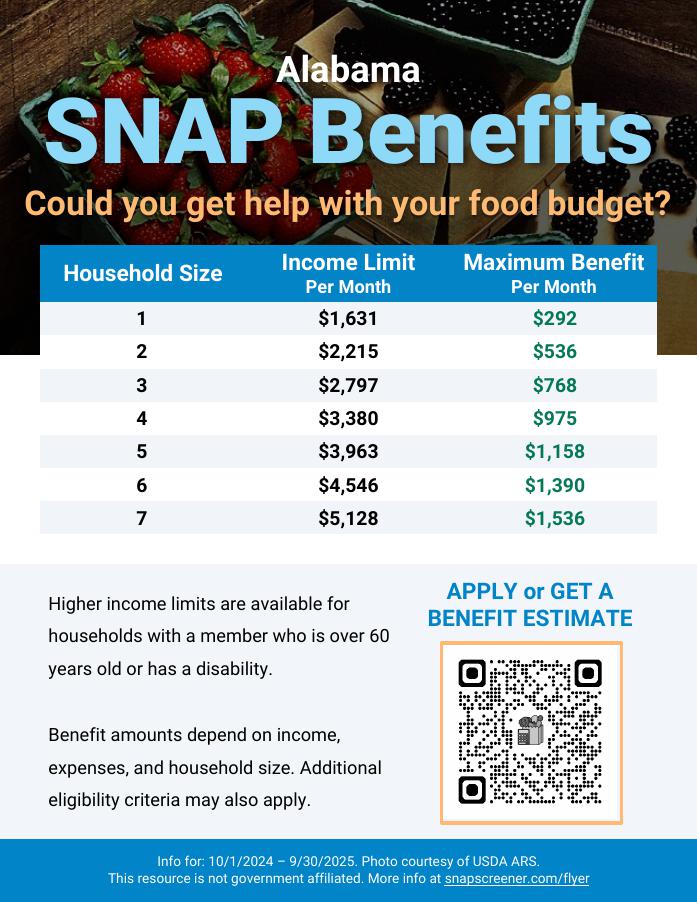
The maximum allowable income to qualify for SNAP varies with household size. For example, a single individual will have a different income threshold than a family of four. It’s essential to check the most current income eligibility standards published by the Alabama Department of Human Resources to accurately assess your situation. These guidelines are updated periodically.
Household Size
The number of people in your household is a significant factor in determining both eligibility and the amount of benefits you may receive. A household is generally defined as a group of people who live together and purchase and prepare meals together. This includes children, adults, and elderly individuals.
Asset Limits
In addition to income, SNAP also has limits on the value of certain assets a household can own. These assets typically include:
- Liquid Assets: This category includes cash on hand, checking accounts, savings accounts, and stocks or bonds.
- Non-Liquid Assets: Certain other assets might be considered, but many are excluded, such as the home you live in, one vehicle per adult household member, and retirement accounts.
There are specific exclusions and rules regarding which assets count towards the limit. For instance, households with an elderly or disabled member often have higher or no asset limits. Understanding these nuances is vital for a successful application. The Alabama DHR website provides detailed information on what counts as an asset and the current limits.
Special Circumstances
Certain situations can affect eligibility. These may include:
- Students: Strict rules apply to college students receiving SNAP benefits. Generally, students aged 18-49 enrolled at least half-time in an institution of higher education must meet certain work requirements or be participating in a work-study program to be eligible.
- Able-Bodied Adults Without Dependents (ABAWDs): ABAWDs may be subject to work requirements and time limits on receiving SNAP benefits unless they meet specific exemptions.
- Immigration Status: Not all non-citizens are eligible for SNAP. Eligibility often depends on immigration status and how long an individual has been a lawful permanent resident.
It is always best to consult the official Alabama DHR guidelines or contact them directly for the most accurate and up-to-date information regarding these special circumstances.
The Application Process: Step-by-Step
Applying for SNAP in Alabama involves several key steps, designed to collect the necessary information to determine your eligibility. The primary method of application is through the Alabama Department of Human Resources.
Online Application
The most convenient way to apply for SNAP benefits is often through the official Alabama DHR website. Many states offer an online portal where you can:
- Create an Account: You will likely need to register for an account to access the application system.
- Complete the Application Form: The online application will ask for detailed information about your household, including personal details, income, expenses, assets, and household composition. Be prepared to provide accurate information for all household members.
- Upload Documents: You may be prompted to upload supporting documents electronically.
- Submit the Application: Once completed, you can submit the application through the portal.
The online system is designed to guide you through the process, but if you encounter any difficulties, customer support or local DHR offices are available to assist.
Paper Application
If you prefer or require a paper application, you can typically:
- Download the Form: Applications can usually be downloaded from the Alabama DHR website.
- Pick Up a Form: Visit your local Alabama Department of Human Resources office to obtain a physical copy of the application.
- Complete and Submit: Fill out the form completely and legibly. You can then mail it back to the DHR office, drop it off in person, or sometimes fax it.
Regardless of the method chosen, accuracy and completeness are paramount to avoid delays in processing your application.
Required Documentation
When applying for SNAP in Alabama, you will need to provide various documents to verify the information provided on your application. Common documentation includes:
- Proof of Identity: A driver’s license, state-issued ID, or passport for all adult household members.
- Proof of Residence: A utility bill, lease agreement, or mortgage statement showing your current address.
- Proof of Income: Pay stubs, employer statements, unemployment benefit statements, Social Security award letters, or any other documents showing income for all household members. For self-employed individuals, this may include tax returns or business ledgers.
- Proof of Expenses: Receipts or statements for certain deductible expenses, such as rent/mortgage payments, utility bills, child care costs, and medical expenses for elderly or disabled individuals.
- Proof of Assets: Bank statements for checking and savings accounts, stock certificates, or other documentation for assets that count towards the asset limit.
- Social Security Numbers: Social Security cards for all household members.
- Citizenship or Immigration Status: Birth certificates, passports, or immigration papers for all household members.
It is advisable to gather these documents before starting your application to ensure a smooth and efficient process. The Alabama DHR will specify the exact documents required, and incomplete documentation is a common reason for application delays.
After You Apply: What to Expect
Once your SNAP application has been submitted, there is a review and decision process that you will need to be aware of. The Alabama Department of Human Resources aims to process applications within a specific timeframe to ensure timely assistance.
Processing Timeframes
- Standard Processing: In most cases, SNAP applications in Alabama are processed within 30 days from the date the application is received.
- Expedited Processing: If your household has very little or no income and meets certain criteria, you may qualify for expedited processing, which can result in a decision within 7 days. This is typically for households facing immediate food insecurity.
The Interview
For most applications, an interview will be required. This interview is typically conducted by a case worker at the Alabama Department of Human Resources.
- Purpose: The interview serves to verify the information provided on your application, clarify any discrepancies, and ensure you understand the SNAP program rules.
- Format: Interviews can often be conducted by phone, in person at a local DHR office, or sometimes through video conferencing. The Alabama DHR will notify you of the scheduled interview and the preferred method.
- Preparation: Be prepared to discuss your household’s financial situation, your living arrangements, and any other relevant details. Bring any additional documentation that the case worker may request.
Benefit Issuance
If your application is approved, you will receive an official notice detailing your eligibility and the amount of benefits you will receive.
- EBT Card: SNAP benefits are issued electronically through an Electronic Benefit Transfer (EBT) card, often referred to as an Alabama EBT card or a “clover card.” This card functions much like a debit card and can be used at authorized retailers.
- Benefit Amount: The amount of benefits you receive is calculated based on your household’s net income, size, and allowable expenses.
- Monthly Issuance: Benefits are typically loaded onto your EBT card each month on a specific schedule.
Re-certification
SNAP benefits are not permanent. You will need to re-certify your eligibility periodically, usually every 6 or 12 months, depending on your household circumstances. The Alabama Department of Human Resources will send you a re-certification form and instructions on how to complete the process. Timely re-certification is crucial to avoid any interruption in benefits.
Making the Most of Your SNAP Benefits
Once you are approved for SNAP benefits, you can use them to supplement your grocery budget, allowing for more flexibility in your finances. This can be particularly beneficial when exploring the diverse culinary landscape of Alabama, from the Gulf Coast seafood to the barbecue traditions of the interior.
Where to Use Your SNAP Benefits
SNAP benefits can be used at most grocery stores, convenience stores, and farmers’ markets that are authorized to accept them. Look for the SNAP logo or ask a store associate if they accept EBT cards.
- Grocery Stores: Major grocery chains across Alabama accept EBT, making it easy to purchase staple foods.
- Farmers’ Markets: Many farmers’ markets in Alabama participate in SNAP programs, and some offer incentive programs like Double Up Food Bucks, which can extend your purchasing power for fresh produce. This is a fantastic way to explore local agriculture and enjoy seasonal offerings.
- Online Purchasing: In some areas, SNAP benefits can be used for online grocery orders for pickup or delivery, offering added convenience. Check with the Alabama Department of Human Resources or your EBT provider for participating retailers.
What You Can and Cannot Buy
SNAP benefits are intended to help you purchase nutritious food. Generally, you can buy:
- Fruits and vegetables
- Meats, poultry, and fish
- Dairy products
- Bread and cereals
- Other foods for home consumption
Items that cannot be purchased with SNAP benefits include:
- Alcoholic beverages
- Tobacco products
- Non-food items such as cleaning supplies, paper products, and pet food
- Prepared meals or hot foods to eat immediately from a store
- Vitamins and medicines
By understanding these guidelines, you can effectively utilize your SNAP benefits to ensure your household has access to healthy and varied meals.
Resources and Support
If you have questions about the SNAP application process or your benefits, several resources are available to assist you in Alabama.
Alabama Department of Human Resources (DHR)
The Alabama Department of Human Resources is the primary agency responsible for administering the SNAP program in the state.
- Website: The official DHR website is an invaluable resource, providing up-to-date information on eligibility, application procedures, and program policies.
- Local Offices: You can visit or call your local DHR office for personalized assistance. They can help you with applications, provide information about required documents, and answer specific questions about your case.
- Contact Information: Specific phone numbers and office locations can be found on the Alabama DHR website.
SNAP State Hotlines and Websites
Beyond the official state agency, there are often state-specific hotlines or support services dedicated to helping individuals navigate the SNAP application process. These might be run by non-profit organizations or government-funded programs.

Online Resources and Tools
Numerous online tools and resources can help you estimate your potential eligibility or find answers to common questions. While these should not replace official guidance, they can be a helpful starting point. For instance, many states provide online calculators to give a rough idea of income limits.
Applying for food stamps in Alabama is a structured process designed to provide essential food assistance to those in need. By understanding the eligibility requirements, gathering the necessary documentation, and following the steps outlined by the Alabama Department of Human Resources, you can successfully secure benefits that contribute to your household’s well-being and allow you to better enjoy the diverse experiences the state has to offer.
LifeOutOfTheBox is a participant in the Amazon Services LLC Associates Program, an affiliate advertising program designed to provide a means for sites to earn advertising fees by advertising and linking to Amazon.com. Amazon, the Amazon logo, AmazonSupply, and the AmazonSupply logo are trademarks of Amazon.com, Inc. or its affiliates. As an Amazon Associate we earn affiliate commissions from qualifying purchases.