
Pursuing a career as a pharmacy technician in Texas offers a stable and rewarding path within the healthcare industry. These vital professionals work under the direct supervision of licensed pharmacists, assisting with a variety of tasks that ensure the smooth operation of pharmacies and the safe dispensing of medications. From managing inventory and processing prescriptions to interacting with patients and insurance providers, pharmacy technicians play an indispensable role. Understanding the specific requirements and steps involved in becoming a pharmacy technician in Texas is crucial for aspiring individuals.
This guide will delve into the educational pathways, certification processes, and licensing procedures mandated by the Texas State Board of Pharmacy. Whether you are a recent high school graduate exploring career options or a seasoned professional looking to transition into this field, this comprehensive overview will equip you with the knowledge needed to embark on your journey.

Understanding the Role and Requirements
A pharmacy technician’s responsibilities are multifaceted, supporting the pharmacist in dispensing prescription medications, managing drug inventory, and handling administrative duties. In Texas, the profession is regulated to ensure competency and patient safety.
Key Responsibilities of a Pharmacy Technician
- Dispensing Medications: Under the supervision of a pharmacist, technicians accurately count, measure, and label prescription medications. This includes preparing both prescription and over-the-counter drugs.
- Prescription Intake and Processing: They receive and verify prescription orders, entering patient information and medication details into pharmacy computer systems.
- Inventory Management: Pharmacy technicians are responsible for ordering, receiving, stocking, and maintaining the pharmacy’s drug inventory. This involves monitoring stock levels, identifying expired medications, and rotating stock appropriately.
- Patient Interaction: While pharmacists provide medication counseling, technicians often handle initial patient inquiries, process insurance claims, and manage co-payments.
- Record Keeping: Accurate record-keeping is paramount. Technicians maintain prescription files, patient profiles, and other relevant documentation.
- Compounding Assistance: In some settings, technicians may assist pharmacists with the preparation of sterile or non-sterile compounds, adhering to strict aseptic techniques.
- Administrative Tasks: This can include answering phones, managing appointment schedules, and maintaining a clean and organized pharmacy environment.
General Eligibility Criteria in Texas
To work as a pharmacy technician in Texas, individuals must meet certain fundamental requirements set forth by the Texas State Board of Pharmacy. These typically include:
- Age: Applicants must be at least 18 years of age.
- Education: A high school diploma or GED is generally required.
- Criminal Background: Candidates must undergo a criminal background check. Certain felony convictions may disqualify an applicant.
- Licensure/Registration: All pharmacy technicians working in Texas must be licensed or registered with the Texas State Board of Pharmacy.
Educational Pathways and Training
Becoming a competent pharmacy technician involves acquiring specialized knowledge and practical skills. Texas offers several recognized pathways to achieve this, ranging from formal educational programs to on-the-job training.
Formal Pharmacy Technician Programs
Enrolling in a formal pharmacy technician program provides a structured curriculum covering essential topics. These programs are often found at:
- Community Colleges: Many community colleges offer certificate or associate’s degree programs in pharmacy technology. These programs typically last one to two years and provide comprehensive classroom instruction and hands-on laboratory experience.
- Vocational Schools and Technical Colleges: These institutions specialize in career-focused training and often have shorter, intensive certificate programs designed to prepare students for certification exams.
- Online Programs: For individuals seeking flexibility, accredited online pharmacy technician programs are available. These programs offer the same curriculum as traditional programs but allow students to study at their own pace and location. It is crucial to ensure that any online program is accredited and recognized by the Texas State Board of Pharmacy.
The curriculum in these programs typically includes:
- Pharmacy Law and Ethics: Understanding the legal and ethical responsibilities of pharmacy technicians.
- Pharmacology: Learning about drug classifications, their uses, dosages, and side effects.
- Drug Compounding: Principles and techniques for preparing medications.
- Pharmacy Calculations: Mastering the mathematical skills needed for dosage calculations and conversions.
- Pharmacy Operations: Managing inventory, insurance billing, and pharmacy workflow.
- Medical Terminology: Familiarity with medical terms used in prescriptions and patient records.
On-the-Job Training
In some cases, individuals may gain the necessary experience through on-the-job training. This typically involves working in a pharmacy under the direct supervision of a licensed pharmacist who provides guidance and instruction. While this can be a viable route, it often requires a commitment from the employer to provide thorough training and may necessitate eventual certification to meet Texas State Board of Pharmacy requirements. Many employers prefer candidates who have completed formal training or are already certified.
Internship or Externship Opportunities
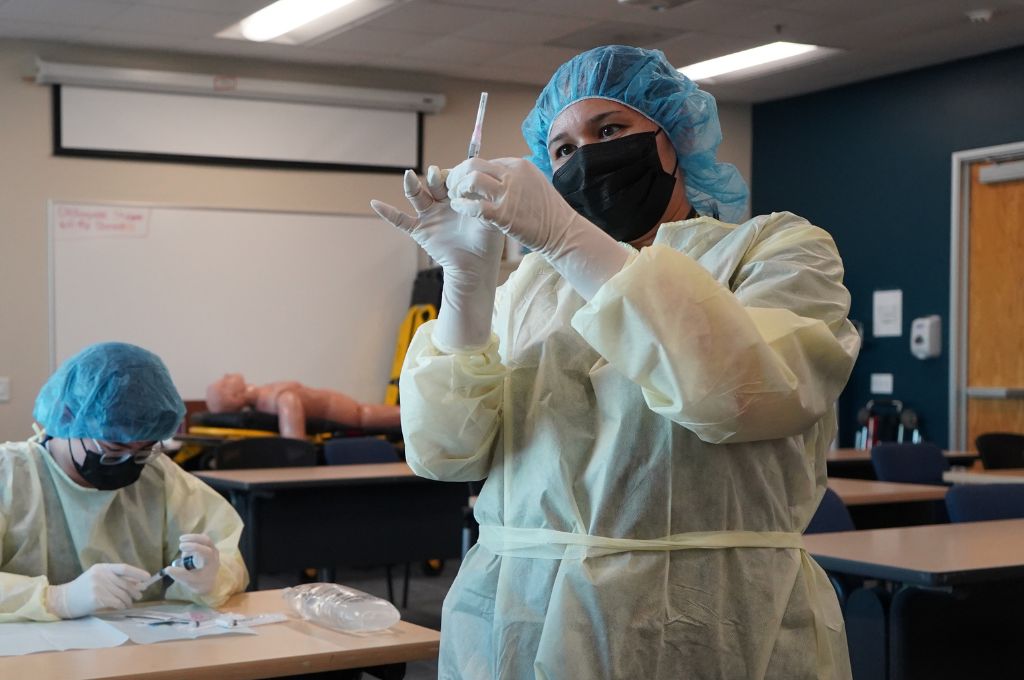
Many formal pharmacy technician programs include an internship or externship component. This hands-on experience in a real pharmacy setting is invaluable for applying theoretical knowledge, developing practical skills, and networking within the profession. Students gain exposure to daily operations, patient interactions, and the broader healthcare environment.
Certification and Licensure in Texas
To legally practice as a pharmacy technician in Texas, individuals must obtain licensure from the Texas State Board of Pharmacy. This process typically involves meeting educational/training requirements, passing a certification exam, and completing the official application.
The Role of Certification Exams
While Texas requires licensure, obtaining national certification is a highly recommended, and often preferred, step. The most widely recognized certifications are offered by:
- The Pharmacy Technician Certification Board (PTCB): The PTCB offers the Certified Pharmacy Technician (CPhT) credential. The PTCB exam covers a broad range of topics, including medication preparation and dispensing, pharmacy law and ethics, quality assurance, and inventory management. To be eligible for the PTCB exam, candidates must meet specific educational and work experience requirements, which may include having a high school diploma or GED, completing an accredited pharmacy technician program, and/or having a certain amount of work experience.
- The National Healthcareer Association (NHA): The NHA offers the Exam for the Certification of Pharmacy Technicians (ExCPT). Similar to the PTCB exam, the ExCPT assesses a candidate’s knowledge and skills in various aspects of pharmacy practice.
Passing one of these certification exams demonstrates a standardized level of competency and is often a prerequisite for obtaining licensure in Texas.
Obtaining a Texas Pharmacy Technician License
The Texas State Board of Pharmacy (TSBP) oversees the licensing of pharmacy technicians in the state. The process generally involves the following steps:
- Meet Eligibility Requirements: As mentioned earlier, this includes being at least 18 years old, possessing a high school diploma or GED, and not having disqualifying criminal convictions.
- Complete Application: An official application form must be submitted to the TSBP, along with the required application fee. The application will require personal information, educational background, and employment history.
- Background Check: Applicants must consent to and complete a criminal background check, which typically involves fingerprinting.
- Pass Certification Exam: The TSBP usually requires applicants to have passed a PTCB or NHA certification exam. Proof of certification must be submitted with the application.
- Verification of Training/Education: Depending on the specific requirements at the time of application, you may need to provide documentation of your formal education or approved on-the-job training.
- License Issuance: Once all requirements are met and approved by the TSBP, a pharmacy technician license will be issued.
It is essential to consult the official Texas State Board of Pharmacy website for the most current and detailed information regarding application procedures, fees, and specific requirements, as these can be subject to change.
Maintaining Your License and Continuing Education
Obtaining a pharmacy technician license is not the end of the journey; it requires ongoing commitment to professional development and adherence to regulatory standards.
License Renewal
Pharmacy technician licenses in Texas are typically valid for a specific period, usually two years, and must be renewed periodically. The renewal process involves submitting a renewal application, paying the required fee, and demonstrating compliance with continuing education requirements. Failure to renew a license by its expiration date can result in penalties, and the technician may be unable to practice legally until the license is reinstated.
Continuing Education (CE) Requirements
To ensure that pharmacy technicians remain knowledgeable about the latest advancements in pharmaceuticals, pharmacy practices, and relevant laws, the Texas State Board of Pharmacy mandates continuing education. Licensed pharmacy technicians are required to complete a specified number of continuing education hours within each licensing cycle. These CE courses must be approved by the Accreditation Council for Pharmacy Education (ACPE) or recognized by the TSBP. Common CE topics include:
- Medication Safety: Understanding and preventing medication errors.
- Drug Interactions: Identifying potential interactions between different medications.
- New Drug Therapies: Keeping up-to-date with the latest pharmaceutical developments.
- Pharmacy Law and Ethics Updates: Learning about changes in regulations and ethical guidelines.
- Sterile and Non-Sterile Compounding: Advanced techniques and best practices.
It is the responsibility of the pharmacy technician to track their CE credits and provide proof of completion when renewing their license. Keeping accurate records of completed CE courses is crucial.

Staying Informed
The field of pharmacy is constantly evolving. Pharmacy technicians are encouraged to stay informed about industry trends, new technologies, and changes in pharmaceutical care. This can be achieved through:
- Professional Organizations: Joining organizations like the Texas Association of Pharmacy Technicians (TAPT) provides access to resources, networking opportunities, and continuing education.
- Industry Publications: Reading journals and trade publications relevant to pharmacy practice.
- Conferences and Workshops: Attending professional development events.
By diligently following these steps and maintaining a commitment to lifelong learning, individuals can successfully become and thrive as pharmacy technicians in Texas, contributing significantly to the health and well-being of the communities they serve.
LifeOutOfTheBox is a participant in the Amazon Services LLC Associates Program, an affiliate advertising program designed to provide a means for sites to earn advertising fees by advertising and linking to Amazon.com. Amazon, the Amazon logo, AmazonSupply, and the AmazonSupply logo are trademarks of Amazon.com, Inc. or its affiliates. As an Amazon Associate we earn affiliate commissions from qualifying purchases.