
Checking for bed bugs is one of the most critical rituals you can perform when arriving at any lodging, from a budget motel in Los Angeles to a five-star suite at the Ritz-Carlton. These resilient pests do not care about the cleanliness or price point of a property; they hitchhike in luggage and thrive wherever humans sleep. Knowing how to systematically inspect your temporary home ensures that your journey remains relaxing rather than plagued by itchy bites and the nightmare of bringing an infestation back to your own house.

The Golden Rule: Keep Your Luggage Elevated
Before you even touch the bed or pull back a single sheet, you must manage your belongings. This is the single most important preventative step in any accommodation.
Why the Floor Is Enemy Number One
When you first enter your room, the temptation to drop your suitcases right by the door or next to the bed is strong. Resist this urge entirely. Bed bugs frequently crawl along carpets, baseboards, and luggage racks if the previous guest left them behind.
- Use the luggage rack: Always place your bags on a metal or hard-plastic luggage rack, ideally positioned far away from the bed and upholstered furniture. Make sure the rack itself has been inspected for cracks where bugs might hide.
- The bathtub strategy: If the room does not feature a reliable luggage rack, place your suitcases inside the bathtub or shower stall. Bed bugs cannot climb the smooth, slick porcelain or fiberglass surfaces, rendering your belongings entirely safe while you perform your inspection.
- Zip it shut: Keep your suitcases zipped and closed whenever you are not actively retrieving items. Never leave clothing draped over chairs, couches, or the floor during your stay.
Step-by-Step Bed Inspection Protocol
Once your luggage is safely secured, it is time to investigate the bed itself. You will need a bright light source—the flashlight on your smartphone works perfectly—and a credit card or similar rigid card if you wish to probe tight seams.
Stripping the Linens Back
Do not assume that crisp, white sheets mean the room is safe. Housekeeping changes the sheets between guests, but they rarely inspect the mattress internals during a standard turnover.
- Pull back the comforter and top sheets: Remove all decorative pillows, throws, and heavy blankets, placing them on a clean chair or table rather than the floor.
- Expose the mattress corners: Carefully lift the fitted sheet to reveal the corner seams and the piping of the mattress. This is the primary nesting ground for bed bugs and their eggs.
- Inspect the headboard: If the bed features a wooden, upholstered, or wall-mounted headboard, shine your light behind and along the edges. Bed bugs love dark, narrow crevices, and headboards offer plenty of hiding spots within biting distance of the sleeper.
What Are You Actually Looking For?
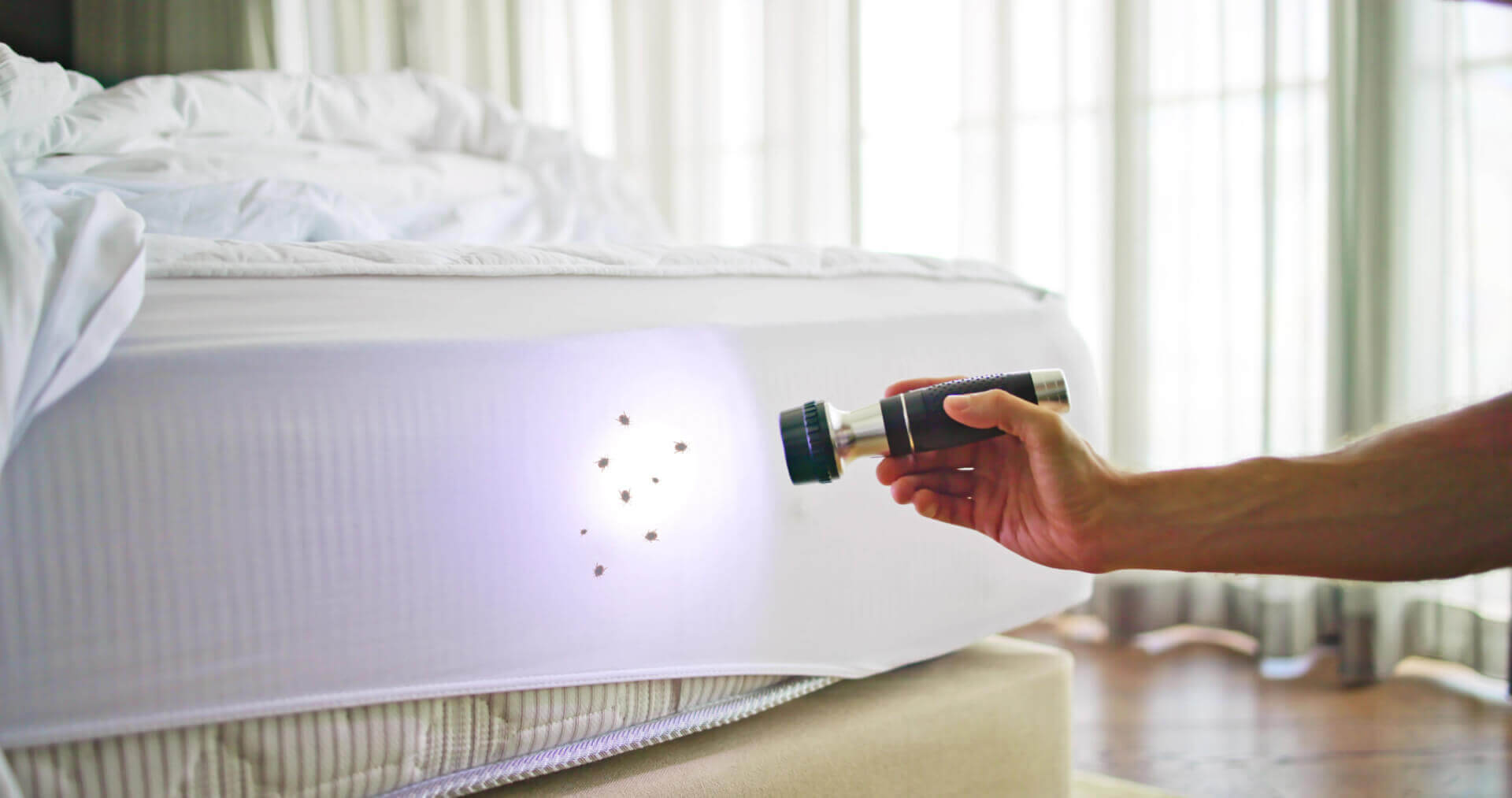
Many travelers mistakenly believe bed bugs are too small to see, but adult bugs are roughly the size of an apple seed—about 4 to 5 millimeters long.
- Live bugs: Look for reddish-brown, oval-shaped insects crawling slowly along seams. They may be smaller and translucent if they are nymphs, or darker if they have recently fed.
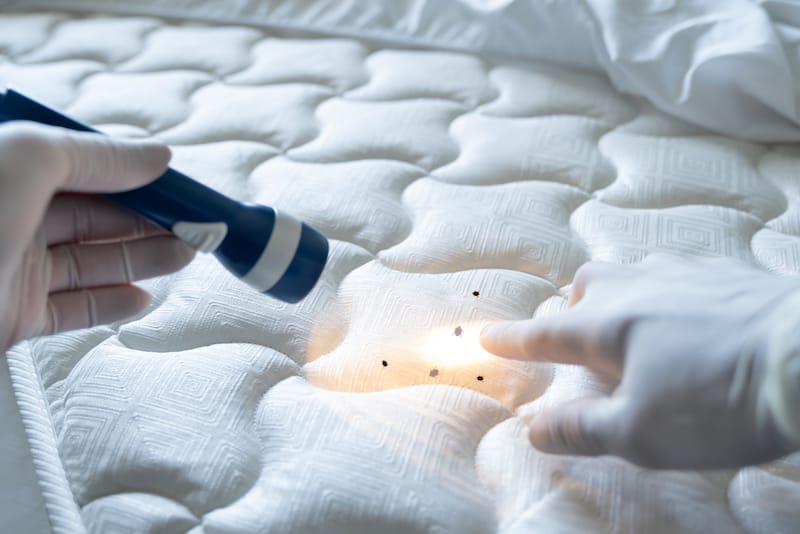
- Fecal spots: These look like small dark ink dots or stains left by a marker. They often bleed slightly into the fabric. Check the mattress tags, box springs, and wooden bed frame joints for these smudges.
- Shed skins: As bed bugs grow, they molt. Finding pale, hollow exoskeletons in the creases of the mattress is a clear sign of a current or recent infestation.
- Tiny white eggs: Bed bug eggs are pearl-colored, sticky, and about the size of a pinhead. They are usually tucked deep into fabric folds, making them harder to spot without close scrutiny.
Expanding the Search Beyond the Mattress
While the bed is the most common hotspot, it is not the only place these pests can hide. A thorough room check involves scanning the surrounding furniture and fixtures before you truly unpack at destinations like New York City or Paris.
Upholstered Furniture and Curtains
Bed bugs are opportunistic and will happily settle into any fabric-covered surface where humans sit or lounge for extended periods.
- Armchairs and sofas: Flip cushions over, inspect the piping, and shine your flashlight into the crevices underneath the furniture.
- The box spring: Lift the dust ruffle or look at the underside of the box spring. Many modern hotels have replaced fabric box springs with solid platform bases, which significantly reduces hiding spots, but traditional box springs require a careful look underneath.
- Curtains and drapes: Check the hems and folds of heavy drapes, especially if they hang near the head of the bed or a seating area.
Nightstands and Wooden Furniture
Because wood provides stable, dark micro-environments, check the drawers and joints of nightstands and desks. Pull out the drawers completely if possible and inspect the tracks and corners. Bed bugs can squeeze into screw holes, wood joints, and the gap between wallpaper and the wall.
What to Do If You Find Evidence of Bed Bugs
Discovering signs of an infestation can be stressful, but handling the situation calmly and correctly protects both your health and your peace of mind.
Immediate Action Plan
- Do not panic or touch them: Avoid trying to squash live bugs, as this can release odors or stain linens.
- Document everything: Take clear, well-lit photographs and videos of the bugs, stains, or shed skins you discover.
- Notify management immediately: Go to the front desk, request the general manager, and show them your photographic proof. Remain polite but firm.
- Demand a room change: Ask for another room immediately. Crucially, ensure the new room is not adjacent to, directly above, or directly below the infested room, as bed bugs can travel through wall voids and electrical outlets. A truly safe room should be located on a completely different floor.
- Consider relocating hotels: If the management is dismissive or if multiple rooms show signs of pests—a situation you might encounter when staying at older properties in historic European capitals or budget accommodations globally—it is best to check out entirely, request a full refund, and book a stay at a more reputable establishment like the Fairmont Hotel.
By making this five-minute inspection a standard part of your travel routine, you can explore the world with confidence and ensure your homecoming involves fond memories rather than uninvited guests.
LifeOutOfTheBox is a participant in the Amazon Services LLC Associates Program, an affiliate advertising program designed to provide a means for sites to earn advertising fees by advertising and linking to Amazon.com. Amazon, the Amazon logo, AmazonSupply, and the AmazonSupply logo are trademarks of Amazon.com, Inc. or its affiliates. As an Amazon Associate we earn affiliate commissions from qualifying purchases.