
In the vibrant tapestry of global travel and culinary exploration, few dishes encapsulate a sense of place and tradition quite like the legendary Boston Butt. While its name might evoke images of the historic Massachusetts capital, this cut of pork shoulder is, in fact, a cornerstone of American barbecue, particularly revered across the Southern United States. For the discerning traveler, food enthusiast, or anyone looking to infuse their lifestyle with rich culinary experiences, mastering the art of cooking a Boston Butt isn’t just about preparing a meal; it’s about embarking on a journey into local culture, regional flavors, and the communal joy of slow-cooked perfection.
Imagine planning your next adventure, perhaps a road trip through the smoky barbecue trails of Texas or the Carolinas. While sampling the authentic flavors from renowned pitmasters is an undeniable highlight, there’s a unique satisfaction in bringing those traditions into your own kitchen, or even the fully-equipped kitchen of a charming vacation villa or boutique apartment you’ve booked for an extended stay. This article delves into not just how to cook a Boston Butt, but how this culinary endeavor intertwines with travel, tourism, and a rich lifestyle, offering a comprehensive guide from preparation to pairing, ensuring your gastronomic journey is as fulfilling as your travels.
Unraveling the Mystery: The Boston Butt’s Culinary Journey
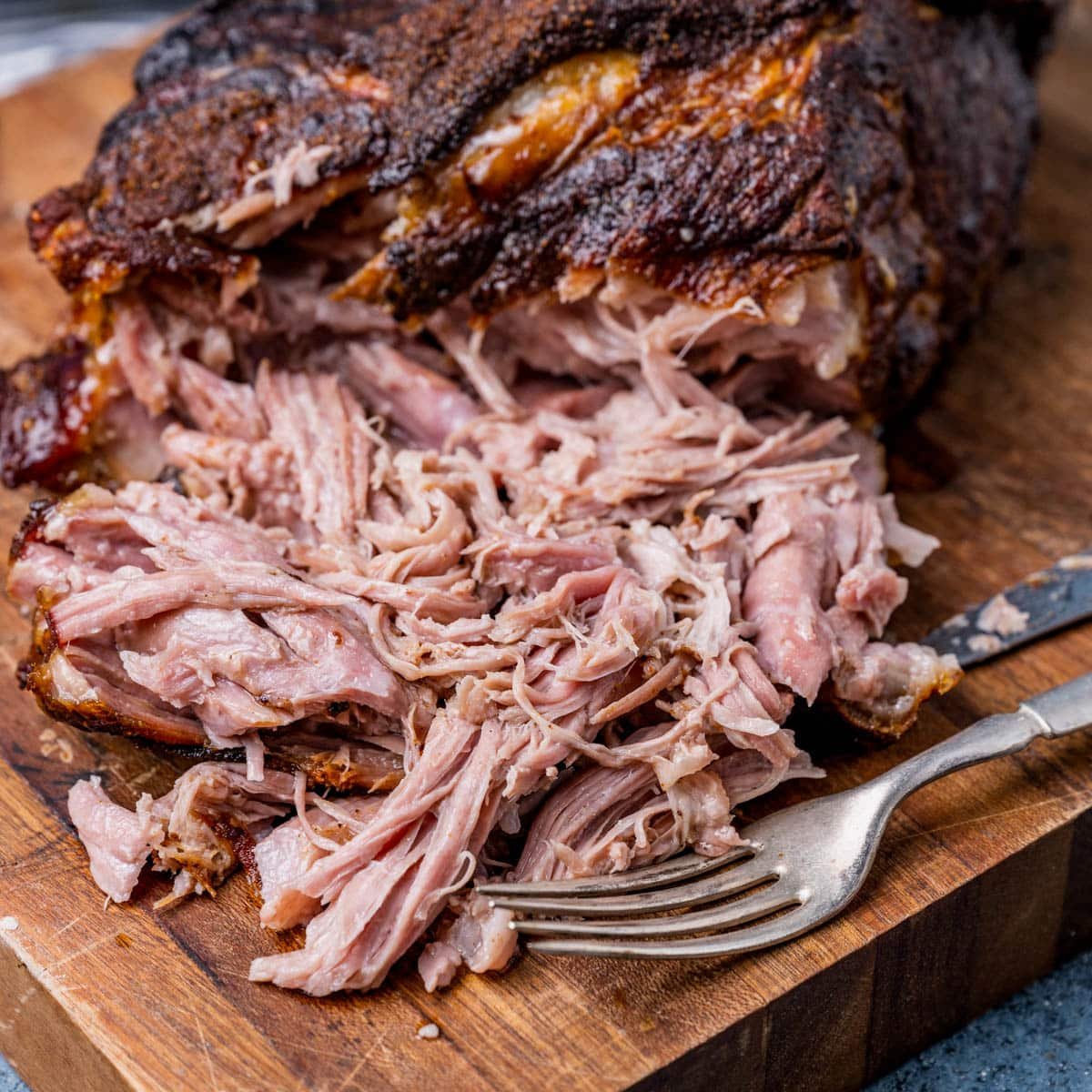
The story of the Boston Butt begins not in Boston’s bustling harbor, but often with colonial butchers who packed less-prized cuts of pork, including the shoulder, into barrels known as “butts” for storage and transport. Over time, this nomenclature stuck, distinguishing it from other cuts. Today, the Boston Butt refers to a specific cut from the upper part of the pork shoulder, including the blade bone, known for its marbled fat and connective tissue, which, when cooked low and slow, renders into exceptionally tender, juicy, and flavorful meat. It’s the quintessential cut for pulled pork, a dish that defines comfort food and culinary tourism in the USA.
For travelers seeking authentic cultural immersion, understanding the Boston Butt is key to appreciating American barbecue. It’s more than just food; it’s a social event, a regional identifier, and a testament to patience and technique. From the smoky shacks of Memphis to the vinegar-based traditions of North Carolina, the pulled pork derived from a Boston Butt is a canvas for diverse flavors and preparations, each telling a story of its locale.
The Allure of American Barbecue: A Traveler’s Quest
Exploring the diverse landscape of American barbecue is a pilgrimage for many food enthusiasts. Each region boasts its own distinctive style, often centered around how the Boston Butt is prepared and served.
- Carolina BBQ: Known for its “whole hog” tradition, but pulled pork (often from the Boston Butt) is a staple. In Eastern North Carolina, you’ll find a vinegar and red pepper flake sauce, while Western North Carolina (or Lexington style) favors a tomato and vinegar base. The tender, shredded meat, often served simply on a bun with coleslaw, is a taste of genuine Southern hospitality.
- Kansas City BBQ: This style is characterized by its thick, sweet, and tangy tomato-based sauces. While they barbecue everything from ribs to brisket, pulled pork is a popular choice, often slathered in their signature sauce. Visiting a Kansas City BBQ joint is a full sensory experience, where the aroma of smoke hangs heavy in the air.
- Texas BBQ: While brisket reigns supreme in Texas, particularly in Central Texas where dry rub and oak wood smoke are paramount, pulled pork still holds its own, especially in family-style gatherings and catering. The emphasis is often on the quality of the meat and the smoky crust, known as “bark.”
- Memphis BBQ: Famous for both “wet” (sauced) and “dry” (rubbed) ribs, Memphis also offers fantastic pulled pork sandwiches, often topped with coleslaw, capturing the vibrant culinary spirit of the Mississippi River city.
For the traveler, seeking out these regional variations is a journey in itself, often leading to hidden gems, local diners, and bustling food festivals that are central to the tourism experience. These destinations offer more than just a meal; they provide a window into the soul of American culture.
Mastering the Art: Cooking Your Boston Butt at Home (or on Vacation)
While the romance of a barbecue trail is undeniable, recreating the magic of a perfectly cooked Boston Butt in your own kitchen or a rented apartment suite can be an incredibly rewarding experience. It’s a culinary adventure that allows you to experiment with flavors, techniques, and even share a piece of Southern tradition with friends and family, whether you’re at home or enjoying a long-term stay in a destination city that offers fantastic local produce.
Essential Equipment and Ingredients for the Discerning Cook
To embark on your Boston Butt journey, a few key items and ingredients are paramount. The beauty of this dish is its simplicity, making it accessible even in less-equipped vacation rentals.
Equipment:
- Smoker (Optional but Recommended): For the authentic experience, a smoker (offset, pellet, or electric) provides that deep, smoky flavor. If you’re staying in a luxury villa or a resort with outdoor cooking facilities, this is the ideal choice.
- Oven: A conventional oven can produce excellent results too, especially when combined with liquid smoke or a good rub. This is the most common and versatile option, perfect for any hotel suite with a kitchen or a standard home.
- Slow Cooker / Instant Pot: For ultimate convenience, especially for travelers staying in accommodations with limited cooking setups (like an apartment hotel), these appliances can transform a tough cut into fall-apart tender pork with minimal fuss.
- Meat Thermometer: Crucial for ensuring the pork reaches the correct internal temperature for both safety and tenderness (around 195-205°F or 90-96°C for pulled pork).
- Large Roasting Pan / Aluminum Foil Pans: Essential for cooking and catching drippings.
- Shredding Claws / Two Forks: For easily pulling the cooked pork apart.
Ingredients:
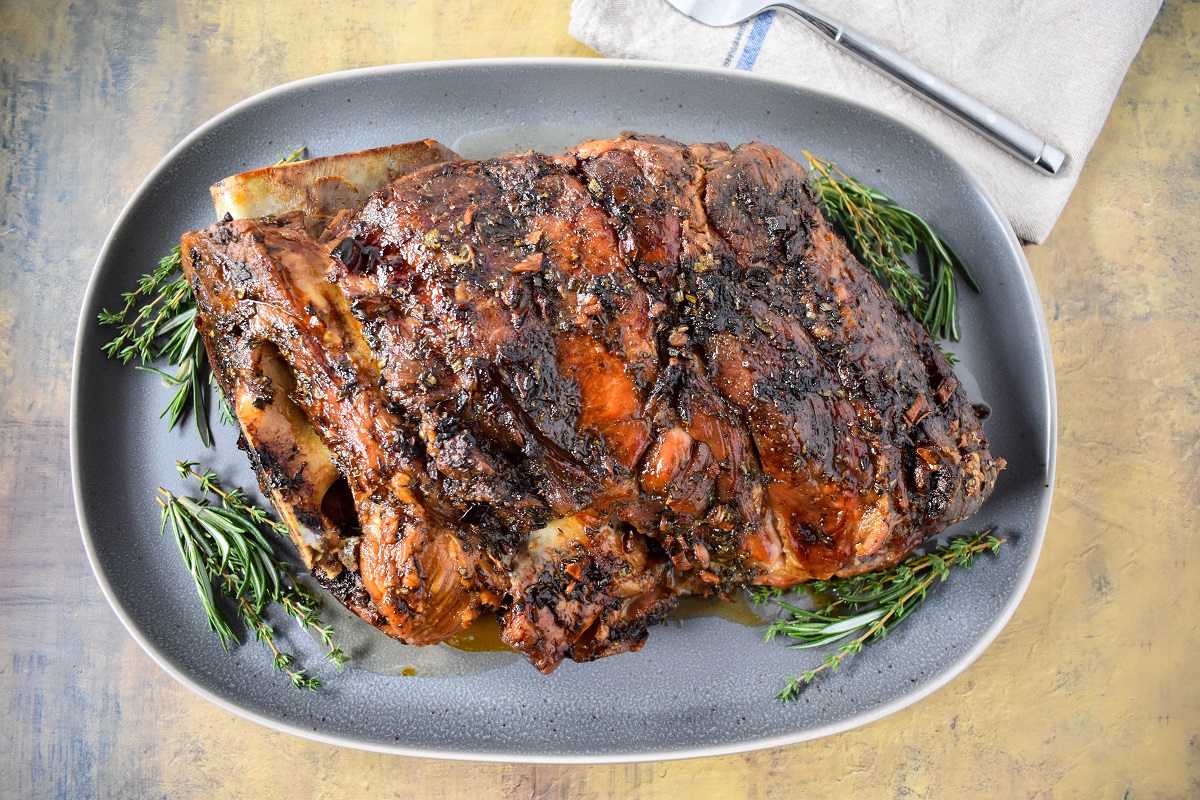
- Boston Butt (Pork Shoulder): Look for a bone-in cut, typically 5-10 pounds. The bone adds flavor and moisture. When traveling, sourcing quality local meat from farmer’s markets or reputable butchers can be an experience in itself, connecting you to the local agricultural scene.
- Dry Rub: This is where personality comes in! A basic rub includes salt, black pepper, brown sugar, paprika (sweet or smoked), garlic powder, onion powder, and a touch of cayenne for heat. Many regions have their secret blends, which can be part of your travel souvenirs.
- Liquid (Optional): Apple cider vinegar, apple juice, or chicken broth can be used for moisture during cooking, especially in an oven or slow cooker.
- BBQ Sauce: Your choice, based on regional preference. Whether you prefer a Kansas City sweet sauce, a Carolina vinegar sauce, or a spicy Texas blend, the sauce is key to the finished flavor profile. Consider exploring local artisanal sauces during your travels.
Techniques for Perfect Pulled Pork: A Global Perspective
The essence of cooking a Boston Butt is “low and slow.” This technique is not unique to barbecue; many cultures around the world have their versions of slow-cooked meats that yield incredible tenderness. Think of Mexican cochinita pibil, Irish stew, or French boeuf bourguignon – all embrace the patience required to transform tough cuts into succulent dishes.
1. Preparation is Key:
- Trim the Fat (Optional): Some prefer to trim excess fat, leaving a quarter-inch layer on top to help keep the meat moist.
- Apply the Rub: Generously coat the entire pork butt with your dry rub. Massage it in thoroughly. For best results, do this 12-24 hours in advance and refrigerate, allowing the flavors to penetrate. This is a great activity to do upon checking into a serviced apartment on your first day.
2. The “Low and Slow” Method:
-
Smoking (The Traditionalist’s Choice):
- Preheat your smoker to 225-275°F (107-135°C). Use wood like apple, hickory, or oak for flavor.
- Place the pork butt fat-side up directly on the grates.
- Smoke for 6-8 hours until an internal temperature of around 150-160°F (65-71°C) is reached, developing a beautiful “bark.”
- The “Stall” and Wrapping: The temperature will typically “stall” around this point. To push through, wrap the butt tightly in butcher paper or aluminum foil. Add a splash of apple cider vinegar or apple juice inside the wrap for moisture.
- Continue cooking until the internal temperature reaches 195-205°F (90-96°C). This can take another 4-8 hours, depending on the size and consistency of the smoker. The total cook time can be 10-16 hours.
- Resting: Crucial for juiciness. Once cooked, let the wrapped pork rest for at least 1-2 hours (or even longer in a cooler) before pulling. This allows the juices to redistribute.
-
Oven Roasting (The Accessible Method):
- Preheat your oven to 275-300°F (135-150°C).
- Place the rubbed pork butt in a deep roasting pan. You can add a cup of apple cider vinegar or broth to the bottom of the pan to create a moist environment.
- Cover tightly with foil.
- Cook for 6-8 hours, or until the internal temperature reaches 195-205°F (90-96°C). The total cook time is similar to smoking.
- For Bark: For the last hour, you can remove the foil to allow the exterior to crisp up.
- Resting: As with smoking, rest the pork for at least an hour before shredding.
-
Slow Cooker (The Hassle-Free Method for Travelers):
- This method is perfect for those staying in hotel rooms with limited kitchen amenities or seeking a convenient meal after a day of sightseeing.
- Place the rubbed pork butt in the slow cooker. Add 1/2 to 1 cup of liquid (apple cider vinegar or broth).
- Cook on low for 8-10 hours or on high for 5-6 hours, until the pork is fork-tender and reaches the target internal temperature.
- You won’t get the bark here, but the tenderness will be superb.
- Resting: A short rest of 30 minutes is usually sufficient.
3. The “Pull”:
- Once rested, use shredding claws or two forks to pull the meat apart. Discard the bone and any large pieces of fat. Mix in some of the pan juices or your favorite barbecue sauce to keep it moist and flavorful.
Beyond the Plate: Integrating Boston Butt into Your Lifestyle and Travel
Cooking a Boston Butt is more than just a culinary task; it’s an experience that can enrich your travel and lifestyle choices. It speaks to a commitment to quality food, shared moments, and an appreciation for cultural traditions.
Experiencing Local Culture Through Food Festivals and Events
For the true food tourist, the Boston Butt is a gateway to numerous cultural events. Throughout the Southern United States, barbecue festivals are major attractions, drawing visitors from all over the world. Events like the Memphis in May World Championship Barbecue Cooking Contest, the American Royal World Series of Barbecue in Kansas City, or countless local county fairs and cook-offs in places like Charleston, Austin, or Birmingham offer immersive experiences.
These festivals provide an unparalleled opportunity to:
- Sample Diverse Styles: Taste various regional preparations of pulled pork and other BBQ staples from competing teams and local vendors.
- Learn from Pitmasters: Observe seasoned chefs and pitmasters at work, gaining insights into their techniques and secrets.
- Engage with Local Communities: Connect with locals, understand their traditions, and experience the lively atmosphere that only a food festival can offer.
- Explore Destinations: Combine your culinary quest with visits to famous landmarks, historical sites, and other attractions in cities like Nashville, Savannah, or New Orleans.
Incorporating these festivals into your travel itinerary transforms a simple vacation into a rich cultural and gastronomic adventure, aligning perfectly with a lifestyle that values authentic experiences.

Pairing Perfection: Complementing Your Culinary Creation
A perfectly cooked Boston Butt, shredded into succulent pulled pork, is a meal in itself, but its enjoyment is elevated by thoughtful pairings. This consideration is part of the “lifestyle” aspect of food appreciation, much like selecting the right wine for a gourmet meal at a luxury resort.
Classic Sides:
- Coleslaw: Creamy or vinegar-based, coleslaw provides a crucial tangy crunch that cuts through the richness of the pork.
- Cornbread: A hearty and slightly sweet accompaniment.
- Baked Beans: Often slow-cooked with molasses and bacon, offering a sweet and savory contrast.
- Macaroni and Cheese: A creamy, comforting side that is universally loved.
- Pickles: Dill or bread-and-butter pickles add a refreshing zest.
Beverage Pairings:
- Craft Beer: A cold lager, a smoky porter, or a crisp IPA can beautifully complement the rich flavors of pulled pork. Exploring local breweries during your travels offers another layer of cultural immersion.
- Bourbon or Whiskey: For a more sophisticated pairing, a smooth Kentucky bourbon or Tennessee whiskey can stand up to the bold flavors.
- Sweet Tea: A quintessential Southern beverage, perfect for a non-alcoholic option.
From the first bite of tender, smoky pork to the last sip of a perfectly paired beverage, the experience of cooking and enjoying a Boston Butt is a journey of the senses. It’s a testament to how food can bridge cultures, create memories, and become an integral part of a well-traveled and richly lived life. Whether you’re savoring it in a five-star restaurant or meticulously preparing it in a cozy Airbnb during your travels, the Boston Butt remains an iconic dish that beckons exploration, both culinary and geographical.
LifeOutOfTheBox is a participant in the Amazon Services LLC Associates Program, an affiliate advertising program designed to provide a means for sites to earn advertising fees by advertising and linking to Amazon.com. Amazon, the Amazon logo, AmazonSupply, and the AmazonSupply logo are trademarks of Amazon.com, Inc. or its affiliates. As an Amazon Associate we earn affiliate commissions from qualifying purchases.