
The New York Strip Roast, a magnificent cut of beef renowned for its tenderness and rich flavor, offers a luxurious culinary experience that can elevate any special occasion. While often associated with fine dining establishments, preparing this impressive roast at home is surprisingly accessible, allowing you to recreate a restaurant-quality meal within the comfort of your own kitchen. This guide delves into the essential steps and considerations for achieving a perfectly cooked [New York Strip Roast], ensuring a succulent and memorable dish.
Understanding the New York Strip Roast
Before embarking on the cooking process, it’s crucial to understand the characteristics of the [New York Strip Roast]. Also known as the strip loin roast, it is derived from the short loin primal cut of the cow. This particular cut is prized for its balance of lean meat and marbling, the intricate flecks of fat that melt during cooking, imparting moisture and a distinct beefy flavor. Unlike more heavily marbled cuts, the strip loin boasts a less intense beefiness, making it a versatile choice that appeals to a wide range of palates. The “roast” designation typically refers to a larger, uncut portion of the strip loin, often weighing several pounds, which is then typically roasted whole before being sliced into individual servings.

Selecting the Right Cut
The quality of your [New York Strip Roast] is paramount to the success of your dish. When selecting a roast, look for a uniform thickness, which ensures even cooking. The exterior should have a vibrant, ruby-red color, indicative of freshness. Pay close attention to the marbling; while not as heavily marbled as a ribeye, the presence of fine, white streaks of fat throughout the muscle is desirable. Aging is another factor that can enhance the flavor and tenderness of the beef. Both “wet-aged” and “dry-aged” roasts offer distinct characteristics. Wet-aging, where beef is vacuum-sealed and aged in its own juices, typically results in a more tender product. Dry-aging, a more traditional process where beef is exposed to air in controlled conditions, develops a more concentrated, nutty, and complex flavor profile, often at a higher price point. For an exceptional experience, consider sourcing your roast from a reputable butcher shop in a city like New York City, known for its exceptional meat purveyors.
Preparing the Roast for Cooking
Proper preparation is key to unlocking the full potential of your [New York Strip Roast]. The first step is to remove the roast from its packaging and allow it to come to room temperature for at least 1 to 2 hours before cooking. This crucial step ensures that the roast cooks more evenly, preventing the exterior from overcooking while the interior remains underdone. Condensation can form on the surface of the beef during refrigeration, so patting the roast thoroughly dry with paper towels is essential. This dry surface promotes better searing, leading to a beautiful, caramelized crust. Seasoning is another vital element. A generous application of kosher salt and freshly ground black pepper is a classic and highly effective combination. Don’t be shy with the salt; it not only enhances the flavor but also helps to draw out moisture and create a crispier crust. You can also incorporate other complementary seasonings, such as garlic powder, onion powder, or your favorite herb blend, depending on your desired flavor profile. For those seeking a more robust aroma and flavor, consider rubbing the roast with a mixture of minced fresh rosemary and thyme.
The Art of Roasting: Achieving Perfect Doneness
Roasting is the most common and effective method for cooking a [New York Strip Roast]. This technique allows for controlled cooking, ensuring the roast develops a flavorful exterior while remaining tender and juicy on the inside. The goal is to achieve your desired level of doneness, whether it’s rare, medium-rare, medium, or well-done.
Roasting Techniques and Temperature Control
The optimal roasting temperature for a [New York Strip Roast] generally falls between 350°F (175°C) and 425°F (220°C). A common approach involves starting at a higher temperature to create a flavorful sear, then reducing the heat to allow the roast to cook through gently. Alternatively, a consistent moderate temperature can also yield excellent results. Regardless of the chosen temperature, using a reliable meat thermometer is non-negotiable. Insert the thermometer into the thickest part of the roast, avoiding any bone or large pockets of fat.
- Rare: 120-125°F (49-52°C)
- Medium-Rare: 130-135°F (54-57°C)
- Medium: 140-145°F (60-63°C)
- Medium-Well: 150-155°F (66-68°C)
- Well-Done: 160°F (71°C) and above
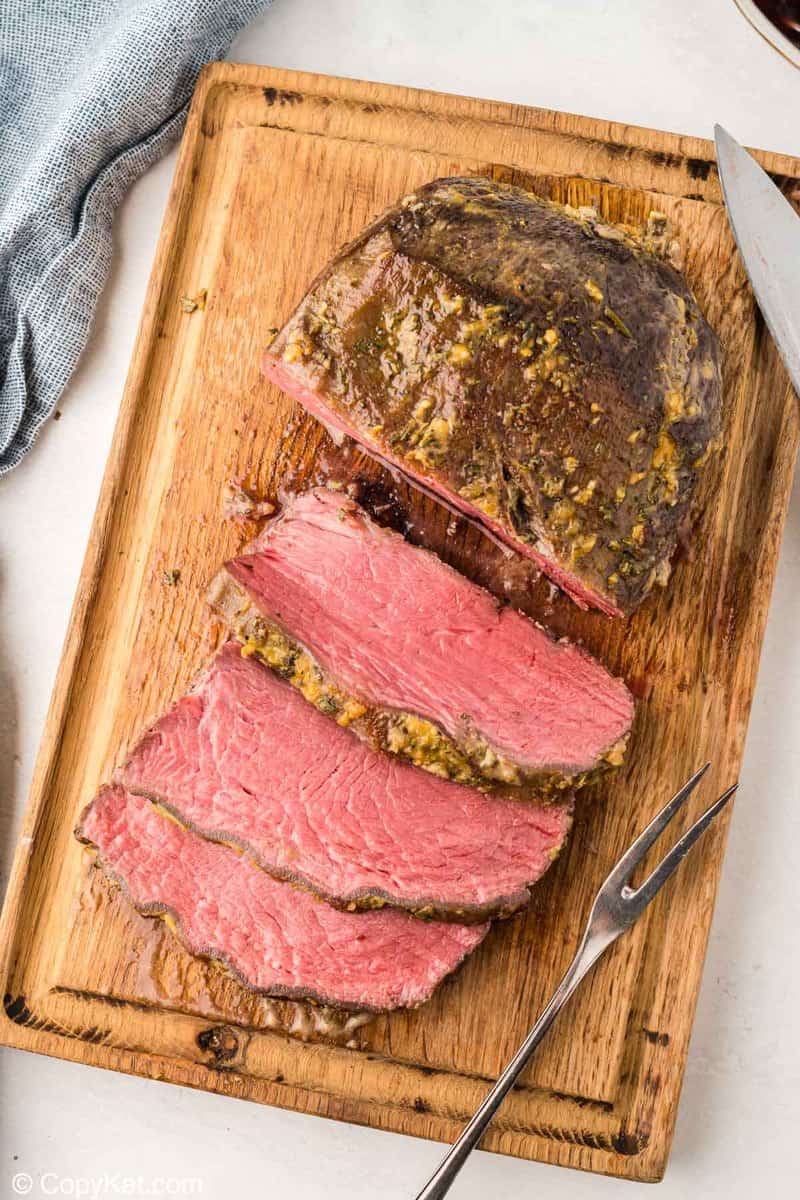
It’s important to note that the internal temperature will continue to rise by 5-10°F (3-5°C) as the roast rests after being removed from the oven. Therefore, it is advisable to pull the roast from the oven when it reaches 5-10°F below your target temperature.
Resting the Roast: The Crucial Final Step
Once the [New York Strip Roast] has reached its desired internal temperature, it is absolutely critical to allow it to rest before slicing. Remove the roast from the oven and place it on a cutting board, loosely tented with aluminum foil. This resting period, typically 15-20 minutes for a roast of this size, allows the juices to redistribute throughout the meat. If you were to slice into the roast immediately after cooking, the internal juices would escape, resulting in a dry and less flavorful steak. This resting phase is as important as the cooking itself in achieving a succulent roast.
Elevating Your Roast: Sauces and Pairings
While a perfectly roasted [New York Strip Roast] is a triumph on its own, a thoughtfully prepared sauce and carefully chosen accompaniments can further enhance the dining experience. These additions can complement the rich beefy flavor and add layers of complexity to your meal.
Classic Sauce Creations
Several sauces pair exceptionally well with the robust flavor of a [New York Strip Roast]. A classic red wine reduction, made by simmering red wine, beef broth, shallots, and herbs like thyme and rosemary, offers a sophisticated and deeply savory accompaniment. For a creamier option, a horseradish cream sauce, combining sour cream or crème fraîche with grated fresh horseradish, lemon juice, and a touch of Dijon mustard, provides a zesty counterpoint to the richness of the beef. A mushroom sauce, featuring sautéed wild mushrooms in a rich beef broth or cream base, is another excellent choice, bringing earthy notes that harmonize beautifully with the roast. For those who prefer a simpler yet impactful sauce, a pan sauce made by deglazing the roasting pan with a splash of Bordeaux wine or beef broth, then whisking in a knob of cold butter, is a quick and effective way to capture the delicious drippings.
Suggested Side Dishes
The accompaniments to your [New York Strip Roast] should complement its flavor and texture without overpowering it. Creamy mashed potatoes, whether classic garlic-infused or enriched with Gruyère cheese, provide a comforting and absorbent base for the roast’s juices. Roasted root vegetables, such as carrots, parsnips, and Brussels sprouts, caramelized to perfection, offer a delightful sweetness and earthy contrast. A simple green salad with a light vinaigrette can provide a refreshing element to balance the richness of the meat. For a more indulgent meal, consider incorporating a classic gratin dauphinois, a creamy potato bake that is a staple in French cuisine. Seasonal asparagus, lightly blanched or roasted, is another elegant side that adds a touch of freshness and vibrant green color to the plate.
Beyond the Roast: Carving and Serving
The final presentation of your [New York Strip Roast] is as important as its preparation. Proper carving ensures that each serving is as tender and appealing as the last.
Mastering the Carving Technique
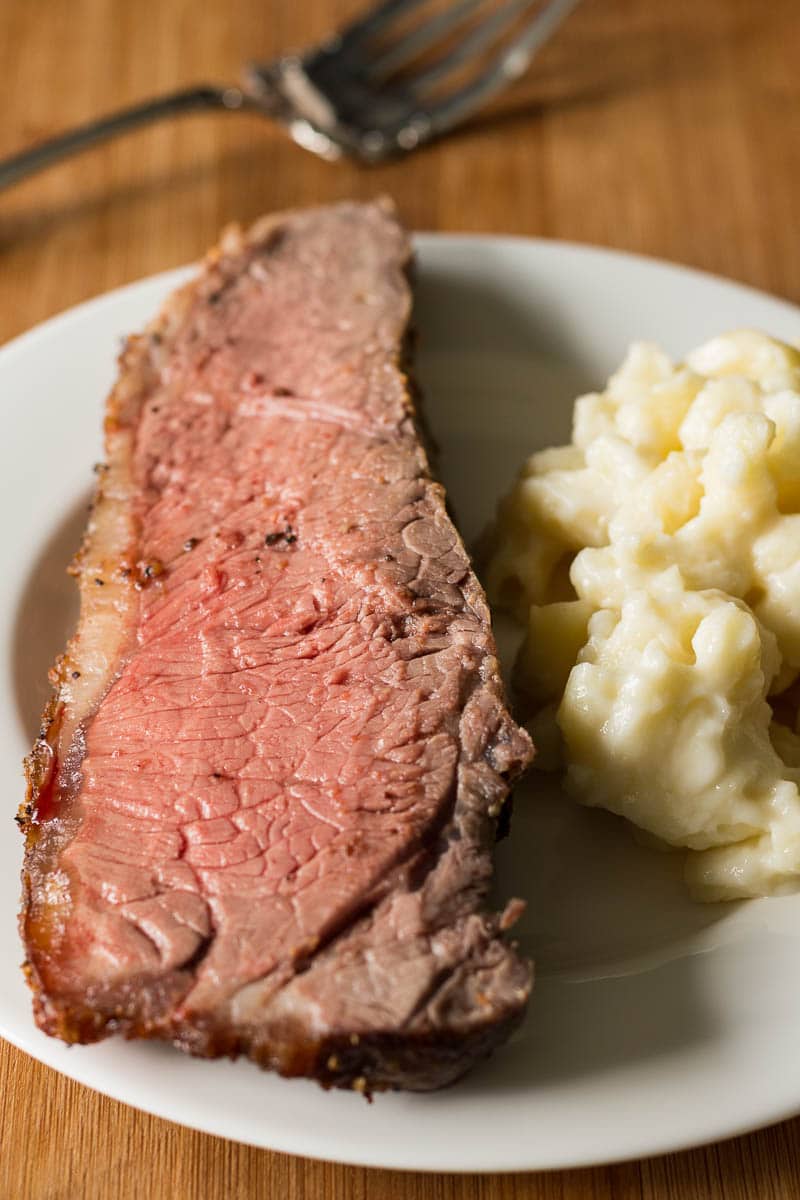
After the roast has rested, place it on a stable cutting board. Using a sharp carving knife, begin by slicing against the grain of the meat. The grain refers to the direction in which the muscle fibers are aligned. Identifying and slicing perpendicular to this direction is key to achieving tenderness in each bite. For a [New York Strip Roast], the grain is typically oriented lengthwise. Start at one end of the roast and make even, deliberate slices. The thickness of your slices is a matter of personal preference, but generally, 1/4 to 1/2 inch thick slices are ideal for showcasing the roast’s texture and juiciness. If you have a particularly large roast, you may need to carve it in stages, ensuring that the remaining portion is kept warm.
Presentation and Enjoyment
Serve the carved slices immediately, fanned out on a warm platter, or plated individually. Drizzle with any reserved pan sauce or spoon your chosen accompaniment alongside. A garnish of fresh herbs, such as parsley or rosemary sprigs, can add a touch of visual appeal. When serving a [New York Strip Roast] for a special occasion, consider the overall dining experience. Pairing it with a robust California Cabernet Sauvignon or a Merlot from the Napa Valley can further elevate the meal. For a celebratory atmosphere, perhaps you’re dining in a grand city like San Francisco or enjoying a quiet evening at a charming countryside inn, the New York Strip Roast promises a culinary journey that is both impressive and deeply satisfying.
LifeOutOfTheBox is a participant in the Amazon Services LLC Associates Program, an affiliate advertising program designed to provide a means for sites to earn advertising fees by advertising and linking to Amazon.com. Amazon, the Amazon logo, AmazonSupply, and the AmazonSupply logo are trademarks of Amazon.com, Inc. or its affiliates. As an Amazon Associate we earn affiliate commissions from qualifying purchases.