
The Texas Two-Step. The phrase conjures images of dusty dance halls, Stetson hats, and the infectious rhythm of country music. But beyond the romanticized notion, what exactly is this iconic dance, and how can one master its signature moves? More than just a dance, the Texas Two-Step is a cultural cornerstone, a social lubricant, and a delightful way to experience the heart of Texas hospitality. This guide will demystify the dance, breaking down its fundamental steps and offering insights into where and how to embrace this cherished tradition.
The Essence of the Texas Two-Step
At its core, the Texas Two-Step is a partner dance characterized by a simple, repetitive six-count pattern. It’s often described as a “traveling” dance, meaning the partners move across the dance floor, covering ground. Its beauty lies in its accessibility; it’s a dance that can be learned relatively quickly, yet offers enough nuance for dancers to develop their own style and flair.
Origins and Evolution
The Texas Two-Step, like much of Texas culture, has roots in a blend of traditions. Its lineage can be traced back to earlier European folk dances, such as the polka and the waltz, which were brought to Texas by various immigrant groups. Over time, these influences merged with the burgeoning country and Western music scene, evolving into the distinct dance form we recognize today. It became a staple in honky-tonks and dance halls across the state, a communal activity that brought people together. From dance halls in Austin to community centers in San Antonio, the Two-Step has remained a vibrant and beloved part of Texas social life.
The Music Connection
The Texas Two-Step is inextricably linked to the music it’s danced to. While it can be adapted to various tempos, it’s most commonly performed to upbeat country and Western swing tunes. The music provides the rhythm, the energy, and the cues for the dancers. A strong beat, often with a prominent bass line, signals the start of each six-count phrase. Understanding the music is as crucial as understanding the steps. Listen to the rhythm, the melody, and the instrumentation. Many Texas musicians, from legendary figures to contemporary artists, have crafted songs that are perfect for a lively Two-Step session.
Mastering the Fundamental Steps
Learning the Texas Two-Step is a journey of rhythm and coordination. The beauty of the dance is its simplicity, allowing beginners to pick it up quickly while offering a foundation for more complex variations.
The Leader’s Role
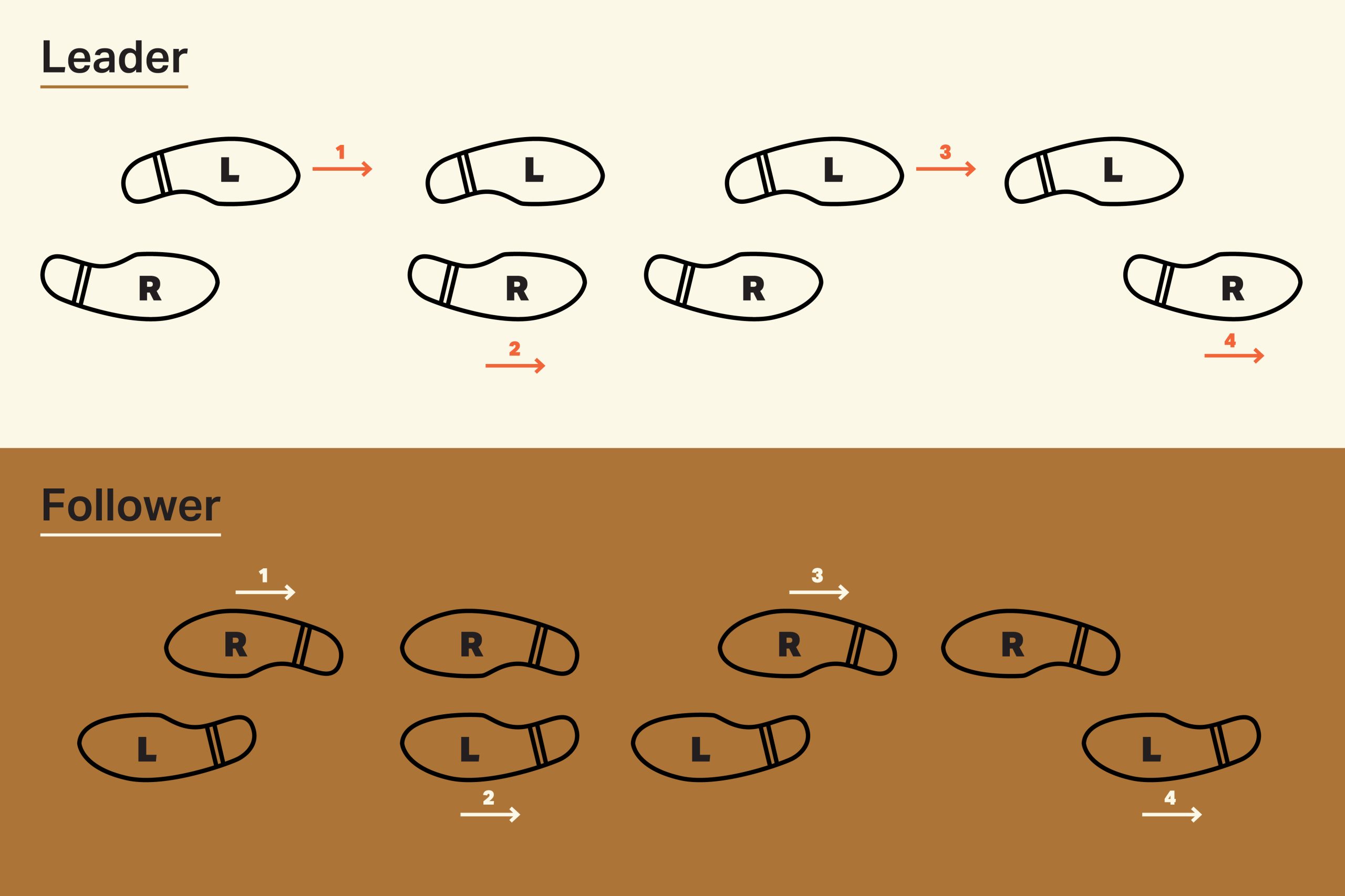
The leader initiates the dance and guides the follower through the steps. The classic Texas Two-Step pattern for the leader involves:
- Step 1 (Count 1): A forward step with the left foot.
- Step 2 (Count 2): A step with the right foot, closing to the left foot.
- Step 3 (Count 3): A small step forward with the left foot, beginning the “quick” or “slide” portion.
- Step 4 (Count “and”): A quick step with the right foot, moving diagonally forward.
- Step 5 (Count 4): A step with the left foot, closing to the right foot.
- Step 6 (Count 5): A step with the right foot, completing the backward movement of the “quick” portion.
- Step 7 (Count 6): A step with the left foot, closing to the right foot.
This sequence is then repeated, with the leader typically stepping backward on counts 1 and 2, and then performing the “quick” steps.
The Follower’s Role
The follower mirrors the leader’s movements, reacting to their lead. The follower’s steps are essentially the inverse of the leader’s:
- Step 1 (Count 1): A backward step with the right foot.
- Step 2 (Count 2): A step with the left foot, closing to the right foot.
- Step 3 (Count 3): A small step backward with the right foot, beginning the “quick” or “slide” portion.
- Step 4 (Count “and”): A quick step with the left foot, moving diagonally backward.
- Step 5 (Count 4): A step with the right foot, closing to the left foot.
- Step 6 (Count 5): A step with the left foot, completing the forward movement of the “quick” portion.
- Step 7 (Count 6): A step with the right foot, closing to the left foot.
The “Quick, Quick, Slow” Rhythm
The heart of the Texas Two-Step’s timing is often described as “quick, quick, slow.” This refers to the pacing of the steps. The first two steps of each phrase are considered “slow” (counts 1 and 2), while the subsequent four steps are executed more rapidly, often feeling like a slide or a quick series of adjustments. The “quick, quick” part of the phrase usually corresponds to counts 3 and “and,” followed by a “slow” step on count 4, and then the final two steps on counts 5 and 6 to complete the pattern.
Finding Your Rhythm
Practice is key. Start slowly, perhaps without music, focusing on the footwork and the connection with your partner. Once comfortable, introduce music with a clear beat. Don’t be discouraged by initial fumbles; it’s part of the learning process. Many dance studios and community centers in Texas offer introductory Texas Two-Step classes, which are invaluable for understanding the mechanics and developing good habits.
Where to Experience the Texas Two-Step
The Texas Two-Step isn’t confined to dance lessons; it’s a living, breathing part of the state’s social fabric. To truly experience it, you need to immerse yourself in the environments where it thrives.
Honky-Tonks and Dance Halls
These are the quintessential venues for the Texas Two-Step. From legendary establishments to local favorites, these halls buzz with energy and tradition.
- Gruene Hall (Gruene, Texas): The oldest continually operating dance hall in Texas, Gruene Hall is an iconic destination. It hosts a variety of musical acts and provides a perfect atmosphere for enjoying a Texas Two-Step. The rustic charm and lively crowds make it an unforgettable experience.
- The Broken Spoke (Austin, Texas): A legendary honky-tonk in Austin, The Broken Spoke offers a true taste of Texas nightlife. With its dance floor, live music, and traditional Texas food, it’s a place where locals and tourists alike can learn and practice the Two-Step.
- Billy Bob’s Texas (Fort Worth, Texas): Dubbed “The World’s Largest Honky Tonk,” Billy Bob’s Texas offers an expansive space for dancing, live concerts, and an authentic Texas experience. It’s a place where you can see Texas Two-Step performed by seasoned dancers and join in yourself.
Local Festivals and Events
Throughout the year, Texas celebrates its culture with numerous festivals and events that often feature live country music and opportunities to dance. Keep an eye on local event listings in cities like Houston, Dallas, and San Antonio for occasions that might include a dance floor and a Texas Two-Step band. These events offer a more casual, community-oriented setting to enjoy the dance.
Dance Studios and Classes
For those who want a structured approach to learning, Texas boasts many dance studios offering Texas Two-Step classes. These are excellent for beginners looking to grasp the fundamental steps and techniques in a supportive environment. Some studios even host social dance nights where students can practice their skills with other dancers. Look for studios in major cities and even smaller towns, as the Texas Two-Step is popular across the state.
Etiquette and Tips for the Dance Floor
Partaking in the Texas Two-Step is about more than just the steps; it’s also about participating in a friendly, communal activity. Understanding the unwritten rules of the dance floor can enhance your experience and make you a welcome addition to any dance.
Asking for a Dance
In traditional dance halls, it’s customary to ask someone to dance.
- For Leaders: Approach someone you wish to dance with, make eye contact, and politely ask, “May I have this dance?” Be prepared for a “no,” and accept it gracefully.
- For Followers: You can signal your interest by making eye contact and nodding, or by waiting to be asked. It’s also perfectly acceptable to ask someone to dance if you feel comfortable.
During the Dance
- Maintain Connection: A good connection with your partner is essential for smooth lead and follow. Keep a comfortable frame with your hands.
- Be Aware of Your Surroundings: As you move around the floor, be mindful of other dancers to avoid collisions.
- Respect Space: Give other couples enough room to dance. Avoid dancing too close to the edges of the dance floor or too close to other couples.
- Vary Your Steps: While the basic pattern is key, experienced dancers often incorporate variations. Don’t be afraid to try a simple turn or a change in tempo once you’re comfortable.
- Enjoy the Music: Remember that dancing is about having fun and connecting with your partner and the music.
After the Dance
- Thank Your Partner: After the dance concludes, thank your partner. A simple “Thank you for the dance” is customary.
- Walk Them Back: As a courtesy, the leader should walk their partner back to their seat or to where they found them.

For Beginners
- Start with Basics: Focus on mastering the fundamental six-count pattern before attempting complex moves.
- Watch Others: Observe experienced dancers on the floor. You can often pick up nuances by watching.
- Don’t Be Afraid to Ask: If you’re unsure about a step or etiquette, politely ask a more experienced dancer or an instructor. Most Texans are happy to share their passion for the dance.
The Texas Two-Step is more than just a dance; it’s an invitation into the warm and welcoming culture of Texas. It’s a chance to connect with others, enjoy lively music, and participate in a tradition that has been passed down through generations. So, whether you find yourself in a bustling Austin honky-tonk or a charming dance hall in the Hill Country, don’t hesitate to step onto the floor and give the Texas Two-Step a try. You might just find yourself falling in love with the rhythm of Texas.
LifeOutOfTheBox is a participant in the Amazon Services LLC Associates Program, an affiliate advertising program designed to provide a means for sites to earn advertising fees by advertising and linking to Amazon.com. Amazon, the Amazon logo, AmazonSupply, and the AmazonSupply logo are trademarks of Amazon.com, Inc. or its affiliates. As an Amazon Associate we earn affiliate commissions from qualifying purchases.