
The presence of bedbugs is one of the most significant concerns for modern travelers, regardless of whether they are staying in a budget-friendly hostel or a five-star suite at The Ritz-Carlton. These resilient pests do not discriminate based on the price of the room or the cleanliness of the establishment. From the historic corridors of London to the neon-lit towers of Las Vegas, bedbugs have become a global hospitality challenge. Understanding how to find bedbugs in hotels is an essential skill for any guest, ensuring that a dream vacation to Paris or a business trip to New York City does not result in an unwanted infestation following you home.

The Arrival Protocol: Protecting Your Belongings Immediately
The moment you step into a hotel room in Chicago or San Francisco, your first instinct might be to collapse onto the bed or unpack your suitcase into the dresser. However, the most effective way to prevent bedbug issues is to maintain a defensive posture until a thorough inspection is complete. Bedbugs are expert hitchhikers, and their primary goal is to find a dark, secure place to hide until they can feed.
The Safe Zone Strategy
Before you begin your inspection, you must secure your luggage. The best place for your suitcases is not the bed or the carpeted floor, but rather the bathroom. Bedbugs are less likely to be found on hard, tiled surfaces like those found in a bathroom in a Marriott or a Hilton. Place your bags in the bathtub or on a tiled floor while you conduct your search. If the bathroom is not an option, use a metal luggage rack, but only after inspecting the rack itself—specifically the webbing where the straps meet the frame. Avoid placing bags on upholstered furniture or wooden luggage stands without a prior check.
Tools for a Successful Inspection
While your naked eye is often sufficient, having a few simple tools can make the process much more effective. Most travelers carry a smartphone, and its built-in flashlight is the single most valuable tool for finding bedbugs. These insects are photophobic, meaning they avoid light, and they prefer to hide in the deepest, darkest crevices of furniture. A bright light helps illuminate the small, translucent eggs or the dark fecal spotting that indicates their presence. Some frequent travelers to major hubs like Tokyo or Dubai even carry a small magnifying glass or a credit card to slide along mattress seams to dislodge any hiding pests.
Step-by-Step Mattress and Bedding Examination
The bed is the epicenter of any infestation. Since bedbugs feed on human blood, they prefer to stay within close proximity to their “host.” When you arrive at a hotel like the Bellagio or The Plaza Hotel, the bedding will likely be pristine and white, which actually makes your job easier.
Pulling Back the Sheets
Start by stripping back the blankets and the top sheets. Do not stop at the first layer; you must reach the bottom fitted sheet and the mattress protector. Focus your attention on the four corners of the bed. Bedbugs are often found huddled near the head of the bed, as this is closest to where a person’s upper body and neck would be located. Look for any unusual marks on the linens. Even if the hotel staff at a Four Seasons Hotel or a Hyatt Regency has recently changed the sheets, traces of a previous infestation may remain on the mattress itself.
Investigating the Mattress Seams
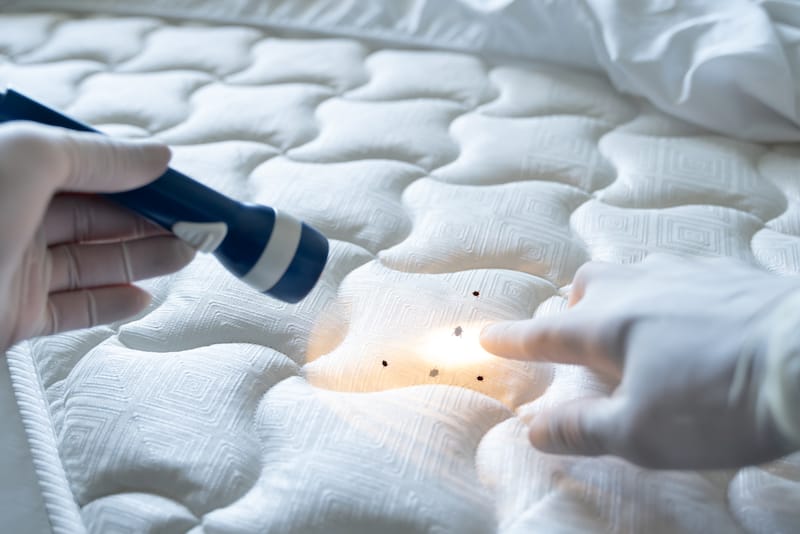
The seams, piping, and zippers of a mattress are the most common hiding spots. Use your flashlight to inspect the entire perimeter of the mattress. You are looking for live bugs, which are roughly the size and shape of an apple seed, though they may appear flatter if they haven’t fed recently. If you are staying at a Sheraton or a Holiday Inn, don’t be afraid to lift the mattress entirely to check the underside and the box spring. The box spring is often overlooked but is a notorious sanctuary for bedbugs due to its hollow structure and many hiding spots within the wooden frame and fabric “dust cover” on the bottom.
The Hidden Dangers of the Headboard
In many modern hotels, such as those found in Los Angeles or Miami, headboards are frequently bolted to the wall rather than the bed frame. This creates a narrow gap between the wood or fabric and the wall itself—a perfect, undisturbed breeding ground. Use your flashlight to peer behind the headboard. If possible, gently pull it away from the wall or slide a thin object like a business card through the gap to see if anything is dislodged. Bedbugs often retreat to these vertical surfaces during the day to avoid detection.
Identifying the Signs: More Than Just the Bug Itself
Finding a live bedbug is definitive proof of an infestation, but it is not the only sign you should look for. In many cases, the bugs themselves are so well-hidden that you will only find the evidence they leave behind. This is true whether you are in a boutique villa in Italy or a high-rise apartment in Singapore.
Fecal Spotting and Blood Stains
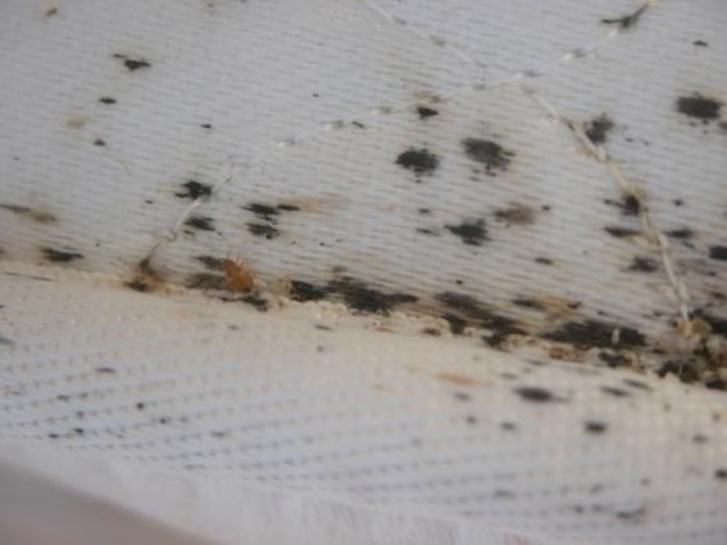
The most common sign of bedbugs is small, dark spots that look like someone has touched a black felt-tip marker to the fabric. These are fecal deposits. Unlike dirt or lint, these spots will “bleed” or smear if wiped with a damp cloth, as they are composed of digested blood. You should also look for small, rusty-colored blood stains on the sheets or the mattress pad. These occur when a bug is accidentally crushed by a sleeper or when a bug leaks a small amount of blood after feeding.
Exoskeletons and Pearly Eggs
As bedbugs grow, they go through several stages of development, shedding their skin at each stage. These shed skins, or exoskeletons, are translucent, yellowish-brown husks that retain the shape of the bug. You might find these in the folds of the mattress or tucked into the corners of a nightstand at a MGM Grand or The Waldorf Astoria. Additionally, look for eggs. Bedbug eggs are tiny—about 1mm—and resemble miniature grains of white rice. They are often found in clusters and are sticky, allowing them to adhere to surfaces like wood or fabric.
The Tell-Tale Odor
In cases of a significant infestation, a room may have a distinct, somewhat sweet yet musty odor. Some describe it as smelling like coriander or overripe raspberries. If you walk into a room in Sydney or Rome and notice an unusual, heavy scent that doesn’t smell like cleaning products, it warrants a much more rigorous inspection of the sleeping area and furniture.
Beyond the Bed: Searching the Rest of the Suite
While the bed is the primary focus, bedbugs can thrive anywhere humans sit or linger for long periods. If you are staying in a large suite at The Langham or a luxury resort in Mexico, the inspection must extend to the living areas.
Upholstered Seating and Curtains
Bedbugs love soft surfaces. Check the seams and cushions of any armchairs or sofas in the room. Pull the cushions up and inspect the crevices where the back of the chair meets the seat. Curtains are another overlooked area. Check the folds of the drapes, particularly near the top where they meet the rod or at the bottom where they touch the floor. In cities like Barcelona or Berlin, where vintage furniture might be common in boutique hotels, these checks are especially important.
Nightstands and Electrical Outlets
It may sound surprising, but bedbugs often hide inside electrical outlets and electronic devices. The heat generated by a clock radio or a charging station can be attractive. Check the drawers of the nightstand, removing them if possible to look at the tracks and the back of the cabinet. Even the screw holes in wooden furniture can house a small colony. Whether you are at a Westin or a local bed and breakfast in France, these secondary checks provide an extra layer of security.
Procedures for a Confirmed Infestation
If you do find evidence of bedbugs, your priority shifts from inspection to action. Finding bedbugs in a hotel is a serious matter that requires a professional response from the management of the establishment, whether it’s a Crown Plaza or a Renaissance Hotel.
Documenting the Evidence
Before you call the front desk, take clear photos and videos of the bugs or the evidence you found. Having photographic proof is essential if there are disputes later regarding refunds or if you need to file a report with the corporate office of a chain like InterContinental Hotels Group. Use your phone to capture the location of the bugs in relation to the room number or identifiable features of the suite.
Negotiating with Management and Relocating
Once you have documented the findings, contact the front desk immediately. Be professional but firm. Do not accept a room that is directly adjacent to, above, or below the infested room, as bedbugs can easily travel through wall voids and electrical conduits. Demand a room in a completely different wing or on a different floor. If you are staying in a high-demand city like Hong Kong or Amsterdam and the hotel is full, you may need to insist on being moved to a sister property or a competitor at their expense.
When you move your belongings, ensure they are sealed in plastic bags. Even if you haven’t seen bugs on your luggage, the risk of cross-contamination is high. Once you reach your new room—perhaps at a Kimpton or a W Hotel—repeat the inspection process. Vigilance is the only way to ensure your journey through Europe, the United States, or Asia remains a pleasant experience. By taking these steps, you protect yourself, your home, and your peace of mind.
LifeOutOfTheBox is a participant in the Amazon Services LLC Associates Program, an affiliate advertising program designed to provide a means for sites to earn advertising fees by advertising and linking to Amazon.com. Amazon, the Amazon logo, AmazonSupply, and the AmazonSupply logo are trademarks of Amazon.com, Inc. or its affiliates. As an Amazon Associate we earn affiliate commissions from qualifying purchases.