
Embarking on a new venture in the Golden State is an exciting prospect, brimming with opportunities for growth and success. California, a land of diverse landscapes from the sun-drenched beaches of Southern California to the majestic Sierra Nevada mountains, offers a fertile ground for businesses of all kinds. Whether you’re dreaming of opening a charming boutique hotel in San Francisco, a unique culinary experience in Los Angeles, or a tour guiding service exploring the wonders of Yosemite National Park, understanding the foundational legal steps is paramount. Among these, securing a business license stands out as a crucial, non-negotiable requirement for operating legally and ethically within California.
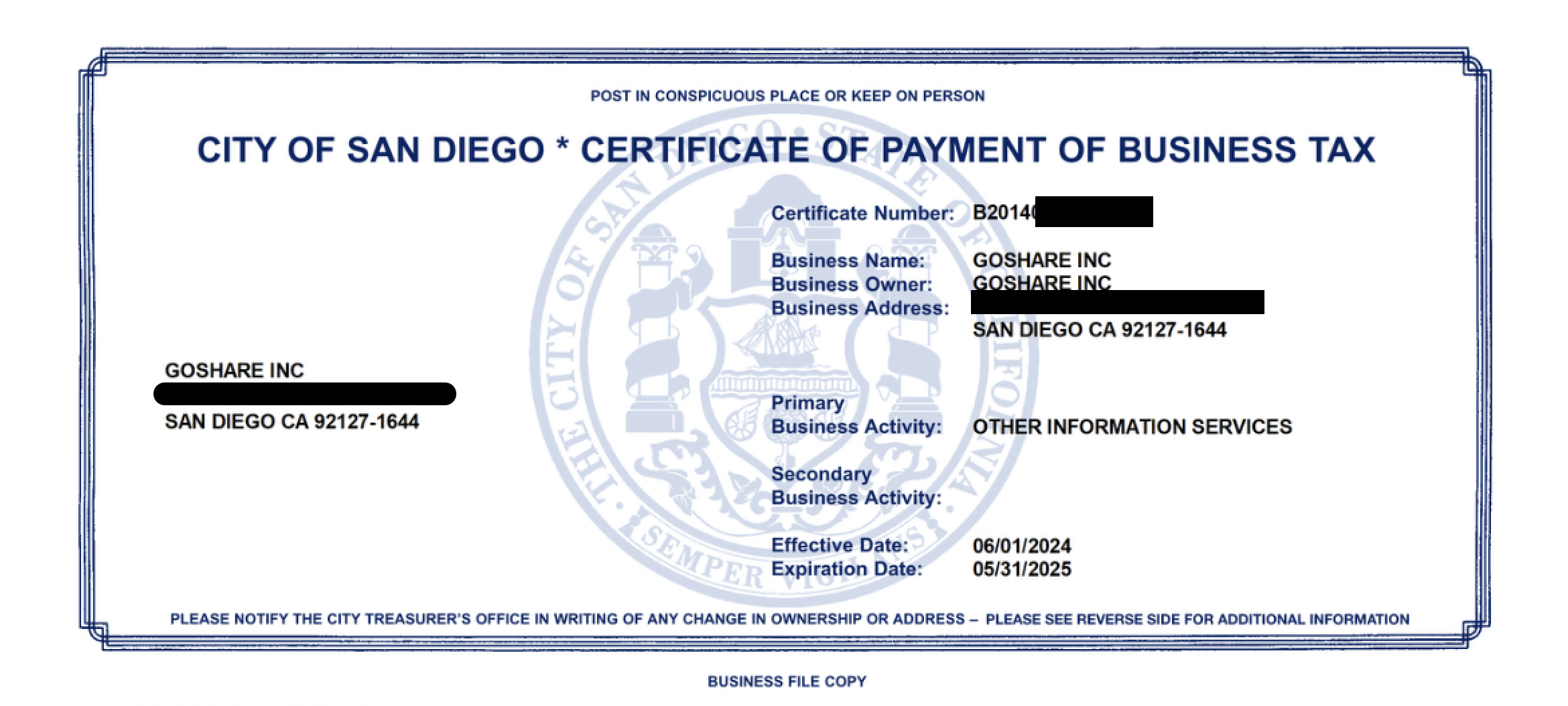
This comprehensive guide will demystify the process of obtaining a business license in California, breaking down the essential steps and considerations. We’ll navigate the landscape of state, county, and city requirements, ensuring you have a clear roadmap to compliance. Our focus will be on providing you with the knowledge needed to confidently navigate this administrative process, allowing you to concentrate on what you do best: bringing your vision to life and sharing the incredible experiences California has to offer.
Understanding the Layers of Business Licensing in California
Operating a business in California involves a multi-layered approach to licensing. It’s not a one-size-fits-all situation. Depending on the nature of your business and its physical location, you might need to secure licenses or permits at various levels of government: state, county, and city. This tiered system ensures that businesses comply with a wide range of regulations, from statewide economic and environmental standards to local zoning ordinances and public health requirements.
State-Level Licenses and Permits
The state of California has agencies that oversee specific industries. For many businesses, a general business license isn’t issued at the state level. Instead, you’ll be looking at industry-specific licenses and permits. For example, if your business involves hospitality, like a hotel or bed and breakfast, you might need permits related to health, safety, and potentially alcohol service, managed by different state departments.
- Professional and Vocational Licenses: Many professions require specific licenses. This includes fields like contracting, healthcare, legal services, and cosmetology. The California Department of Consumer Affairs oversees a vast number of these licensing boards. If your business falls into one of these regulated professions, you must ensure you and any relevant employees hold the appropriate credentials.
- Industry-Specific Permits: Beyond professional licenses, certain industries have specific operational permits. For instance, restaurants require health permits. Businesses that handle hazardous materials will need environmental permits. If you plan to serve alcohol at your establishment, like a resort or a restaurant in Napa Valley, you’ll need a liquor license from the California Department of Alcoholic Beverage Control.
- Seller’s Permit: If your business sells tangible goods, you’ll need a Seller’s Permit from the California Department of Tax and Fee Administration (CDTFA). This permit allows you to collect sales tax from your customers and remit it to the state. Without it, you cannot legally collect sales tax. This is crucial for any retail operation, whether it’s a gift shop at a landmark or an online store shipping California-made crafts.
County and City Business Licenses
This is where the most common form of “business license” comes into play for many entrepreneurs. Most counties and cities in California require businesses operating within their jurisdictions to obtain a local business license, often referred to as a business tax certificate. The purpose of this license is generally to generate revenue for the local government through licensing fees or taxes, which are then used to fund local services and infrastructure.
- County Business Licenses: If you operate in an unincorporated area of a county, you will likely need to obtain a business license from the county government. This applies to businesses located outside the boundaries of any incorporated city. For example, a rural retreat or a farm-to-table experience located in the countryside would fall under county jurisdiction.
- City Business Licenses: If your business is located within the limits of an incorporated city, you will need to obtain a business license from that specific city’s business licensing department or finance department. Each city has its own set of rules, application processes, and fee structures. For instance, opening a new hotel in San Diego will require a business license from the City of San Diego, in addition to any state-level permits. Similarly, establishing a small business in a charming coastal town like Carmel-by-the-Sea means navigating their local licensing requirements.
The specific requirements can vary significantly. Some cities have simplified processes for small businesses, while others have more intricate regulations for larger or specialized operations. It’s essential to research the specific city or county where your business will be physically located or where you will be conducting significant business activities.
Other Potential Permits and Registrations
Beyond the primary business license, other registrations and permits might be necessary depending on your business activities and structure.
- Fictitious Business Name (FBN) Statement: If you plan to operate your business under a name different from your legal name (for individuals) or the registered name of your corporation or LLC, you must file a Fictitious Business Name (FBN) statement, also known as a “doing business as” (DBA) name. This is typically filed with the county clerk’s office in the county where your principal place of business is located. Once filed, it usually needs to be published in a local newspaper.
- Employer Identification Number (EIN): If you plan to hire employees, operate your business as a corporation or partnership, or file certain tax returns, you will need an Employer Identification Number (EIN) from the Internal Revenue Service (IRS). This is a federal tax ID number.
- Zoning and Land Use Permits: Before you even apply for a business license, you must ensure your chosen business location is zoned appropriately for your intended operations. Local planning departments handle zoning permits, and you may need specific permits for signage, building modifications, or special events. For example, a vibrant nightlife venue in Hollywood would need to comply with strict zoning and entertainment permits.
The Step-by-Step Process of Obtaining a Business License in California
Navigating the licensing process can seem daunting, but by breaking it down into manageable steps, you can ensure a smooth and efficient experience. The exact order and requirements may vary slightly between jurisdictions, but the general framework remains consistent.
Step 1: Determine Your Business Structure and Name
Before you can apply for any licenses, you need to have a clear understanding of your business structure and its name.
- Business Structure: Will your business be a sole proprietorship, partnership, Limited Liability Company (LLC), or corporation? Each structure has different legal and tax implications, and some may require separate registrations with the California Secretary of State. For example, if you’re starting a small, independent tour company in Big Sur, a sole proprietorship might be the simplest option. If you’re planning to open a chain of boutique hotels across California, an LLC or corporation would offer more liability protection.
- Business Name: Decide on your business name. If you’re operating under a name other than your own legal name, you’ll need to file an FBN statement as mentioned earlier. It’s also a good practice to check if your desired business name is already in use or trademarked, especially if you plan on national or international expansion.

Step 2: Research Your Specific Licensing Requirements
This is arguably the most critical step. You need to pinpoint exactly which licenses and permits are required for your specific business and location.
- Identify Your Business Activity: Clearly define what your business does. Are you selling goods, providing services, operating a restaurant, offering tours, or managing accommodations? The nature of your activity dictates the regulatory bodies involved.
- Determine Your Location: Pinpoint the exact address where your business will operate. This is crucial for identifying city and county requirements. If you’re an online business with no physical storefront but you reside in California, you’ll still need to comply with state and potentially local regulations based on your residence.
- Utilize Government Resources:
- City and County Websites: Your first stop should be the official websites of the city and/or county where your business is located. Look for sections labeled “Business,” “Licenses,” “Permits,” or “Finance Department.” These sites usually provide checklists, application forms, and fee schedules.
- California State Website: The official California state government website (gov.ca.gov) is a valuable resource. It often has a business portal or a directory of state agencies that can guide you to industry-specific licensing bodies.
- Small Business Administration (SBA): While a federal agency, the SBA offers extensive resources and guidance for starting and operating a business, including information on licensing and permits at the state and local levels.
- Contact Local Government Offices: Don’t hesitate to call or visit the relevant city or county offices. Their staff can often provide direct assistance in identifying the necessary licenses and application procedures. For instance, if you’re setting up a charming bed and breakfast near Lake Tahoe, you’ll want to speak with the local planning and business licensing departments in Placer County or El Dorado County, depending on the precise location.
Step 3: Complete and Submit Applications
Once you’ve identified all the required licenses and permits, you can begin the application process.
- Gather Required Information: Applications will typically ask for your business name, structure, address, contact information, details about your business activities, and potentially financial information.
- Complete Application Forms: Fill out all application forms accurately and completely. Incomplete applications are a common reason for delays.
- Pay Application Fees: Most business license applications come with associated fees. These fees vary widely depending on the jurisdiction and the type of license. Be prepared to pay these fees upon submission.
- Submit Applications: Submit your applications through the designated channels, which could be online, by mail, or in person. Keep copies of all submitted documents for your records.
Step 4: Inspections and Approvals
For certain types of businesses, especially those involving public health, safety, or specific building requirements, inspections may be a mandatory part of the licensing process.
- Health Department Inspections: Restaurants, food service businesses, and certain hospitality establishments may require inspections by the local health department to ensure compliance with food safety and sanitation standards.
- Building and Safety Inspections: If you’ve made any renovations or structural changes to your business premises, building and safety inspections might be necessary to confirm compliance with local building codes.
- Fire Department Inspections: Businesses, particularly those with a public assembly component like a live music venue or a large resort, may need to pass fire safety inspections.
Step 5: Receive and Display Your Business License
Once your applications are approved and any required inspections are passed, you will receive your business license(s).
- Display Requirements: Many jurisdictions require businesses to prominently display their business license in a public area of their establishment.
- Keep Records: Keep your business license and all related documentation in a safe place. You will likely need to renew your license periodically.
Maintaining Compliance: Renewal and Ongoing Obligations
Obtaining a business license is not a one-time event; it’s an ongoing commitment. Staying compliant involves understanding renewal processes and being aware of any changes in regulations that might affect your business.
Renewal Processes
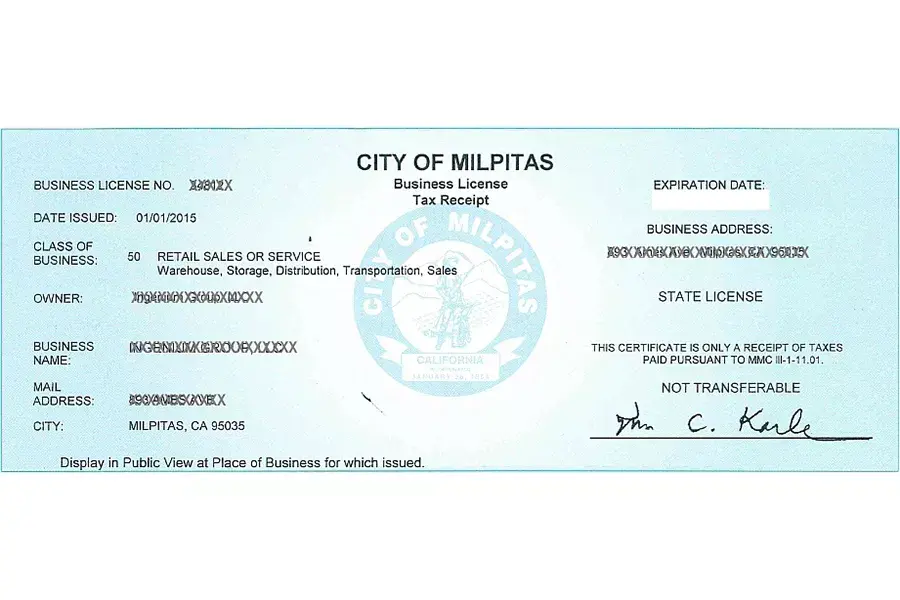
Business licenses, especially those issued by cities and counties, typically have an expiration date and must be renewed annually or biennially.
- Renewal Notices: Most licensing authorities will send out renewal notices well in advance of the expiration date. However, it’s your responsibility to ensure you renew on time, even if you don’t receive a notice.
- Renewal Fees: Renewal typically involves paying a renewal fee, which may be the same as the initial application fee or slightly different.
- Updated Information: During the renewal process, you may be required to update any changes to your business information, such as address, ownership, or business activities.
Staying Informed About Regulatory Changes
The business landscape is dynamic, and regulations can change. It’s vital to stay informed about any updates that might affect your licensing or operational requirements.
- Monitor Local and State Government Updates: Regularly check the websites of your city, county, and relevant state agencies for any new laws or amendments to existing regulations.
- Industry Associations: Joining industry-specific associations can be incredibly beneficial. These organizations often provide updates on legislative changes and best practices relevant to your sector, whether you’re in the tourism, hospitality, or retail industry.
- Professional Advisors: Consider consulting with a business attorney or an accountant who specializes in California business law. They can provide invaluable guidance on compliance and help you navigate complex regulatory environments.
By diligently following these steps and maintaining a proactive approach to compliance, you can successfully obtain and maintain the necessary business licenses to operate your venture legally and thrive in the vibrant economy of California. Whether your dream is to manage a luxury resort overlooking the Pacific Ocean, curate unique cultural experiences in San Francisco’s vibrant neighborhoods, or guide intrepid travelers through the natural wonders of Joshua Tree National Park, a solid foundation of legal compliance will pave the way for your success.
LifeOutOfTheBox is a participant in the Amazon Services LLC Associates Program, an affiliate advertising program designed to provide a means for sites to earn advertising fees by advertising and linking to Amazon.com. Amazon, the Amazon logo, AmazonSupply, and the AmazonSupply logo are trademarks of Amazon.com, Inc. or its affiliates. As an Amazon Associate we earn affiliate commissions from qualifying purchases.