
Embarking on a journey, whether it’s a short vacation or a prolonged stay, often brings with it the excitement of new experiences, diverse cultures, and unforgettable landmarks. For those setting their sights on the Golden State, navigating the vibrant streets of Los Angeles, exploring the iconic Golden Gate Bridge in San Francisco, or soaking up the sun in San Diego, one seemingly mundane document can dramatically enhance your entire California experience: the California ID card. More than just a piece of plastic, this card serves as your gateway to seamless travel, hassle-free accommodation bookings, and full immersion into the rich local lifestyle.
While many associate identification cards primarily with driving, a California ID card holds immense value for non-drivers and visitors planning extended stays, offering a universally recognized form of identification within the United States. From verifying your age to rent a car for a scenic coastal drive or checking into a luxurious hotel suite in Beverly Hills, to simply proving your identity when picking up tickets for a Disneyland adventure, having a local ID can simplify countless interactions. This comprehensive guide will walk you through the process of obtaining your own California ID card, ensuring your focus remains on enjoying the boundless attractions and lifestyle opportunities that California has to offer.
The Essential California ID for Travelers and New Residents
Whether you’re a long-term traveler considering a temporary residence, an international student, or a domestic visitor planning an extensive trip across the state, a California ID card is an invaluable asset. It’s a tool that bridges the gap between being a visitor and becoming part of the local fabric, making everyday tasks smoother and opening doors to a more authentic experience.
Why a California ID Enhances Your California Experience
Imagine arriving at a stunning resort in Palm Springs, ready to unwind by the pool, only to realize your international passport is locked safely away, or your out-of-state driver’s license isn’t readily accepted for certain transactions. A California ID card eliminates these potential hiccups.
For travelers, particularly those exploring the state’s vibrant nightlife, visiting wineries in Napa Valley, or attending concerts, a state-issued ID is the most widely accepted form of age verification. When booking accommodations, from boutique hotels in Santa Monica to charming villas along the Pacific Coast Highway, presenting a California ID can streamline the check-in process, offering quick and undeniable proof of identity. For those renting cars, which is often essential for exploring California’s vast national parks like Yosemite or Death Valley, a state ID can often serve as supplementary identification to your driver’s license, especially if your primary license is from a foreign country.
From a tourism perspective, having a California ID can facilitate access to local services, such as opening a local bank account for long-term stays, or even signing up for local gym memberships if you’re keen on maintaining your lifestyle routines while away from home. It simplifies interactions with local businesses and ensures you can fully participate in local culture, from farmers’ markets to community events. Furthermore, should you need to interact with any local government services, this ID will be your primary identifier.
Eligibility: Who Can Apply for a California ID?
One of the most appealing aspects of the California ID card is its accessibility. Unlike a driver’s license, you do not need to prove your ability to drive a vehicle. The eligibility criteria are straightforward, designed to accommodate a wide range of individuals, including those who may not hold a California driver’s license.
To be eligible for a California ID card, you generally need to meet the following conditions:
- Age Requirement: You must be at least 16 years old. While younger individuals can apply for a state ID, the general ID card is typically for those 16 and older. There are no upper age limits, making it a perfect solution for seniors who no longer drive but still require valid identification.
- Residency: You do not need to be a permanent resident or citizen of the United States to apply for a California ID. However, you must demonstrate proof of residency within California. This is crucial for new residents, long-term visitors, and individuals who might be staying in the state for an extended period, such as digital nomads, students attending California universities, or professionals on assignment. Proof of residency can include utility bills, rental agreements for apartments or long-term accommodations, or even official documents from a California school or employer.
- No Other CA Driver’s License: You cannot simultaneously hold a California driver’s license and a California ID card. If you already have a valid California driver’s license, you likely do not need a separate ID card, as the driver’s license serves the same identification purpose. This rule ensures that individuals only possess one primary form of California government-issued identification.
Understanding these foundational requirements is the first step toward securing your California ID card, paving the way for a more integrated and enjoyable lifestyle within the state.
Navigating the Application Process: Your Path to a California ID
Obtaining a California ID card involves a few structured steps, primarily interacting with the California Department of Motor Vehicles (DMV). While the process might seem daunting at first glance, especially if you’re new to the state or country, it’s quite manageable with proper preparation. Think of it as preparing for a significant travel itinerary – the more organized you are beforehand, the smoother your journey will be.
Gathering Your Documents: The Foundation of Your Application
The key to a successful and efficient DMV visit lies in meticulously gathering all the necessary documents. These documents prove your identity, residency, and Social Security number (SSN) if you have one. It’s highly recommended to use the DMV’s interactive “REAL ID Document Checklist” tool on their official website, even if you are not applying for a REAL ID compliant card, as it provides a comprehensive list of acceptable documents for all ID types.
Generally, you will need to provide:
- Proof of Identity: This is perhaps the most critical document. Acceptable forms include:
- An original or certified copy of your birth certificate (from a U.S. state, territory, or the District of Columbia).
- A valid, unexpired U.S. passport or passport card.
- A valid, unexpired foreign passport with a valid U.S. visa and approved I-94 form (if applicable for international visitors).
- A Permanent Resident Card (Green Card).
- An Employment Authorization Document (EAD Card), Form I-766.
- Other federally approved documents. It is paramount to check the current DMV guidelines as acceptable documents can change.

-
Proof of Residency: You need two different documents showing your current California residential address. This is where your long-term accommodation details come into play. Examples include:
- Utility bills (gas, electric, water, cell phone, landline).
- A rental agreement or lease for an apartment, house, or even a long-term hotel stay.
- Mortgage statements.
- Bank or financial institution statements.
- Medical documents.
- School documents.
- Employment documents.
- Insurance documents.
- DMV change of address confirmation.
- For those staying in short-term rentals or with friends/family, a notarized statement from the property owner/lessee confirming your residence, along with their proof of residency, may be acceptable.
-
Proof of Social Security Number (SSN): If you have an SSN, you must provide proof. This can be your Social Security card, a W-2 form, or a pay stub with your name and SSN. If you are not eligible for an SSN (common for many international visitors or non-immigrants), you will need to attest to this fact on the application form. The DMV will verify your SSN electronically with the Social Security Administration.
Make sure all documents are originals or certified copies. Photocopies are generally not accepted. Having a folder with all these documents neatly organized will not only save you time but also reduce stress during your DMV visit.
The DMV Appointment: What to Expect
Once your documents are in order, the next step is to interact with the DMV. While walk-ins are sometimes accepted, scheduling an appointment online is highly recommended to minimize waiting times and ensure a smoother process. The DMV website allows you to choose a date and time that fits your schedule, letting you plan your day around other California adventures.
Here’s what you can expect during your DMV visit:
-
Application Form: You can complete the Driver’s License or ID Card Application (DL 44) online prior to your appointment. This saves a significant amount of time. If you fill it out online, you’ll receive a confirmation code to bring with you. Otherwise, you can fill out a paper application at the DMV office.
-
Check-in: Upon arrival at your scheduled appointment time, check in using the kiosk or with a staff member. You will likely be given a number and directed to a waiting area.
-
Document Verification: When your number is called, you’ll proceed to a service window where a DMV representative will review all your submitted documents. They will scrutinize the originals to ensure they meet the requirements. This is why having everything organized is so important.
-
Thumbprint and Photo: After document verification, your thumbprint will be digitally scanned. You will then have your photo taken for the ID card. It’s always a good idea to dress neatly and be prepared for this picture, as it will be on your official identification for years.
-
Signature: You will provide your digital signature, which will also appear on your California ID card.
-
Fees: You will pay the required application fee (discussed in the next section). The DMV accepts cash, check, money order, debit cards, and credit cards (Visa, Mastercard, Discover, American Express).
The entire in-person process, assuming you have an appointment and all documents ready, typically takes less than an hour, leaving you plenty of time to explore nearby attractions or enjoy a meal at a local eatery. Remember to keep a positive attitude; the DMV staff are there to assist you, and a smooth interaction contributes to a pleasant experience.
Beyond the Application: Fees, Timeline, and What Your California ID Unlocks
Successfully navigating the application process for your California ID card is just one part of the journey. Understanding the financial commitment, the expected timeline for receiving your card, and particularly the added advantages of a REAL ID compliant card, will complete your preparation for life and travel within the Golden State.
Understanding the Costs and Waiting Period
Obtaining a California ID card involves a nominal fee, which is a small investment for the convenience and security it provides. As of the latest information, the fee for an original California ID card is typically around $39. However, fees can change, so it’s always best to check the official DMV website for the most current pricing before your appointment. There might also be reduced fees for seniors or individuals meeting specific criteria, so inquire if you believe you qualify.
After your successful DMV visit, you won’t walk out with your physical ID card immediately. Instead, you’ll receive a temporary paper ID, which serves as valid proof that you’ve applied. Your official, plastic California ID card will be mailed to the address you provided. The typical waiting period for this mailing is approximately 2-4 weeks.
It’s crucial to ensure the mailing address you provide at the DMV is accurate and stable. If you are staying in a temporary accommodation like a hotel or Airbnb for a shorter duration, coordinate with the property management or have the card mailed to a trusted friend or family member’s address. Missing your ID card due to an incorrect address can lead to delays and additional hassle, detracting from your travel plans. Once received, your California ID card is typically valid for five years, providing long-term peace of mind for your identification needs.
The REAL ID: A Traveler’s Must-Have for Domestic Journeys
For anyone planning to use their California ID card for domestic air travel or accessing certain federal facilities within the United States, opting for a REAL ID compliant card is highly recommended. The REAL ID Act, passed by Congress in 2005, mandates that federal agencies, including the Transportation Security Administration (TSA), accept only REAL ID compliant identification or other approved documents (like a U.S. passport) for certain purposes.
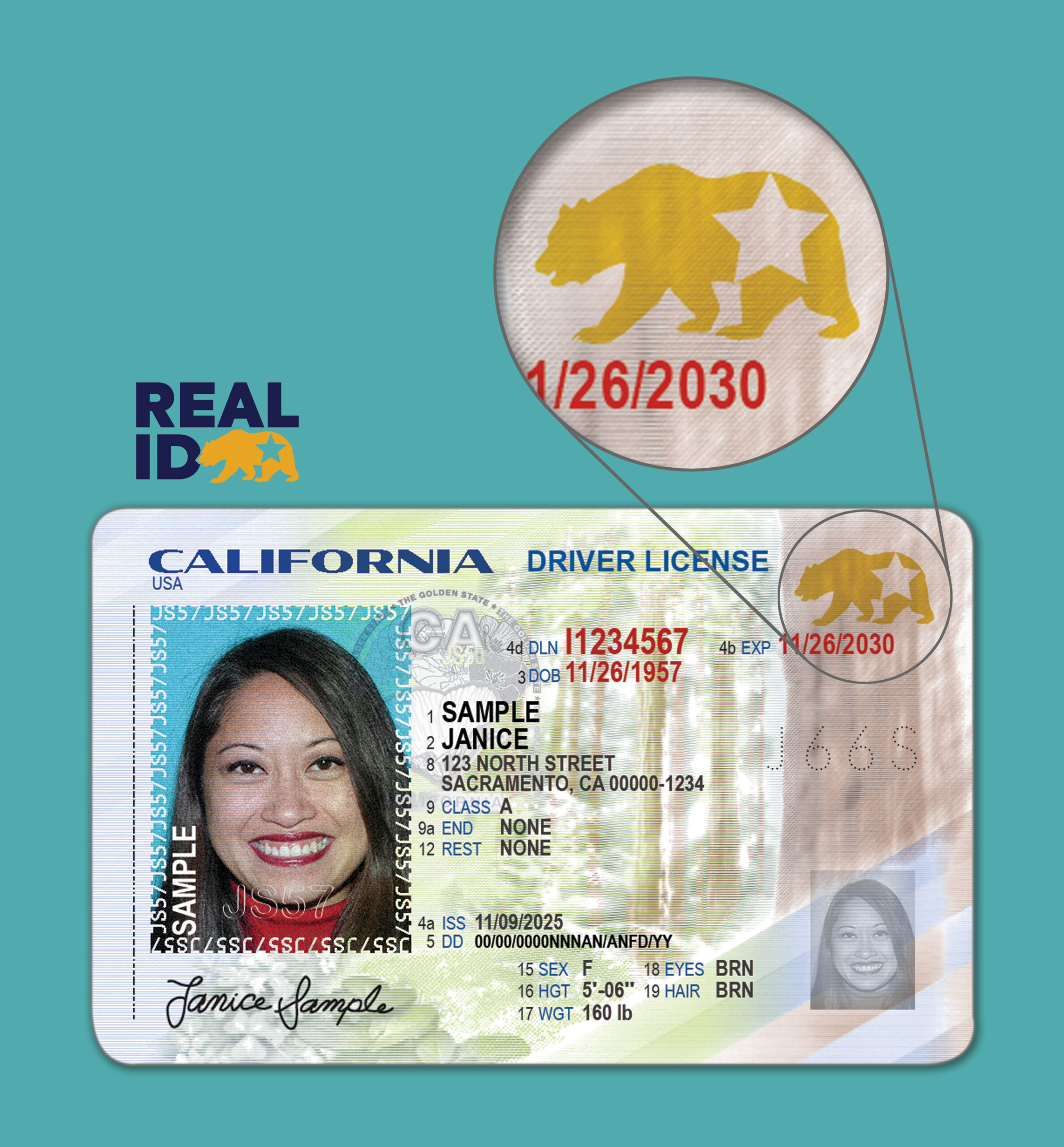
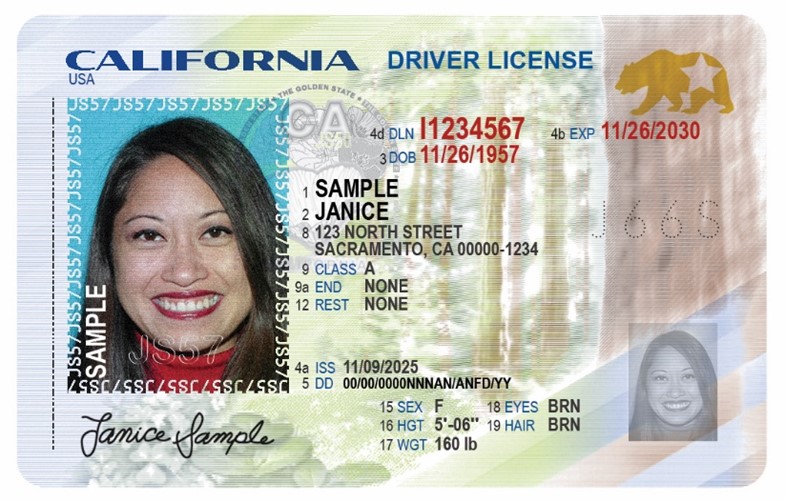
A REAL ID compliant California ID card is distinguishable by a golden bear with a star cutout in the upper right-hand corner. While a standard California ID card (without the golden bear and star) is still valid for identifying yourself within the state, it will not be accepted by the TSA for boarding domestic flights after the enforcement deadline (which has been extended multiple times but is currently May 7, 2025).
Therefore, if your lifestyle involves frequent travel, whether for leisure to explore other U.S. destinations or for business trips, making the effort to obtain a REAL ID is a wise decision. The documentation requirements for a REAL ID are slightly more stringent than for a standard ID. You will need to provide:
- One (1) Proof of Identity: (e.g., U.S. birth certificate, valid U.S. passport, or foreign passport with visa and I-94).
- Two (2) Proofs of Residency: (e.g., utility bills, rental agreements).
- One (1) Proof of Social Security Number: (Social Security card, W-2, pay stub).
It’s highly recommended to utilize the DMV’s online interactive document checklist tool for REAL ID applications to ensure you have all the correct documents tailored to your specific situation. Choosing the REAL ID option ensures your California ID card serves as a versatile and widely accepted form of identification, not just within the state, but across the nation, truly unlocking boundless travel and lifestyle opportunities.
In conclusion, securing a California ID card is a proactive step that significantly enhances your ability to seamlessly experience the Golden State. From effortless check-ins at prime hotels and resorts to simplified age verification for enjoying California’s vibrant social scene, and for the savvy traveler, enabling domestic air travel with a REAL ID, this document is far more than just identification. It’s a key to unlocking a richer, more convenient, and fully immersive California lifestyle. By following these straightforward steps, you can ensure your focus remains on creating unforgettable memories, exploring stunning destinations, and embracing all the unique experiences that California generously offers.
LifeOutOfTheBox is a participant in the Amazon Services LLC Associates Program, an affiliate advertising program designed to provide a means for sites to earn advertising fees by advertising and linking to Amazon.com. Amazon, the Amazon logo, AmazonSupply, and the AmazonSupply logo are trademarks of Amazon.com, Inc. or its affiliates. As an Amazon Associate we earn affiliate commissions from qualifying purchases.