
Navigating the requirements to obtain a Commercial Driver’s License (CDL) in the Sunshine State involves a structured process designed to ensure that individuals operating large and commercial vehicles possess the necessary skills and knowledge for safe road operations. While the core principles of CDL acquisition are similar across the United States, Florida, like every state, has its own specific regulations and steps that aspiring commercial drivers must meticulously follow. This guide will walk you through the essential stages, from understanding the types of CDLs to passing the required tests, all within the context of Florida’s Department of Highway Safety and Motor Vehicles (FLHSMV).
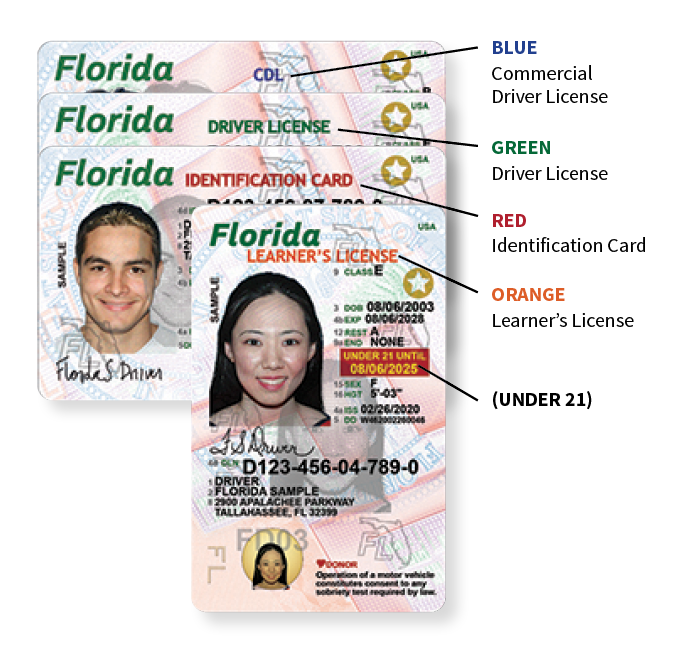
Understanding CDL Classes and Endorsements
Before embarking on your CDL journey in Florida, it’s crucial to understand that not all commercial driver’s licenses are created equal. The state, adhering to federal guidelines, categorizes CDLs into three main classes, each corresponding to the weight and type of vehicle you intend to operate. Furthermore, specific endorsements can be added to your CDL to authorize the operation of vehicles carrying particular types of cargo or configurations.
Class A CDL
A Class A CDL is required for individuals who plan to operate any combination of vehicles with a Gross Combination Weight Rating (GCWR) of 26,001 pounds or more, provided the Gross Vehicle Weight Rating (GVWR) of the towed vehicle(s) is in excess of 10,000 pounds. This typically includes tractor-trailers, truck-and-trailer combinations, and other large articulated vehicles. Mastering the operation of these complex rigs demands a high level of skill and comprehensive knowledge, which the Class A CDL testing process is designed to verify.
Class B CDL
For those intending to drive single vehicles with a GVWR of 26,001 pounds or more, or any such vehicle towing a unit not exceeding 10,000 pounds GVWR, a Class B CDL is necessary. This class encompasses a variety of vehicles, including straight trucks, dump trucks, and larger delivery vans. While the vehicle configurations may differ from Class A, the responsibility of safely operating these heavy vehicles remains significant, and the Class B CDL ensures drivers meet the required standards.
Class C CDL
A Class C CDL is for vehicles that do not meet the criteria for Class A or Class B, but are designed to transport 16 or more occupants (including the driver), or are placarded for carrying hazardous materials. School buses, passenger vans with a capacity of 16 or more, and certain smaller vehicles used for transporting hazardous substances fall under this category. The specific requirements for a Class C CDL reflect the unique safety considerations associated with transporting passengers or hazardous cargo.
Essential CDL Endorsements
Beyond the basic CDL classes, Florida offers several endorsements that authorize drivers to operate specific types of vehicles or carry certain types of cargo. These endorsements signify additional training and successful testing on specialized knowledge and skills. Some of the most common endorsements include:
- Hazardous Materials (H): Required for drivers transporting hazardous materials in quantities that require placarding. This endorsement involves a rigorous knowledge test focused on federal and state regulations for handling and transporting dangerous goods.
- Passenger (P): Necessary for drivers operating vehicles designed to transport 16 or more passengers, including the driver. This endorsement emphasizes safe passenger loading and unloading, as well as emergency procedures.
- School Bus (S): A specific endorsement for drivers operating school buses. This involves specialized training and testing related to child safety, route management, and pre-trip inspections unique to school buses.
- Tank Vehicle (N): Required for drivers operating vehicles designed to haul liquids or gaseous materials in bulk, such as tanker trucks. This endorsement focuses on the specific handling characteristics and safety concerns of liquid cargo.
- Double/Triple Trailers (T): Authorizes drivers to operate vehicles pulling two or three trailers. This endorsement is particularly relevant for Class A CDL holders who may encounter these complex vehicle configurations.
Understanding which CDL class and which endorsements you need is the first critical step in your application process. This decision will guide your choice of training programs and the specific tests you will need to pass.
The Path to Obtaining Your CDL in Florida
Securing a CDL in Florida is a multi-step process that requires dedication and attention to detail. It begins with meeting the general eligibility requirements and progresses through obtaining a learner’s permit, undergoing specialized training, and finally, passing a series of challenging tests.
Eligibility Requirements and the Learner’s Permit
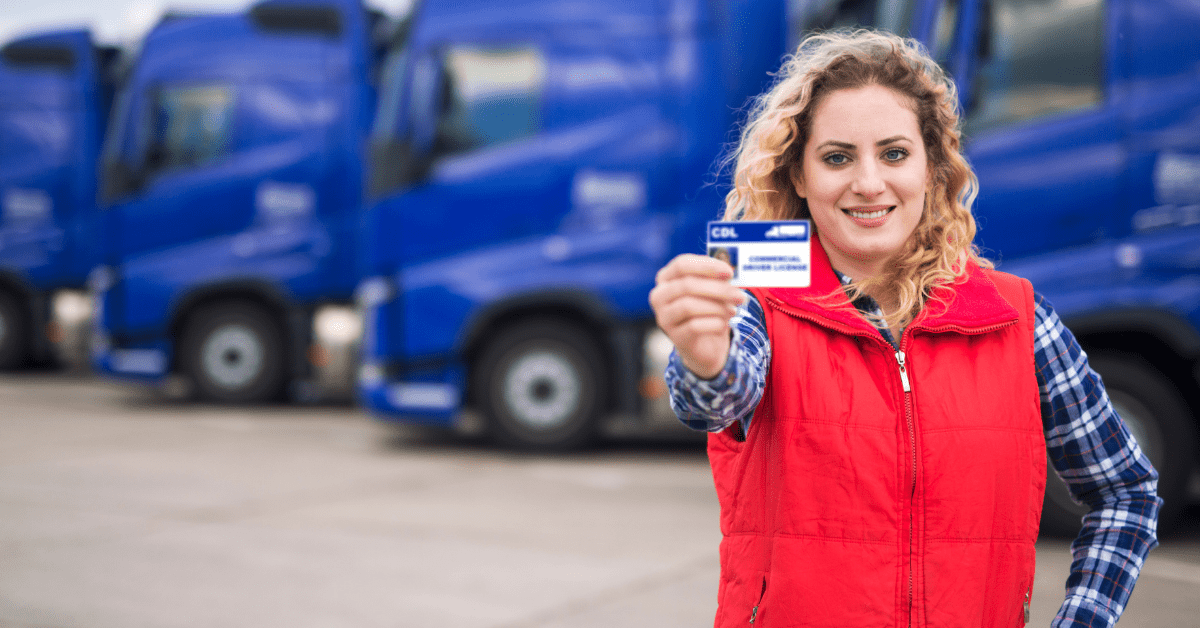
To be eligible for a CDL in Florida, you must first meet several fundamental criteria. You must be at least 18 years old, possess a valid Florida driver’s license, and provide proof of identity, Florida residency, and legal presence in the United States. Additionally, Florida law mandates that drivers applying for a CDL must obtain a Commercial Learner’s Permit (CLP) before they can begin behind-the-wheel training.
To obtain your CLP, you will need to pass a written knowledge test administered by the FLHSMV. This test covers general knowledge of commercial driving, including safe operating practices, vehicle inspection, and accident prevention. It’s highly recommended to thoroughly study the Florida Commercial Driver License Manual, which is readily available on the FLHSMV website. Passing this test grants you a learner’s permit, allowing you to practice driving commercial vehicles under the supervision of a licensed CDL holder.
The Importance of CDL Training Programs
While Florida law does not strictly mandate formal CDL training for all applicants, enrolling in a reputable CDL training program is highly advisable. These programs offer comprehensive instruction, covering both the theoretical knowledge and practical skills necessary to pass the CDL tests and, more importantly, to drive safely and professionally.
CDL training schools typically provide structured curricula that include:
- Classroom Instruction: In-depth study of federal and state regulations, defensive driving techniques, vehicle maintenance, cargo securement, and emergency procedures.
- Range Skills Training: Hands-on practice of essential maneuvers such as pre-trip inspections, backing up, turning, and parking in a controlled environment.
- On-Road Training: Supervised driving on public roads to gain experience in various traffic conditions, learn to anticipate hazards, and develop smooth driving habits.
Choosing an accredited Florida CDL school that aligns with your career goals and offers flexible scheduling can significantly enhance your chances of success. Many programs also assist with job placement after you obtain your CDL, a valuable resource for new commercial drivers.
Passing the CDL Skills and Knowledge Tests
The culmination of your CDL preparation in Florida involves successfully passing a series of rigorous tests. These tests are designed to evaluate your understanding of commercial driving principles and your ability to safely operate a commercial vehicle.
The CDL Skills Test
The CDL Skills Test is the practical component of your CDL assessment. It is typically administered at a third-party testing site authorized by the FLHSMV. The test is divided into three parts:
- Vehicle Inspection Test: You will be required to perform a thorough pre-trip inspection of a commercial vehicle, identifying any potential defects or safety concerns. This demonstrates your understanding of critical safety checks that are vital before operating any commercial vehicle.
- Basic Control Skills Test: This section assesses your ability to maneuver the vehicle in a controlled environment. You will perform maneuvers such as alley docking, parallel parking, and offset backing. Precision and control are paramount in this segment.
- Road Test: The final part of the skills test involves driving the commercial vehicle on public roads. A testing examiner will evaluate your ability to safely operate the vehicle in real-world traffic, demonstrating proper lane changes, speed control, signaling, and hazard perception.
It is crucial to practice these skills repeatedly, both during your training and with your learner’s permit, to build confidence and proficiency. Familiarity with the specific vehicle you will use for testing can also be advantageous.
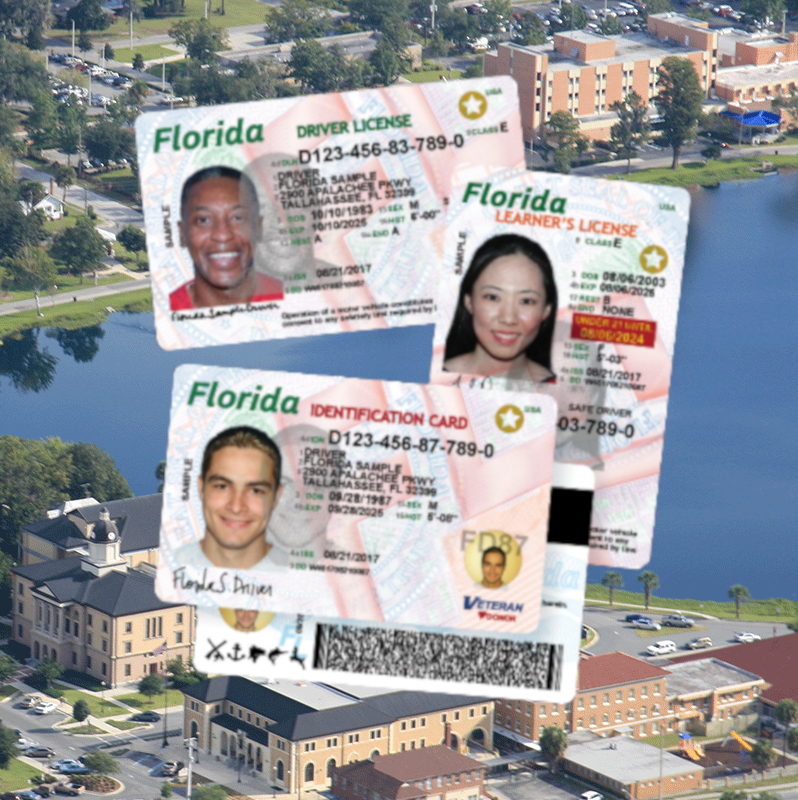
The CDL Knowledge Tests
In addition to the skills test, you will need to pass several written knowledge tests based on the class of CDL and any endorsements you are seeking. These tests are administered at FLHSMV service centers. The primary knowledge tests include:
- General Knowledge Test: This covers fundamental principles of commercial driving, road signs, and traffic laws applicable to commercial vehicles.
- Air Brakes Test: If your vehicle is equipped with air brakes, you will need to pass this specialized test on their operation and maintenance.
- Combination Vehicles Test: For Class A CDL applicants, this test focuses on the specific handling and safety considerations of operating tractor-trailer combinations.
- Hazardous Materials Test: If you are pursuing the H endorsement, this comprehensive test covers federal and state regulations for safely transporting hazardous materials.
- Passenger Transport Test: For the P endorsement, this test assesses your knowledge of safe passenger loading, unloading, and emergency procedures.
- School Bus Test: If you are seeking the S endorsement, this test covers specific regulations and safety practices for school bus operation.
- Tank Vehicle Test: For the N endorsement, this test evaluates your understanding of operating vehicles designed to transport bulk liquids and gases.
To prepare effectively for these knowledge tests, diligent study of the Florida Commercial Driver License Manual is essential. Many CDL training programs also offer specific test preparation modules to help you succeed.
Once you have successfully passed all required tests, you will be eligible to receive your Florida CDL. This license opens the door to a wide array of career opportunities in transportation and logistics, a vital sector of the Florida economy. Remember, continuous learning and adherence to safety regulations are key to a successful and long-lasting career as a commercial driver. Whether your aspirations lie in hauling goods across the state, transporting passengers safely to their destinations, or navigating the intricate world of hazardous materials, obtaining your CDL is the foundational step.
LifeOutOfTheBox is a participant in the Amazon Services LLC Associates Program, an affiliate advertising program designed to provide a means for sites to earn advertising fees by advertising and linking to Amazon.com. Amazon, the Amazon logo, AmazonSupply, and the AmazonSupply logo are trademarks of Amazon.com, Inc. or its affiliates. As an Amazon Associate we earn affiliate commissions from qualifying purchases.