
While the allure of exploring new destinations, savoring local cuisines, and immersing yourself in diverse cultures often takes center stage in our travel narratives, it’s equally important to consider the practicalities that ensure peace of mind. Planning a dream vacation to places like Paris or enjoying a luxurious stay at a resort in Bali involves more than just booking flights and accommodations. It also means ensuring that your affairs are in order, especially if unexpected circumstances arise. This is where understanding legal tools like a Power of Attorney (POA) becomes crucial, even for those who primarily focus on travel, hotels, and lifestyle experiences.
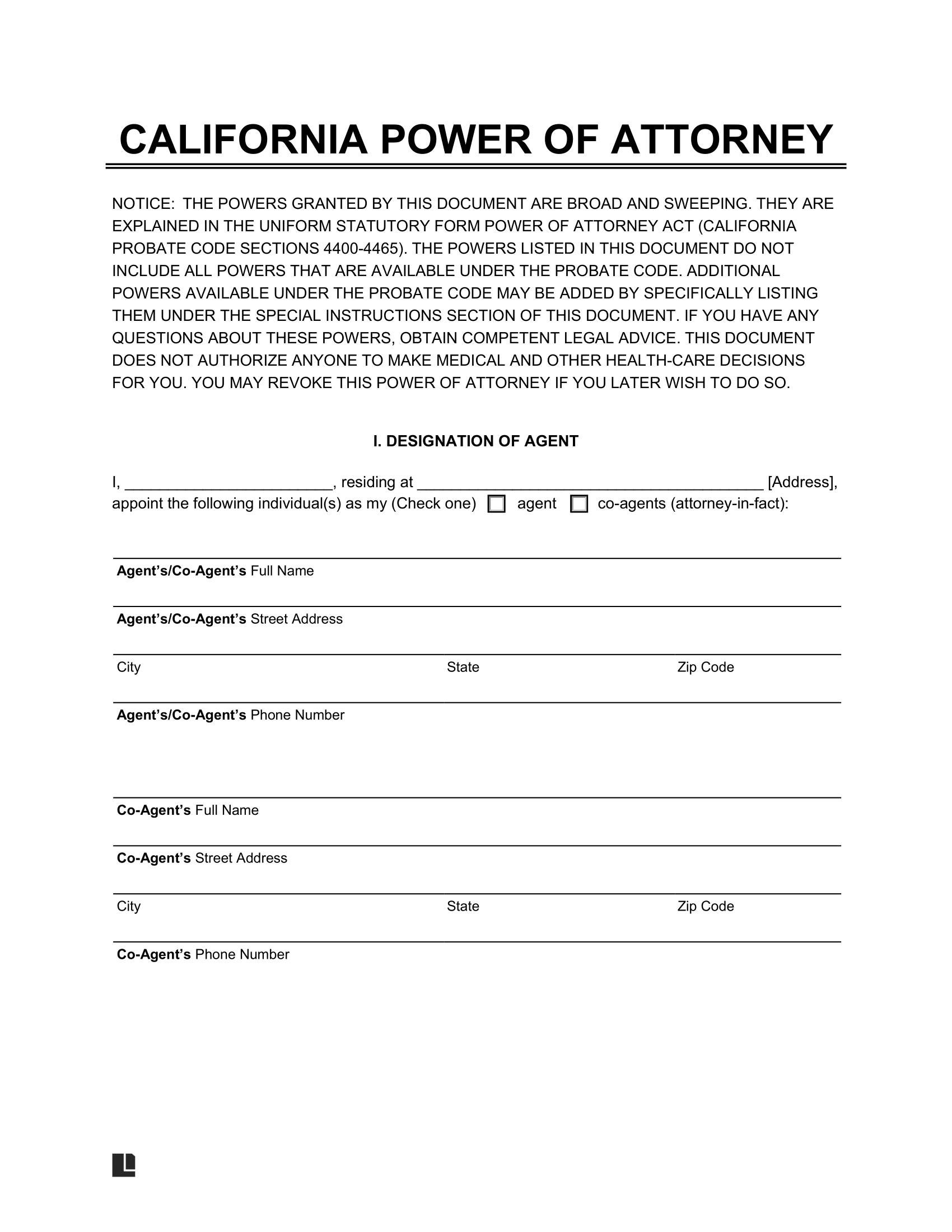
A Power of Attorney is a legal document that grants one person (the agent or attorney-in-fact) the authority to act on behalf of another person (the principal) in specific matters. This authority can range from financial decisions to healthcare directives. In the context of travel, imagine being on an extended trip abroad and needing someone back home in California to manage your property, pay bills, or handle a crucial transaction. Without a POA, this can become an insurmountable obstacle. Similarly, if a family member falls ill while you are away, a healthcare POA ensures that your appointed agent can make medical decisions in your stead.
This article aims to demystify the process of obtaining a Power of Attorney in California, providing a clear roadmap for residents and those with ties to the state. While our focus is often on the exciting aspects of travel and accommodation, understanding such legal provisions is an integral part of responsible lifestyle planning, offering security and enabling seamless experiences, whether you’re planning a budget adventure or a lavish business stay.
Understanding the Different Types of Power of Attorney in California
Before diving into the procedural aspects, it’s essential to understand the various types of Powers of Attorney available in California. The choice of POA depends on your specific needs and the level of authority you wish to delegate. This understanding is the foundational step in creating a document that accurately reflects your intentions and provides the necessary safeguards.
General Power of Attorney
A General Power of Attorney grants broad authority to the agent to act on behalf of the principal in almost all matters. This can include managing bank accounts, buying or selling property, entering into contracts, and making investment decisions. However, this type of POA typically becomes invalid if the principal becomes incapacitated. This broad scope makes it powerful but also requires a high degree of trust in the chosen agent. For instance, if you’re planning a year-long sabbatical to explore various continents and are concerned about your property in San Francisco being managed, a General POA might be considered.
Limited or Special Power of Attorney
In contrast, a Limited or Special Power of Attorney grants specific, restricted authority to the agent. This authority is usually confined to a particular transaction or a defined period. For example, you might grant a Special POA to someone to sell your car while you are on an extended road trip across America. This type is ideal when you only need assistance with a specific task and want to maintain control over other aspects of your affairs. If you’re coordinating a multi-city tour and need someone to handle a property rental in Los Angeles during your absence, a Special POA is fitting.
Durable Power of Attorney
A crucial distinction in California law is the concept of “durability.” A Durable Power of Attorney remains in effect even if the principal becomes incapacitated, meaning they are no longer able to make decisions for themselves. This is arguably the most important type of POA for long-term planning and ensuring continuity of care and financial management. There are two main forms of Durable Power of Attorney:
Durable Power of Attorney for Finances
This document allows your agent to manage your financial affairs if you become unable to do so yourself. This can include paying bills, managing investments, filing taxes, and accessing bank accounts. For travelers, this is particularly vital. Imagine being in a remote part of the world and unable to access your accounts to pay for an emergency flight back home. A Durable Power of Attorney for Finances ensures your appointed person can handle such situations without delay. This is also critical for managing ongoing expenses related to accommodations, like paying rent for a long-term stay in a villa in Italy or managing a timeshare.
Durable Power of Attorney for Healthcare (or Healthcare Directive)
This document grants your agent the authority to make healthcare decisions on your behalf if you are unable to communicate your wishes. This can include consenting to or refusing medical treatments, choosing healthcare providers, and making decisions about life support. This is an indispensable part of any comprehensive estate plan, offering peace of mind that your medical needs will be addressed according to your values, even when you cannot express them. For individuals who enjoy adventurous travel or have pre-existing conditions, this document is paramount.
Springing Power of Attorney
A Springing Power of Attorney only becomes effective upon the occurrence of a specific event or condition, most commonly the principal’s incapacitation. The document will clearly define the conditions under which it “springs” into effect, often requiring a doctor’s certification. This offers a layer of protection by ensuring the POA is not activated unless necessary. If you are concerned about granting immediate authority but want a safety net in place, a Springing POA can be a suitable option.
The Steps to Obtaining a Power of Attorney in California
Navigating the legal landscape can seem daunting, but the process for obtaining a Power of Attorney in California is relatively straightforward if you follow the correct steps. It involves careful consideration, proper documentation, and adherence to legal requirements.
Step 1: Determine Your Needs and Choose an Agent
The first and most critical step is to clearly define why you need a Power of Attorney and what specific powers you want to grant. Consider your current circumstances, your future plans, and potential risks. Are you concerned about managing your finances while traveling extensively? Do you need someone to make healthcare decisions if you become ill?
Once you have identified your needs, you must choose a trustworthy agent. This person will have significant authority over your affairs, so select someone who is responsible, reliable, and understands your wishes. Family members or close friends are common choices. Ensure that the person you choose is willing and capable of taking on this responsibility. For instance, if you are planning a multi-month exploration of Southeast Asia, you’ll want an agent who is readily available to handle any urgent matters back home.
Step 2: Draft the Power of Attorney Document
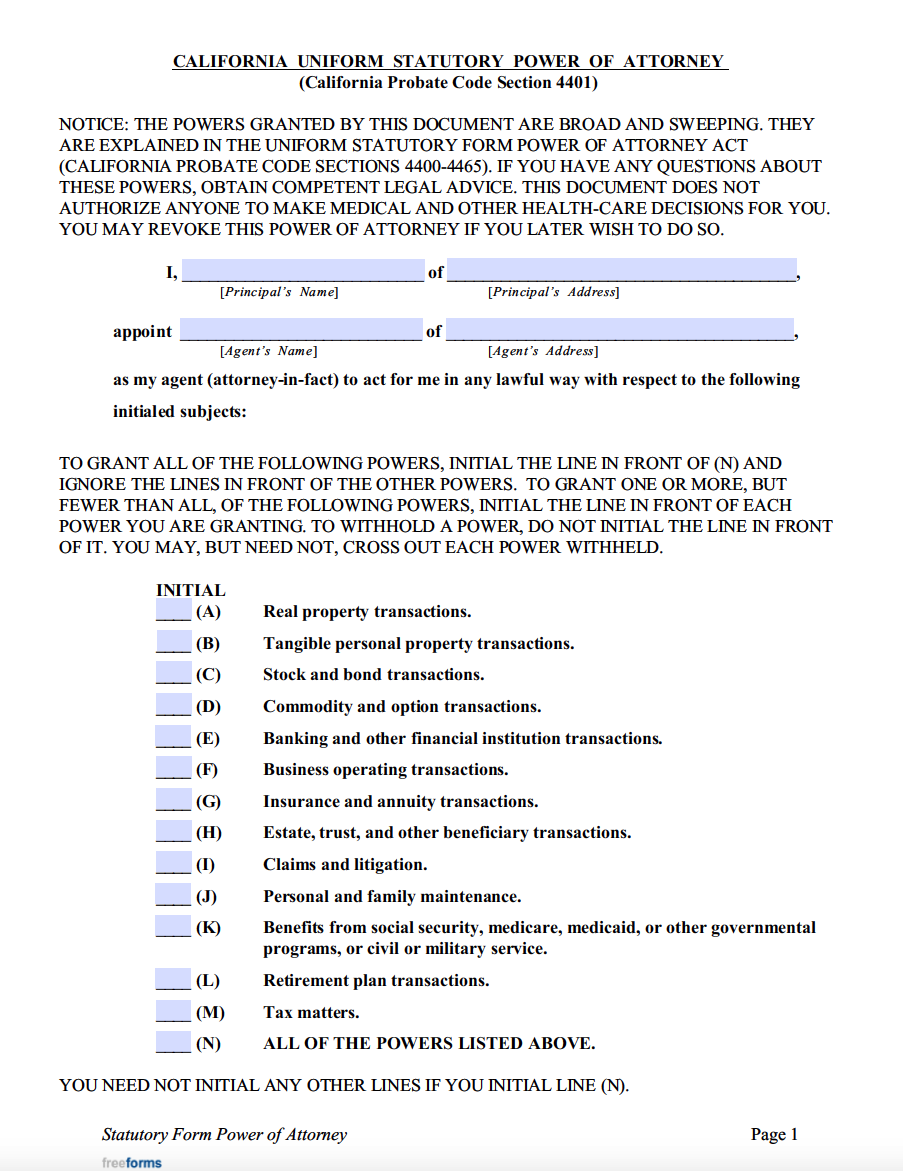
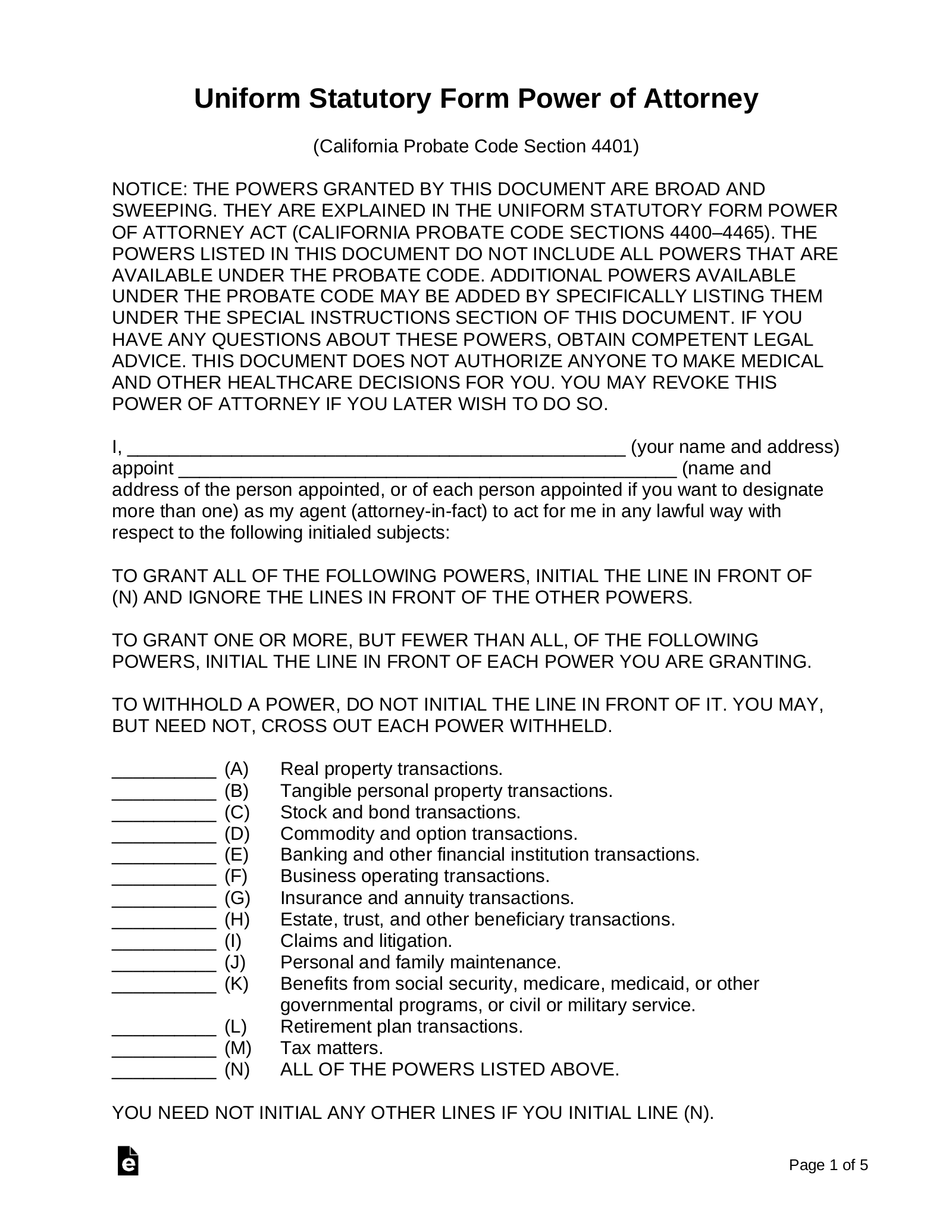
California law provides specific statutory forms for Powers of Attorney, particularly for Durable Powers of Attorney for Finances and Healthcare. Using these forms is highly recommended as they are designed to meet legal requirements and include important provisions.
- Statutory Durable Power of Attorney for Finances: This form, available through legal resources and often through attorneys, allows you to specify the powers you grant and when they become effective. You can choose from a list of common powers or add your own.
- Advance Health Care Directive: This comprehensive document allows you to designate a healthcare agent and outline your wishes regarding medical treatments, end-of-life care, and organ donation. It is a critical component of healthcare planning, ensuring your preferences are known and respected, even if you are vacationing in a remote location like the Galapagos Islands.
While using statutory forms is advisable, especially for simpler situations, complex situations may warrant the assistance of an attorney. An attorney can help you tailor the document to your unique circumstances, ensuring all your concerns are addressed and the POA is legally sound. This is especially true if you have intricate financial portfolios or complex family dynamics, situations that might arise even for those who prioritize leisure travel and unique lifestyle experiences.
Step 3: Sign the Document and Have it Notarized
In California, a Power of Attorney generally needs to be signed by the principal (the person granting the power) in the presence of a notary public. The notary’s role is to verify the identity of the principal and witness their signature, ensuring the document is authentic. For a Durable Power of Attorney for Finances, two witnesses are also required, in addition to the notary. These witnesses must be at least 18 years old and cannot be individuals named as the agent in the document, nor can they be healthcare providers or employees of a healthcare facility if the POA is related to healthcare.
The signing ceremony is a crucial legal formality. Failing to follow these requirements can render the POA invalid. Therefore, it’s essential to ensure all steps are meticulously followed. After signing and notarization, the principal should keep the original document in a safe and accessible place, and provide copies to their agent and any other relevant parties, such as financial institutions or healthcare providers.
Step 4: File and Distribute the Document (If Necessary)
In most cases, a Power of Attorney does not need to be filed with a government agency to be valid. However, you must provide copies to your agent, your bank, your financial advisors, and any other institutions or individuals who will need to act on your behalf. For healthcare POAs, it’s advisable to provide copies to your primary care physician and any hospitals where you receive treatment.
If the POA is a “springing” document, you will need to ensure that the condition for its activation is clearly documented and that the necessary proof (e.g., a doctor’s letter) is readily available to trigger its effectiveness. This proactive distribution ensures that your agent can act swiftly and effectively when the need arises, whether for routine matters or unexpected emergencies that might interrupt even the most meticulously planned luxury travel or business stays.
When and Why a Power of Attorney is Essential for Travelers
While the idea of drafting legal documents might seem far removed from the joys of discovering new cities like Rome or the relaxation of a resort stay in Hawaii, a Power of Attorney is an indispensable tool for ensuring your well-being and that of your loved ones, especially when you are away from home. Its relevance extends across all facets of travel, from budget backpacking to extensive business trips.
Ensuring Continuity of Financial Management
When you embark on extended travels, whether it’s a gap year exploring South America or a series of business trips to different continents, your financial responsibilities don’t cease. Bills still need to be paid, investments may require management, and unexpected expenses can arise. Without a Power of Attorney for Finances, your financial affairs could fall into disarray. An appointed agent can ensure your mortgage payments are made, your utilities remain active, and your investments are managed according to your strategy. This is particularly critical for maintaining your primary residence or rental properties, ensuring that your lifestyle choices don’t lead to unforeseen complications. For example, if you have booked an extended stay in a villa in Tuscany, your agent can ensure rent is paid on time.
Facilitating Healthcare Decisions in Emergencies
The unpredictability of travel means that medical emergencies can occur in unfamiliar environments, far from your usual support network. A Durable Power of Attorney for Healthcare (or Advance Health Care Directive) is paramount in such situations. It ensures that your appointed agent can communicate with medical professionals, understand treatment options, and make crucial decisions that align with your wishes and values. This is vital for everything from routine medical care to life-saving interventions, providing a critical safety net for you and peace of mind for your family. Imagine being on a trek in the Himalayas and needing medical attention; your agent can liaise with doctors and ensure your care aligns with your pre-determined preferences.
Managing Property and Legal Matters
If you own property, whether it’s a primary residence in San Diego or an investment property, a Power of Attorney can empower someone to manage it in your absence. This could involve handling repairs, dealing with tenants, or even selling the property if necessary. Similarly, if you’re involved in any legal matters, a POA can allow your agent to represent your interests. This is crucial for maintaining the value and integrity of your assets while you focus on your travels and experiences. For instance, if you are planning a long-term exploration of Japan, a POA can ensure your property back home remains well-maintained and managed.
Providing Peace of Mind for You and Your Family
Ultimately, the most significant benefit of having a Power of Attorney is the peace of mind it provides. Knowing that your affairs are in capable hands, and that your healthcare wishes will be respected, allows you to fully immerse yourself in your travel experiences, whether you’re enjoying a luxurious cruise to Alaska or exploring historical landmarks in Egypt. It also alleviates stress for your family, who can be assured that decisions will be made responsibly in your best interest, even when you are out of reach. This proactive approach to planning allows for a more relaxed and enjoyable exploration of the world, knowing that the practicalities are covered.
LifeOutOfTheBox is a participant in the Amazon Services LLC Associates Program, an affiliate advertising program designed to provide a means for sites to earn advertising fees by advertising and linking to Amazon.com. Amazon, the Amazon logo, AmazonSupply, and the AmazonSupply logo are trademarks of Amazon.com, Inc. or its affiliates. As an Amazon Associate we earn affiliate commissions from qualifying purchases.