
California, the Golden State, is renowned worldwide for its vibrant culture, stunning natural beauty, and as a hub of innovation and opportunity. From the iconic beaches of Malibu and Santa Monica to the bustling tech corridors of Silicon Valley and the serene vineyards of Napa Valley, it offers an unparalleled lifestyle that draws millions. This allure extends naturally to its real estate market, a dynamic and often lucrative arena where agents facilitate dreams – whether it’s securing a luxurious oceanfront villa, a charming vineyard estate, or a bustling commercial property. For those contemplating a career in this vibrant sector, or simply curious about the financial landscape, a fundamental question emerges: How much do real estate agents truly make in California? The answer, much like the state itself, is complex, multifaceted, and rich with potential, deeply intertwined with the diverse lifestyles and economic opportunities the region affords.

Becoming a real estate agent in California isn’t merely a job; for many, it’s a pathway to an aspirational lifestyle, offering the flexibility and income potential to explore the very travel and leisure experiences our site celebrates. Successful agents often enjoy the financial freedom to indulge in luxury travel, own multiple properties in desirable destinations like Palm Springs or Lake Tahoe, and live lives marked by comfortable accommodation and enriching experiences. This article delves into the financial realities, the factors influencing income, and the broader lifestyle implications of a career in California real estate, offering insights that go beyond simple salary figures.
The Golden State’s Golden Opportunity: Understanding Agent Income
The perception of a real estate agent’s income in California often oscillates between extremes: either a high-flying millionaire closing multi-million dollar deals or a struggling newcomer barely making ends meet. The truth, as expected, lies somewhere in the middle, leaning heavily on individual effort, market savvy, and strategic specialization. Understanding the earning potential requires a look at averages, the inherent variability, and the fundamental commission-based structure that defines the profession.
Averages and Variances: What the Numbers Say
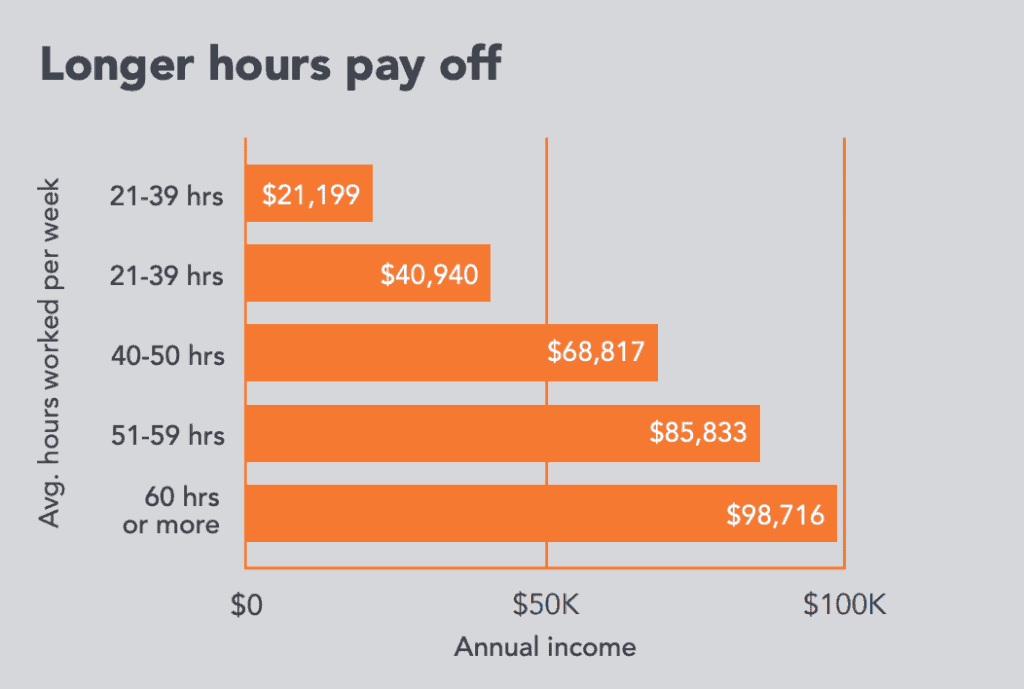
When we talk about “average” income for a real estate agent in California, it’s crucial to acknowledge the immense range. Entry-level agents might earn significantly less in their first few years, often below the state’s average, as they build their network, gain experience, and establish a client base. On the other hand, seasoned professionals, particularly those operating in high-value markets, can command substantial incomes, easily surpassing six figures annually. Industry reports often cite median incomes for real estate agents in California that hover around the mid-to-high five-figure range, sometimes reaching into the lower six figures. However, these figures are just snapshots. The real story lies in the vast disparities. A top-producing agent in Los Angeles might close a single deal that yields more in commission than some agents make in an entire year in a less affluent market. This variability highlights that real estate is less about a fixed salary and more about entrepreneurial drive and sales prowess, offering a direct link between effort and financial reward. This entrepreneurial spirit aligns perfectly with the lifestyle of a frequent traveler or someone who values the freedom to choose their own destinations and accommodations.
Commission Structures and Payouts
Unlike many traditional professions, real estate agents primarily earn income through commissions rather than a fixed salary. When a property is sold, a commission — typically a percentage of the final sale price — is paid by the seller. In California, this commission rate often ranges from 5% to 6%, though it can vary. This total commission is then typically split between the seller’s agent and the buyer’s agent. For example, on a 6% commission, each agent’s brokerage might receive 3%.
However, the agent doesn’t take home the full 3%. They operate under a split agreement with their managing broker. This split can vary wildly, from 50/50 for newer agents to 80/20 or even 90/10 in favor of experienced, high-volume agents. So, if an agent is on a 70/30 split (70% to the agent, 30% to the brokerage), their net commission from that 3% share would be 70% of that figure. On a million-dollar property with a 6% total commission, the agent’s brokerage might receive $30,000, and the agent themselves could take home $21,000 (before taxes and expenses).
Speaking of expenses, agents are essentially independent contractors, meaning they bear the brunt of their operational costs. These can include:
- Licensing and Renewal Fees: Essential for legal operation in California.
- Association Dues: Membership in local, state, and national real estate associations (e.g., California Association of Realtors).
- Marketing and Advertising: Professional photography, virtual tours, online listings, open house expenses, personal branding.
- Transportation: Fuel, vehicle maintenance, and travel for showings, client meetings, and property inspections across sprawling areas like San Diego or the Greater Los Angeles area.
- Office Fees: If not working from a home office, contributions to brokerage office space.
- Technology and Tools: CRM software, lead generation platforms, professional websites.
- Continuing Education: Required to maintain their license and stay updated on market trends.
These significant operating expenses mean that an agent’s gross commission is not their take-home pay, necessitating a robust pipeline of sales to achieve a comfortable income. The more successful agents often view these expenses as investments, enabling them to market properties effectively and reach a broader audience, including those seeking luxury accommodations or unique travel experiences through property ownership.
Factors Influencing Earning Potential in California
The vast and diverse landscape of California means that earning potential for real estate agents is far from uniform. Several critical factors converge to determine an agent’s income, from the specific geographic market they serve to their level of experience and chosen specialization. Understanding these nuances is key to grasping the full scope of a California real estate career.
Location, Location, Location: Regional Market Dynamics
Nowhere is the real estate adage “location, location, location” more pertinent than in California. The state is a mosaic of micro-markets, each with its own average home prices, demand levels, and client demographics, directly impacting an agent’s potential earnings.
- High-Value Coastal Metropolises: Cities like San Francisco, Los Angeles, and San Diego boast some of the most expensive real estate in the United States. A single transaction in upscale neighborhoods such as Beverly Hills, Malibu, or Pacific Heights in San Francisco can generate commissions equivalent to multiple sales in more affordable regions. Agents specializing in these luxury markets often cater to high-net-worth individuals, including international investors seeking exclusive properties or those looking for opulent second homes that double as prime travel accommodations. The competitive nature and high stakes in these areas demand exceptional negotiation skills and a sophisticated understanding of a discerning clientele.
- Tech Hubs and Suburban Growth: Areas surrounding Silicon Valley, such as San Jose and Palo Alto, benefit from the robust tech industry, attracting high-earning professionals and driving up housing demand and prices. Further inland, expanding suburbs and exurbs also offer lucrative opportunities as populations grow and new developments emerge, creating a steady stream of buyer and seller clients.
- Tourist Destinations and Resort Towns: Regions like Palm Springs (known for its desert resorts and mid-century modern architecture), Napa Valley (world-famous wine country), and Lake Tahoe (a premier destination for outdoor enthusiasts) offer unique niches. Agents here often deal with vacation homes, investment properties, and short-term rental opportunities, catering to both domestic and international tourists and investors looking for a piece of California‘s celebrated lifestyle. Selling a vineyard estate or a lakeside cabin often means understanding the nuances of lifestyle marketing and appealing to those seeking an escape.
- More Affordable Interior Markets: While coastal cities dominate headlines, interior California cities and towns offer more accessible entry points for new agents. Though commissions per sale might be lower, the volume of transactions can still lead to a respectable income. The key here is market saturation and the ability to differentiate oneself.
The strategic choice of market plays a monumental role. An agent focusing on the luxury market might close fewer deals but earn significantly more per transaction, while an agent in a high-volume suburban market might close many deals with smaller commissions per sale. Both paths can lead to success, but the lifestyle and day-to-day work can differ dramatically, influencing how agents might approach their own travel and accommodation needs.
Experience, Specialization, and Niche Markets
Beyond location, an agent’s experience level, whether they specialize, and their ability to carve out a niche market are paramount to their earning potential.
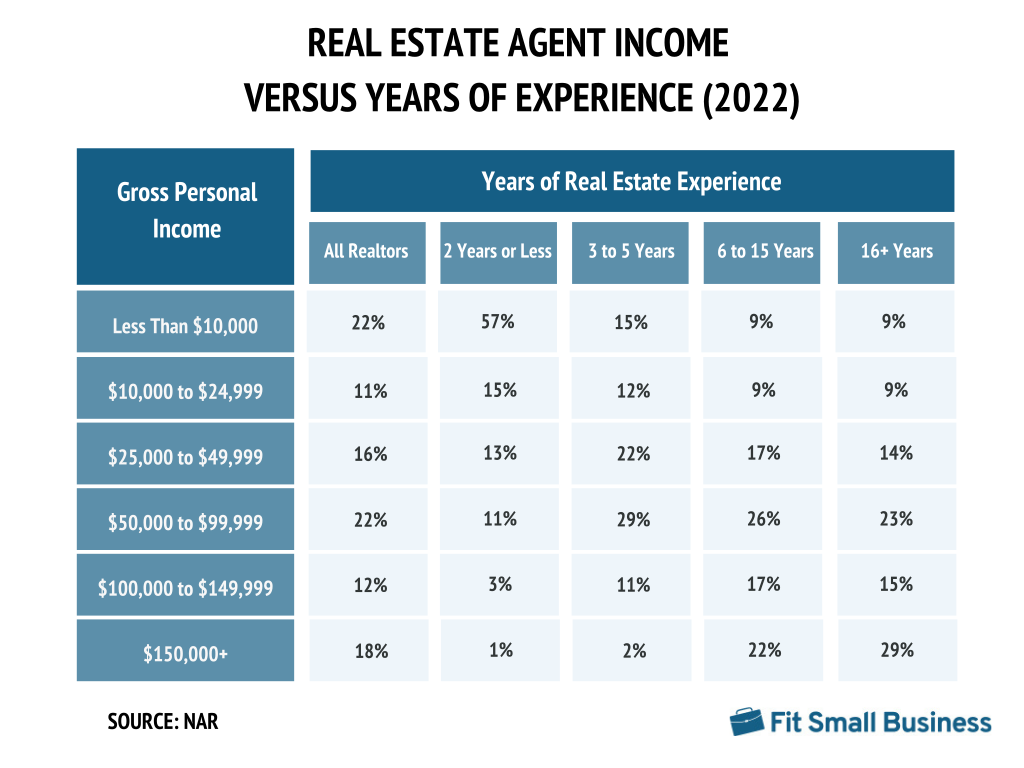
- Experience Pays: New agents typically face a steep learning curve. The first year or two are often characterized by lower earnings as they learn the ropes, build a client base, and establish a reputation. However, as experience grows, so does efficiency, negotiation prowess, and client trust, leading to higher transaction volumes and more lucrative deals. Referrals, which are the lifeblood of experienced agents, come from a proven track record.
- Specialization is Key: In a state as vast as California, becoming a generalist can be challenging. Specializing in a particular segment can significantly boost earnings.
- Luxury Real Estate: Dealing with multi-million dollar properties, often in exclusive communities. This niche demands a sophisticated approach, understanding of high-end amenities, and catering to an elite clientele who value privacy and discretion, often traveling globally.
- Commercial Real Estate: Focusing on office buildings, retail spaces, industrial properties, or even hotels and resorts. Commercial deals often involve much higher transaction values and more complex negotiations, leading to larger commissions per deal. This directly links to the website’s themes of “Hotels” and “Accommodation.”
- Vacation Rentals/Investment Properties: Catering to investors seeking properties for short-term rentals or long-term capital growth in tourist hotspots. This requires knowledge of local rental regulations and market trends.
- Specific Neighborhoods: Becoming the undisputed expert for a particular neighborhood, whether it’s the historic charm of a district in San Francisco or a trendy enclave in Los Angeles, can attract a steady stream of clients.
- Networking and Reputation: A strong professional network, both within the industry and among potential clients, is invaluable. A stellar reputation for integrity, expertise, and client service translates into more referrals and repeat business, which are crucial for consistent high income. Attending industry events, joining local chambers of commerce, and active community involvement can elevate an agent’s profile and open doors to new opportunities.
Economic Tides and Market Trends
The real estate market is highly susceptible to broader economic conditions and trends.
- Interest Rates and Affordability: Low interest rates can stimulate buyer demand by making mortgages more affordable, leading to increased sales and higher commissions for agents. Conversely, rising rates can cool the market, making it harder for buyers and potentially slowing down transactions.
- Housing Supply and Demand: A low inventory of homes combined with high demand (a seller’s market) can drive up prices and competition, benefiting agents through higher commissions. A buyer’s market (high inventory, low demand) can mean longer selling times and more competitive pricing, potentially impacting agent income.
- Economic Health of California: A thriving economy, fueled by tech growth, tourism, and other industries, generally correlates with a strong housing market. When people are employed and businesses are expanding, there’s more demand for both residential and commercial properties. A robust tourism sector, for instance, indirectly supports the real estate market by increasing demand for vacation homes and commercial properties like boutique hotels or restaurants, which agents facilitate.
- Population Growth: California continues to attract people from across the United States and the world, drawn by job opportunities, lifestyle, and diverse cultural experiences. This consistent population influx creates ongoing demand for housing.
Real estate agents in California must be agile, adapting their strategies to prevailing market conditions. Those who can navigate shifts and advise clients effectively often fare best, demonstrating resilience in a constantly evolving economic landscape.
Beyond the Paycheck: The Lifestyle of a California Real Estate Agent
While the financial aspects of a real estate career in California are a primary draw, the lifestyle it affords is often an equally compelling factor. For many, it’s not just about the money, but the freedom, flexibility, and opportunities that come with it—a lifestyle that resonates deeply with the themes of travel, unique accommodations, and enriching experiences.
The Allure of Flexibility and Entrepreneurship
One of the most attractive aspects of being a real estate agent in California is the high degree of flexibility and the entrepreneurial spirit it fosters. Agents are their own bosses, setting their schedules, managing their client base, and dictating their business strategies. This autonomy means that, in theory, successful agents can structure their lives to accommodate extensive travel, family time, or personal passions. Imagine closing a significant deal in San Francisco and then taking a spontaneous trip to explore the historic landmarks of Europe, or enjoying a long weekend at a luxury resort in Mexico. This freedom is a direct byproduct of a successful real estate career in a high-earning market.
However, this flexibility comes with significant demands. The job is not a 9-to-5; it often involves evenings, weekends, and being constantly “on-call.” Clients often need immediate responses, and property showings don’t adhere to a traditional work week. The most successful agents understand that while they have control over their time, they must also be incredibly disciplined, self-motivated, and dedicated to their craft. The grind of building a business, especially in the competitive California market, is intense, but the rewards—both financial and in terms of lifestyle freedom—can be substantial. This balance between hard work and the potential for a luxurious, self-directed lifestyle is a core part of the allure.
Investing in California’s Dream Destinations
Perhaps one of the most intriguing aspects for a successful real estate agent in California is the inside track they gain on investment opportunities. Constantly immersed in market trends, property valuations, and emerging neighborhoods, agents are uniquely positioned to identify lucrative real estate investments for themselves. Many highly successful agents use their earnings and expertise to build personal property portfolios, often acquiring vacation homes or investment properties in the very dream destinations they help clients secure.
Imagine owning a chic condominium in San Diego that doubles as a luxury short-term rental for tourists, or a serene cabin near Lake Tahoe for personal retreats and rental income. Agents can invest in properties near iconic landmarks like the Golden Gate Bridge or in vibrant urban centers, capitalizing on the constant demand for both permanent residences and high-quality temporary accommodation. This blend of professional acumen and personal investment aligns perfectly with a lifestyle website, showcasing how a successful career can directly facilitate a life rich in travel, diverse living arrangements, and financial growth within California’s most desirable locations. It’s about more than just earning a commission; it’s about leveraging that income and knowledge to craft a life of financial independence and experiential wealth.
Contributing to California’s Tourism and Accommodation Landscape
Real estate agents play an often-unseen but crucial role in shaping California’s tourism and accommodation sectors. Every transaction involving a vacation rental, a boutique hotel, a resort property, or even a luxury residential unit that eventually becomes a short-term rental, is facilitated by an agent. By connecting buyers with properties that serve the booming tourism industry, agents directly contribute to the availability and diversity of accommodation options across the state.
They are instrumental in the development and redevelopment of areas that attract visitors. Selling a plot of land for a new hotel development in a burgeoning tourist destination or helping an investor acquire a historic building to transform into unique lodging options in a city like Hollywood directly impacts the “Hotels” and “Accommodation” categories of a lifestyle website. Their work influences the local culture and character of destinations, indirectly impacting the “Tourism” experience for millions. Through their understanding of market demand and property potential, agents help ensure that California continues to offer a wide array of options for travelers, from budget-friendly apartments to five-star suites, cementing the state’s reputation as a premier global destination.
In conclusion, the question of “How Much Do Real Estate Agents Make In California?” yields a rich tapestry of answers. It’s a career path with immense financial potential, particularly for those with entrepreneurial drive, strategic acumen, and the ability to thrive in a highly competitive market. Beyond the raw numbers, it’s a profession that can unlock a lifestyle of flexibility, personal investment, and direct contribution to the vibrant tapestry of travel and accommodation that defines the Golden State. For those who are passionate about property and people, and who dream of a life where their work empowers their passions, California real estate offers an indeed golden opportunity.
LifeOutOfTheBox is a participant in the Amazon Services LLC Associates Program, an affiliate advertising program designed to provide a means for sites to earn advertising fees by advertising and linking to Amazon.com. Amazon, the Amazon logo, AmazonSupply, and the AmazonSupply logo are trademarks of Amazon.com, Inc. or its affiliates. As an Amazon Associate we earn affiliate commissions from qualifying purchases.