
Navigating the Sunshine State’s sprawling landscapes, from its vibrant cities to its serene coastlines, truly comes to life when you have the freedom of the open road. For anyone considering a move to Florida, planning an extended stay, or simply seeking to immerse themselves fully in the local lifestyle, obtaining a Florida driver’s license is a crucial step. Beyond mere legality, a local driver’s license unlocks unparalleled travel opportunities, simplifies daily life, and serves as a primary form of identification, essential for everything from booking accommodation at a luxurious Miami resort to renting a car for a weekend escape to the Florida Keys. This comprehensive guide will walk you through the process, ensuring your journey to becoming a licensed driver in Florida is as smooth as a drive down scenic Highway A1A.
Understanding the Types of Licenses in Florida
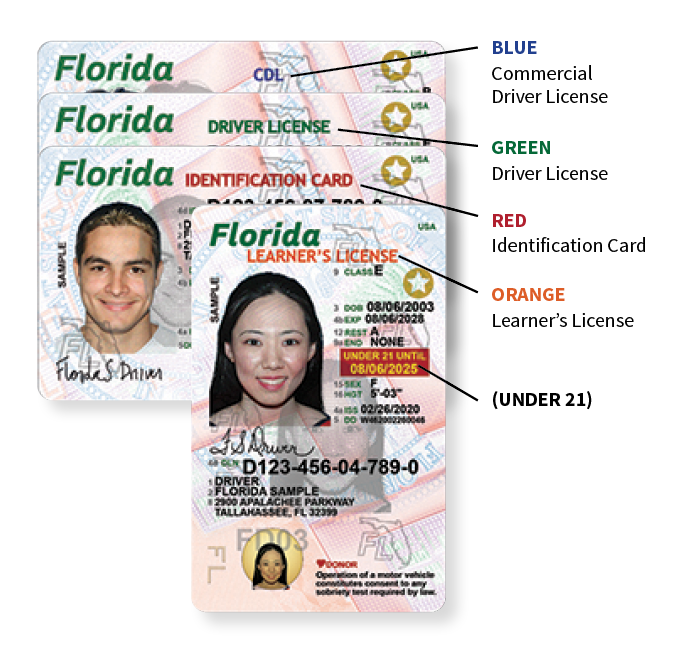
Before you embark on the application process, it’s vital to understand the different types of driver’s licenses available and determine which one best suits your needs. The state of Florida issues various licenses, but for most residents and visitors, the focus will be on the standard operator’s license.
The Learner’s Permit (Restricted License)
Often the first step for new drivers, especially those under 18, the learner’s permit (officially known as a Class E Learner’s License) allows individuals to drive only when accompanied by a licensed driver who is at least 21 years old and occupies the front passenger seat. This permit is an excellent way to gain supervised driving experience before taking the full driving skills test. To be eligible, applicants must be at least 15 years old, pass a vision test, a hearing test, and a written knowledge exam, in addition to completing a required traffic law course.
The Class E Driver’s License (Standard Operator’s License)
This is the most common type of driver’s license and what most people refer to when they talk about getting a “driver’s license.” A Class E license permits you to operate any non-commercial vehicle with a gross vehicle weight rating of less than 26,001 pounds, which covers standard passenger cars, vans, and light trucks. Once you’ve held a learner’s permit for at least one year (if under 18), or if you’re over 18 and have met all other requirements, you can apply for the Class E license by successfully completing the driving skills test. This license is your key to exploring all the diverse attractions and destinations Florida has to offer, from the theme parks of Orlando to the historical charm of St. Augustine.
Commercial Driver’s Licenses (CDL) and Motorcycle Endorsements
While outside the scope of this general guide, it’s worth noting that Florida also issues Commercial Driver’s Licenses (CDLs) for those operating larger vehicles for commercial purposes and specific endorsements for motorcycle operation. If your travel or lifestyle plans involve these types of vehicles, you’ll need to explore additional requirements and testing.
Essential Steps to Obtaining Your Florida Driver’s License
The process of obtaining your Florida driver’s license is methodical, designed to ensure all drivers are competent and aware of the state’s traffic laws. Here’s a breakdown of the crucial steps involved.
Gather Your Required Documents
This is arguably the most critical initial step. The Florida Department of Highway Safety and Motor Vehicles (DHSMV) requires specific documents to verify your identity, residency, and Social Security number. Having these prepared in advance will save you significant time and potential frustration at the DMV office. For a standard Class E license, you’ll typically need:
- Proof of Identity: One primary document such as an original birth certificate (with a raised seal), a valid U.S. passport, or a certificate of naturalization.
- Proof of Social Security Number (SSN): Your Social Security card, a W-2 form, a pay stub with your SSN, or a 1099 form.
- Proof of Residential Address (Two Different Documents): This can include a utility bill, a lease agreement, a deed, a major credit card statement, or a bank statement. For families, a parent’s proof of residency may suffice for minors.
- Proof of Name Change (if applicable): Marriage certificate or court order.
It’s important to remember that Florida is a Real ID compliant state, so the documents you present will also satisfy federal Real ID requirements, allowing your Florida driver’s license to be used for federal purposes, such as boarding domestic flights within the United States or accessing federal facilities.
Complete the Traffic Law and Substance Abuse Education (TLSAE) Course
Mandatory for all first-time drivers in Florida, regardless of age, the Traffic Law and Substance Abuse Education (TLSAE) course is designed to educate new drivers on traffic laws, the dangers of driving under the influence, and safe driving practices. This four-hour course can be completed online or in a classroom setting through various approved providers. Completing the TLSAE course is a prerequisite for taking the written knowledge exam and applying for a learner’s permit.
Pass the Vision and Written Knowledge Tests
Once your documents are in order and your TLSAE course is complete, your next step is to visit a local DHSMV office. Here, you’ll undergo a vision test to ensure your eyesight meets the minimum requirements for safe driving. Following this, you’ll take the written knowledge exam, which consists of 50 multiple-choice questions covering traffic laws, road signs, and safe driving practices. A passing score of 80% or higher is required. Many resources are available to help you prepare, including the official Florida Driver Handbook, which can be found online or at any DHSMV service center.
Schedule and Conquer the Driving Skills Test
After successfully passing the vision and written tests, and having held your learner’s permit for at least one year (if applicable for minors), you’re ready for the final hurdle: the driving skills test. This practical exam evaluates your ability to safely operate a vehicle and demonstrate basic maneuvers. You’ll need to provide a vehicle for the test that is properly registered, insured, and in safe working condition. A licensed driver must accompany you to the testing site.
During the test, an examiner will assess your skills in areas such as:
- Starting and stopping
- Turning
- Parking (including parallel parking)
- Backing up
- Lane changes
- Maintaining proper speed and following distance
- Observing traffic signals and signs
- Three-point turns (if applicable)
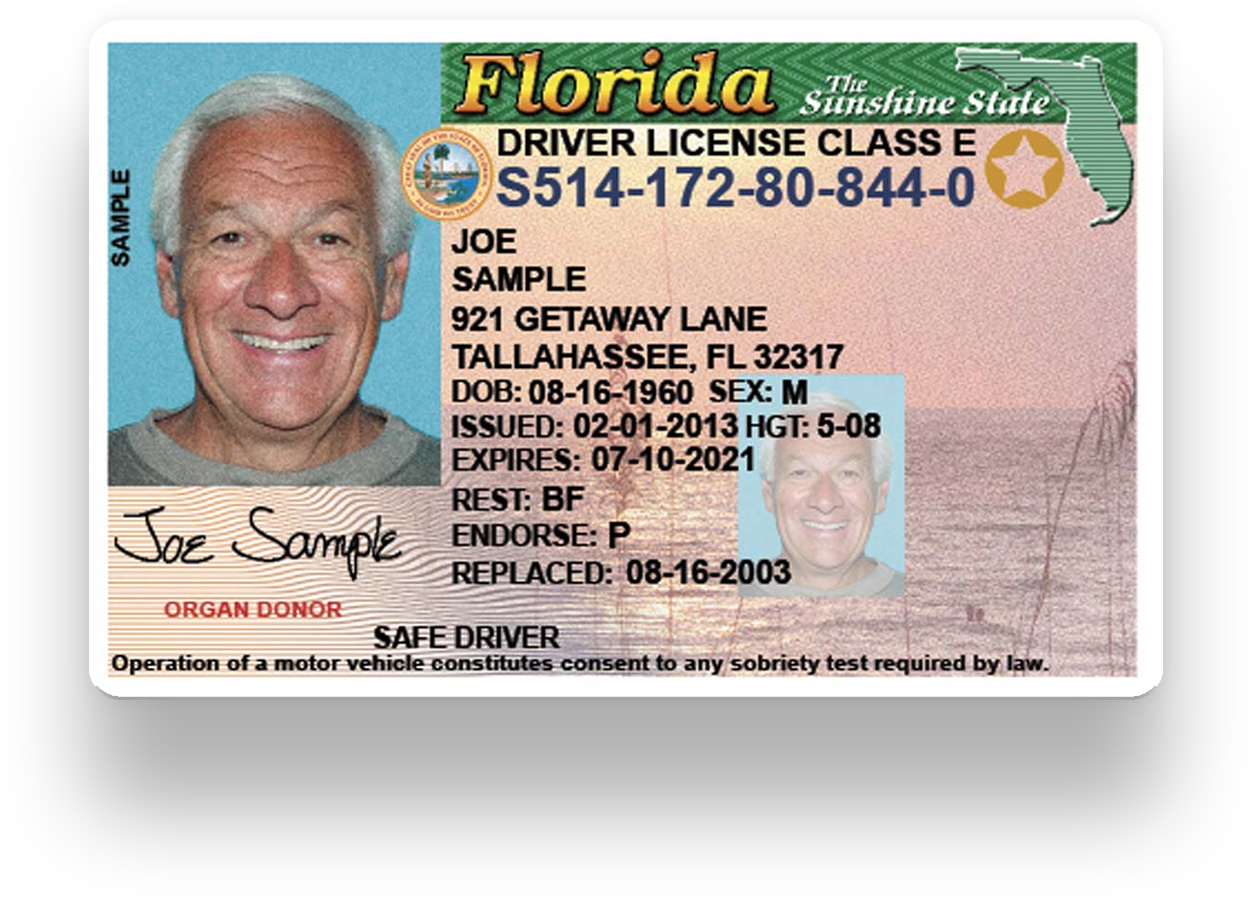
Successfully passing the driving skills test means you’ve met all the requirements to be issued your Florida Class E driver’s license. Congratulations! This officially opens up the entire state for you to explore, from the pristine beaches of St. Petersburg to the vibrant nightlife of South Beach in Miami.
Specific Scenarios: New Residents, Non-Citizens, and Under 18 Applicants
The general process outlined above applies to most first-time license applicants. However, specific groups have slightly different requirements or considerations.
Moving to Florida: Transferring an Out-of-State License
If you’re a new resident moving to Florida with a valid driver’s license from another U.S. state or a qualifying U.S. territory, you generally won’t need to take the written or driving skills tests. You must apply for a Florida driver’s license within 30 days of becoming a resident. You’ll still need to provide the required proof of identity, SSN, and residential address, and pass a vision and hearing test. Your out-of-state license will be surrendered upon issuance of your Florida license. This streamlined process ensures new residents can quickly adapt to life in the Sunshine State, making it easier to settle into a new home or explore new neighborhoods.
Guidelines for Non-U.S. Citizens
Non-U.S. citizens residing in Florida may also obtain a driver’s license, provided they meet specific criteria and can present appropriate documentation. This typically includes a valid passport, proof of legal presence in the United States (such as a visa, I-94 form, or permanent resident card), and proof of residential address. The duration of your license will usually coincide with the expiration date of your legal presence document. Non-U.S. citizens will generally follow the same testing procedures (vision, written, and driving skills tests) as first-time applicants, unless they are able to transfer a license from certain recognized countries with reciprocal agreements.
Requirements for Teen Drivers (Under 18)
For drivers under the age of 18, the process has a few additional steps designed to promote safe driving habits among young adults. As mentioned, a learner’s permit is mandatory, which must be held for at least one year without traffic convictions before applying for a Class E license. Additionally, minors must complete at least 50 hours of behind-the-wheel practice, with 10 of those hours at night, supervised by a licensed driver 21 years or older. A parent or guardian must also sign the application, taking responsibility for the minor’s driving actions. These measures ensure that young drivers gain ample experience before gaining full driving privileges, preparing them for responsible exploration of Florida’s roads, whether it’s for school, recreational activities, or family trips to attractions like Walt Disney World Resort or Busch Gardens Tampa Bay.
Tips for a Smooth Application Process and Maximizing Your Florida Experience
Getting your driver’s license shouldn’t be a stressful ordeal. With a little preparation and foresight, you can make the process efficient and even enjoyable.
Preparing for Your Tests
Thorough preparation is key to passing your written and driving tests on the first attempt.
- For the Written Test: Dedicate time to studying the official Florida Driver Handbook. Many online practice tests are available through the DHSMV website or third-party providers, which can help you familiarize yourself with the format and types of questions.
- For the Driving Skills Test: Practice, practice, practice! Focus on the maneuvers that will be tested, such as parallel parking, three-point turns, and proper lane usage. Drive in various conditions and environments, always under the supervision of a licensed driver if you have a learner’s permit. Ensure your vehicle is in good working order (lights, turn signals, brakes, tires) before heading to the test.
Finding Your Local DMV/DHSMV Office
The Florida Department of Highway Safety and Motor Vehicles (DHSMV) operates numerous service centers across the state. You can easily find the nearest office and even schedule an appointment online through the official DHSMV website. Scheduling an appointment is highly recommended to minimize wait times, especially in bustling cities like Jacksonville or Tampa. Some counties also have tax collector’s offices that offer DHSMV services.
The Freedom a Florida Driver’s License Offers
Beyond the administrative necessity, obtaining your Florida driver’s license signifies a gateway to unparalleled freedom and convenience. With your license, you can confidently rent vehicles to embark on road trips, seamlessly commute to work, or simply enjoy the convenience of personal transportation for everyday errands. Imagine driving down the scenic coastal roads, stopping at charming beachfront towns, or venturing inland to explore hidden gems like Everglades National Park or the historic sites around Gainesville. Your license facilitates easy access to a vast array of hotels, resorts, and unique accommodations across the state, from luxury villas near Naples to quaint bed and breakfasts in the Panhandle. It’s not just about driving; it’s about experiencing the true essence of Florida at your own pace, whether for a spontaneous weekend getaway or as part of your daily lifestyle.
In conclusion, securing a driver’s license in Florida is a straightforward process when you know what to expect and prepare accordingly. By understanding the types of licenses, gathering your documents, completing the required courses and tests, and being mindful of specific scenarios, you’ll soon be ready to hit the road. This essential credential not only grants you legal driving privileges but also empowers you to fully embrace the vibrant travel, tourism, and lifestyle opportunities that the Sunshine State so abundantly offers. Get ready to explore every corner of Florida with confidence and independence!
LifeOutOfTheBox is a participant in the Amazon Services LLC Associates Program, an affiliate advertising program designed to provide a means for sites to earn advertising fees by advertising and linking to Amazon.com. Amazon, the Amazon logo, AmazonSupply, and the AmazonSupply logo are trademarks of Amazon.com, Inc. or its affiliates. As an Amazon Associate we earn affiliate commissions from qualifying purchases.