
Embarking on a journey across the vast and vibrant landscapes of Texas is an experience unlike any other. From the bustling metropolitan areas of Houston and Dallas to the historic charm of San Antonio and the live music capital of Austin, the Lone Star State beckons with diverse attractions and endless possibilities for exploration. However, to truly unlock the freedom of independent travel and immerse yourself in the authentic Texas lifestyle, a driver’s permit is often the first and most crucial step. Public transportation options are limited outside major cities, making a personal vehicle an indispensable asset for those looking to discover hidden gems, visit remote landmarks, or simply navigate daily life.
This guide is designed not just to walk you through the procedural steps of obtaining a driver’s permit in Texas, but also to highlight how this foundational document serves as your gateway to unforgettable travel experiences and a richer understanding of local tourism. Whether you’re planning an epic road trip through the Texas Hill Country, seeking a luxurious resort stay near the Gulf Coast, or aiming for a budget-friendly adventure in one of the state’s magnificent natural parks, your journey begins with securing the proper authorization to drive. Let’s navigate the road ahead, ensuring you’re fully equipped to explore all that Texas has to offer.
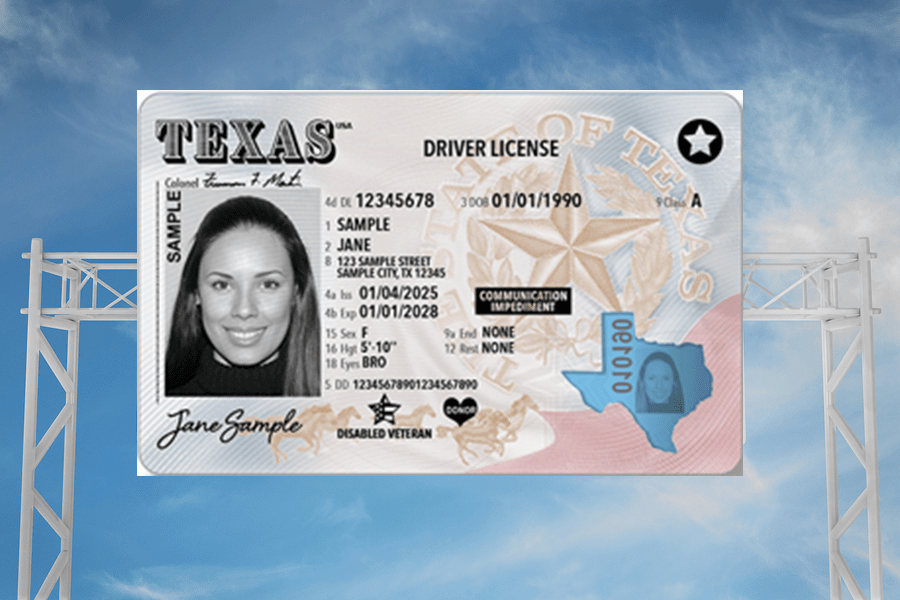
The Road to Independence: Why a Texas Driver’s Permit Matters for Travelers and Residents Alike
In a state as sprawling and geographically diverse as Texas, personal mobility isn’t just a convenience; it’s often a necessity and a cornerstone of the local lifestyle. For both long-term residents and intrepid travelers, securing a driver’s permit is the foundational step towards unparalleled independence and access. Imagine planning a multi-city itinerary, hopping from the urban sophistication of Dallas to the historic missions of San Antonio, and then venturing out to the rugged beauty of Big Bend National Park in West Texas. Without the ability to drive, experiencing these diverse landscapes and cultural landmarks becomes significantly more challenging and often prohibitively expensive.
A Texas driver’s permit opens doors to myriad travel experiences. It allows you to freely explore unique destinations that are off the beaten path, far from conventional public transport routes. Consider the charm of staying at a boutique hotel in a quaint small town in the Texas Hill Country, or booking a secluded villa for a long-term stay near a lesser-known state park. These accommodations, offering a true taste of local culture and hospitality, are often best accessed by car. Furthermore, independent driving empowers you to fully engage with Texas tourism on your own terms. You can follow bespoke food trails, visit numerous historical sites like The Alamo, or even embark on a spontaneous detour to a roadside attraction that catches your eye. This freedom is integral to embracing a truly flexible and immersive lifestyle, whether your travel style leans towards luxury escapades or budget-conscious explorations. Having a permit is not merely about legality; it’s about gaining the liberty to curate your own authentic Texas adventure, at your own pace.
Navigating the Application Process: Your Step-by-Step Guide
Obtaining a driver’s permit in Texas involves a structured process overseen by the Texas Department of Public Safety (DPS). While it requires attention to detail and a commitment to gathering the necessary paperwork, understanding each step can significantly streamline your application. For many, this process represents the first hurdle towards experiencing the freedom of the open road, whether it’s for local commutes, family trips, or the exciting prospect of cross-state travel within the USA.
Eligibility Requirements: Who Can Apply?
The eligibility criteria largely depend on your age and whether you’re applying for a learner’s permit (also known as an instruction permit) or an adult driver’s license.
- For Minors (Ages 15-17): If you are between 15 and 17 years old, you are eligible to apply for a learner’s permit. This permit allows you to practice driving under specific conditions before you can apply for a provisional driver’s license. A key requirement for this age group is enrollment in, or completion of, a state-approved driver education program.
- For Adults (Age 18 and Older): If you are 18 years or older, you can apply directly for an adult instruction permit or, if you meet all requirements, for a full driver’s license. While driver education is not mandatory for adults aged 18 and above, it is highly recommended and can waive the requirement for a road test if completed through an approved program.
- Residency: All applicants must provide proof of Texas residency. This means you must reside in Texas to be eligible for a Texas driver’s permit or license.
Understanding these initial requirements will help you determine the specific path you need to follow and prepare for the documentation stage.
Gathering Your Documentation: What You’ll Need
The most critical part of the application process is presenting the correct and complete set of documents to the Texas Department of Public Safety. These documents serve to verify your identity, residency, and eligibility. Failing to bring the right paperwork will result in delays and multiple trips to the DPS office, hindering your plans for travel or local exploration.
Here’s a comprehensive list of what you will typically need:
-
Proof of Identity:
- One primary document (e.g., U.S. passport, U.S. birth certificate, U.S. military ID card, or Certificate of Naturalization).
- Alternatively, two secondary documents (e.g., original or certified copy of a state birth certificate, or U.S. Citizen Identification Card).
- Or, one secondary document and two supporting documents (e.g., voter registration card, health insurance card, or an unexpired concealed handgun license).
- For non-U.S. citizens, specific immigration documents proving lawful presence (e.g., valid foreign passport with an I-94 stamp or form, Resident Alien Card, or Employment Authorization Card).
-
Proof of Social Security Number (SSN): Your Social Security card or a document with your SSN printed on it (e.g., W-2 form, SSA-1099, or a pay stub).
-
Proof of U.S. Citizenship or Lawful Presence: This often overlaps with proof of identity. If you are not a U.S. citizen, you must provide documentation that establishes your lawful presence in the USA, such as a valid visa and I-94 record, or Permanent Resident Card.
-
Proof of Texas Residency (Two Documents): These must show your name and current Texas address. Examples include:
- Current utility bill (electric, water, gas, internet, cable, or landline phone bill).
- Current Texas vehicle registration or title.
- Current Texas voter registration card.
- Current homeowner’s or renter’s insurance policy or statement.
- Current mortgage statement or residential lease.
- Mail from a federal, state, or local government agency.
-
Proof of School Enrollment or High School Diploma/GED (for applicants under 18):
- A Verification of Enrollment (VOE) form from your school, signed and dated within 30 days of your application.
- High school diploma or GED certificate.
-
Proof of Driver Education Completion (for applicants under 18): A certificate of completion from an approved driver education course.

While not required for the permit application itself, if you plan to take the road test on the same day (for adults 18+ who can waive the permit period) or when you eventually apply for your license, you’ll also need:
- Proof of Vehicle Registration: For the vehicle you will use for the road test.
- Proof of Liability Insurance: For the vehicle used for the road test.
It is highly advisable to visit the official Texas Department of Public Safety website or contact them directly for the most up-to-date list of acceptable documents, as requirements can occasionally change.
The Application Journey: From Written Test to Permit Issuance
Once you have meticulously gathered all your required documents, you are ready to visit a Texas Department of Public Safety office. It’s often recommended to schedule an appointment online if available, as walk-in wait times can be substantial, especially in busy urban centers like Houston or Austin.
- Complete Driver Education: (For applicants under 18) Ensure you have completed the classroom portion of your driver education course and received your certificate. Adults aged 18-24 must also complete an approved adult driver education course.
- Visit the DPS Office: Present yourself at the DPS office with all your original documents.
- Complete the Driver License Application: You will fill out an application form (DL-14A) provided at the office or pre-filled online.
- Present Documents: Submit all your supporting documents for verification.
- Fingerprints and Photo: You will be required to provide your fingerprints and have your photo taken for the permit.
- Vision Exam: A vision test will be administered to ensure you meet the minimum visual acuity standards.
- Written Knowledge Test: You must pass a written examination covering Texas traffic laws and road signs. This test can be challenging, so studying the official Texas Driver Handbook is crucial. Many driver education courses also include preparatory material.
- Pay the Required Fee: There is an application fee for the permit, which can be paid by cash, check, money order, or credit card.
- Receive Your Learner’s Permit: Upon successful completion of all these steps and passing the written test, you will be issued a temporary learner’s permit. The official card will typically be mailed to you within a few weeks.
Congratulations! With your new learner’s permit in hand, you are now officially on the path to becoming a licensed driver in Texas, opening up a world of independent travel and exploration.
From Permit to License: Unlocking the Full Texas Experience
A learner’s permit is a significant milestone, but it’s just the beginning. The next phase involves supervised practice driving and ultimately, the road test, which will grant you a full driver’s license. This final step is what truly unlocks the vast opportunities for travel, tourism, and embracing the distinct Texas lifestyle.
Learner’s Permit Restrictions and Practice Driving
With a Texas learner’s permit, there are specific restrictions designed to ensure your safety and provide a structured learning environment. For individuals under 18, you must drive only when accompanied by a licensed driver who is at least 21 years old and seated in the front passenger seat. There are also specific requirements for the number of supervised driving hours, including a certain amount of nighttime driving, which must be logged. For adults 18 and older, the permit also requires a licensed driver to be present when operating a vehicle.
This practice period is vital. It’s not just about accumulating hours; it’s about developing essential driving skills, understanding road etiquette, and building confidence behind the wheel. The more proficient you become during this phase, the safer and more enjoyable your future road trips will be, whether you’re navigating the urban sprawl of Houston or cruising through the serene landscapes of the Texas Hill Country. This is where the practical application of your permit directly translates into the ability to safely access hotels, explore landmarks, and participate in local tourism.
The Driving Test and Beyond: Your Passport to Texas Exploration
Once you’ve completed your required practice hours (for minors) or feel confident in your driving abilities (for adults), the final hurdle is the driving test, also known as the road test.
- Scheduling the Road Test: You can typically schedule your road test online through the Texas Department of Public Safety website or by calling a local office. Ensure you have proof of vehicle registration and insurance for the vehicle you intend to use. The vehicle must be in good working condition.
- What to Expect: The driving test evaluates your ability to safely operate a vehicle and adhere to traffic laws. It usually includes:
- Vehicle Inspection: The examiner will check your vehicle’s lights, turn signals, horn, brakes, and mirrors.
- Basic Maneuvers: You’ll be asked to demonstrate skills like parallel parking, backing up in a straight line, and potentially a three-point turn.
- On-Road Driving: You’ll drive on public roads, where the examiner will assess your observation skills, lane changes, turns, stop-and-go driving, and adherence to speed limits and traffic signs.
- Obtaining Your Provisional/Adult License: If you pass the road test, you’ll return to the DPS office to complete the final paperwork, pay any remaining fees, and have your photo taken for your official driver’s license. Minors will receive a provisional license, which comes with certain restrictions (e.g., limits on the number of passengers under 21, and restrictions on nighttime driving) for a period. Adults will receive a full Class C driver’s license.
With your provisional or full Texas driver’s license, the entire state, and indeed the entire USA, becomes your playground. You can now confidently plan those dream road trips, book accommodations from luxury resorts to charming bed-and-breakfasts, and independently seek out unique travel experiences. Whether it’s visiting the NASA Johnson Space Center in Houston, exploring the iconic Alamo in San Antonio, or discovering the natural beauty of one of Texas’s many state parks, your driver’s license is your passport to a life of adventure and exploration, embodying the ultimate freedom of travel and a truly independent lifestyle.
Securing a driver’s permit in Texas is more than just a bureaucratic process; it’s an investment in your personal freedom and your ability to explore one of the most dynamic and diverse states in the USA. From the initial eligibility checks and meticulous document gathering to passing the written and practical driving tests, each step brings you closer to unlocking a world of travel opportunities. This permit is your key to experiencing Texas on your own terms, enabling you to discover hidden landmarks, choose from a vast array of accommodations, and fully immerse yourself in local tourism. So, prepare diligently, navigate the process with confidence, and get ready to embark on countless unforgettable journeys across the Lone Star State. Your adventure awaits!
LifeOutOfTheBox is a participant in the Amazon Services LLC Associates Program, an affiliate advertising program designed to provide a means for sites to earn advertising fees by advertising and linking to Amazon.com. Amazon, the Amazon logo, AmazonSupply, and the AmazonSupply logo are trademarks of Amazon.com, Inc. or its affiliates. As an Amazon Associate we earn affiliate commissions from qualifying purchases.