
Embarking on the journey of marriage is a significant milestone, and for many couples in the Lone Star State, a courthouse wedding in Texas offers a charming, efficient, and deeply personal way to say “I do.” This guide will navigate you through the process, from understanding the requirements to celebrating your new union, all while keeping in mind the diverse travel and lifestyle aspects that make Texas such a unique destination for such occasions. Whether you’re a local or planning a destination wedding in Texas, understanding the nuances of a courthouse ceremony can streamline your experience and allow you to focus on what truly matters: your commitment to each other.

The Road to “I Do”: Essential Requirements for a Texas Courthouse Wedding
Before you can walk down the aisle (even if it’s just a short walk to the judge’s chambers), there are a few fundamental steps and requirements you need to meet in Texas. These are designed to ensure your marriage is legally recognized and to provide a clear framework for couples choosing this path.
Securing Your Marriage License: The First Crucial Step
The absolute first step in any Texas courthouse wedding is obtaining a marriage license. This is not a mere formality; it’s the legal authorization that allows you to be married.
- Where to Obtain It: Marriage licenses are issued by the County Clerk’s office in any county within Texas. You do not need to obtain the license in the county where you plan to get married, nor do you need to be a resident of Texas to get married there.
- Who Needs to Be Present: Both individuals applying for the marriage license must be present at the County Clerk’s office.
- Required Identification: You will need to present valid, government-issued identification. Acceptable forms typically include a driver’s license, state ID card, passport, or military ID. Birth certificates may be required for individuals under a certain age or if other forms of ID are not available.
- Age Requirements: Both parties must be at least 18 years old to obtain a marriage license without parental consent. If one party is 16 or 17, they will need parental consent from both parents (or the parent with legal custody) and must attend a premarital counseling program. Individuals under 16 cannot marry in Texas.
- The Waiting Period: Once issued, there is a 72-hour waiting period before the marriage license becomes effective. This means you cannot get married immediately after obtaining the license. This waiting period can be waived under certain circumstances, such as if one party is on active duty in the United States armed forces or if both parties complete a premarital education course.
- License Expiration: A Texas marriage license is valid for 90 days from the date it is issued. It’s crucial to get married within this timeframe, or you will need to apply for a new license.
- Application Process: The application itself is straightforward and involves providing basic personal information, including your full names, dates of birth, places of birth, and social security numbers. You will also be asked if you have been previously married and, if so, how the marriage ended (divorce, death, annulment) and the date it concluded.
The Ceremony Itself: Simplicity and Legality
The courthouse ceremony in Texas is typically a brief and civil affair, conducted by a justice of the peace or a county judge.
- Who Can Officiate: The ceremony can be performed by any authorized officiant, including judges (district, county, municipal, or justice of the peace), ordained ministers, priests, rabbis, and other religious officials. For a courthouse wedding, you’ll most likely be married by a judge.
- Location: While often referred to as a “courthouse wedding,” the ceremony may take place in various locations within the courthouse, such as the judge’s chambers, a small ceremony room, or even a designated courtroom. Some courthouses may have specific areas set aside for civil ceremonies.
- What to Expect: The ceremony is usually short, lasting around 10-15 minutes. The officiant will perform a brief rite, ask you to state your vows, and pronounce you married.
- Witnesses: In most cases, you will need one witness to sign your marriage license. However, this can vary slightly by county, so it’s always a good idea to confirm with the specific County Clerk’s office where you intend to have the ceremony. The witness must be at least 18 years old.
- The Marriage Certificate: After the ceremony, the officiant will sign your marriage license, and the witness(es) will also sign. The officiant is then responsible for returning the signed license to the County Clerk’s office for recording. You will receive an official certified copy of your marriage certificate, which serves as proof of your legal marriage. This document is vital for name changes, insurance, and other legal matters.
Planning Your Texas Courthouse Wedding: Beyond the Legalities

While the legal aspects are paramount, the beauty of a courthouse wedding in Texas lies in its adaptability. It can be an intimate elopement or the starting point for a larger celebration, integrating seamlessly with the state’s rich tourism and lifestyle offerings.
Choosing Your Texas Setting: A Blend of Culture and Convenience
Texas offers a diverse range of backdrops for your courthouse wedding, from bustling metropolises to charming small towns, each with its unique appeal. Your choice of location can significantly enhance your overall experience, especially if you’re considering it as part of a larger travel plan.
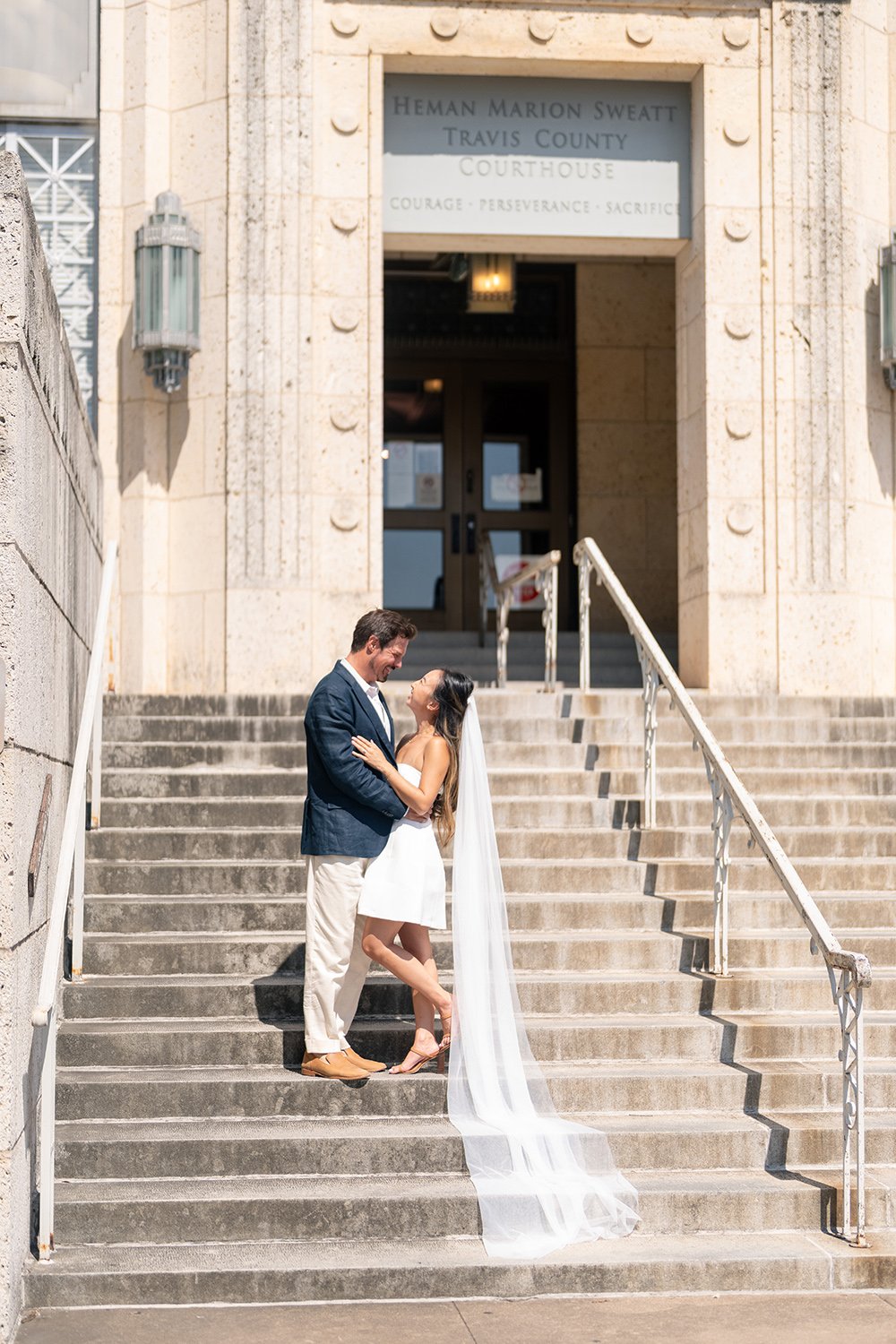
- Urban Elegance in Austin: For couples who love live music and a vibrant, quirky atmosphere, Austin provides a fantastic option. You can tie the knot at the Travis County Courthouse and then explore the city’s iconic live music venues or enjoy the culinary delights at a local restaurant. Consider a stay at a boutique hotel in the heart of the city for easy access to attractions.
- Historic Charm in San Antonio: With its rich history and Spanish colonial architecture, San Antonio offers a romantic setting. The Bexar County Courthouse is a stunning architectural gem itself. Afterward, you can stroll along the Riverwalk, visit the historic Alamo, or enjoy authentic Tex-Mex cuisine. Many beautiful resorts and hotels are available, offering a perfect blend of accommodation and historical immersion.
- Sophistication in Dallas: For a more cosmopolitan experience, Dallas presents a wealth of options. The Dallas County Courthouse is centrally located, allowing easy access to world-class shopping, dining, and cultural attractions like the Dallas Arts District. Luxury hotels and diverse dining experiences abound, catering to every taste.
- Southern Hospitality in Houston: As the most populous city in Texas, Houston offers a melting pot of cultures and experiences. The Harris County Courthouse serves as your legal gateway to a city renowned for its culinary scene, the Space Center Houston, and numerous museums. A wide array of accommodations, from chic urban apartments to sprawling resorts, ensures a comfortable stay.
- Quaint Towns and Scenic Beauty: Beyond the major cities, many smaller towns in Texas boast charming courthouses and a more relaxed pace of life. Consider towns in the Texas Hill Country like Fredericksburg or historic towns like Galveston for a unique, destination-wedding feel. These locations often offer a more intimate and picturesque experience, with opportunities for exploring local wineries, boutiques, and natural landscapes.
Enhancing Your Courthouse Nuptials: Personal Touches and Celebrations
A courthouse wedding doesn’t have to be purely functional. It can be the perfect foundation for a memorable celebration, incorporating elements of travel, lifestyle, and personal preferences.
- Post-Ceremony Celebrations: Once you’ve officially become Mr. and Mrs. (or kept your individual names!), the possibilities for celebration are endless. You could opt for an intimate dinner at a highly-rated restaurant, a casual gathering with close friends and family at a local brewery or bar, or even a picnic in one of Texas’s beautiful parks. If you’re planning a larger reception, the courthouse ceremony can serve as the civil commencement to your festivities.
- Incorporating Travel and Tourism: Many couples use their courthouse wedding as an opportunity for a mini-getaway. You might choose a courthouse in a city you’ve always wanted to visit, turning your wedding into an exploration of new attractions. This allows you to combine the legal act of marriage with cultural experiences, sampling local cuisine, visiting landmarks, or enjoying the unique tourism offerings of the chosen area. Consider staying in a charming bed and breakfast or a well-appointed hotel for a truly immersive experience.
- Photography Opportunities: The courthouses themselves, especially in larger cities like San Antonio or Dallas, often boast beautiful architecture that makes for stunning wedding photos. Following the ceremony, you can explore nearby landmarks, parks, or urban landscapes for a diverse range of photographic backdrops, capturing the essence of your Texas wedding.
- Guest Experience: If you have guests traveling to Texas for your wedding, a courthouse ceremony can be a relaxed way to begin the proceedings, leaving ample time for them to enjoy the local attractions. You can provide them with a curated list of recommended hotels, restaurants, and activities, turning their trip into a memorable travel experience.
- Budget-Friendly Lifestyle: A courthouse wedding is often an excellent choice for couples seeking to manage their wedding budget without compromising on the significance of the day. The cost savings can then be allocated towards other aspects of your married life, such as a honeymoon, a down payment on a home, or other lifestyle aspirations. This aligns perfectly with budget-conscious travel and lifestyle choices.
After the “I Do”: Navigating Life as a Married Couple
The legalities of marriage extend beyond the ceremony itself. Obtaining your marriage certificate and understanding its implications is crucial for officially beginning your life together.
- Obtaining Your Certified Marriage Certificate: As mentioned, the officiant is responsible for returning the signed marriage license to the County Clerk’s office. You will typically receive a certified copy of your marriage certificate by mail within a few weeks, or you may be able to pick it up in person. It’s advisable to obtain at least two certified copies, as you may need them for various administrative tasks.
- Name Change: If you plan to change your name, your certified marriage certificate is the primary document required by most government agencies, including the Social Security Administration, the Department of Public Safety (for your driver’s license or state ID), and your employer. The process for name changes can vary slightly by agency, so it’s wise to research the specific requirements for each.
- Updating Beneficiaries and Accounts: You’ll also want to update beneficiary information on insurance policies, retirement accounts, and other financial documents. Joint bank accounts, credit cards, and other shared financial arrangements will also need to be adjusted.
- Considering Long-Term Stays and Accommodation: For couples who have chosen Texas for their courthouse wedding and perhaps intend to settle there, understanding accommodation options is key. Whether you’re looking for short-term stays while you finalize your affairs or considering long-term apartment rentals or villas in a new city, Texas offers a wide spectrum of choices. The initial wedding experience can seamlessly transition into a search for your future home or a comfortable base for continued exploration of the state’s diverse regions.
In conclusion, a courthouse wedding in Texas is a practical, meaningful, and often beautiful way to begin your married life. By understanding the requirements for the marriage license and ceremony, and by thoughtfully considering the unique travel, tourism, and lifestyle opportunities the Lone Star State offers, you can craft a truly special and memorable beginning to your journey together.
LifeOutOfTheBox is a participant in the Amazon Services LLC Associates Program, an affiliate advertising program designed to provide a means for sites to earn advertising fees by advertising and linking to Amazon.com. Amazon, the Amazon logo, AmazonSupply, and the AmazonSupply logo are trademarks of Amazon.com, Inc. or its affiliates. As an Amazon Associate we earn affiliate commissions from qualifying purchases.