
Florida, often known as the Sunshine State, beckons millions of visitors annually with its pristine beaches, vibrant cities, and world-class attractions. From the magical theme parks of Orlando to the Art Deco charm of Miami Beach and the tranquil beauty of the Florida Keys, the state offers an unparalleled travel experience. For residents, new arrivals, or even long-term visitors planning to immerse themselves fully in the Florida lifestyle, obtaining a driver’s permit is often a fundamental step. While the thought of navigating bureaucratic processes can seem daunting, understanding the requirements and steps involved in acquiring your driver’s permit in Florida is straightforward and can significantly enhance your ability to explore this diverse state.
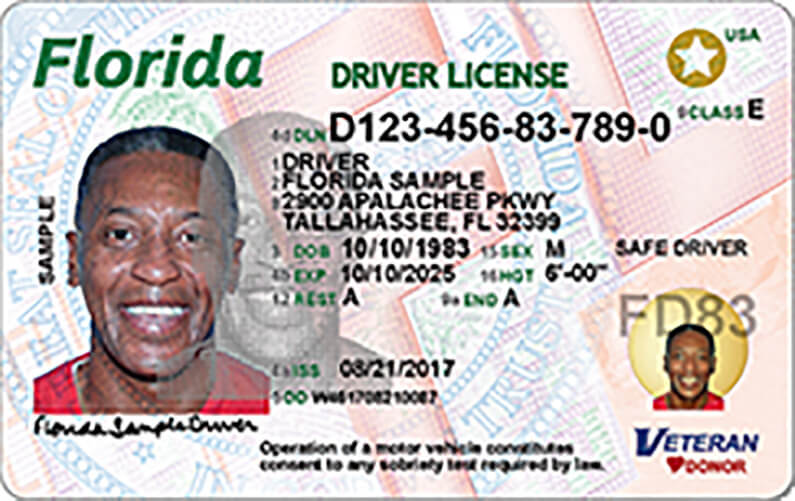
Whether you’re a teenager eager to gain independence, an adult new to the state, or a family planning an extended stay, a Florida driver’s permit opens up a world of possibilities. It’s not just about getting from point A to point B; it’s about the freedom to embark on spontaneous road trips along scenic coastal highways, visit hidden gems off the beaten path, or simply manage daily commutes with ease. This comprehensive guide will walk you through everything you need to know about securing your permit, from eligibility and documentation to the application process itself, ensuring you’re well-prepared to hit the open road.
Understanding Florida’s Driver Permit System
Before delving into the specifics of the application process, it’s crucial to understand the different types of driver permits and licenses available in Florida and their relevance. The state’s system is designed to gradually introduce new drivers to the responsibilities of operating a vehicle, ensuring safety for all road users. For anyone intending to drive in Florida, whether as a permanent resident, a new arrival, or an extended visitor, understanding these categories is the first step towards seamless mobility.
The Importance of a Florida Permit for Residents and Visitors
For Florida residents, a permit is typically the initial step in the graduated licensing program, leading to a full driver’s license. It signifies your legal ability to begin learning to drive under supervision. For those relocating to the Sunshine State, converting an out-of-state license to a Florida license is often a requirement within a specific timeframe once residency is established. While international visitors with valid foreign licenses can typically drive in Florida for up to one year, obtaining a Florida permit or license might become necessary for longer stays or if you intend to establish even temporary residency. This permit ensures compliance with state laws and simplifies interactions with law enforcement and insurance providers, making your travel and living experience much smoother. Imagine planning a stay at a luxurious resort in Key West or a family vacation near Walt Disney World Resort in Kissimmee; having the proper driving credentials makes navigating these popular destinations considerably easier.
Types of Permits and Licenses in Florida
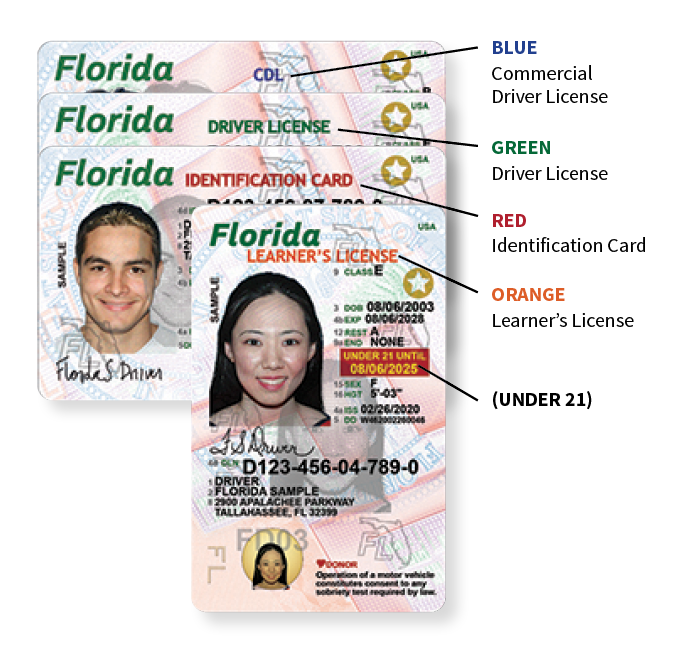
Florida operates a graduated driver licensing (GDL) program for young drivers, which includes several stages:
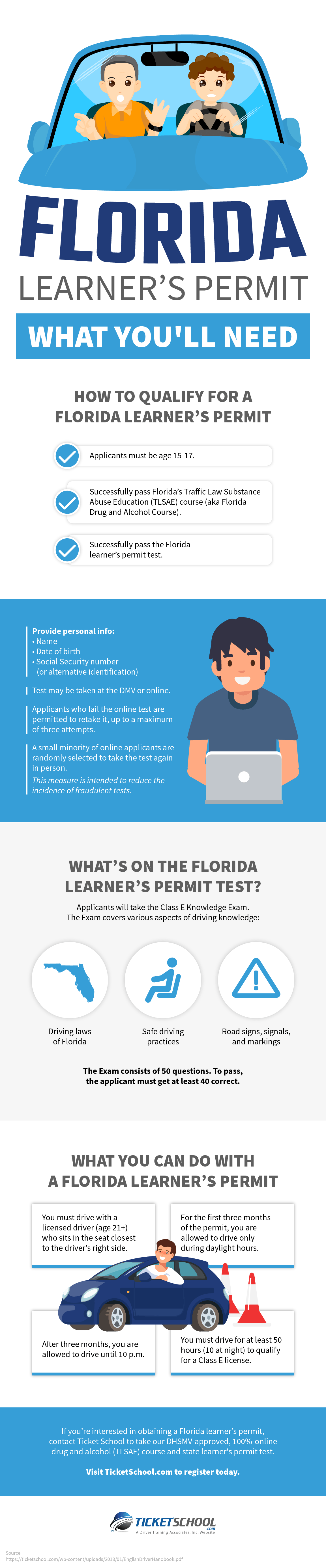
- Learner’s Permit (Class E): This is the focus of our guide. It allows individuals aged 15 and older to drive during daylight hours for the first three months, and until 10 PM thereafter, always under the supervision of a licensed driver aged 21 or older who occupies the front passenger seat. The learner’s permit is crucial for accumulating driving experience before moving to an intermediate license.
- Restricted Driver’s License (Class E): After holding a learner’s permit for at least 12 months, accumulating 50 hours of supervised driving (10 of which must be at night), and being at least 16 years old, drivers can apply for a restricted Class E license. This license comes with certain restrictions on driving hours for minors.
- Full Class E Driver’s License: Upon reaching the age of 18 (or 17, after holding a restricted license for at least one year with a clean driving record), drivers can obtain a full, unrestricted Class E license, granting them complete driving privileges.
- Commercial Driver’s Licenses (CDL): These are for individuals operating commercial motor vehicles, such as buses or large trucks, and involve entirely different requirements and testing procedures.
For most individuals seeking to drive personal vehicles, the Class E learner’s permit is the entry point into Florida’s driving system.
Eligibility and Requirements for Your Florida Learner’s Permit
Understanding who is eligible and what documentation is required is paramount to a successful application. The Florida Department of Highway Safety and Motor Vehicles (FLHSMV) sets clear guidelines to ensure that all applicants meet the necessary criteria. Preparing these items in advance will streamline your visit to a local DMV or tax collector’s office.
Age and Residency Requirements
To apply for a learner’s permit in Florida, you must:
- Be at least 15 years old. If you are under 18, a parental consent form must be signed by a parent or legal guardian.
- Establish Florida residency. This is a critical point for new arrivals. The FLHSMV defines residency as living in Florida for more than six consecutive months, registering children in public school, registering to vote, or filing for homestead exemption. You will need to provide proof of residency, such as utility bills, a lease agreement, or a bank statement with a Florida address.
These requirements ensure that only qualified individuals who have a legitimate connection to the state are granted driving privileges, maintaining safety and order on Florida’s busy roads, from the bustling streets of Tampa to the scenic routes of Sarasota.
Essential Documents You’ll Need
Gathering the correct documents is perhaps the most crucial step. The FLHSMV requires a combination of documents to verify your identity, residency, and Social Security number. It’s always best to bring original documents, as photocopies are generally not accepted.
- Proof of Identity:
- U.S. Citizens: A certified U.S. birth certificate, a valid U.S. passport, or a Certificate of Naturalization.
- Non-U.S. Citizens: A valid alien registration card, employment authorization card, or a valid foreign passport with an appropriate visa.
- Proof of Social Security Number:
- Your Social Security card, a W-2 form, a pay stub, or any 1099 form showing your full Social Security number.
- Proof of Residential Address (Two different documents are required):
- Examples include a utility bill (electricity, water, gas), a cable TV bill, a lease agreement, a mortgage statement, a bank statement, or a voter registration card. These documents must show your name and the Florida residential address.
- Proof of Parental Consent (for applicants under 18):
- A parental consent form (HSMV 71142) signed by a parent or legal guardian in the presence of a DMV representative or notarized if not present.
Ensuring you have all these documents in hand will prevent delays and multiple trips, allowing you to quickly move forward with your application.
The Traffic Law and Substance Abuse Education (TLSAE) Course
A mandatory prerequisite for obtaining a learner’s permit in Florida, especially for first-time drivers, is the completion of a Traffic Law and Substance Abuse Education (TLSAE) course, often referred to as the Drug and Alcohol course. This course is designed to educate new drivers on Florida traffic laws, the dangers of driving under the influence of alcohol and drugs, and safe driving practices.
- Course Format: The TLSAE course is typically 4 hours long and can be completed online through various approved providers or in a classroom setting.
- Certification: Upon successful completion, the course provider will electronically report your completion to the FLHSMV. While a certificate of completion is often provided, the electronic submission is what counts.
This educational component is a cornerstone of Florida’s commitment to road safety, helping to prepare drivers for the diverse driving conditions found everywhere from bustling downtown Jacksonville to the scenic routes leading to the Kennedy Space Center Visitor Complex on Merritt Island.
Navigating the Application Process at the DMV
Once you’ve gathered all your documents and completed the TLSAE course, the next step is to visit a Florida DMV office or a county tax collector’s office that offers driver’s license services. While the process is generally consistent, being prepared can significantly reduce your wait time and stress.
Scheduling Your Visit and What to Expect
Many DMV offices in Florida allow or even recommend scheduling an appointment online. This can save you hours of waiting, especially in popular tourist regions like Orlando or Miami.
During your visit, you will typically:
- Check-in: Provide your appointment confirmation or take a number if you’re a walk-in.
- Document Review: A clerk will review all your submitted documents to ensure they meet the FLHSMV requirements. Any discrepancies or missing documents will lead to delays.
- Vision Test: You will undergo a simple vision test, usually on an eye chart. If you wear glasses or contact lenses, be sure to bring them.
- Photo: Your photo will be taken for your permit.
- Payment: Pay the required fees for the permit.
The entire process, from check-in to receiving your temporary permit, can vary depending on the office’s busyness and how prepared you are.
The Vision and Knowledge Tests
Beyond the administrative steps, two key tests determine your readiness for a learner’s permit:
- Vision Test: This is a basic test to ensure your eyesight meets the minimum standards for driving. You’ll be asked to read lines of letters or numbers on an eye chart.
- Knowledge Test (Class E General Knowledge Test): This test assesses your understanding of Florida traffic laws, road signs, and safe driving practices. It consists of 50 multiple-choice questions, and you need to answer at least 40 correctly (80%) to pass.
- Preparation: The knowledge test covers material found in the official Florida Driver Handbook. It is highly recommended to study this handbook thoroughly. Many online practice tests are also available from various approved driving schools, which can be invaluable for preparation.
- Online Option: For first-time drivers under 18, the Class E knowledge exam can often be taken online through approved third-party providers. This convenience allows younger applicants to complete this step from home, reducing stress at the DMV office.
Passing both these tests is essential to proceed with your permit application.
Fees and Permit Issuance
There is a fee for the initial learner’s permit and subsequent driver’s licenses in Florida. As of my last update, the fee for a Class E learner’s permit is typically around $48.00, though it’s always wise to check the FLHSMV website for the most current fee schedule. Payment can usually be made by cash, check, or credit/debit card.
Upon successfully completing all the steps, including passing the vision and knowledge tests and paying the fees, you will be issued a temporary learner’s permit. Your official permit card will typically be mailed to your Florida residential address within a few weeks. With this permit in hand, you are now legally able to begin your supervised driving practice!
From Learner’s Permit to Full Florida Driver’s License
Obtaining your learner’s permit is just the beginning of your driving journey in Florida. The graduated licensing system is designed to ensure you gain ample experience before earning full driving privileges. This phase is crucial for developing safe driving habits and confidence, whether you’re navigating the suburban sprawl of Naples or preparing for a leisurely drive along the Emerald Coast.
Practicing with Your Permit: The Driving Log Requirements
With a learner’s permit, you are required to drive under specific conditions:
- Supervision: You must always be accompanied by a licensed driver who is at least 21 years old and occupies the front passenger seat.
- Driving Hours: For the first three months after issuance, you can only drive during daylight hours. After three months, you can drive until 10 PM.
- Driving Log: If you are under 18, you must complete at least 50 hours of supervised driving practice, with 10 of those hours being at night. This practice needs to be logged, and a parent or legal guardian must certify these hours on the parental consent form (HSMV 71142) when you apply for your intermediate license.
This supervised practice is invaluable. It provides the opportunity to safely experience various driving conditions, from city traffic in Fort Lauderdale to highway driving on Interstate 4, under the guidance of an experienced driver.
Taking the Driving Skills Test
After holding your learner’s permit for at least 12 months (and being at least 16 years old), and having completed the required supervised driving hours, you become eligible to take the driving skills test, also known as the road test. This test evaluates your ability to safely operate a vehicle and demonstrate basic maneuvers.
- Scheduling: Like the permit application, it’s highly recommended to schedule an appointment for your road test at a DMV or tax collector’s office.
- Vehicle Requirements: You must provide a vehicle for the test that is properly registered, insured, and in safe working condition. The vehicle’s brake lights, turn signals, and horn must be functional.
- What to Expect: A driving examiner will accompany you. The test typically involves demonstrating skills such as:
- Starting and stopping smoothly
- Turning and signaling
- Maintaining proper lane position
- Three-point turns or K-turns
- Backing up in a straight line
- Parking (often parallel parking)
- Observing traffic signs and signals
- Safe following distance
- Proper use of mirrors
- Passing: If you pass the road test, you’ll be issued a temporary Class E driver’s license, and the permanent card will be mailed to you. If you fail, you’ll need to reschedule and retake the test after further practice.
Successfully passing the driving skills test signifies your readiness for independent driving and grants you the full freedom to explore Florida at your leisure.
Special Considerations for New Florida Residents and Tourists
- New Residents with Out-of-State Licenses: If you move to Florida and hold a valid driver’s license from another U.S. state, you generally have 30 days to obtain a Florida driver’s license. You will usually be exempt from the knowledge and driving skills tests, provided your out-of-state license is valid and not suspended. You will still need to provide proof of identity, Social Security number, and two proofs of Florida residency.
- International Visitors and Tourists: As mentioned, international visitors with a valid foreign driver’s license can drive in Florida for up to one year. An International Driving Permit (IDP) is recommended (though not strictly required for all countries) as it translates your license into multiple languages, which can be helpful if stopped by law enforcement. For longer stays or if you establish residency, you will need to apply for a Florida license, potentially starting with a learner’s permit if you do not have a reciprocal agreement with the United States or cannot prove prior driving experience. This is vital for guests staying at luxury hotels in Palm Beach or extended stays at apartments in Miami who wish to fully embrace the local scene.
Florida’s Roadways: Exploring with Your New Permit
With your learner’s permit in hand, and eventually your full Florida driver’s license, the state’s vast network of roads becomes your gateway to adventure. Florida’s diverse landscapes and attractions are best experienced by car, offering unparalleled freedom to explore at your own pace. This is where the travel, tourism, and lifestyle aspects of Life Out of the Box truly come alive.
Top Florida Destinations for New Drivers
Florida offers an incredible array of destinations perfect for practicing your driving skills and embarking on memorable adventures:
- Orlando and Central Florida: Home to Walt Disney World Resort, Universal Studios Florida, and SeaWorld Orlando, Orlando offers a mix of urban and suburban driving. Navigating the theme park areas and busy highways like the Florida Turnpike provides excellent practice for new drivers. You might consider staying at a family-friendly resort like the Hyatt Regency Grand Cypress while getting acquainted with the local roads.
- Miami and South Florida: Experience vibrant city driving, from the bustling streets of Downtown Miami to the scenic coastal drives along South Beach and Ocean Drive. This region offers a dynamic environment for developing defensive driving skills. From luxury hotels to boutique accommodations, Miami provides a chic base for exploration.
- The Florida Keys: The iconic Overseas Highway (U.S. 1) stretching through the Keys offers a unique and breathtaking drive over numerous bridges connecting the islands. It’s a great opportunity to practice long-distance driving in a relatively straightforward environment, leading to the southernmost point in the United States in Key West.
- St. Augustine: The nation’s oldest continuously inhabited European-established settlement, St. Augustine provides a charming backdrop for practicing driving in historic, narrower streets, perfect for those honing their parking and low-speed navigation skills. Explore landmarks like the Castillo de San Marcos and enjoy the rich history.
- Everglades National Park: For those seeking nature and wildlife, a drive through the Everglades offers a different kind of driving experience, with opportunities to see unique ecosystems and wildlife, requiring attentive driving due to wildlife crossings.
Driving Tips for Navigating Florida’s Diverse Landscapes
- Watch for Tourists: Florida is a major tourist destination, especially in areas like Orlando and Miami. Be prepared for drivers who might be unfamiliar with the roads, distracted, or making sudden stops.
- Weather Conditions: Florida experiences heavy rainfall, especially during summer afternoons. Be prepared for sudden downpours, reduced visibility, and slippery roads. Always turn on your headlights in the rain.
- Toll Roads: Many major highways, including sections of the Florida Turnpike and expressways around large cities, are toll roads. Consider obtaining a SunPass transponder for convenience.
- Wildlife: Especially in rural areas or near natural preserves like Everglades National Park or the Ocala National Forest, be aware of wildlife crossing the roads, particularly at dawn and dusk.
- Motorcyclists: Florida’s climate makes it popular for motorcyclists. Always check your blind spots and give them ample room.
Planning Your Florida Road Trip
Once you’re confident behind the wheel, Florida truly opens up for exploration. Planning a road trip can be an incredible way to experience the state’s diverse offerings.
- Itinerary Building: Map out your desired destinations, whether it’s the beaches of Clearwater, the historical sites of Pensacola, or the vibrant Cuban culture of Ybor City in Tampa.
- Accommodation: Book your hotels, resorts, or apartments in advance, especially during peak season. Life Out of the Box offers extensive guides on the best places to stay, from luxurious suites to budget-friendly villas.
- Attractions and Activities: Research attractions along your route, from theme parks to state parks, museums, and local eateries. Florida’s tourism scene is incredibly rich, offering something for every interest.
- Vehicle Maintenance: Ensure your vehicle is in top condition before embarking on a long journey. Check tires, fluid levels, and brakes.
In conclusion, obtaining your permit in Florida is a structured process designed to ensure road safety and driver competency. While it requires careful preparation and adherence to the FLHSMV’s guidelines, the reward is the freedom to fully immerse yourself in the rich experiences that the Sunshine State has to offer. From weekend getaways to Busch Gardens Tampa Bay to exploring the charming streets of Winter Park, your Florida permit is your ticket to discovering the endless beauty and excitement of this incredible destination. Drive safely, explore widely, and enjoy every moment of your journey.
LifeOutOfTheBox is a participant in the Amazon Services LLC Associates Program, an affiliate advertising program designed to provide a means for sites to earn advertising fees by advertising and linking to Amazon.com. Amazon, the Amazon logo, AmazonSupply, and the AmazonSupply logo are trademarks of Amazon.com, Inc. or its affiliates. As an Amazon Associate we earn affiliate commissions from qualifying purchases.