
Embarking on a teaching career in California is more than just securing a job; it’s an invitation to a vibrant lifestyle, a diverse culture, and unparalleled opportunities for professional growth. The Golden State, renowned for its innovation, natural beauty, and economic prowess, also boasts one of the largest and most complex educational systems in the United States. This means a constant demand for passionate, qualified educators eager to shape the minds of future generations. For many, the journey to becoming a credentialed teacher in California represents a significant life decision, akin to planning an exciting new destination on their personal map. Whether you’re a recent graduate, a seasoned professional seeking a career change, or an educator relocating from another state, understanding the intricate pathways to earning your teaching credential is the first crucial step in this rewarding adventure. This comprehensive guide will illuminate the requirements, processes, and essential considerations for navigating the credentialing landscape, helping you prepare for a fulfilling career in one of the most dynamic educational environments in the world.
Embarking on Your Educational Journey in the Golden State
The appeal of teaching in California extends far beyond the classroom walls. It encompasses the opportunity to live in a state that offers everything from sun-drenched beaches and majestic mountains to bustling metropolitan hubs and serene wine country. For those considering this career path, it’s essential to grasp not only the academic and professional hurdles but also the broader context of what it means to build a life and career here.
Why Choose California for Your Teaching Career?
California is a global leader in many sectors, and its education system reflects that ambition. With a vast and diverse student population, ranging from urban centers like Los Angeles and San Francisco to agricultural communities in the Central Valley, teachers are exposed to a rich tapestry of cultures and learning styles. This diversity not only enriches the teaching experience but also fosters a dynamic professional environment where innovative pedagogical approaches are encouraged. The state’s commitment to education often translates into robust professional development opportunities, competitive salaries, and the chance to make a profound impact.
Furthermore, a career in California can offer an incredible lifestyle. Weekends could mean a road trip along the Pacific Ocean, a hike in the Sierra Nevada mountains, or exploring world-class attractions like Disneyland or Yosemite National Park. The vibrant cultural scene, culinary delights, and entrepreneurial spirit found in cities like San Diego, Sacramento, and the Silicon Valley ensure that life outside of school is as engaging as it is inside. For those passionate about both their profession and a rich personal life, California presents an irresistible destination.
Understanding the Foundational Requirements
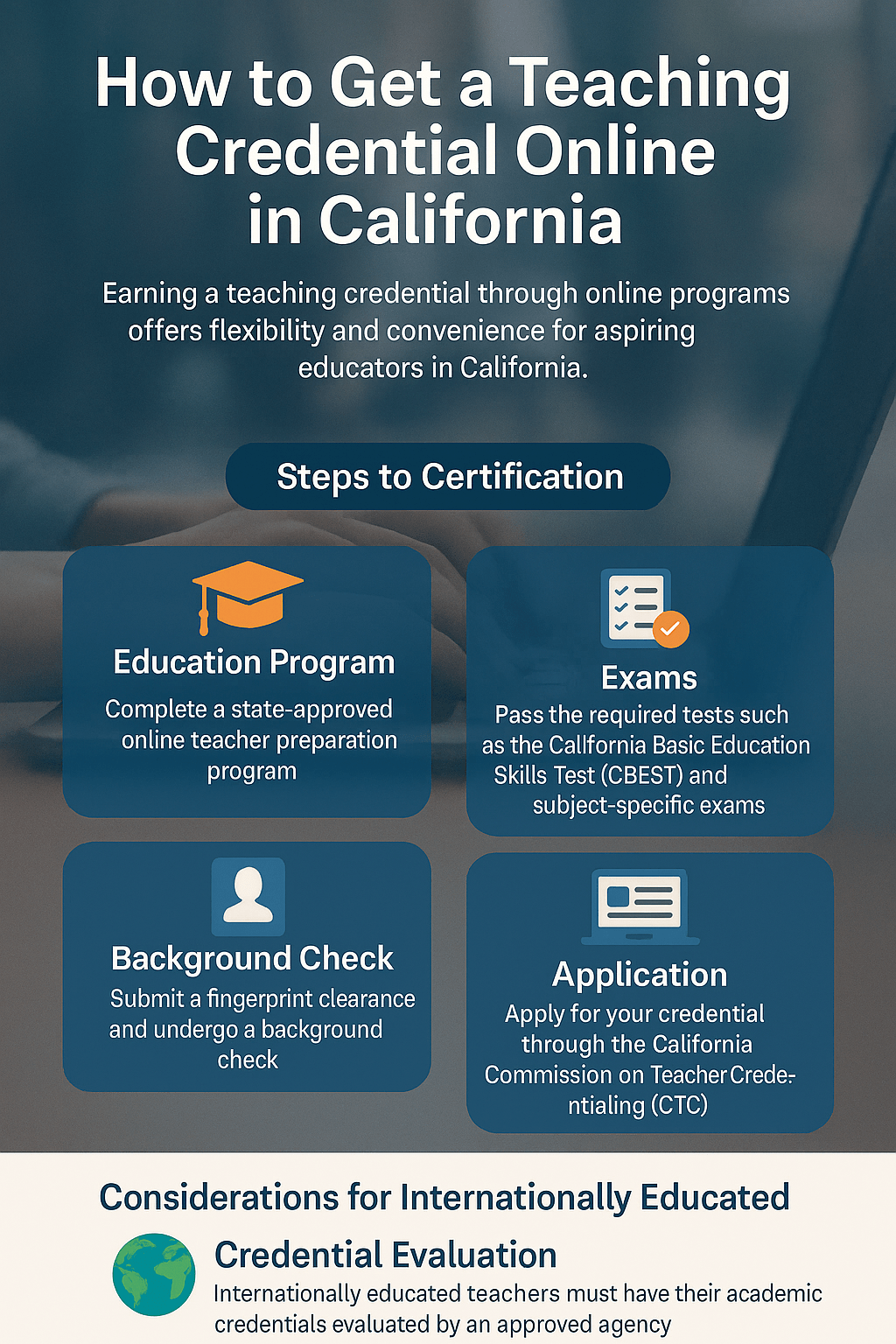
Before delving into specific pathways, it’s crucial to understand the universal requirements set forth by the California Commission on Teacher Credentialing (CTC), the governing body for teacher certification in the state. Think of these as your visa requirements for entry into this professional destination.
First, all prospective teachers must hold a bachelor’s degree from a regionally accredited college or university. While the specific major isn’t always prescribed, it’s generally advantageous to have a degree in the subject you intend to teach, or a closely related field, especially for secondary education. For elementary teachers, a liberal studies degree is a common and appropriate choice.
Second, demonstrating basic skills proficiency is a non-negotiable step. This typically involves passing the California Basic Educational Skills Test (CBEST), which assesses fundamental reading, writing, and mathematics abilities. Alternative methods exist, such as specific coursework or SAT/ACT scores, but the CBEST remains the most common route.
Third, subject matter competence must be proven. This ensures that you possess a deep understanding of the content you will be teaching. For most subjects, this is achieved by passing the California Subject Examinations for Teachers (CSET). However, completing a subject matter preparation program approved by the CTC at a California institution is also an accepted alternative.
Finally, and perhaps most importantly, you must complete an approved teacher preparation program. This program will equip you with the pedagogical knowledge, classroom management skills, and practical experience necessary to be an effective educator. These programs typically include coursework in educational theory, child development, teaching methodologies, and a supervised student teaching or internship component.
Navigating the Credentialing Pathways
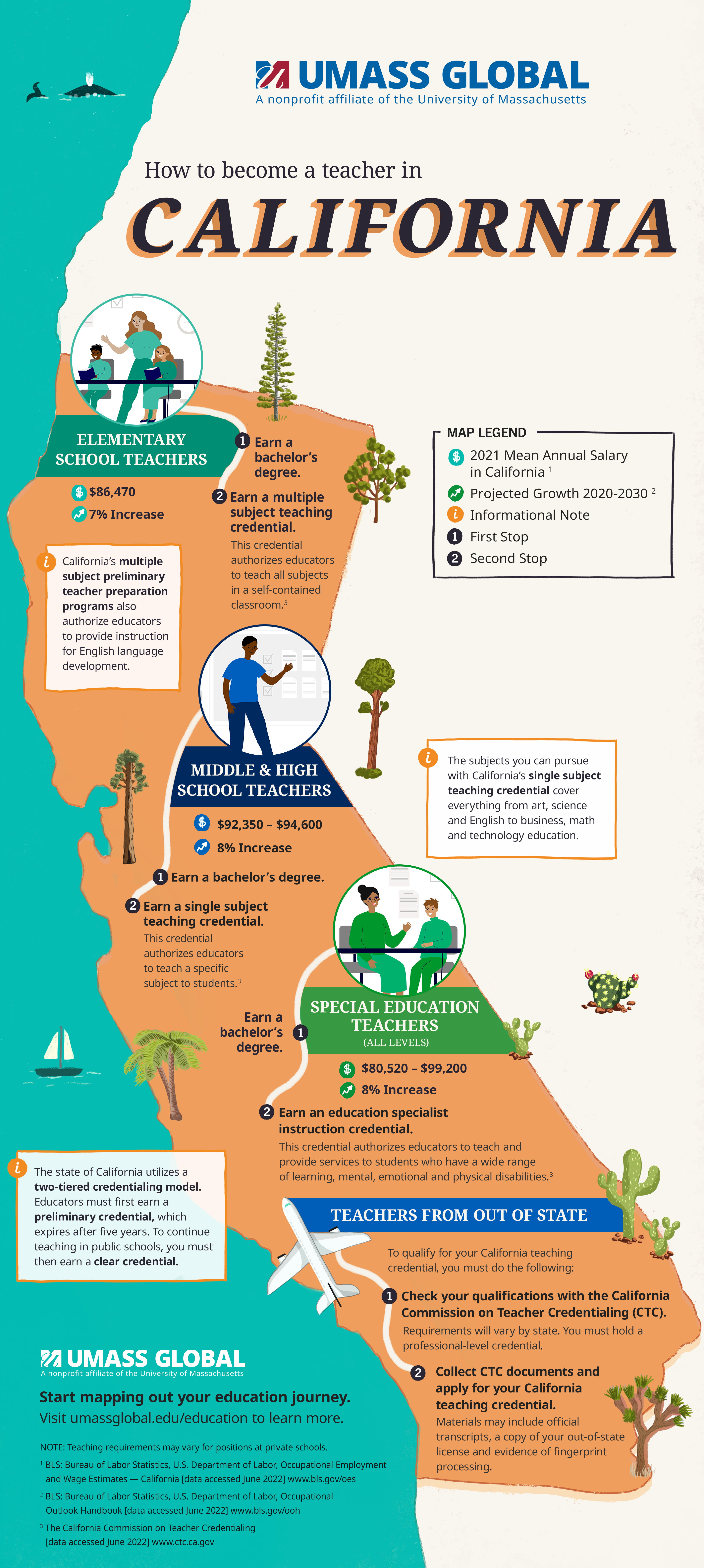
The journey to a teaching credential in California offers several distinct routes, each catering to different academic backgrounds, professional experiences, and personal circumstances. Choosing the right pathway is a bit like selecting your ideal travel itinerary – some prefer a structured, guided tour, while others opt for a more independent, fast-paced adventure.
Traditional University Programs: A Comprehensive Approach
For many aspiring educators, the traditional university-based teacher preparation program is the most common and often recommended path. These programs are typically offered by institutions within the California State University (CSU) system, University of California) (UC) system, and various private universities across the state. They typically lead to a Preliminary Credential, which is valid for five years and requires further steps to become a Clear Credential.
These programs are usually one to two years in length, often culminating in a master’s degree in education or a credential-only program. They provide a comprehensive curriculum that covers educational psychology, curriculum design, classroom management, assessment strategies, and technology integration. A cornerstone of these programs is the student teaching component, where candidates spend an extended period (often two semesters) in a real classroom, under the guidance of an experienced mentor teacher. This immersive experience is invaluable, offering practical application of theoretical knowledge and the opportunity to develop a personal teaching style within a supportive environment. For those new to the field, this structured approach offers a solid foundation and a strong professional network.
Expedited Routes: Internship and Alternative Programs
For individuals who already possess a bachelor’s degree and have a strong desire to enter the classroom more quickly, or those seeking a more hands-on approach from the outset, internship and alternative programs provide accelerated pathways. These routes are particularly popular for career changers or those with significant life experience.
- Internship Programs: Offered by many California universities and school districts, internship programs allow candidates to teach full-time while simultaneously completing their credential coursework. Interns are typically hired by a school district as a “teacher of record” and receive a salary and benefits, making this a financially attractive option. However, the workload is demanding, balancing full-time teaching responsibilities with graduate-level studies. Interns receive ongoing supervision and support from both the university and the school district. This path requires prior completion of basic skills and subject matter requirements, as well as a strong application to both the university program and a hiring school district.
- District-Based Programs: Some large California school districts offer their own CTC-approved credentialing programs, often designed to meet specific local needs or teacher shortages in particular subject areas. These programs are similar to university-based internships but are managed directly by the district. They offer a unique opportunity to become deeply integrated into a specific school community from day one.
These expedited routes demand a high level of commitment and self-motivation but can significantly shorten the time it takes to become a fully credentialed teacher. They are ideal for individuals who thrive in a fast-paced, practical learning environment.
Seamless Transition: Out-of-State Credential Reciprocity
For educators already holding a valid teaching credential from another U.S. state or territory, California offers pathways for credential reciprocity. While not a direct transfer, the CTC aims to facilitate the process, recognizing the professional experience and training acquired elsewhere.
The exact requirements depend on the type of credential held and the state of issuance. Generally, out-of-state applicants will need to:
- Submit an application to the CTC.
- Provide official transcripts and verification of their out-of-state credential.
- Meet California’s basic skills requirement (CBEST or approved alternative).
- Demonstrate subject matter competence (often fulfilled by the out-of-state credential itself, but sometimes additional CSET exams may be required, particularly for specific subject areas unique to California content standards).
- Fulfill California’s U.S. Constitution requirement (usually through a college course or exam).
- Complete a course or pass an exam on California history (for elementary credentials).
- Complete fingerprint background checks.
It’s crucial for out-of-state educators to consult the CTC website directly for the most current and specific requirements, as rules can change. While it might seem like a maze, the CTC strives to make the transition as smooth as possible for experienced educators looking to contribute to California’s schools.
Conquering the Essential Assessments
A significant part of the credentialing process in California involves successfully passing a series of standardized examinations. These assessments are designed to ensure that all educators possess the fundamental skills and subject-specific knowledge required to effectively teach in the state’s diverse classrooms. Think of them as your boarding passes to your teaching destination – essential validations of your readiness.
Mastering Basic Skills with the CBEST
The California Basic Educational Skills Test (CBEST) is often the first hurdle for aspiring teachers. It evaluates proficiency in three fundamental areas: reading, writing, and mathematics. The test is designed to assess general academic skills, not specific teaching methodologies. Each section is scored separately, and candidates must achieve a passing score on all three.
- Reading: Assesses comprehension and critical analysis of various texts.
- Writing: Requires two essays demonstrating clarity, organization, and standard English conventions.
- Mathematics: Covers basic arithmetic, algebra, geometry, and problem-solving.
While the CBEST can be challenging for some, numerous preparation resources are available, including study guides, practice tests, and prep courses. It’s important to approach this exam with a review of foundational concepts to ensure success. Alternatives to the CBEST, such as qualifying scores on the SAT or ACT or specific coursework, may also fulfill the basic skills requirement.
Demonstrating Subject Matter Expertise: The CSET
For most teaching credentials, candidates must demonstrate subject matter competence through the California Subject Examinations for Teachers (CSET). These exams are far more specialized than the CBEST, focusing on the specific content knowledge required for the subject or grade level one intends to teach.
- Single Subject Credentials: For subjects like English, Mathematics, Science, Social Science, Art, Music, etc., candidates typically take a series of CSET subtests specific to that discipline. For example, a high school biology teacher would take the CSET Science subtests focused on biology.
- Multiple Subject Credentials: For elementary school teachers (K-8), the CSET Multiple Subjects exam assesses knowledge across a broad range of elementary school subjects, including English language arts, history, social science, mathematics, science, physical education, and visual and performing arts. This exam is typically divided into three subtests.
Alternatively, some university programs offer a CTC-approved “subject matter preparation program,” which allows candidates to waive the CSET by completing a specific sequence of undergraduate or graduate coursework. This option is often integrated into certain bachelor’s degree programs, particularly within the CSU system.
Cultivating Reading Competence: The RICA
For aspiring elementary school teachers (Multiple Subject credential) and Special Education teachers, the Reading Instruction Competence Assessment (RICA) is an additional, crucial requirement. This exam specifically measures a candidate’s knowledge and skills in teaching reading, aligning with California’s comprehensive reading instruction standards.
The RICA assesses understanding in areas such as:
- Planning, organizing, and managing reading instruction.
- Word analysis.
- Fluency.
- Vocabulary development.
- Comprehension.
- Reading assessment.
The RICA can be taken as a written exam or via a video performance assessment. Successfully passing the RICA ensures that future educators are well-prepared to teach reading effectively to diverse learners, a foundational skill for all students.
The Application Process and Beyond
Once the academic programs, fieldwork, and rigorous examinations are behind you, the final steps involve submitting your application and understanding the trajectory of your teaching career. This phase is about formalizing your journey and ensuring you have a clear roadmap for continued professional growth.
Submitting Your Application to the CTC
With all requirements met, candidates compile their documentation and submit an application for their preliminary teaching credential to the California Commission on Teacher Credentialing (CTC). This typically involves:
- Official Transcripts: Verification of your bachelor’s degree and completion of an approved teacher preparation program.
- Exam Scores: Official results for CBEST, CSET, and RICA (if applicable).
- Recommendation: A formal recommendation from your credentialing program.
- Fingerprint Clearance: Completion of a background check through LiveScan, which is tied to the California Department of Justice and FBI. This is a mandatory safety measure for anyone working with children.
- Application Fee: Payment of the required fee.
The CTC processes applications in the order they are received, and processing times can vary. It’s advisable to submit all documentation accurately and completely to avoid delays. Once approved, you will be issued a Preliminary Credential, which is valid for five years. This credential allows you to begin teaching in California public schools.
The Clear Credential: Sustaining Your Teaching Journey
The Preliminary Credential is just the beginning. To earn a Clear Credential, which is the professional, long-term teaching credential in California, educators must typically complete a teacher induction program. This is a two-year, individualized, job-embedded program designed to support and mentor beginning teachers, helping them transition from pre-service to in-service teaching.
Induction programs are usually offered by school districts or county offices of education and involve:
- Working with an experienced mentor teacher.
- Developing an individualized learning plan.
- Participating in professional development activities.
- Documenting growth in teaching practice aligned with California’s teaching performance expectations.
Successful completion of an induction program marks the culmination of your initial credentialing journey, signifying your readiness to be an accomplished and independent educator. The Clear Credential then needs to be renewed every five years, which typically requires ongoing professional development and demonstrating continued competence. This commitment to continuous learning ensures that California educators remain at the forefront of educational best practices.
Lifestyle and Community: Teaching as a California Experience
Earning your teaching credential in California is not just about meeting academic and professional standards; it’s about embracing a new chapter of your life in a state renowned for its diverse opportunities, vibrant communities, and stunning natural landscapes. Integrating your professional aspirations with a fulfilling personal life is a hallmark of the California experience.
Finding Your Perfect Teaching Destination
California is a vast state, offering a multitude of environments for educators. Whether you envision teaching in the bustling urban landscape of Los Angeles, the innovative tech hub surrounding San Francisco and the Silicon Valley, the relaxed coastal vibe of San Diego, or the more suburban and family-oriented communities of Orange County and Sacramento, there is a school district and a community that fits every preference. Each region offers unique challenges and rewards, from serving highly diverse student populations to working in close-knit rural settings.
When considering where to teach, prospective educators often weigh factors such as cost of living, proximity to cultural attractions, outdoor activities, and the specific needs of local schools. Researching school districts, attending job fairs, and connecting with current teachers in different areas can provide invaluable insights into finding your ideal professional home. Furthermore, understanding the local tourism and accommodation landscape of your chosen region can help you plan your move and settle into your new surroundings seamlessly.
Balancing Career and California’s Rich Offerings
A career in teaching in California is inherently demanding but immensely rewarding. The state’s commitment to education is matched by its myriad opportunities for personal enrichment and relaxation. Educators can find themselves teaching in the morning and exploring a national park in the afternoon, or spending a weekend enjoying the world-class dining and arts scene of a major city.
The ability to balance a fulfilling career with the rich lifestyle offerings of California is a significant draw for many. Whether you’re an avid surfer, a wine connoisseur, a history buff interested in California’s missions, or simply seeking a diverse and forward-thinking community, the Golden State delivers. Beyond the professional aspects, preparing for your move might involve researching hotels for initial stays, or considering long-term accommodation options that suit your new budget and desired lifestyle. This journey to becoming a California teacher is truly an holistic experience, inviting you to integrate your professional passion with a life lived fully in one of the most exciting places on Earth. The path to your teaching credential is just the first step in a grand California adventure.
LifeOutOfTheBox is a participant in the Amazon Services LLC Associates Program, an affiliate advertising program designed to provide a means for sites to earn advertising fees by advertising and linking to Amazon.com. Amazon, the Amazon logo, AmazonSupply, and the AmazonSupply logo are trademarks of Amazon.com, Inc. or its affiliates. As an Amazon Associate we earn affiliate commissions from qualifying purchases.