
Navigating the iconic San Francisco cable car system is a quintessential experience for any visitor to the city. These historic moving landmarks are more than just a mode of transport; they are a tangible link to San Francisco’s past and a thrilling way to ascend its famously steep hills. Understanding the payment methods is key to ensuring a seamless and enjoyable journey.
Understanding Cable Car Fares and Ticketing Options
The San Francisco Municipal Transportation Agency (SFMTA) operates the cable car system, and their fare structure is designed to accommodate various needs, from single rides to multi-day explorations. The primary consideration for payment revolves around individual fares versus passes that offer broader access to the city’s public transit network.

Single Ride Fares
For those planning a single, iconic ride on a specific line, the most straightforward payment method is purchasing a single-ride ticket. The current fare for a single adult ride is a set amount, which covers one continuous journey on any of the three cable car lines: Powell-Hyde, Powell-Mason, or California Street.
- Where to Purchase Single Ride Tickets:
- Onboard: This is often the most convenient option, especially if you’re already at a stop. Conductors on the cable cars can accept cash (exact change is appreciated, though not always strictly required) or payment via mobile ticketing apps.
- Ticket Booths: For those who prefer to purchase in advance or wish to avoid onboard queues, ticket booths are available at major cable car turnaround points, such as the one at Ghirardelli Square or the Powell-Hyde and Powell-Mason lines near Union Square.
- SFMTA Website and Mobile App: The SFMTA offers a user-friendly mobile app and website where you can purchase single ride tickets digitally. This allows for contactless payment and can be a time-saver.
It’s important to note that the single ride fare is a flat rate, meaning it doesn’t matter if you ride the entire length of the line or just a few blocks; the cost remains the same. This makes planning your journey easier, as you know the exact expense for your experience.
Youth, Senior, and Disabled Fares
The SFMTA also offers reduced fares for specific groups to promote accessibility and affordability.
- Youth Fares: Children under a certain age (typically five years old and under) can ride for free when accompanied by a fare-paying adult. For older children, a reduced youth fare is often available, and proof of age may be required.
- Senior Fares: Seniors, usually defined as individuals aged 65 and over, are eligible for discounted fares. Identification proving age may be requested.
- Disabled Fares: Individuals with disabilities may also be eligible for reduced fares. Information regarding eligibility and required documentation can be found on the SFMTA website or by inquiring at a ticket booth.
Always check the most current fare information on the official SFMTA website, as rates and policies can be subject to change.
Leveraging Multi-Day Passes for Value
If your visit to San Francisco involves more than just a single cable car ride, or if you plan to utilize other public transportation options, purchasing a multi-day pass can offer significant value and convenience. These passes often cover unlimited rides on cable cars, historic streetcars, and buses within the specified validity period.
The Muni Passport
The most common multi-day pass for visitors is the Muni Passport. These are available for 1-day, 3-day, and 7-day durations.
-
Benefits of the Muni Passport:
- Unlimited Rides: Enjoy unlimited travel on all San Francisco Municipal Railway (Muni) services, including cable cars, historic streetcars (like the F-Market & Wharves line), and buses.
- Cost-Effective: For travelers planning multiple journeys across the city, a Muni Passport is typically more economical than purchasing individual tickets.
- Convenience: Eliminates the need to repeatedly purchase tickets or worry about fare calculations. You simply present your pass or mobile ticket.
-
Where to Purchase Muni Passports:
- SFMTA Website and Mobile App: This is the most efficient method, allowing you to purchase and store your pass digitally on your smartphone.
- Ticket Vending Machines: Located at major transit hubs throughout the city.
- Visitor Information Centers: Available at key tourist locations.
- Some Hotels: Certain hotels in San Francisco may offer Muni Passports for sale to their guests.
When considering a Muni Passport, it’s crucial to estimate how many rides you anticipate taking within the pass’s validity period. For a short trip with only one or two cable car rides, a single ticket might suffice. However, for extended exploration, especially if you plan to visit attractions like Alcatraz Island (which requires ferry travel from Pier 33), explore neighborhoods like North Beach or Chinatown, or make use of the city’s bus system, the Muni Passport becomes an invaluable tool.
Clipper Card
For residents and frequent visitors, the Clipper Card is the primary fare payment system for public transit across the San Francisco Bay Area. While not exclusively for tourists, it’s a viable option for those who prefer a reloadable transit card.

- How it Works: You can load monetary value onto a physical Clipper Card or use the Clipper mobile app. Fares are then deducted from your card balance as you tap on and off.
- Cable Car Integration: The cable car fare can be paid using a Clipper Card, and it often recognizes discounted fare programs if you have them set up.
- Benefits: The Clipper Card offers flexibility, allowing you to pay for individual rides on any transit agency in the region, not just Muni. It can also be set up for automatic reloading.
While Muni Passports are often more straightforward for short-term tourists, the Clipper Card offers a more integrated transit experience for those who might be spending a longer time in the region and plan to travel beyond the city limits.
Payment Methods: Cash vs. Digital
The evolution of payment technology has also influenced how you can pay for your cable car ride. While traditional cash payments are still accepted, digital options are increasingly prevalent and often preferred for their speed and convenience.
Cash Payments
- Onboard: As mentioned, conductors can accept cash for single fares when you board the cable car. It’s highly recommended to have exact change whenever possible, as this can speed up the boarding process for everyone. Fumbling for change can hold up the line, especially during peak tourist seasons.
- Ticket Booths: Cash is also widely accepted at ticket booths located at the major turnaround points.
While cash remains a reliable option, it’s always wise to carry a small amount of cash for situations where digital payment might be temporarily unavailable or for smaller purchases throughout your travels in San Francisco.
Digital and Mobile Payments
The SFMTA has invested heavily in modernizing its payment infrastructure, making digital transactions seamless.
- SFMTA Mobile App: The official SFMTA app is a powerful tool. You can purchase single rides, Muni Passports, and even load value onto a virtual Clipper Card directly through the app. Once purchased, your ticket or pass is displayed on your smartphone, ready to be shown to the conductor or fare inspector. This eliminates the need for physical tickets and can save considerable time.
- Contactless Credit/Debit Cards: Increasingly, SFMTA services, including cable cars, are equipped to accept contactless payments directly from credit and debit cards. Look for the contactless payment symbol on the fare collection devices. This offers another convenient, card-based option.
- Mobile Wallets: Payment platforms such as Apple Pay and Google Pay are often integrated with the SFMTA app or directly with contactless readers, allowing you to pay with your smartphone or smartwatch.
The shift towards digital payments is undeniable. For the most efficient and hassle-free experience, downloading the SFMTA app or ensuring your contactless payment methods are ready before you board is highly recommended. This also aligns with the general trend of contactless transactions in many major cities and attractions worldwide.
Tips for a Smooth Cable Car Experience
Beyond the mechanics of payment, a few practical tips can enhance your cable car journey and ensure you make the most of this historic attraction.
Timing Your Ride
Cable cars are incredibly popular, and queues can form, especially during peak hours and seasons.
- Early Mornings and Late Afternoons: Consider riding early in the morning, shortly after they begin operation, or later in the afternoon. You’ll generally find shorter lines and a more relaxed atmosphere.
- Weekdays: If possible, riding on weekdays can also result in fewer crowds compared to weekends.
- Off-Season: Visiting San Francisco during the shoulder seasons (spring and fall, excluding holidays) often means fewer tourists and shorter waits.
Boarding and Etiquette
- Designated Stops: Always board at designated cable car stops. These are marked by signs and usually have queues.
- Queue Etiquette: Be mindful of others in line. If you’re with a group, try to keep together.
- Boarding Order: Concessions are typically made for seniors and those with mobility issues.
- Be Prepared: Have your fare ready (cash, ticket, or mobile pass) before you reach the front of the line.
- Hold On: Once onboard, always hold onto the poles or stanchions. The ride can be bumpy, and the cars can accelerate and decelerate quickly.
Choosing Your Route
San Francisco has three distinct cable car lines, each offering a unique perspective:
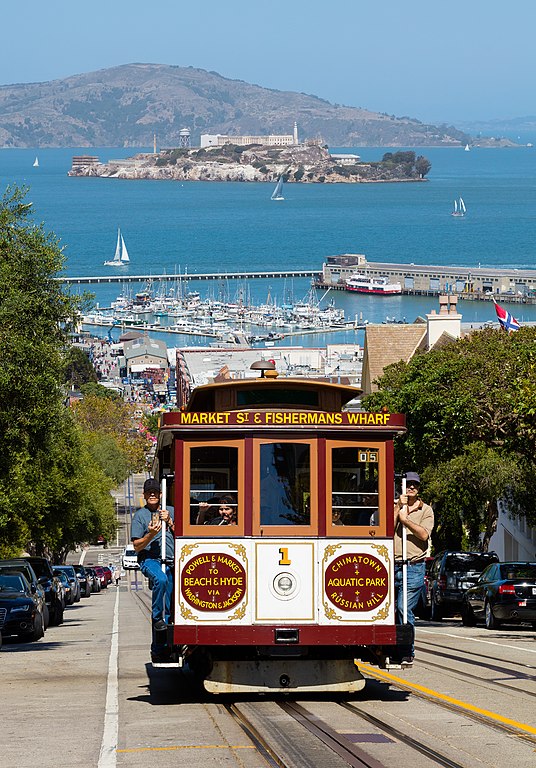
- Powell-Hyde Line: Often considered the most scenic, this line offers stunning views of Alcatraz Island and the San Francisco Bay as it crests the hills between Lombard Street and Ghirardelli Square.
- Powell-Mason Line: This line also starts in the Union Square area and travels towards Fisherman’s Wharf, offering a slightly different route with its own charm.
- California Street Line: The longest and perhaps least crowded line, it runs along California Street, offering a more local feel and passing through the financial district and Nob Hill.
By understanding the payment options, leveraging multi-day passes, and following these practical tips, you can ensure your journey on the historic San Francisco cable cars is as smooth and memorable as the ride itself. It’s an experience that beautifully blends history, engineering, and the unique spirit of this iconic city.
LifeOutOfTheBox is a participant in the Amazon Services LLC Associates Program, an affiliate advertising program designed to provide a means for sites to earn advertising fees by advertising and linking to Amazon.com. Amazon, the Amazon logo, AmazonSupply, and the AmazonSupply logo are trademarks of Amazon.com, Inc. or its affiliates. As an Amazon Associate we earn affiliate commissions from qualifying purchases.