
Navigating the landscape of social support programs can be complex, especially for individuals and families facing financial hardship. In Florida, the primary program designed to assist with food security is the Supplemental Nutrition Assistance Program, widely known as food stamps. Understanding the qualification criteria and application process is crucial for anyone seeking this vital support to maintain a stable lifestyle. This guide delves into the specifics of qualifying for food stamps in the Sunshine State, offering an insightful look into the requirements and procedures managed by the state’s Department of Children and Families.
Understanding Florida’s SNAP Program
The Supplemental Nutrition Assistance Program, or SNAP, is a federal program administered at the state level. In Florida, it provides eligible low-income individuals and families with financial assistance to purchase nutritious food. Far from being a mere handout, SNAP is a cornerstone of economic stability for many, enabling them to afford groceries and contribute to local economies. For many residents, especially those experiencing unexpected job loss, medical emergencies, or other life-altering events, SNAP can be the difference between hunger and nutritional security.
What Are Food Stamps (SNAP)?
Food stamps, officially known as SNAP benefits, are not actual stamps or paper vouchers anymore. Instead, they are distributed electronically via an Electronic Benefits Transfer (EBT) card. This card functions much like a debit card and can be used at most grocery stores, farmers’ markets, and other authorized retailers to purchase eligible food items. The goal of SNAP is to supplement a household’s food budget, allowing them to purchase a greater variety and quantity of healthy foods, thereby improving the overall health and well-being of the family. The program plays a significant role in reducing food insecurity across Florida, directly impacting the daily lifestyle and nutritional intake of thousands of residents.
The Role of the Florida DCF
In Florida, the Department of Children and Families (DCF) is the state agency responsible for administering the SNAP program. The DCF handles applications, determines eligibility, calculates benefit amounts, and manages the ongoing distribution of benefits. Their role is critical in ensuring that the program operates effectively and reaches those who genuinely need assistance. The DCF website and local offices are the primary points of contact for information, application submission, and support throughout the process. Understanding the DCF’s procedures is paramount for a successful application and sustained access to benefits, making it an essential component of managing one’s financial lifestyle in the state.
Eligibility Requirements: Income and Household Limits
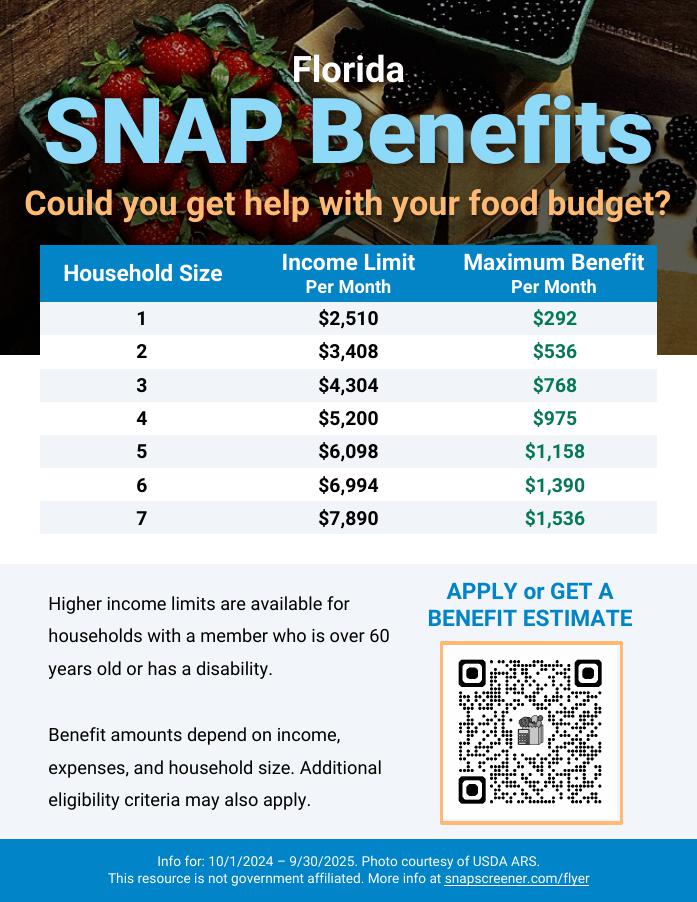
The core of qualifying for food stamps in Florida revolves around a household’s income and resources. SNAP is designed for low-income individuals and families, and as such, strict financial thresholds are in place. These limits are updated annually and vary based on the number of individuals in a household. Generally, there are two main income tests: gross income and net income.
Gross Income Test
The gross income test refers to a household’s total income before any deductions are taken out. For most households, their gross monthly income must be at or below 130% of the federal poverty level. This means that if a household’s total earnings, including wages, self-employment income, benefits, and other sources, exceed this threshold, they typically will not qualify for SNAP. There are some exceptions, such as households with an elderly or disabled member, who may only need to meet the net income test. The federal poverty level itself is a national standard, but the 130% calculation provides a slightly higher benchmark to offer broader access to the program for those teetering on the edge of financial stability.
Net Income Test
The net income test is applied after certain deductions are subtracted from the gross income. These deductions can include a standard deduction based on household size, earned income deductions (a percentage of earned income is disregarded), dependent care costs, medical expenses for elderly or disabled members, and excess shelter costs. After these deductions, a household’s net income must be at or below 100% of the federal poverty level. This test is designed to acknowledge that some households, despite having a slightly higher gross income, may have significant unavoidable expenses that severely limit their ability to afford food. Meeting both the gross and net income thresholds is generally required for most applicants to be deemed eligible for SNAP benefits in Florida.
Asset Limits
While income is the primary factor, asset limits also play a role, though they are less restrictive for most applicants. For most households, the asset limit is typically $2,750. However, for households that include at least one member who is age 60 or older, or disabled, the asset limit is generally $4,250. It’s important to note that certain assets are usually excluded from this calculation. These often include the home you live in and its lot, the value of one vehicle per adult, and most retirement accounts. This means that owning a home or a car for transportation does not necessarily disqualify an applicant from receiving food stamps. The intent is to prevent individuals with substantial liquid assets from receiving benefits intended for those with limited financial resources, without penalizing basic necessities for daily living.
Other Key Eligibility Criteria
Beyond income and assets, several other factors contribute to eligibility for food stamps in Florida. These criteria ensure that the program serves its intended population and aligns with federal guidelines. Understanding these additional requirements is essential for anyone evaluating their potential to qualify.
Residency and Citizenship Status

To qualify for SNAP in Florida, applicants must be residents of the state. This means they must intend to reside in Florida and not merely be visiting. Furthermore, applicants must meet certain citizenship or eligible non-citizen requirements. Generally, U.S. citizens, U.S. nationals, and certain lawfully admitted non-citizens (such as lawful permanent residents, refugees, asylees, and those granted withholding of deportation) are eligible. Undocumented immigrants are typically not eligible for SNAP benefits, though they may apply on behalf of eligible children who are U.S. citizens. This aspect is crucial for understanding who the program is designed to support, reflecting national immigration policies integrated into social welfare programs.
Work Requirements
Most able-bodied adults without dependents (ABAWDs) between the ages of 18 and 50 are subject to work requirements to receive SNAP benefits for more than three months in a 36-month period. These individuals must either be working or participating in a work program for at least 20 hours per week, or volunteering, or fulfilling other similar obligations. There are numerous exemptions to these requirements, including individuals who are medically certified as unfit for work, pregnant, or responsible for a child under six. Florida also has specific rules regarding work programs and waivers based on economic conditions in different areas. These requirements underscore the program’s aim to encourage self-sufficiency while providing a safety net.
Special Considerations (Elderly, Disabled, Students)
Certain populations receive special consideration or have modified eligibility rules.
Elderly and Disabled Individuals: Households with an elderly member (age 60 or older) or a disabled member often have higher asset limits and may be exempt from the gross income test, only needing to meet the net income test. They may also claim deductions for unreimbursed medical expenses that exceed a certain threshold, which can significantly impact their net income calculation.
Students: College students aged 18 to 49 who are enrolled at least half-time often face stricter eligibility criteria. To qualify, they must meet an exemption, such as working a minimum of 20 hours per week, participating in a state or federal work-study program, having a physical or mental disability, or caring for a dependent under the age of six. These rules aim to ensure that SNAP benefits go to students with true financial need rather than those simply pursuing higher education without concurrent employment or family responsibilities.
The Application Process: Step-by-Step
Applying for food stamps in Florida requires a systematic approach to ensure all necessary information is provided and the process moves smoothly. The DCF aims to make the application accessible, with multiple avenues for submission.
Gathering Necessary Documentation
Before starting the application, it’s highly recommended to gather all pertinent documents. This typically includes:
- Proof of Identity: Driver’s license, state ID, or other government-issued identification.
- Proof of Residency: Utility bill, lease agreement, or mail with your Florida address.
- Proof of Income: Pay stubs, employer statements, benefit award letters (Social Security, unemployment, etc.), or self-employment records.
- Proof of Assets: Bank statements, retirement account statements (if applicable).
- Household Information: Social Security numbers for all household members applying.
- Proof of Expenses: Rent/mortgage statements, utility bills, child care receipts, medical bills (for elderly/disabled).
Having these documents ready can significantly expedite the application process and prevent delays.
Submitting Your Application
Applications can be submitted in several ways:
- Online: The most convenient method is through the MyFloridaMyFamily portal on the DCF website. This platform allows applicants to submit their information digitally and upload supporting documents.
- In-Person: Visiting a local DCF service center allows for direct assistance from staff, which can be beneficial for those who need help with the form or have specific questions.
- Mail or Fax: Applications can also be printed from the DCF website, completed, and then mailed or faxed to a local service center.
Once submitted, the DCF will review the application for completeness and contact the applicant for the next step.
The Interview and Decision
After submitting an application, most households will need to complete an interview with a DCF caseworker. This interview can often be conducted over the phone, but in-person interviews may be requested. During the interview, the caseworker will verify the information provided in the application, ask clarifying questions, and discuss any additional documentation needed. This is an opportunity for applicants to explain their circumstances fully. Following the interview and verification of all documents, the DCF will make an eligibility determination. Applicants are usually notified of the decision within 30 days of submitting a complete application. If approved, the EBT card will be mailed to the household, along with information on how to use it and the monthly benefit amount.
Maximizing Your Benefits and Resources
Qualifying for food stamps is an important step towards food security, but understanding how to best utilize the benefits and where to find additional support is equally vital for maintaining a stable lifestyle in Florida.
Understanding Your EBT Card
Once approved, recipients receive an EBT card loaded with their monthly SNAP benefits. This card can be used at most major grocery stores, supermarkets, and convenience stores, as well as many farmers’ markets. It’s crucial to know what can and cannot be purchased with the EBT card. Eligible items include most food products, such as fruits, vegetables, meat, poultry, fish, dairy products, breads, cereals, and non-alcoholic beverages. Ineligible items typically include alcoholic beverages, tobacco products, vitamins, medicines, hot foods prepared in-store, and non-food items like pet food, cleaning supplies, or household goods. Managing the EBT balance effectively and planning meals around available funds is an integral part of making the benefits stretch throughout the month.

Additional Support Services in Florida
While SNAP provides crucial food assistance, many households may benefit from other support services available in Florida. These can include:
- TANF (Temporary Assistance for Needy Families): Another program administered by the DCF that provides temporary cash assistance.
- Medicaid: Health care coverage for low-income individuals and families.
- WIC (Special Supplemental Nutrition Program for Women, Infants, and Children): Provides food, nutrition education, and healthcare referrals for pregnant women, new mothers, infants, and young children.
- Food Banks and Pantries: Local community organizations often provide emergency food assistance, supplementing SNAP benefits when needed.
- Employment Services: Many local agencies and non-profits offer job training, placement, and career development support to help individuals find stable employment and reduce their reliance on public assistance.
Exploring these additional resources can significantly enhance a household’s overall stability and quality of life, moving towards a more secure and thriving lifestyle in Florida.