
Navigating the administrative landscape of a new state can be a daunting task, especially when it comes to something as essential as registering your vehicle. Whether you’re relocating to the Sunshine State for its vibrant culture, stunning beaches, or burgeoning job market, understanding the specific requirements for car registration in Florida is crucial. This comprehensive guide will walk you through the process, ensuring a smooth transition for your vehicle into its new home.
Florida offers a unique blend of natural beauty and bustling urban centers, making it a popular destination for both short-term visitors and new residents alike. From the magic of Orlando’s theme parks to the Art Deco charm of Miami Beach, and the historic streets of St. Augustine, having your car properly registered is key to unlocking the full experience of the state. This guide is tailored to provide practical, insightful advice, helping you efficiently complete this important step and get you on the road to enjoying all that Florida has to offer.
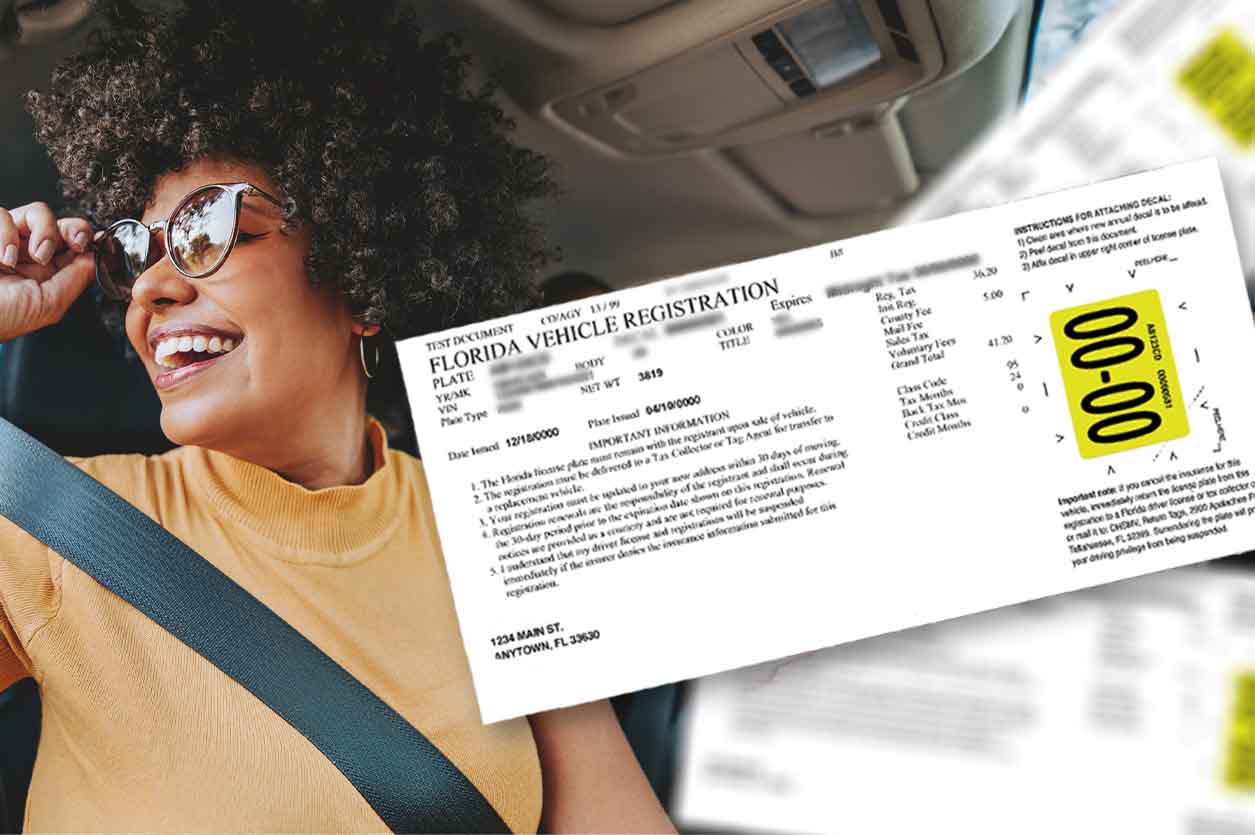
Navigating the Sunshine State: Why Register Your Car in Florida?
Relocating to Florida comes with its own set of responsibilities, and registering your out-of-state vehicle is high on that list. This isn’t just a bureaucratic hurdle; it’s a critical step that ensures you comply with state laws, contribute to local infrastructure, and maintain valid insurance coverage. Understanding the “why” behind the process can make the “how” much clearer and more manageable.
Understanding Residency Requirements
One of the first questions you’ll likely encounter is when you are considered a Florida resident for vehicle registration purposes. The state generally considers you a resident if you:
- Enroll your children in public school.
- Register to vote in Florida.
- File for a homestead exemption.
- Accept employment in Florida.
- Reside in Florida for more than six consecutive months.
Once you establish residency, you have a limited timeframe—usually 10 days—to register your vehicle and obtain a Florida license plate. This deadline is strictly enforced, and failing to meet it can result in penalties or fines. The intent behind these rules is to ensure that all vehicles regularly operating within the state’s borders are properly documented, insured, and contributing to the state’s roadways. This is particularly relevant for those who plan extended stays or make Florida their permanent home, rather than just a temporary travel destination.
The Importance of Timely Registration
Beyond avoiding penalties, timely registration is vital for several reasons. Firstly, it ensures that your vehicle is legally allowed on Florida roads. Driving with expired out-of-state tags after establishing residency can lead to traffic stops, citations, and potential complications with insurance claims. Secondly, Florida requires all registered vehicles to carry specific minimum levels of auto insurance, which is part of the registration process. This mandatory insurance protects you and others in the event of an accident, a critical aspect of responsible driving. Lastly, timely registration contributes to the state’s revenue, which in turn supports the maintenance and development of its extensive road networks, ensuring smoother and safer travel experiences for everyone exploring destinations from Jacksonville to Key West.
Essential Documentation: Gathering Your Paperwork
The bedrock of a successful car registration process in Florida is having all your ducks in a row – specifically, all the required documents. This step, while seemingly tedious, is the most crucial to avoid multiple trips to the Tax Collector’s Office. Be meticulous in gathering these items before you head out.
Proof of Ownership: The Vehicle Title
The most critical document you’ll need is the vehicle’s original title certificate. This proves you are the legal owner of the car.
- Out-of-State Title: If your vehicle is currently titled in another state, you must surrender that original title to the Florida Department of Highway Safety and Motor Vehicles (FLHSMV) or your local Tax Collector’s Office.
- Leased Vehicles: If your vehicle is leased, you’ll need a power of attorney from the leasing company, along with the original title (or a certified copy) and a copy of the lease agreement. The leasing company will often assist with this process.
- Financed Vehicles: If your vehicle has an outstanding lien, the lienholder typically holds the title. You’ll need to contact your lienholder and inform them you are moving to Florida and need to register your vehicle. They will usually send the title electronically or by mail to the Florida authorities, or provide you with a form to facilitate the process.
Mandatory Florida Insurance Requirements
Florida operates under a “no-fault” insurance system, meaning specific coverage is mandatory. Before you can register your vehicle, you must obtain a policy from an insurance company licensed to do business in Florida. The minimum requirements are:
- $10,000 Personal Injury Protection (PIP): This covers your medical expenses and lost wages regardless of who is at fault in an accident.
- $10,000 Property Damage Liability (PDL): This covers damage you might cause to another person’s property.
Proof of this active Florida insurance policy will be required at the time of registration. This is non-negotiable and a fundamental aspect of driving legally in the state.
Verifying Your Identity and Residency
You’ll need to prove both your identity and that you are indeed a Florida resident.
- Proof of Identity: A valid driver’s license (preferably a Florida driver’s license if you’ve already obtained one) or another form of government-issued identification.
- Proof of Residency: You’ll need two documents showing your Florida residential address. Acceptable documents include a utility bill, lease agreement, mortgage statement, bank statement, or a declaration of domicile. These documents help establish your connection to the state, whether you’re living in a coastal city like Tampa or a quieter inland community.
Odometer Reading and VIN Verification
For vehicles transferring from out-of-state, a Vehicle Identification Number (VIN) verification is almost always required. This verification confirms that the VIN on your vehicle matches the VIN on your ownership documents and that the vehicle is not stolen.
- VIN Verification: This can be performed by a Florida Notary Public, a law enforcement officer, or a licensed car dealer. Many Tax Collector’s Offices offer this service on-site for a small fee. You will complete a Form HSMV 82042 (Vehicle Identification Number and Odometer Verification).
- Odometer Reading: The current odometer reading of your vehicle will also be recorded on the verification form, which helps prevent odometer fraud.

The Registration Process: Step-by-Step Guide
With your documents meticulously organized, you’re ready to tackle the actual registration process. While it may seem complicated, breaking it down into manageable steps makes it straightforward.
Locating Your Local DMV or Tax Collector’s Office
Unlike many other states where vehicle services are handled by the Department of Motor Vehicles (DMV), in Florida, vehicle registration and titling are primarily handled by county Tax Collector’s Offices. These offices also often manage driver’s license services.
- Online Search: The easiest way to find your nearest office is to visit the FLHSMV website and use their office locator tool, or simply search online for “[Your County Name] Tax Collector’s Office.”
- Appointments: Some offices offer appointment scheduling, which can significantly reduce wait times. It’s advisable to check their website or call ahead to see if this option is available.
Submitting Your Documents and Fees
Once at the Tax Collector’s Office, you will:
- Present Documents: Provide all the essential documentation you’ve gathered: original title, proof of Florida insurance, proof of identity, proof of residency, and the completed VIN verification form.
- Complete Forms: You’ll fill out an application for certificate of title with/without registration (usually Form HSMV 82040). The office staff will guide you through this.
- Pay Fees and Taxes: This is where the financial aspect comes in. You will pay title fees, initial registration fees, and sales tax (if applicable).
- Sales Tax: If you paid less than 6% sales tax on your vehicle in the state where you purchased it, Florida will collect the difference. If you owned the vehicle for more than six months prior to moving to Florida, you may be exempt from sales tax if your previous state’s tax rate was equal to or greater than Florida’s rate.
- Initial Registration Fee: There’s an initial registration fee for new residents or new vehicle registrations, often referred to as a “new wheel tax,” which is currently $225. This is in addition to the annual registration fee.
Receiving Your License Plate and Registration Decal
Once all documents are approved and fees are paid, you will typically receive your new Florida license plate, registration decal, and temporary registration right there on the spot. Your permanent vehicle title will usually be mailed to you within a few weeks. Attach your new license plate to the rear of your vehicle and the decal to the upper right-hand corner of the plate.
Special Considerations for New Residents
New residents might also need to obtain a Florida driver’s license. The process can often be completed at the same Tax Collector’s Office or a separate FLHSMV service center. It’s often recommended to get your Florida driver’s license before registering your car, as it serves as a primary form of identity and proof of residency. You will generally need to pass a vision test and possibly a written exam if your out-of-state license is expired or not from a recognized jurisdiction.
Understanding Costs and Renewals
The financial implications of vehicle registration extend beyond the initial process. Understanding the breakdown of fees and the renewal cycle will help you budget and ensure continuous compliance.
Breakdown of Registration Fees and Taxes
The total cost to register your car in Florida can vary based on several factors:
- Title Fee: Approximately $75.25 for an electronic title, or $77.25 for a paper title.
- Initial Registration Fee (New Wheel Tax): $225 for vehicles not previously registered in Florida.
- Annual Registration Fees: These vary based on the vehicle’s weight and type. Passenger vehicles typically range from $27 to $46.
- License Plate Fee: If you choose a standard plate, it’s typically included in the initial registration. Specialty plates come with additional annual fees.
- Sales Tax: As mentioned, if applicable, based on a 6% state sales tax rate, plus any local discretionary sales surtax that varies by county (e.g., Miami-Dade County has a higher local surtax).
- Lien Recording Fee: If your vehicle has a lien, there’s usually a small fee to record it.
It’s wise to budget several hundred dollars for the initial registration, especially with the $225 new wheel tax. These fees support various state services, from road maintenance to public safety initiatives.
Annual Renewal Process in Florida
Once your vehicle is registered, you’ll need to renew it annually. Florida registration expires at midnight on the owner’s birthday, or on the date printed on the registration if the vehicle is owned by a business.
- Renewal Notices: The FLHSMV typically mails renewal notices as a courtesy.
- Renewal Options: You can renew online, by mail, or in person at a Tax Collector’s Office or authorized tag agency. Online renewal is often the most convenient, requiring your license plate number and the last name or business name of the registered owner.
- Proof of Insurance: You must maintain continuous Florida insurance coverage to renew your registration. The system will automatically verify this.

Penalties for Non-Compliance
Failing to register your vehicle within the 10-day residency window, driving with an expired registration, or operating without the required Florida insurance can lead to significant penalties:
- Fines: Citations for unregistered or uninsured vehicles can range from hundreds to thousands of dollars.
- License Suspension: Your driver’s license and vehicle registration can be suspended if you drive without proper insurance.
- Impoundment: In severe cases, your vehicle may be impounded.
These consequences underscore the importance of staying informed and compliant with Florida’s vehicle laws. By following these steps and understanding the requirements, you can successfully register your car and enjoy the freedom of the open road in the beautiful Sunshine State without any unnecessary worries. Whether you’re commuting to work in Tallahassee or embarking on a scenic drive along Highway A1A, having your vehicle legally registered is your first step towards a seamless experience in Florida.
LifeOutOfTheBox is a participant in the Amazon Services LLC Associates Program, an affiliate advertising program designed to provide a means for sites to earn advertising fees by advertising and linking to Amazon.com. Amazon, the Amazon logo, AmazonSupply, and the AmazonSupply logo are trademarks of Amazon.com, Inc. or its affiliates. As an Amazon Associate we earn affiliate commissions from qualifying purchases.