
Navigating the landscape of parental leave can be a complex endeavor, particularly in a state as progressive as California. For expectant or new parents, understanding their rights and benefits isn’t just about compliance; it’s about laying the foundation for a balanced family lifestyle, enabling critical bonding time, and fostering a secure environment for a new addition. California’s comprehensive maternity and parental leave policies are designed to support families during this transformative period, allowing them to prioritize well-being, adjust to new routines, and plan for future family experiences, from local outings to memorable family trips. These provisions ensure that the arrival of a child can be celebrated and fully embraced without undue financial or professional stress, contributing significantly to a family’s overall lifestyle quality.
Understanding Your Rights: A Foundation for Family Lifestyle
California’s approach to maternity and parental leave integrates several state and federal laws, creating a robust safety net. This multi-layered system can seem intricate, but understanding its core components is essential for maximizing benefits and securing your family’s financial and professional stability, which in turn influences your lifestyle choices.
Paid Family Leave (PFL) and State Disability Insurance (SDI)
At the heart of California’s paid leave system are two crucial programs administered by the Employment Development Department (EDD): State Disability Insurance (SDI) and Paid Family Leave (PFL).
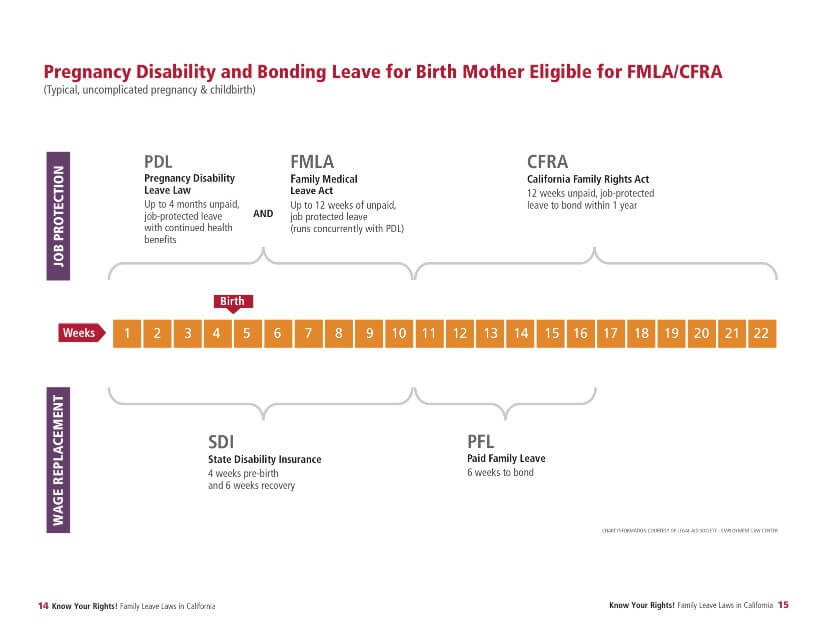
- State Disability Insurance (SDI): This program provides wage replacement benefits to eligible California workers who are unable to work due to a non-work-related illness or injury, including pregnancy and childbirth. For mothers, SDI typically covers the period of disability before childbirth (usually up to four weeks) and the recovery period after childbirth (typically six weeks for a vaginal delivery or eight weeks for a C-section). The benefit amount is generally 60-70% of your average weekly wages earned 5 to 18 months before your claim begins, up to a maximum weekly benefit. This income replacement is vital for maintaining a family’s financial equilibrium during a time of increased expenses and reduced income, preventing disruptions to their established lifestyle or forcing premature returns to work.
- Paid Family Leave (PFL): Following the disability period covered by SDI, PFL steps in to provide wage replacement for up to eight weeks for bonding with a new child (birth, adoption, or foster care placement). PFL is available to both mothers and fathers, as well as domestic partners and adoptive or foster parents. Like SDI, the benefit amount is 60-70% of your average weekly wages, up to the maximum. This dedicated bonding time is invaluable for establishing healthy parent-child relationships, adjusting to new family dynamics, and setting a positive tone for the family’s lifestyle. It grants parents the freedom to focus on their newborn without immediate financial strain, opening up possibilities for early family outings and quiet moments at home.
Job Protection: Securing Your Professional Path
While SDI and PFL address wage replacement, job protection ensures that you have a position to return to after your leave. California leverages both state and federal laws to provide this security, offering peace of mind that enables parents to fully immerse themselves in their new family roles without career anxieties.
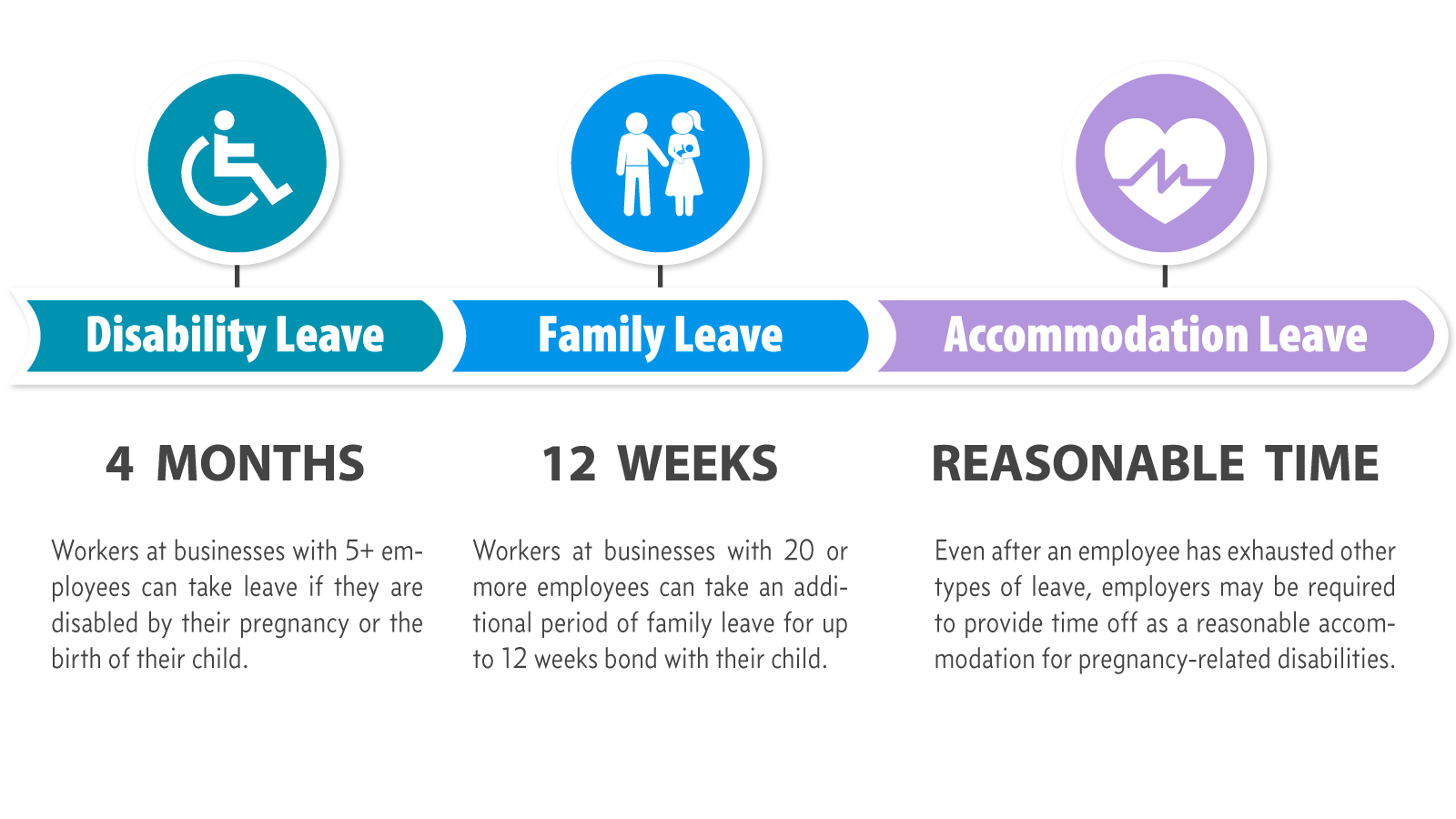
- Pregnancy Disability Leave (PDL): This California law applies to employers with five or more employees. PDL allows pregnant employees to take up to four months (per pregnancy) of unpaid, job-protected leave for disability related to pregnancy, childbirth, or a related medical condition. This leave can be taken before or after childbirth, based on medical necessity. Crucially, your employer must maintain your health benefits during PDL under the same conditions as if you had continued to work.
- California Family Rights Act (CFRA): CFRA provides up to 12 weeks of unpaid, job-protected leave per 12-month period for eligible employees to bond with a new child, care for a seriously ill family member, or manage certain military exigencies. Importantly, CFRA leave for bonding can be taken by either parent and runs concurrently with PFL but not with PDL. This means a birth mother can potentially combine her PDL with CFRA, resulting in a significantly longer period of job-protected leave—up to seven months in some cases. This extended time is invaluable for adapting to parenthood and considering how a new family member will reshape your travel and leisure aspirations.
- Family and Medical Leave Act (FMLA): This federal law applies to employers with 50 or more employees within a 75-mile radius and eligible employees. FMLA provides up to 12 weeks of unpaid, job-protected leave for reasons similar to CFRA, including the birth or placement of a child. In California, CFRA and FMLA often run concurrently for most bonding reasons, but CFRA may offer broader protections for certain family situations.
- New Parent Leave Act (NPLA): For smaller employers (20-49 employees), the New Parent Leave Act (NPLA) previously offered 12 weeks of job-protected bonding leave. As of January 1, 2021, the CFRA now applies to employers with five or more employees, effectively making the NPLA largely redundant for bonding leave, extending CFRA protections more broadly.
- Accommodation for Pregnancy-Related Conditions: Beyond leave, California law requires employers to provide reasonable accommodations for employees with conditions related to pregnancy, childbirth, or related medical conditions, similar to the protections offered by the Americans with Disabilities Act (ADA) for other disabilities. This could include modifying job duties, providing ergonomic equipment, or allowing more frequent breaks, all contributing to a more comfortable and sustainable work-life balance during pregnancy.
For further information and guidance on these rights, the California Civil Rights Department (CRD) serves as a valuable resource. Understanding these combined provisions empowers families to plan for their new lifestyle confidently, knowing their jobs are secure while they focus on their newborn.
Crafting Your Family’s New Rhythm: Time and Well-being
The time afforded by California’s generous leave policies is an invaluable opportunity to craft your family’s new rhythm and prioritize well-being. This period is not merely a pause from work; it is an active investment in the physical and emotional health of both parents and child, profoundly shaping the family’s emerging lifestyle.
Bonding and Development
The initial weeks and months with a newborn are crucial for bonding. PFL allows parents to immerse themselves fully in this experience, establishing attachment, learning their baby’s cues, and fostering a secure environment. This dedicated time contributes to the child’s healthy development and lays the groundwork for strong family relationships. Without the pressure of immediate return to work, parents can focus on nurturing, embracing sleepless nights, and celebrating every small milestone. This period is a unique opportunity to simply be with your new family member, creating memories that form the core of your shared lifestyle.
Parental Recovery and Adjustment
For birthing parents, maternity leave is also essential for physical recovery from childbirth. The ability to rest and heal without the demands of work accelerates recovery and prevents burnout. For both parents, it’s a period of significant adjustment—learning new routines, managing household duties with a newborn, and navigating the emotional shifts that come with parenthood. This period of adjustment, supported by leave benefits, is fundamental to establishing a sustainable and joyful family lifestyle, rather than one defined by stress and exhaustion. It allows for exploration of new activities suitable for a newborn, like short walks in a local park or quiet afternoons spent reading, slowly easing into the idea of more ambitious family trips down the line.
Embracing New Experiences and Lifestyle Choices
With the financial support of SDI and PFL, and the job security provided by PDL and CFRA, new parents gain the freedom to explore how their lifestyle will evolve. This could mean adapting hobbies, discovering new local attractions suitable for infants, or beginning to dream about future family adventures. The extended leave period provides the mental space to consider how to integrate a child into existing travel plans or inspire entirely new family trip traditions. It allows for careful budgeting and saving for future experiences, rather than just covering immediate needs.
Financial Prudence and Future Family Experiences
One of the most significant advantages of California’s maternity leave system is the financial stability it provides during a time of immense change and potential financial strain. This stability isn’t just about meeting immediate needs; it’s about preserving a family’s lifestyle and enabling future aspirations, including enriching family trips and memorable experiences.
Mitigating Income Loss
The wage replacement offered by SDI and PFL is crucial for mitigating the impact of income loss during leave. Without these benefits, many families would face severe financial hardship, potentially leading to debt or an inability to cover essential expenses. By providing a percentage of regular wages, California’s system helps maintain financial equilibrium, allowing families to continue paying bills, maintain their housing, and avoid drastic cuts to their quality of life. This continuity is a cornerstone of a stable lifestyle.
Budgeting for the Future
With a baseline of income replacement, parents can engage in more thoughtful financial planning for their new family. This includes budgeting for increased baby-related expenses, but also consciously setting aside funds for future family experiences. The peace of mind afforded by paid leave allows for long-term vision—saving for a child’s education, making home improvements, or, pertinent to a lifestyle focused on experiences, planning and saving for that first big family trip or a series of smaller weekend getaways. The ability to save and plan transforms potential stress into opportunity.
Investing in Shared Memories
A stable financial footing means that families aren’t just surviving; they’re thriving and investing in shared memories. Whether it’s a first visit to the San Diego Zoo, a peaceful retreat to the Yosemite National Park, or even a modest beach vacation in Santa Monica, these experiences become accessible because the foundational needs are covered. California maternity leave indirectly supports the creation of these invaluable family lifestyle moments, enabling parents to spend quality time exploring the world with their children, fostering a lifelong love of discovery and travel.
Navigating the Return: Maintaining a Balanced Lifestyle
The transition back to work after maternity or parental leave can be challenging, but proactive planning and leveraging available resources can help maintain the balanced lifestyle you’ve established with your new family. California’s framework, combined with thoughtful personal strategies, helps integrate work responsibilities with ongoing family needs.
Childcare Integration
A primary concern for returning parents is securing reliable and suitable childcare. The period of leave provides an excellent opportunity to research, visit, and select childcare options that align with your family’s values and schedule. This pre-planning minimizes stress upon return to work and ensures a smooth transition for both parents and child. Integrating childcare seamlessly into your daily routine is crucial for sustaining the rhythm of your family’s lifestyle and freeing up time for other pursuits, including continued family bonding and leisure.
Flexible Work Arrangements
Many employers in California are increasingly open to flexible work arrangements, such as telecommuting, compressed workweeks, or part-time schedules, particularly for new parents. While not guaranteed by law for all employers, it is always worth discussing these options with your employer. Flexible arrangements can significantly contribute to maintaining work-life balance, allowing parents more time for family activities, school pickups, or simply to manage the unpredictable nature of parenting. This flexibility can be a game-changer for preserving a lifestyle that prioritizes family time and even enables more frequent, albeit shorter, family trips.
Continued Family Bonding and Future Planning
Even after returning to work, it’s essential to consciously dedicate time to family bonding. This could involve designating specific evenings for family meals, planning weekend adventures, or continuing to explore local attractions. The financial security provided by California leave benefits often allows families to save for these continued lifestyle enrichments, ensuring that the return to work doesn’t mean an end to family experiences. Regular family trips, whether cross-state journeys to Lake Tahoe or international excursions, become a more realistic and manageable part of your family’s evolving lifestyle, sustained by the robust support system that began with maternity leave. By effectively managing the return to work, parents can continue to build a fulfilling life that balances professional aspirations with a rich, experience-driven family lifestyle.
LifeOutOfTheBox is a participant in the Amazon Services LLC Associates Program, an affiliate advertising program designed to provide a means for sites to earn advertising fees by advertising and linking to Amazon.com. Amazon, the Amazon logo, AmazonSupply, and the AmazonSupply logo are trademarks of Amazon.com, Inc. or its affiliates. As an Amazon Associate we earn affiliate commissions from qualifying purchases.