
Navigating the complexities of Family Medical Leave Act (FMLA) can be a significant concern for individuals and families, especially when specific state regulations come into play. In Colorado, while the federal FMLA provides a baseline of protection, there are nuances and additional considerations that employers and employees should be aware of. Understanding how FMLA operates within the Centennial State is crucial for ensuring employees can access necessary leave for serious health conditions, the birth or adoption of a child, or to care for family members, without jeopardizing their employment. This guide delves into the specifics of FMLA in Colorado, highlighting its scope, eligibility requirements, and the interplay between federal and state provisions.
Understanding the Federal Family Medical Leave Act (FMLA)
The federal Family Medical Leave Act (FMLA) was signed into law in 1993, establishing a critical safety net for employees across the United States. Its primary purpose is to grant eligible employees up to 12 workweeks of unpaid, job-protected leave per year for specific family and medical reasons. This federal legislation is foundational, and its provisions are applied in Colorado unless state law offers broader protections or clarifies certain aspects.
Key Provisions of Federal FMLA
At its core, federal FMLA covers three main categories of leave:
- Medical Leave: For a serious health condition of the employee. A “serious health condition” is defined as an illness, injury, impairment, or physical or mental condition that involves inpatient care or continuing treatment by a healthcare provider. This can include conditions requiring hospitalization, ongoing treatment for chronic conditions, or significant recovery periods after surgery.
- Family Leave:
- Birth, Adoption, or Foster Care: To bond with a newborn child, or for the placement of a child for adoption or foster care. This leave must generally be taken within one year of the qualifying event.
- Care for Family Member: To care for a spouse, child, or parent who has a serious health condition. This allows employees to provide necessary care and support during a critical time.
- Military Family Leave: Federal FMLA also includes provisions for military families, allowing eligible employees to take leave for certain qualifying exigencies arising out of a family member’s active duty or call to active duty status. Additionally, it provides for up to 26 workweeks of leave during a single 12-month period to care for a covered servicemember with a serious injury or illness incurred in the line of duty while on active duty.
Employer and Employee Eligibility for Federal FMLA
For federal FMLA to apply, both the employer and the employee must meet specific eligibility criteria.
- Employer Coverage: Employers are covered by FMLA if they are a private sector employer with 50 or more employees in the United States, or a public agency, or a public or private elementary or secondary school. These 50 employees must have worked for the employer for at least 20 calendar weeks in the current or preceding calendar year.
- Employee Eligibility: To be eligible for FMLA leave, an employee must:
- Have been employed by the covered employer for at least 12 months (these months do not have to be consecutive).
- Have worked at least 1,250 hours of service during the 12 months immediately preceding the commencement of the leave.
- Work at a location where the employer has at least 50 employees within 75 miles of the employee’s worksite.
Job Protection and Benefits During FMLA Leave
A cornerstone of FMLA is job protection. Employees are entitled to return to their same or an equivalent position upon returning from leave. An equivalent position is one that is virtually identical to the employee’s original position in terms of pay, benefits, and other terms and conditions of employment. Furthermore, employers must maintain an eligible employee’s health benefits during FMLA leave under the same conditions as if the employee had continued to work.
State-Specific Considerations in Colorado
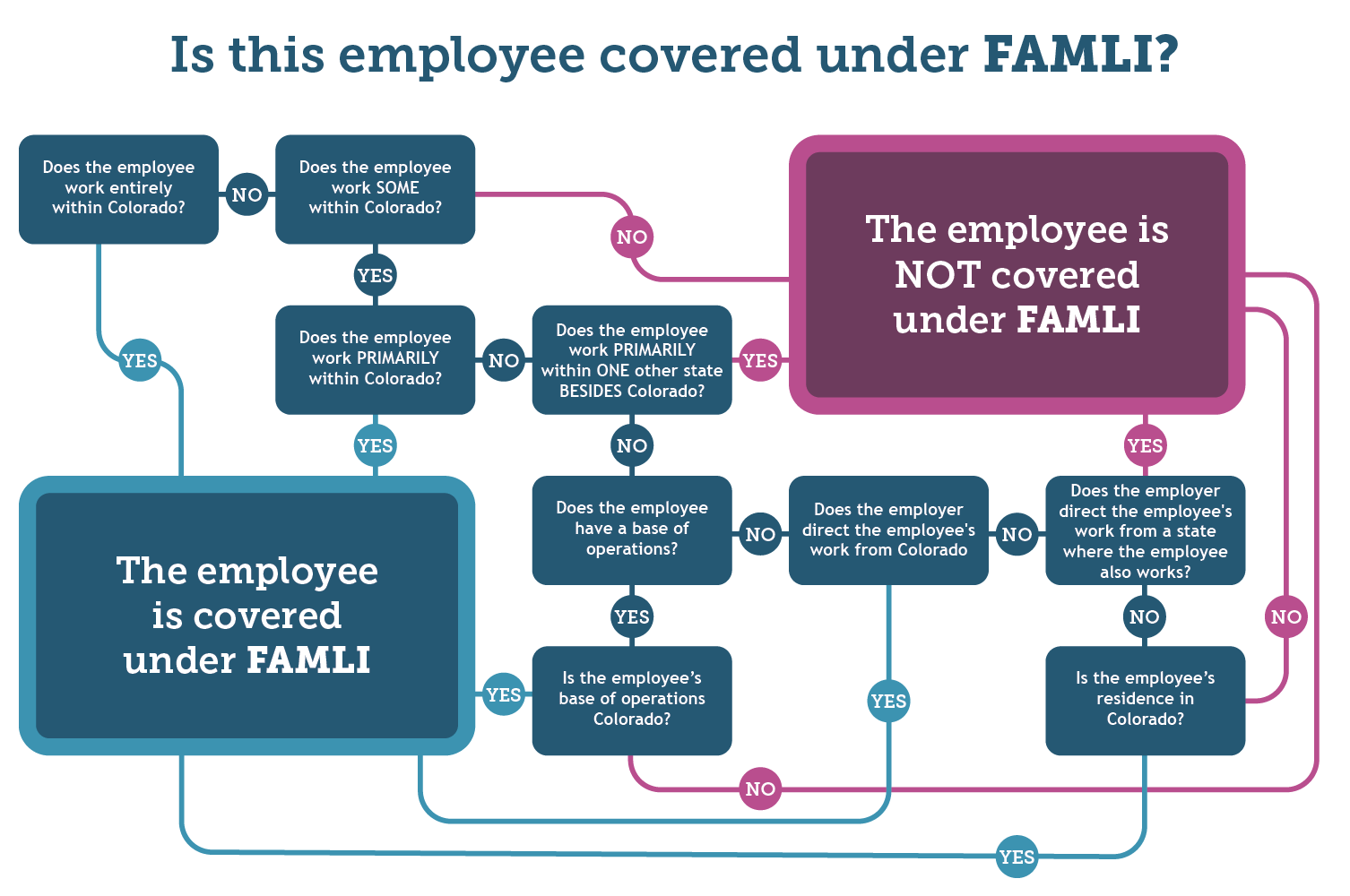
While federal FMLA sets the minimum standard, Colorado has its own employment laws that may interact with or supplement federal protections. For instance, Colorado’s own Family and Medical Leave Insurance Program, often referred to as FAMLI, is a significant development that offers paid leave benefits. It is crucial for Colorado residents to understand how federal FMLA and state programs like FAMLI function together.
Colorado’s FAMLI Program: A Complementary Benefit
Launched in 2024, Colorado’s FAMLI program is a state-administered paid family and medical leave insurance program. Unlike federal FMLA, which is unpaid, FAMLI provides wage replacement benefits. This means that while federal FMLA guarantees job protection and continuation of health benefits, FAMLI offers a financial cushion during periods of leave.
- Coverage and Eligibility: FAMLI covers most employees working in Colorado, including those who work for small employers (even those with fewer than 10 employees, unlike federal FMLA). Eligibility for benefits is generally based on having earned a minimum amount of wages in the highest-earning quarter of the last calendar year.
- Types of Leave Under FAMLI: FAMLI offers benefits for several reasons, which overlap with but are not identical to FMLA’s provisions:
- Family Leave: Caring for a family member with a serious health condition, bonding with a new child, or for reasons related to a family member’s military service.
- Medical Leave: For an employee’s own serious health condition.
- Safety Leave: In cases of domestic violence, sexual assault, or stalking.
- Benefit Duration and Amount: FAMLI provides up to 12 weeks of paid leave per year, with a possibility of an additional 4 weeks for complications arising from the employee’s own serious health condition. The weekly benefit amount is calculated based on the employee’s average weekly wage, with higher earners receiving a smaller percentage of their wages compared to lower earners, aiming for progressive benefit distribution.
- Interaction with Federal FMLA: It is important to note that FAMLI and FMLA are distinct programs. Federal FMLA provides job protection and is unpaid. FAMLI provides wage replacement benefits and is funded through employer and employee contributions. An employee may be eligible for both. For example, if an employee takes unpaid leave under FMLA for a serious health condition, they might be able to draw paid benefits from FAMLI during that same leave period, thus mitigating the financial impact of being away from work. Employers must still comply with federal FMLA’s job protection requirements.
Employer Responsibilities in Colorado

Employers in Colorado have specific responsibilities related to both federal FMLA and state laws.
Notice Requirements
- Federal FMLA: Employers covered by FMLA must post a notice explaining FMLA rights and responsibilities in a conspicuous place. They must also provide employees with a written notice detailing their FMLA rights and responsibilities at the time they request leave or when the employer learns that an employee’s absence may qualify for FMLA leave.
- Colorado FAMLI: Employers are also required to provide notices to employees about the FAMLI program, its benefits, and how to apply.
Record Keeping
Employers must maintain records that demonstrate compliance with FMLA requirements. This includes information about hours worked, wages paid, and leave taken. Similarly, accurate record-keeping is essential for FAMLI compliance, including payroll contributions and employee eligibility for benefits.
Non-Retaliation Policies
Both federal FMLA and Colorado law prohibit employers from retaliating against employees who exercise their rights under these statutes. This means an employer cannot terminate, demote, or otherwise discriminate against an employee for requesting or taking FMLA or FAMLI leave, or for participating in any inquiry or proceeding related to these laws.
Taking Leave in Colorado: A Practical Guide
For an employee in Colorado needing to take leave, the process involves understanding eligibility under both federal FMLA and state programs.
Initiating a Leave Request
- Notify Your Employer: Employees are generally required to provide advance notice of their intent to take FMLA leave, unless an emergency prevents it. For foreseeable leave, such as the birth of a child or planned surgery, employees should provide at least 30 days’ notice.
- Submit Documentation: Employers may require medical certification to support a request for leave due to a serious health condition. For military caregiver leave, specific documentation related to the servicemember’s injury or illness is needed. For FAMLI, the specific application process and required documentation will be outlined by the state.
- Understand Benefit Options: Employees should clarify with their employer whether the leave will be designated as FMLA leave, and if they are eligible for paid benefits under Colorado’s FAMLI program, which is administered by the state’s Department of Labor and Employment.
Understanding Job Protection and Pay
- Job Protection: Under federal FMLA, your job is protected. You have the right to return to your original job or an equivalent one.
- Paid vs. Unpaid Leave: Federal FMLA leave is unpaid. However, employees in Colorado may be eligible for paid leave benefits through the state’s FAMLI program, depending on their individual eligibility and the reason for leave. Employers may also offer paid leave through their own policies, or employees may use accrued paid time off (like vacation or sick leave) concurrently with FMLA leave, as per employer policy and federal guidelines.
Navigating Interplay Between FMLA and FAMLI
It’s crucial to understand that these are two separate, albeit complementary, systems. An employee might be eligible for FMLA job protection but not for FAMLI wage replacement, or vice versa, although there is significant overlap in coverage. The key is to engage with both your employer’s HR department and the Colorado Department of Labor and Employment’s FAMLI division to understand your complete set of rights and benefits. For instance, if your employer is not covered by federal FMLA (e.g., fewer than 50 employees within 75 miles), you may still have job protection rights through state-level employment laws and can access paid benefits through FAMLI.

Staying Informed and Seeking Assistance
The landscape of employment law, especially concerning leave benefits, can be dynamic. Both employers and employees in Colorado should stay informed about updates to federal FMLA regulations and the administration of the state’s FAMLI program.
- Employer Resources: Employers should consult with legal counsel specializing in employment law and refer to official guidance from the U.S. Department of Labor and the Colorado Department of Labor and Employment for compliance strategies.
- Employee Resources: Employees seeking more information about their rights and responsibilities under FMLA and FAMLI can consult the U.S. Department of Labor’s Wage and Hour Division website, the Colorado Department of Labor and Employment’s FAMLI website, and their employer’s human resources department. Legal aid services or employment attorneys can also provide personalized guidance.
By understanding the framework of federal FMLA and its interaction with Colorado’s FAMLI program, individuals in the state can better navigate periods of personal or family health needs, ensuring both their well-being and their continued employment. This comprehensive understanding is vital for fostering a supportive and stable work environment for all.
LifeOutOfTheBox is a participant in the Amazon Services LLC Associates Program, an affiliate advertising program designed to provide a means for sites to earn advertising fees by advertising and linking to Amazon.com. Amazon, the Amazon logo, AmazonSupply, and the AmazonSupply logo are trademarks of Amazon.com, Inc. or its affiliates. As an Amazon Associate we earn affiliate commissions from qualifying purchases.