
The idyllic image of Hawaii often conjures up visions of sun-drenched beaches, lush volcanic landscapes, and the gentle rhythm of island life. Yet, beneath this serene exterior lies a complex and vital infrastructure: the Hawaiian electricity grid. For a collection of islands isolated in the vast Pacific Ocean, generating a consistent and sustainable power supply is not just a convenience but a necessity for its thriving tourism industry, its unique ecosystems, and the daily lives of its residents. Understanding how Hawaii generates its electricity offers a fascinating glimpse into the challenges and innovations of powering island communities, particularly in the face of global energy transitions and the unique environmental considerations of this tropical paradise.
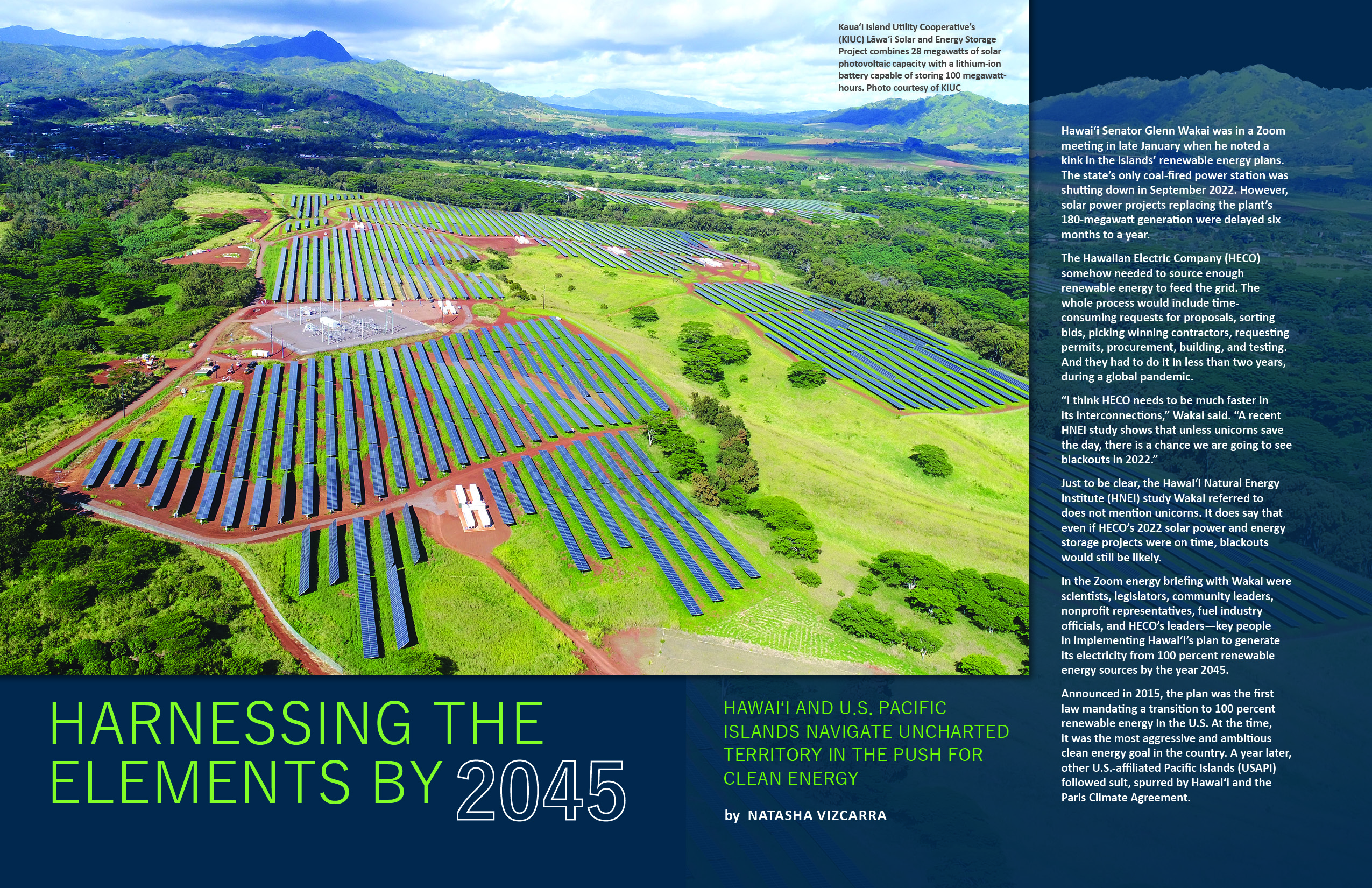
The Hawaiian archipelago, comprising the islands of Oahu, Maui, Kauai, Big Island (the island of Hawaii), Lanai, and Molokai, faces a distinct set of hurdles when it comes to energy production. Unlike mainland nations with extensive landmass and interconnected grids, Hawaii is geographically fragmented. Each island must largely fend for itself in terms of power generation, making diversification and resilience paramount. Furthermore, the state has ambitious renewable energy goals, aiming to achieve 100% clean energy by 2045, a target that drives significant investment and innovation in its power sector. This commitment to sustainability is not only an environmental imperative but also a strategic move to reduce reliance on volatile fossil fuel imports, which have historically been a significant cost for the islands.
The Pillars of Hawaiian Power Generation
Historically, Hawaii has relied heavily on imported fossil fuels, primarily petroleum, to power its generators. This dependence has significant economic and environmental repercussions. The cost of shipping fuel across thousands of miles of ocean is substantial, directly impacting the price of electricity for consumers and businesses. Environmentally, burning fossil fuels contributes to greenhouse gas emissions, a concern for a state deeply invested in preserving its natural beauty and mitigating the effects of climate change, such as rising sea levels and more intense storms.
However, the landscape of energy generation in Hawaii is rapidly evolving, driven by policy, technological advancements, and a growing commitment to renewable resources. The state’s unique geographical features, including abundant sunshine, consistent trade winds, and volcanic activity, present natural advantages for harnessing clean energy. This shift away from fossil fuels is a multi-faceted approach, involving a diverse portfolio of renewable energy sources, advancements in energy storage, and a focus on grid modernization.
Harnessing the Elements: Renewable Energy Sources
Hawaii’s journey towards a clean energy future is characterized by a significant and growing reliance on renewable energy sources. The abundant natural resources available across the islands are being increasingly tapped to power homes, hotels, and businesses, offering a sustainable alternative to traditional fossil fuels. This diversification not only bolsters energy security but also aligns with the state’s progressive environmental policies and its commitment to combating climate change.
Solar Power: A Sunny Opportunity
Given its latitude, Hawaii receives an exceptional amount of sunshine throughout the year, making solar power a natural and highly effective renewable energy source. Both utility-scale solar farms and rooftop solar installations are prevalent across the islands. Hawaiian Electric Company (HECO), the state’s largest electric utility, has been instrumental in integrating large solar projects into the grid. These installations, often found in sunny, open areas on islands like Oahu and Maui, contribute a significant portion of the state’s renewable energy generation.
The growth of residential and commercial rooftop solar has been particularly impressive, facilitated by incentive programs and a strong consumer desire for energy independence and lower electricity bills. Many Hawaiian residents and businesses have invested in solar panels, contributing to a distributed energy network that reduces strain on the main grid and enhances resilience. This decentralized approach is crucial for an island chain where the failure of a single central power plant could have widespread consequences. The technology behind solar panels has become more efficient and affordable, further accelerating adoption.
Wind Energy: Riding the Trade Winds
Hawaii is also a significant player in wind energy generation. The consistent trade winds that grace the islands provide an excellent resource for wind turbines. Large wind farms have been established on islands such as Maui and the Big Island. These facilities feature towering turbines that capture kinetic energy from the wind and convert it into electricity.
Wind power complements solar power by often generating electricity during different times of the day and night, providing a more consistent renewable energy output. For instance, while solar generation peaks during daylight hours, wind can be a substantial source of power in the evenings and overnight. The development of wind energy has not been without its challenges, including concerns about visual impact and potential effects on bird populations, leading to careful planning and siting of new projects. Nevertheless, wind remains a critical component of Hawaii’s renewable energy strategy.
Geothermal Energy: Tapping into Volcanic Power
The Big Island, with its active volcanic systems, offers a unique opportunity for geothermal energy generation. The Puna Geothermal Venture (PGV) is Hawaii‘s primary geothermal power plant. This facility harnesses the heat from the Earth’s interior to produce electricity. Geothermal energy is a baseload power source, meaning it can provide a constant, reliable supply of electricity 24/7, irrespective of weather conditions.
This stable and consistent output makes geothermal power particularly valuable for grid stability. While its geographical application is limited to areas with significant geothermal activity, its contribution to Hawaii’s energy mix is substantial, particularly on the Big Island. The technology involves drilling wells deep into the earth to access hot water and steam, which then drive turbines. Geothermal energy is considered a very clean energy source with minimal greenhouse gas emissions.

Biomass Energy: Utilizing Organic Resources
Biomass energy production involves generating electricity from organic materials, such as agricultural waste, wood residues, and dedicated energy crops. In Hawaii, there is potential to utilize byproducts from the state’s agricultural sector. While not as prominent as solar or wind, biomass can play a role in diversifying the energy portfolio and managing organic waste streams. Projects that convert sugarcane bagasse (a byproduct of sugar production) into electricity have been a part of Hawaii’s energy history. This approach offers a way to generate power while also addressing waste management issues.
Energy Storage: The Key to Intermittency
One of the primary challenges with renewable energy sources like solar and wind is their intermittency; they are dependent on the availability of sunlight and wind. To overcome this, energy storage solutions are becoming increasingly critical for a stable and reliable grid. Battery energy storage systems (BESS) are rapidly being deployed across Hawaii to store excess renewable energy generated during peak production times and release it when demand is high or renewable generation is low.
Grid-Scale Battery Storage
Large-scale battery systems are being integrated with solar and wind farms, as well as at substations, to provide grid stability and support the integration of more renewable energy. These systems act as a buffer, smoothing out fluctuations in renewable energy output and preventing grid disruptions. Hawaiian Electric has been actively investing in and implementing these grid-scale battery projects, recognizing their vital role in achieving 100% renewable energy. These batteries can also provide ancillary services, such as frequency regulation, which are essential for maintaining a healthy power grid.
Distributed Energy Storage
Beyond grid-scale solutions, homeowners and businesses with solar panels are increasingly installing home battery systems. These systems store solar energy generated during the day for use at night or during power outages, offering greater energy independence and resilience. This distributed storage further enhances the overall flexibility and reliability of Hawaii’s energy infrastructure.
Innovations and Future Directions in Hawaiian Electricity
Hawaii is not merely adopting existing renewable energy technologies; it is actively participating in and driving innovation in the energy sector. The state’s commitment to a clean energy future has fostered an environment where new ideas and technologies are being explored and implemented to enhance grid efficiency, reliability, and sustainability.
Smart Grid Technologies
The development of a smart grid is fundamental to managing a complex and dynamic energy system that incorporates a high penetration of renewables. Smart grids utilize advanced communication and control technologies to monitor, analyze, and manage electricity flow in real-time. This allows utilities to better integrate renewable energy sources, respond to demand fluctuations, and improve overall grid efficiency. In Hawaii, smart grid initiatives are focused on enhancing grid visibility, enabling demand response programs (where consumers are incentivized to reduce electricity usage during peak times), and improving the management of distributed energy resources like rooftop solar and batteries.
Grid Modernization and Resilience
Given Hawaii‘s vulnerability to natural disasters, such as hurricanes and earthquakes, grid modernization efforts are also heavily focused on enhancing resilience. This includes strengthening transmission and distribution infrastructure, undergrounding power lines in critical areas, and developing microgrids. Microgrids are localized energy systems that can operate independently of the main grid during outages, providing a reliable power supply to essential facilities like hospitals, emergency shelters, and military bases. The concept of resilient energy infrastructure is particularly important for island communities that can be cut off from external support during emergencies.
Exploring Emerging Technologies
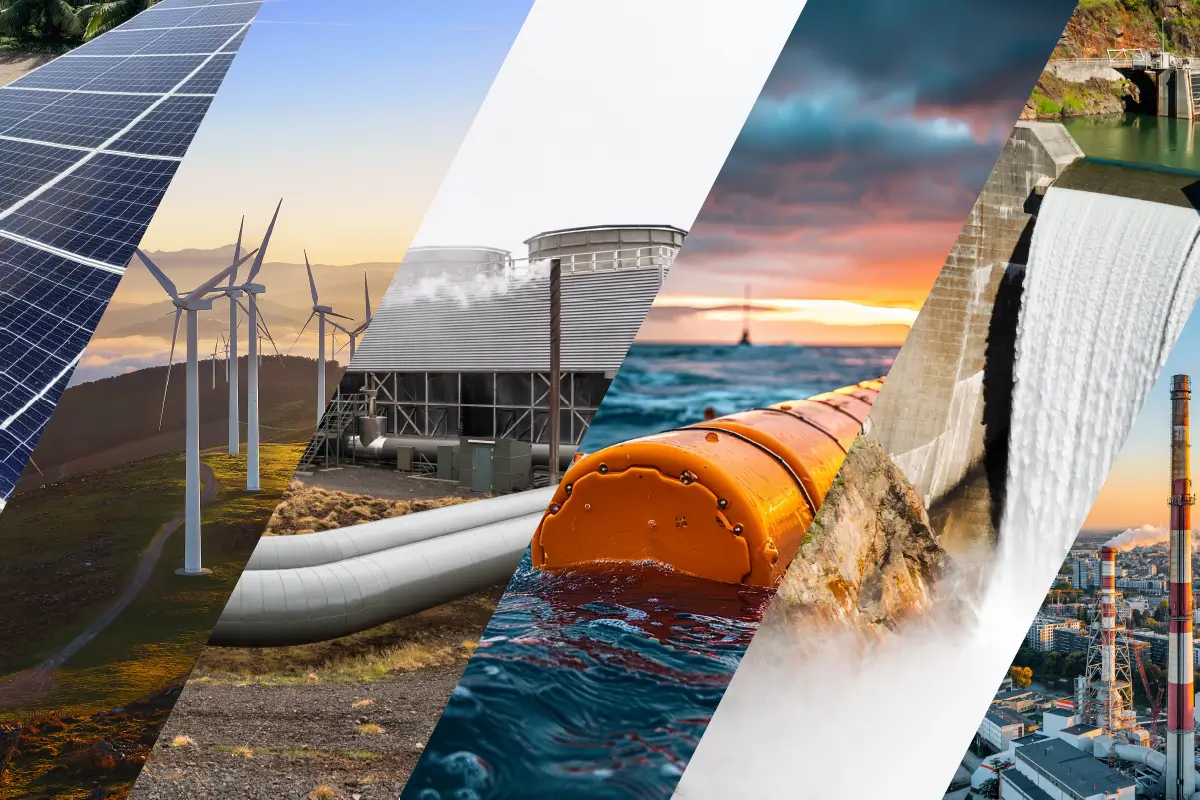
Beyond current renewable energy technologies, Hawaii remains open to exploring emerging solutions that could further contribute to its clean energy goals. This includes research and development into advanced battery chemistries, offshore wind potential, and even the possibility of green hydrogen production. The state’s ambitious targets necessitate a forward-thinking approach, continuously evaluating new pathways to decarbonize its energy sector. The unique geographical and environmental characteristics of Hawaii present both challenges and opportunities for piloting and scaling up these next-generation energy technologies.
In conclusion, Hawaii’s approach to generating electricity is a compelling case study in the transition to a sustainable energy future. From its reliance on imported fossil fuels, the islands are forging a path towards clean energy dominance, leveraging abundant natural resources like sunshine and wind. Through significant investments in solar, wind, geothermal, and advanced energy storage, coupled with the modernization of its grid and a commitment to innovation, Hawaii is demonstrating that even geographically isolated regions can achieve ambitious renewable energy goals. This transformation is not only crucial for environmental preservation but also vital for the economic prosperity and energy security of this beloved island paradise. The ongoing evolution of Hawaii’s energy landscape serves as an inspiration for other island communities and nations worldwide striving to embrace a cleaner, more sustainable energy paradigm.
LifeOutOfTheBox is a participant in the Amazon Services LLC Associates Program, an affiliate advertising program designed to provide a means for sites to earn advertising fees by advertising and linking to Amazon.com. Amazon, the Amazon logo, AmazonSupply, and the AmazonSupply logo are trademarks of Amazon.com, Inc. or its affiliates. As an Amazon Associate we earn affiliate commissions from qualifying purchases.