
Navigating the complexities of property ownership and taxation can be a daunting prospect for anyone, but for residents of Texas, understanding the homestead exemption is paramount. This invaluable provision in Texas law offers significant property tax relief to homeowners, making the dream of homeownership more attainable and sustainable. At its core, a homestead exemption is a legal declaration that protects a portion of a homeowner’s equity from creditors and, crucially for most Texans, reduces the taxable value of their primary residence. This article delves into the mechanics of how homestead exemption works in Texas, exploring eligibility, application, benefits, and nuances that homeowners need to be aware of.

Understanding the Core Benefits of Texas Homestead Exemption
The primary allure of the homestead exemption in Texas lies in its ability to lower property tax bills. Property taxes are a significant, often recurring expense for homeowners, funding local schools, public services, and infrastructure. By reducing the assessed value of a home, the exemption directly translates into lower annual tax payments. This relief is particularly impactful in areas with high property values, such as Houston, Dallas, Austin, and San Antonio.
Property Tax Reduction
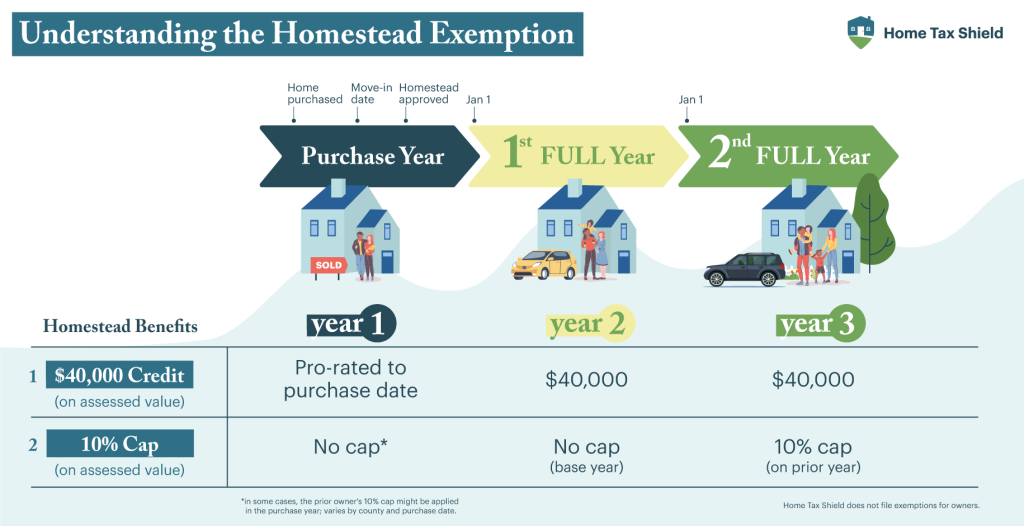
The homestead exemption provides a specific dollar amount that is deducted from the appraised value of a home before property taxes are calculated. For a general homestead exemption, this amount is currently $40,000. This means that if your home is appraised at $300,000, the taxable value will be reduced to $260,000, leading to a tangible decrease in your tax liability.
Protection from Creditors
Beyond tax relief, the homestead exemption offers a robust shield against certain creditors. In Texas, a homestead is generally protected from forced sale to satisfy debts, including those arising from unsecured loans, credit card debt, and medical bills. This protection is a cornerstone of Texas property law, designed to ensure that homeowners do not lose their primary residence due to financial hardship. However, it’s crucial to note that this protection does not extend to all debts. Mortgages, home equity loans, property taxes, and liens for work performed on the home are typically exceptions.
Additional Exemptions for Specific Groups
Texas recognizes the unique needs and contributions of certain populations and offers additional homestead exemptions to further alleviate their property tax burden. These include:
School Homestead Exemption
All homeowners who qualify for a general homestead exemption are automatically eligible for an additional exemption specifically for taxes levied by school districts. This exemption currently amounts to $5,000 of the home’s value. This means that on top of the $40,000 general exemption, another $5,000 is removed from the taxable value for school taxes.
Age 65 or Older or Disabled Persons Exemption
Homeowners who are 65 years of age or older or who have been determined to be disabled by a qualified medical professional can qualify for a more substantial exemption. This exemption is an additional $10,000 for general homestead purposes. Furthermore, these individuals can elect to freeze their property tax ceiling. This means that once the exemption is granted, their property taxes will not increase from the year they qualified, even if their home’s market value or the tax rate rises. The taxing entities can still levy taxes to cover their operational costs, but the increase cannot be passed on to the homeowner who has frozen their taxes. This provides immense financial security for seniors and individuals with disabilities.
Disabled Veterans’ Exemption
Texas offers significant property tax benefits for disabled veterans. The level of exemption depends on the percentage of disability determined by the U.S. Department of Veterans Affairs.
- 10% to 30% disability: $5,000 exemption.
- 30% to 50% disability: $7,500 exemption.
- 50% to 70% disability: $10,000 exemption.
- 70% to 100% disability: $12,500 exemption.
100% Disabled Veterans and Surviving Spouses
A crucial aspect of the disabled veterans’ exemption is the provision for 100% disabled veterans and their surviving spouses. These individuals are eligible for a complete exemption from property taxes on their primary residence. This means they pay no property taxes on their home, regardless of its value. This is a powerful testament to Texas’s commitment to honoring those who have served.
Eligibility Requirements for Texas Homestead Exemption
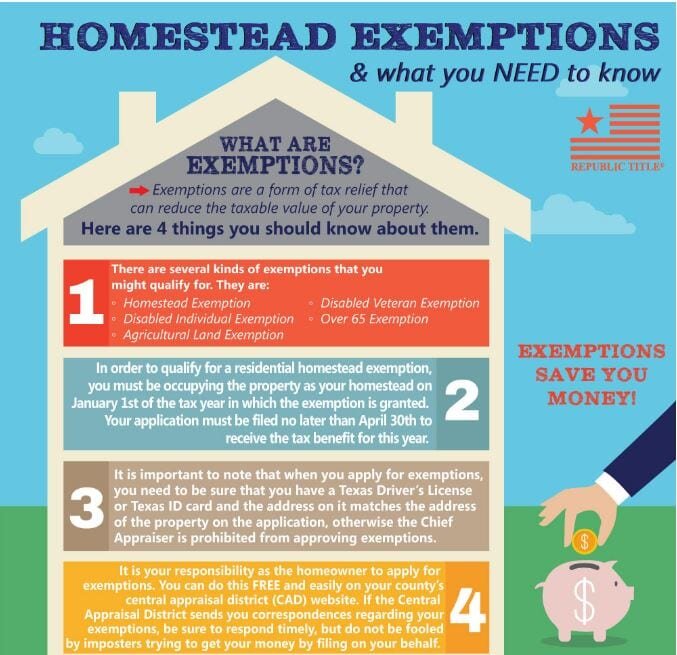
To qualify for a homestead exemption in Texas, several criteria must be met:
Primary Residence
The property must be the homeowner’s principal residence. This means it is the place where the homeowner lives the majority of the time. A person can only claim one homestead exemption in Texas. If you own multiple properties, you must designate one as your homestead.
Ownership
The applicant must own the property on January 1st of the tax year for which they are applying. This ownership can be fee simple, or in some cases, a contract to purchase the property.
Occupancy
The homeowner must have occupied the property as their principal residence on January 1st of the tax year. If you move into a new home during the year, you generally cannot claim the exemption for that year until January 1st of the following year.
Application Process
While the general homestead exemption is automatic for eligible homeowners, for other specific exemptions (like those for age, disability, or veterans), an application is typically required. The application is filed with the county’s appraisal district.
Filing Deadlines
The deadline to file for homestead exemption is generally April 30th of the tax year. However, if you miss this deadline, you may still be able to file for a prior year’s exemption within a certain timeframe, often up to two years late, by filing a late application with the appraisal district. For those applying for the exemption for the first time, it is recommended to do so as early as possible in the year.
Required Documentation
The documentation required can vary by county appraisal district, but typically includes:
- Proof of ownership (e.g., deed).
- Proof of residency (e.g., driver’s license, utility bills with your name and address).
- For age/disability exemptions, proof of age (e.g., birth certificate) or a physician’s letter confirming disability.
- For disabled veterans’ exemptions, a letter from the U.S. Department of Veterans Affairs confirming the disability rating.
Special Considerations and Nuances
Understanding the intricacies of homestead exemption in Texas can prevent common misunderstandings and ensure homeowners maximize their benefits.
Moving or Selling Your Homestead
If you move out of your homestead property permanently, you will no longer qualify for the exemption on that property. If you purchase a new home, you can apply for a homestead exemption on your new primary residence starting January 1st of the following year. It’s important to notify the appraisal district if you move out of your homestead to avoid any potential issues.
Multiple Properties
As mentioned, you can only claim a homestead exemption on your primary residence. If you own vacation homes, rental properties, or other residences, they are not eligible for the homestead exemption.
Second Homes and Investment Properties
Properties that are not your primary residence, such as second homes or investment properties, do not qualify for homestead protections or tax exemptions. These properties will be taxed at their full appraised value.
Agricultural Land
While not directly a homestead exemption, Texas offers agricultural exemptions for land used for farming, ranching, or timber production. This is a separate form of tax relief that can significantly reduce property taxes on rural land. However, it is distinct from the homestead exemption, which applies to the residential structure and a limited amount of land.
Divorce or Separation
In cases of divorce or separation, the ownership and occupancy of the homestead can become complex. It is crucial to consult with legal counsel to understand how these situations affect homestead rights and exemptions. Often, one spouse may retain the homestead and continue to claim the exemption, while the other may relinquish their claim.
Maximizing Your Homestead Exemption Benefits
To ensure you are taking full advantage of the homestead exemption in Texas, a proactive approach is recommended.
Stay Informed
Property tax laws and exemption amounts can change. Regularly check the website of your local county appraisal district for the most up-to-date information. Understanding any legislative changes that might affect your exemption is key to continuous benefit.
Reapply When Necessary
While the general homestead exemption typically renews automatically, it is wise to confirm this with your local appraisal district. For age, disability, or veteran exemptions, reapplication might be required if your circumstances change or if the appraisal district requests updated documentation.
Appeal Property Appraisals
If you believe your home’s appraised value is too high, you have the right to appeal this valuation. A successful appeal can lead to a lower taxable value, further reducing your property tax burden, in addition to the benefits of the homestead exemption.
The homestead exemption is a fundamental aspect of homeownership in Texas, offering substantial financial relief and crucial asset protection. By understanding the eligibility requirements, application procedures, and the various types of exemptions available, homeowners can significantly reduce their property tax obligations and secure their financial future in the Lone Star State.
LifeOutOfTheBox is a participant in the Amazon Services LLC Associates Program, an affiliate advertising program designed to provide a means for sites to earn advertising fees by advertising and linking to Amazon.com. Amazon, the Amazon logo, AmazonSupply, and the AmazonSupply logo are trademarks of Amazon.com, Inc. or its affiliates. As an Amazon Associate we earn affiliate commissions from qualifying purchases.