
The United States electoral system is a complex tapestry, often a topic of intense discussion, especially during presidential election cycles. While most states allocate their electoral votes on a “winner-take-all” basis, awarding all of their votes to the candidate who wins the statewide popular vote, two states stand apart with a unique approach: Maine and Nebraska. This distinctive method in the heart of the Midwest not only makes Nebraska a fascinating case study in American democracy but also presents an intriguing backdrop for travelers seeking to understand the nation’s political landscape while exploring its rich cultural and natural heritage. For those interested in civics, history, and the vibrant local experience, visiting Nebraska during a presidential election offers a truly unique perspective on the American way of life, blending the intensity of political campaigning with the charm of Midwestern hospitality.

A Closer Look at Nebraska’s Unique Electoral System
Understanding how Nebraska’s electoral votes work is key to appreciating its role in presidential politics. Unlike the vast majority of its counterparts, Nebraska does not entirely adhere to the statewide winner-take-all rule. This deviation has, on occasion, made the state an unexpected battleground, drawing national attention and influencing campaign strategies in ways that might surprise casual observers of American elections.
The District Method Explained
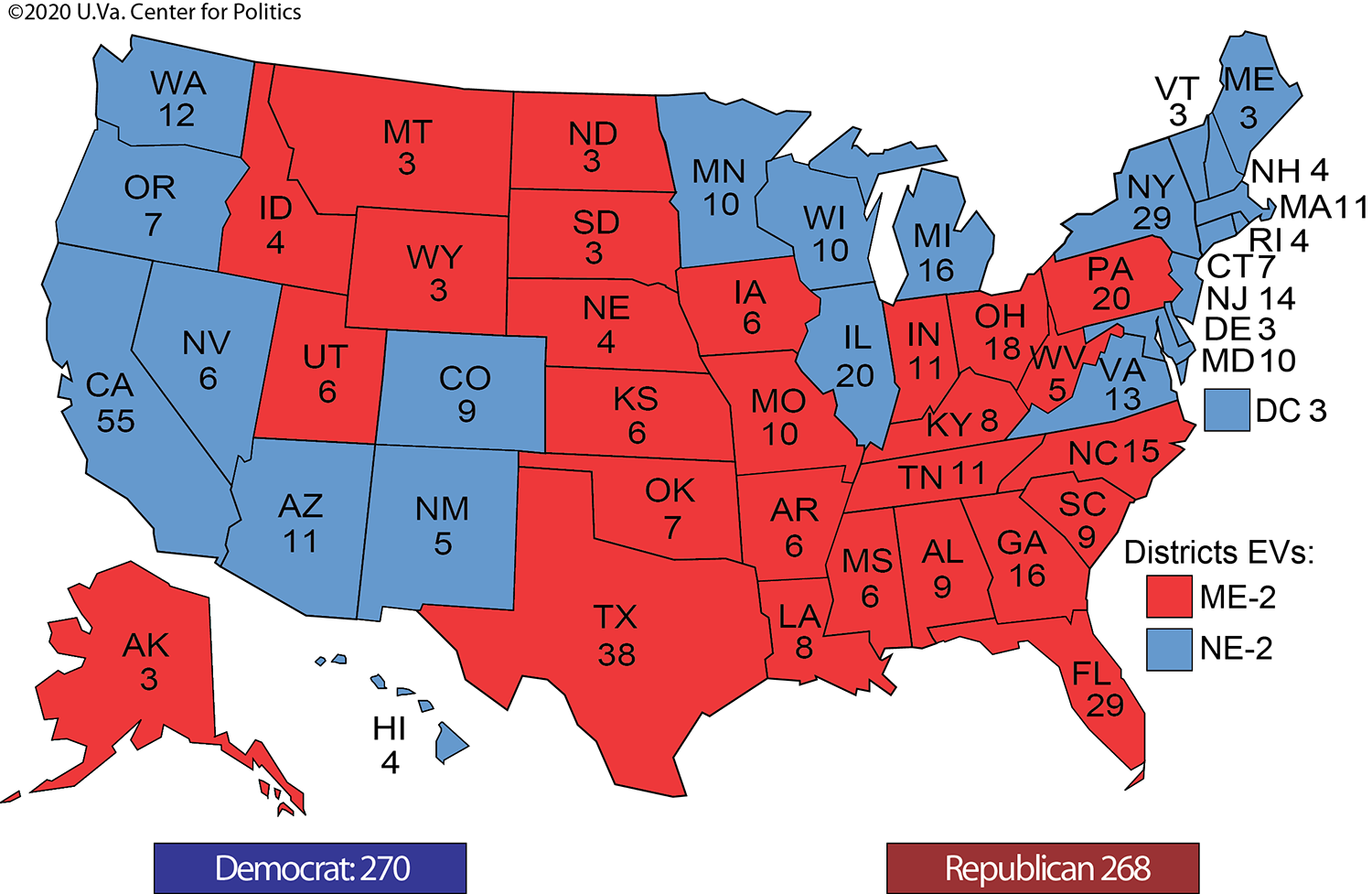
Nebraska possesses five electoral votes, corresponding to its two U.S. Senate seats and three U.S. House of Representatives districts. The pivotal difference lies in how these votes are distributed. Two of Nebraska’s electoral votes are indeed awarded to the presidential candidate who wins the overall statewide popular vote, similar to the winner-take-all system. However, the remaining three electoral votes are allocated individually based on the popular vote winner within each of the state’s three congressional districts. This is known as the “district method.”
This means a presidential candidate could potentially win the statewide popular vote but still lose one or more of Nebraska’s electoral votes if an opposing candidate wins a specific congressional district. Conversely, a candidate could lose the statewide popular vote but still secure an electoral vote by winning one of the districts. This scenario creates an interesting dynamic, especially for presidential campaigns, as it encourages them to invest resources and campaign efforts not just statewide, but also within individual congressional districts, particularly those considered competitive.
For example, the 2nd Congressional District of Nebraska, which encompasses the state’s largest city, Omaha, and its surrounding metropolitan area, has historically been the most competitive. Its more urban and diverse demographic profile often leads to closer election outcomes compared to the more rural 1st and 3rd districts. This makes the 2nd Congressional District a frequent target for both major parties, understanding that even a single electoral vote can be crucial in a tight national election.
Historical Context and Impact
The district method was adopted by Nebraska in 1991, primarily driven by a desire for greater representation and a belief that it would make the state more relevant in presidential elections by encouraging candidates to campaign beyond just the most populous areas. For many years, the system remained largely theoretical, as the statewide winner also carried all three congressional districts, thus resulting in a de facto winner-take-all outcome.
However, this changed dramatically in the 2008 presidential election. In a historic moment, Barack Obama, the Democratic candidate, won the popular vote in Nebraska’s 2nd Congressional District, securing one electoral vote, even though the Republican candidate, John McCain, won the statewide popular vote and thus the other four electoral votes. This event thrust Nebraska’s unique system into the national spotlight, demonstrating its potential to split the state’s electoral votes and highlighting the strategic importance of even a single district.
The possibility of a split vote has since made Nebraska a state that presidential campaigns cannot entirely ignore, particularly in close election years. This unique electoral setup fuels ongoing debates within the state about repealing or retaining the system. Proponents argue it gives Nebraska greater political relevance and encourages broader participation, while opponents sometimes contend it complicates the process and can lead to results that don’t fully reflect the statewide will. For travelers interested in American civics, these discussions offer an authentic glimpse into the ongoing evolution of democratic processes, making a visit to Nebraska during an election period a truly insightful experience.
Experiencing Democracy: Travel and Tourism in Nebraska During Election Season
Beyond its distinctive electoral mechanics, Nebraska offers a captivating array of experiences for the discerning traveler. While the political buzz might draw some, the state’s rich history, vibrant culture, and stunning natural landscapes provide ample reasons for an extended visit. Integrating a political interest with broader tourism allows for a deeper understanding of the Cornhusker State and its place in the American fabric.
Exploring Nebraska’s Political Landscape
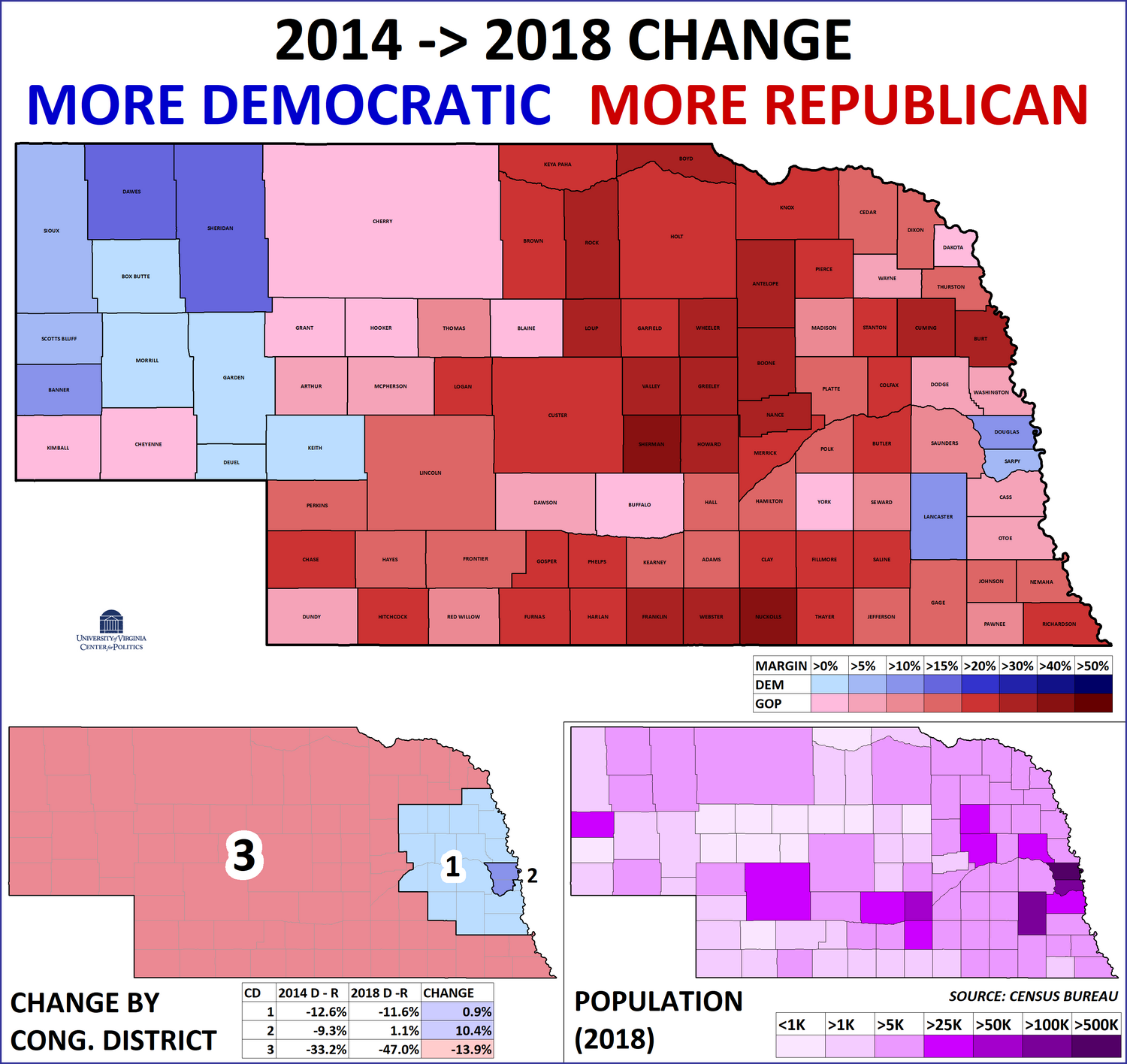
For travelers keen on the electoral process, a journey through Nebraska during an election season can be particularly enlightening. The state capital, Lincoln, located primarily in the 1st Congressional District, is home to the majestic Nebraska State Capitol Building. This architectural marvel, with its distinctive dome and intricate art deco design, is not just a seat of government but a landmark in itself. Visitors can take guided tours to learn about the state’s legislative history, its unique unicameral system, and perhaps even catch a glimpse of the political machinery at work. Observing local news, reading state newspapers, and engaging with residents can offer firsthand insights into the electoral discussions pertinent to each district.
The dynamism of the 2nd Congressional District, centered around Omaha, provides a palpable sense of political engagement. During campaign cycles, this area often sees increased candidate visits, rallies, and local discussions. Experiencing the bustling atmosphere of Omaha firsthand – from its historic Old Market district, where political conversations might naturally unfold in cafes and restaurants, to its modern downtown – can provide a tangible connection to the electoral process. Meanwhile, venturing into the vast 3rd Congressional District, which covers a significant portion of the state’s agricultural heartland, offers a different perspective, allowing travelers to understand the concerns and political leanings of rural communities. Cities like Grand Island and Kearney within this district, though less politically contested in terms of specific electoral votes, still serve as vital hubs for local political discourse and community engagement.
Beyond the Ballot Box: Nebraska’s Cultural and Natural Attractions
While the political intrigue is a draw, Nebraska’s true charm extends far beyond its electoral quirks. The state offers a wealth of destinations, attractions, and experiences that cater to a diverse range of travel interests, making it an excellent choice for a broader lifestyle exploration.
In Omaha, the Henry Doorly Zoo and Aquarium consistently ranks among the world’s best, boasting an incredible array of exhibits, including the largest indoor desert and nocturnal exhibit. The Old Market district, with its cobblestone streets, art galleries, boutiques, and diverse culinary scene, provides a perfect setting for a leisurely stroll and a taste of Omaha’s local culture and food. Foodies will delight in the state’s famous beef and the unique “runza,” a savory pastry filled with beef, cabbage, and onions, offering a delicious insight into local cuisine.
Near Ashland, the Strategic Air Command & Aerospace Museum is a must-visit for aviation enthusiasts and history buffs, showcasing an impressive collection of aircraft and missiles. For those interested in pioneer history and natural beauty, western Nebraska offers iconic landmarks such as Chimney Rock National Historic Site and Scotts Bluff National Monument. These towering formations, crucial guideposts for Oregon Trail emigrants, provide breathtaking vistas and a tangible connection to America’s westward expansion. Exploring these sites offers a profound sense of history, allowing visitors to walk in the footsteps of pioneers and appreciate the vastness of the American plains.
Nature lovers can also find solace and adventure in Nebraska’s varied landscapes, from the rolling Sandhills to the scenic Niobrara River, ideal for canoeing and wildlife viewing. State parks and recreation areas offer opportunities for hiking, fishing, and camping, catering to different types of lifestyle travel, from adventurous outdoor pursuits to relaxing family trips. The charm of smaller towns like Brownville, known for its arts and history, provides another layer of local culture and genuine Midwestern hospitality.
Planning Your Trip to the Cornhusker State
Whether your interest is primarily in observing a unique democratic process or simply enjoying a refreshing getaway, planning a trip to Nebraska offers a diverse range of accommodation and travel logistics to suit any preference or budget.
Accommodation and Travel Logistics
Nebraska provides a wide spectrum of accommodation options. In major cities like Omaha and Lincoln, you’ll find everything from luxurious hotels like the Magnolia Hotel Omaha or the Graduate Lincoln, offering elegant suites and premium amenities, to well-appointed apartments and budget-friendly hotels that cater to every need. For a more unique experience, charming bed & breakfasts can be found in smaller towns, offering a glimpse into local life. If you’re planning an extended stay or prefer self-catering, various villas and vacation rentals are available, especially popular during peak tourism seasons. Booking in advance, particularly during election years or major events, is always advisable, and online platforms offer convenient comparison tools and reviews to help you make the best choice for your travel style.
Accessing Nebraska is straightforward. The state is served by major airports in Omaha (Eppley Airfield) and Lincoln (Lincoln Airport), with connections to various national hubs. For those who prefer road trips, Nebraska is traversed by several interstate highways, making it easily accessible from surrounding states. Renting a car is highly recommended to explore the state’s diverse regions at your own pace, especially if you plan to venture beyond the main cities to see landmarks like Chimney Rock or experience the vastness of the Sandhills.
A Unique Lifestyle Perspective
Visiting Nebraska offers a distinctive lifestyle travel opportunity. It’s not just about seeing attractions; it’s about engaging with a unique facet of American democracy while simultaneously enjoying the unpretentious beauty and genuine warmth of the Midwest. Whether you’re traveling on a budget or indulging in luxury travel, the state accommodates all preferences. Families will find numerous family-friendly activities, from the world-class zoo in Omaha to educational historical sites. Business travelers might find themselves in Omaha for corporate events, and can extend their business stays to explore the region’s cultural offerings and political landscape.
This convergence of civic engagement, historical exploration, and natural beauty makes Nebraska an often-overlooked but incredibly rewarding travel destination. It’s an invitation to experience America beyond the conventional tourist trails, offering a blend of intellectual curiosity and authentic exploration.
In conclusion, Nebraska’s unique district method for allocating electoral votes sets it apart in the American political system, making it a state of particular interest during presidential elections. This distinctiveness, however, is just one layer of what makes the Cornhusker State an appealing destination. By combining an exploration of its political landscape with visits to its remarkable landmarks, vibrant cities, and tranquil natural settings, travelers can gain a profound understanding of both American democracy and the diverse charm of the Midwest. Whether for its political intrigue, its historical depth, or its genuine hospitality, Nebraska offers a comprehensive and enriching travel experience that truly brings the American story to life.
LifeOutOfTheBox is a participant in the Amazon Services LLC Associates Program, an affiliate advertising program designed to provide a means for sites to earn advertising fees by advertising and linking to Amazon.com. Amazon, the Amazon logo, AmazonSupply, and the AmazonSupply logo are trademarks of Amazon.com, Inc. or its affiliates. As an Amazon Associate we earn affiliate commissions from qualifying purchases.