
Texas Roadhouse has carved a significant niche in the casual dining landscape, renowned for its hand-cut steaks, lively atmosphere, and generous portions. While the restaurant’s energetic vibe and abundant peanuts are often highlighted, the true star of the show remains its steaks. Understanding the meticulous preparation behind these signature dishes offers a fascinating glimpse into the culinary philosophy that drives the success of this popular chain. The focus at Texas Roadhouse is on simplicity, quality ingredients, and a few key techniques that ensure a consistently delicious steak, no matter which location you visit.
The Foundation: Selecting and Cutting the Meat
The journey to a perfect Texas Roadhouse steak begins long before it hits the grill. The restaurant emphasizes sourcing high-quality beef, a crucial first step that cannot be overstated. While the exact suppliers may vary by region, the commitment to premium cuts is a universal standard across all Texas Roadhouse establishments.
Premium Cuts for Everyday Enjoyment
Texas Roadhouse primarily utilizes USDA Select and USDA Choice grade beef. These grades represent a balance between marbling (intramuscular fat), tenderness, and flavor, offering a superior eating experience without the exorbitant price tag of USDA Prime. This strategic choice allows them to deliver excellent value to their customers, making their steaks accessible for regular dining occasions.
The most popular cuts found on the Texas Roadhouse menu include:
- Sirloin: A lean yet flavorful cut, the sirloin is a staple for its versatility. Texas Roadhouse often features both the “Rancher’s Cut” (smaller) and the classic “Dallas” sirloin.
- Ribeye: Known for its rich marbling and exceptional tenderness, the ribeye is a more decadent option.
- New York Strip: A firmer texture than a ribeye but with a robust, beefy flavor, the strip is another crowd-pleaser.
- Filet Mignon: The most tender cut, the filet is prized for its melt-in-your-mouth texture.
- T-Bone and Porterhouse: These bone-in cuts offer the best of both worlds, featuring a strip steak on one side of the bone and a tenderloin on the other.
The Art of the Hand-Cut
A defining characteristic of Texas Roadhouse is its commitment to hand-cutting every steak in-house. This is a labor-intensive process that distinguishes them from many other casual dining chains that rely on pre-portioned, often vacuum-sealed, steaks.
The process typically involves:
- Receiving Whole Primal Cuts: Steaks arrive at the restaurant in larger primal or sub-primal cuts.
- Skilled Butchers: Each location employs skilled butchers who are trained to identify the specific muscle structures and grain of the beef.
- Precision Cutting: Using sharp knives, these butchers meticulously trim away excess fat and connective tissue, and then portion the beef into specific weights and thicknesses for each menu item. This allows for precise control over portion size and presentation, ensuring consistency from one order to the next.
- Ageing: While not explicitly advertised as dry-aged, the in-house cutting process likely allows for some degree of natural aging to occur after the steaks are portioned, contributing to tenderness and flavor development.
This dedication to hand-cutting not only ensures freshness and quality but also allows for a level of customization and attention to detail that resonates with discerning diners.
Seasoning and Marination: Building Flavor
Once the steaks are expertly cut, the next crucial step in their preparation is the application of flavor. Texas Roadhouse employs a straightforward yet effective approach to seasoning, designed to enhance the natural taste of the beef.
The Signature Seasoning Blend
The exact components of Texas Roadhouse’s proprietary seasoning blend are a closely guarded secret, but its impact is undeniable. It’s a complex mix that likely includes salt, pepper, garlic powder, onion powder, and a medley of other spices. The key is balance – the blend is designed to complement, not overpower, the rich flavor of the steak.
The seasoning is applied generously just before the steaks hit the grill. This ensures that the flavors adhere well to the surface of the meat and develop a beautiful crust during the cooking process. The liberal use of salt is particularly important for drawing out moisture and creating that desirable sear.
The Role of Butter and Oil
In addition to the dry seasoning, Texas Roadhouse often utilizes butter and oil in their steak preparation.
- Butter: Melted butter, often infused with garlic or herbs, is frequently brushed onto the steaks during or immediately after grilling. This adds richness, moisture, and a glossy finish, contributing to the overall juiciness and flavor profile.
- Oil: A light coating of high-heat cooking oil, such as canola or vegetable oil, is applied to the grill surface and sometimes lightly to the steak itself. This prevents sticking and promotes even searing.
While marination is not a primary technique for most of their signature steaks (like the sirloin or ribeye, where the focus is on the beef’s natural flavor), some specialty items or appetizers might incorporate marinades. However, for the core steak offerings, the emphasis is on a perfectly seasoned, expertly grilled piece of beef.
The Grilling Process: Achieving the Perfect Cook
The culmination of all the preparation steps is the actual cooking of the steak. Texas Roadhouse employs a high-heat grilling method designed to create a flavorful crust while keeping the interior juicy and tender.

High-Heat, Open Flame Grilling
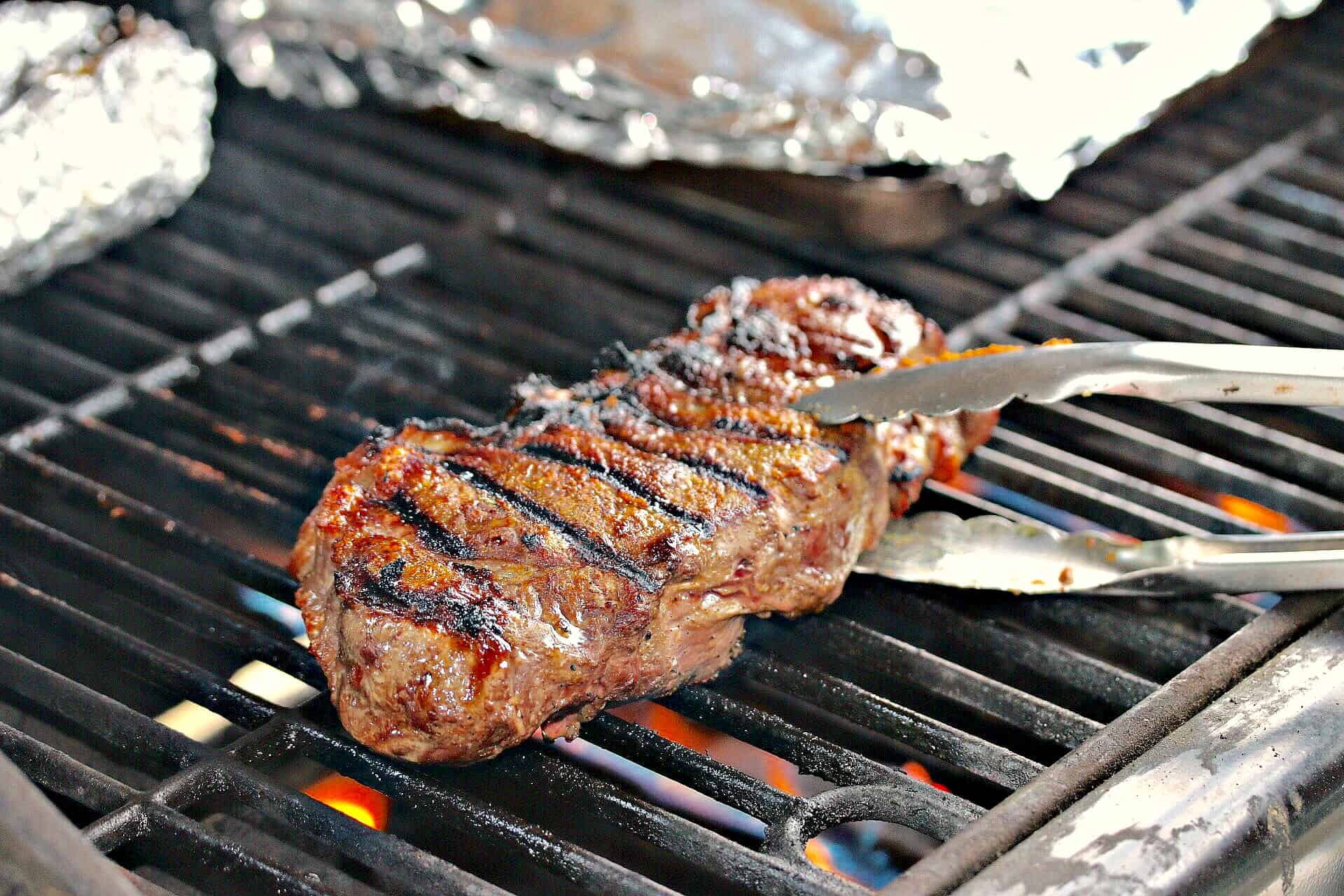
Texas Roadhouse grills are typically gas-fired and operate at very high temperatures. This intense heat is essential for achieving the Maillard reaction – the chemical process responsible for the browning and development of complex flavors on the surface of the steak.
The grilling process involves:
- Preheating the Grill: The grill is brought to a consistent, high temperature before any steaks are placed on it.
- Direct Flame Contact: Steaks are placed directly over the open flame, allowing for rapid searing.
- Flipping and Cooking Time: Steaks are flipped periodically to ensure even cooking on both sides. The exact cooking time is carefully monitored and depends on the thickness of the steak and the desired level of doneness.
Managing Doneness Levels
Achieving the correct level of doneness is paramount for a satisfying steak experience. Texas Roadhouse offers a range of options, from rare to well-done, and staff are trained to cook steaks to these specifications.
The standard doneness levels are:
- Rare: Cool red center.
- Medium Rare: Warm red center (often considered the ideal by many steak enthusiasts for its balance of tenderness and flavor).
- Medium: Hot pink center.
- Medium Well: Slightly pink center.
- Well Done: Cooked through with no pink.
Experienced grill cooks use a combination of visual cues, touch tests, and sometimes thermometers to gauge doneness. The goal is to remove the steak from the grill at the precise moment it reaches the customer’s requested temperature, allowing for a slight carry-over cook as it rests.
The Importance of Resting
After being removed from the grill, all Texas Roadhouse steaks are allowed to rest for a short period before being served. This resting phase is a critical, often overlooked, step in steak preparation.
During resting:
- Juices Redistribute: As the steak cooks, the muscle fibers tighten, forcing moisture towards the center. Resting allows these fibers to relax, and the juices are redistributed evenly throughout the cut.
- Tenderness and Flavor: This even distribution of moisture contributes significantly to the steak’s tenderness and overall juiciness. Cutting into a steak too soon will result in much of the flavorful juice running out onto the plate, leaving the meat drier.
While the exact resting time can vary, it’s typically a few minutes, allowing the steak to finish cooking gently and for the internal temperature to stabilize.
Finishing Touches and Presentation
The final stage of preparing a Texas Roadhouse steak involves adding the finishing touches that enhance its visual appeal and overall dining experience. While the focus is on the quality of the steak itself, these elements elevate it from a simple cut of meat to a signature dish.
Toppings and Sides
Texas Roadhouse offers a variety of popular toppings and side dishes that complement their steaks. These are not typically cooked with the steak but are added during the plating process.
Common additions include:
- Melted Butter: Often infused with garlic, this is frequently poured over the top of the steak just before serving.
- Garlic Herb Butter: A richer, more flavorful butter option.
- Sautéed Mushrooms and Onions: Cooked separately and then placed atop the steak for added flavor and texture.
- Steak Sauces: While not always necessary with a well-prepared steak, classic steak sauces are available for those who prefer them.
The choice of sides is also crucial. Staples like loaded baked potatoes, sweet potatoes, mashed potatoes, rice, and a selection of fresh salads and vegetables are designed to create a complete and satisfying meal.
Plating and Serving
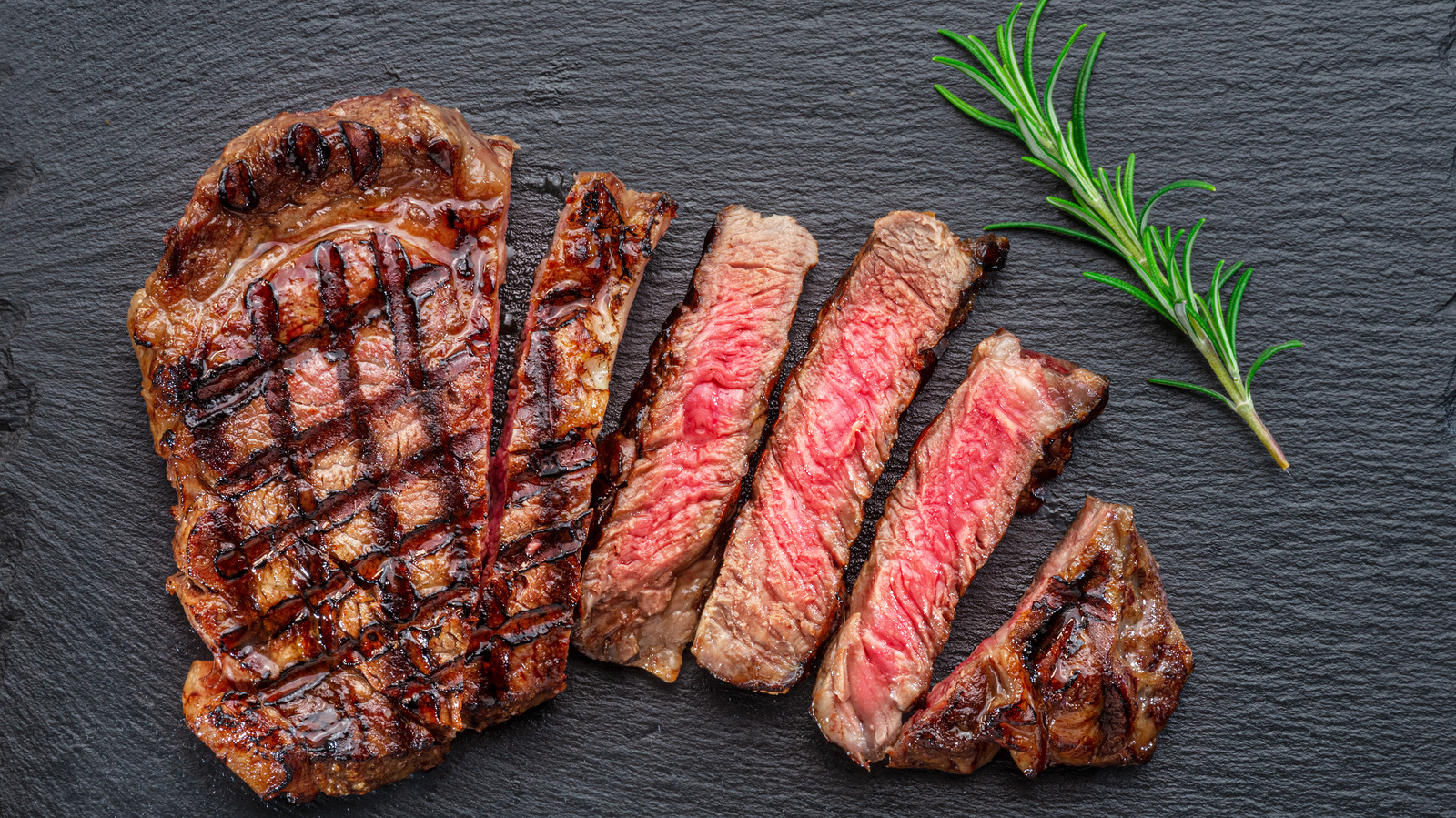
The presentation of the steak is kept relatively simple, allowing the quality of the hand-cut beef to shine. Steaks are typically served on hot plates to maintain their temperature. The focus is on clean cuts, a well-seared exterior, and the tempting aroma of seasoned, grilled beef. The presence of fresh garnishes, such as a sprig of parsley or a dollop of seasoned butter, adds a professional touch without being overly elaborate.
Ultimately, the Texas Roadhouse steak preparation is a testament to the power of good ingredients, skilled execution, and a focus on fundamental cooking techniques. From the careful selection and hand-cutting of the beef to the high-heat grilling and essential resting period, each step is designed to deliver a consistently delicious and satisfying steak experience that keeps customers returning to its lively dining rooms across the country.
LifeOutOfTheBox is a participant in the Amazon Services LLC Associates Program, an affiliate advertising program designed to provide a means for sites to earn advertising fees by advertising and linking to Amazon.com. Amazon, the Amazon logo, AmazonSupply, and the AmazonSupply logo are trademarks of Amazon.com, Inc. or its affiliates. As an Amazon Associate we earn affiliate commissions from qualifying purchases.