
Hawaii, the shimmering jewel of the Pacific Ocean and the 50th state of the United States, evokes images of pristine beaches, lush volcanic landscapes, and vibrant Polynesian culture. It’s a dream destination for many, promising unforgettable experiences from surfing the legendary waves of Oahu to watching the sunrise from the summit of Haleakala in Maui. However, this paradise often comes with a perception of a hefty price tag, leading many prospective travelers to wonder: exactly how expensive is Hawaii?
The truth is, a Hawaiian vacation can range from surprisingly affordable to extravagantly luxurious, depending entirely on your travel style, choices, and meticulous planning. Its remote location, coupled with a unique ecosystem and high demand, naturally elevates certain costs compared to mainland destinations. Understanding the various components of a Hawaiian trip budget is crucial for anyone hoping to experience its magic without breaking the bank or, conversely, planning a no-expense-spared indulgence.
The Allure of Hawaii and Its Price Tag
Hawaii’s unparalleled natural beauty, rich cultural heritage, and diverse range of activities make it a bucket-list destination. From the bustling city life of Honolulu and the iconic sands of Waikiki Beach on Oahu, to the romantic sunsets of Maui, the dramatic cliffs of the Na Pali Coast on Kauai, and the volcanic wonders of the Big Island (officially Hawaiʻi Island), each island offers a distinct flavor of paradise. This diversity means that your choice of island can significantly impact your overall expenses. More developed islands like Oahu and Maui often have a wider range of accommodation and dining options, but can also command higher prices due to popularity. Less developed islands like Molokai or Lanai might have fewer options but could offer a more exclusive or tranquil experience at a premium.
Why Hawaii Commands a Premium
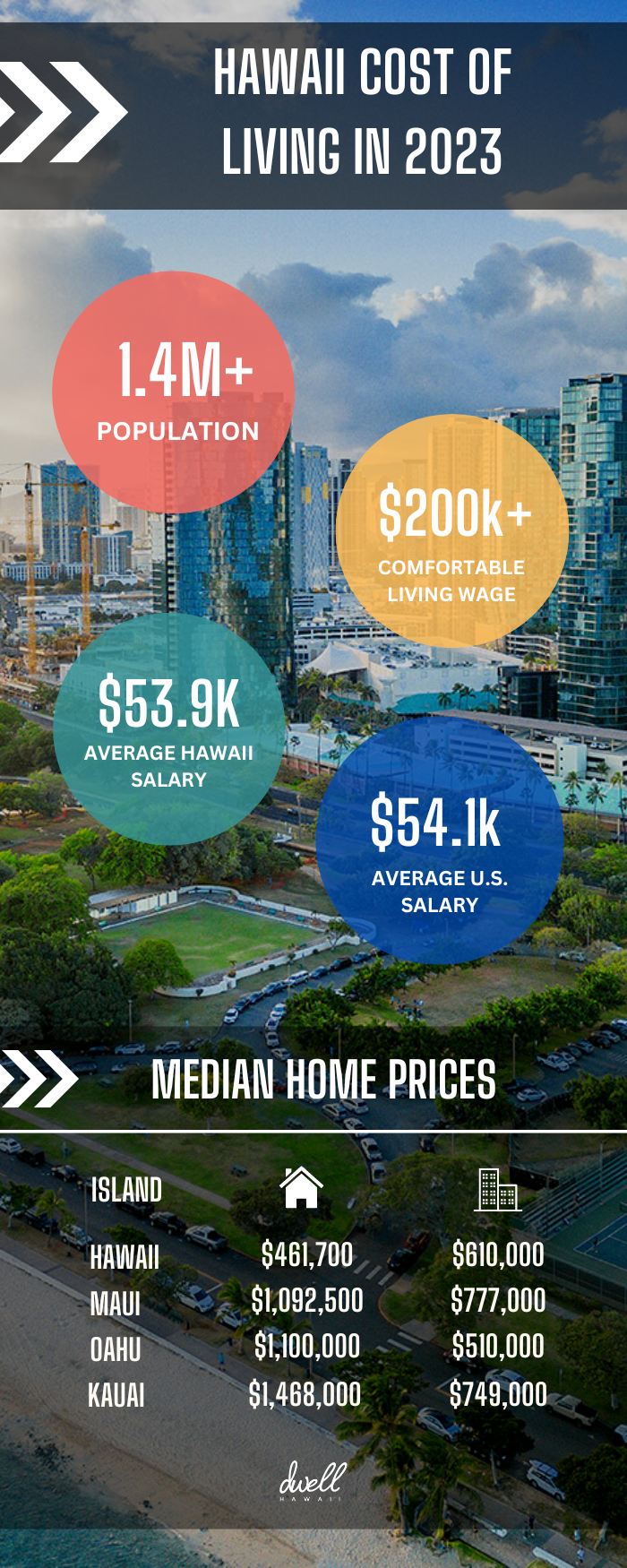
Several factors contribute to Hawaii’s higher cost of living and travel. Firstly, its geographical isolation means that nearly everything – from food to building materials to fuel – must be shipped or flown in, incurring significant transportation costs that are passed on to consumers. Secondly, the robust tourism industry, while vital to the local economy, drives up demand for services and accommodation. Thirdly, Hawaii’s commitment to preserving its natural environment and unique culture often involves specific regulations and practices that can add to operational costs for businesses. Lastly, the standard of living for residents is also higher, influencing wages and ultimately the prices of goods and services for visitors. Despite these factors, with careful planning, Hawaii remains an accessible dream for many.
Breaking Down the Costs: A Detailed Look
To truly understand how expensive Hawaii is, we need to dissect the major spending categories that constitute a typical trip.
Flights: The Gateway to Paradise
For most travelers, the journey to Hawaii begins with a flight, and this is often one of the most significant expenses. Prices vary dramatically based on your departure city, the time of year, how far in advance you book, and your flexibility with dates.
- Average Costs: Flights from the West Coast of the U.S. can range from $400-$700 round trip, while those from the East Coast or Europe might cost anywhere from $700-$1,500+. During peak seasons (winter holidays, spring break, summer), these prices can easily soar.
- Saving Tips: Booking 3-6 months in advance, being flexible with your travel dates (avoiding peak season), flying on weekdays, and considering layovers instead of direct flights can yield substantial savings. Major airlines like Hawaiian Airlines, United Airlines, Delta Air Lines, and Alaska Airlines frequently offer deals.
- Inter-island Flights: If you plan to visit multiple islands, budget for inter-island flights, which typically cost $70-$150 per person per segment. Airlines such as Hawaiian Airlines and Mokulele Airlines operate these routes, connecting major airports like Honolulu International Airport (HNL) on Oahu and Kahului Airport (OGG) on Maui.
Accommodation: From Budget to Luxury Stays
Accommodation is another major budget item, with a vast spectrum of options available.
- Budget (Hostels, Guesthouses, Budget Hotels): Expect to pay $50-$150 per night for a hostel bed or a basic guesthouse room, primarily found in popular areas like Waikiki. These options are sparse outside of Oahu.
- Mid-Range (Standard Hotels, Vacation Rentals): For $200-$400 per night, you can find comfortable hotel rooms, often with amenities like a pool, or a decent vacation rental through platforms like Airbnb or VRBO. Vacation rentals, including Apartments and Villas, can be excellent for families or longer stays, offering kitchen facilities to save on food costs.
- Luxury (Resorts, Suites, High-End Villas): Hawaii is renowned for its world-class resorts and opulent Suites. Properties like the Four Seasons Resort Maui at Wailea, The Ritz-Carlton, Kapalua, or the Grand Hyatt Kauai Resort & Spa can command anywhere from $500 to $1,500+ per night, especially for oceanfront rooms or premium Villas. These often include extensive amenities, fine dining, and unparalleled service.
- Resort Fees: Be aware that many hotels and resorts charge mandatory daily “resort fees” ranging from $25-$50+ per night, which cover Wi-Fi, pool access, and other services. Factor these into your total accommodation cost.
Transportation: Getting Around the Islands
Once you’ve arrived, how you navigate the islands will impact your budget.
- Car Rental: Highly recommended for flexibility, especially on Maui, Kauai, and the Big Island. Rental cars can range from $40-$100+ per day, depending on the vehicle type, season, and how far in advance you book. Gas prices in Hawaii are significantly higher than on the mainland.
- Public Transportation: Oahu has an excellent public bus system, TheBus, with fares around $3.00 per ride or $5.50 for a day pass. Other islands have limited public transport, making car rentals almost essential.
- Ride-Sharing & Taxis: Available in major tourist areas like Honolulu and Kaanapali, but can quickly add up, especially for longer distances.
- Shuttles: Many resorts offer airport shuttles or inter-resort transportation, sometimes included in resort fees or available for an additional charge.
Food and Dining: Savoring Hawaiian Flavors
Food expenses can vary widely based on your dining habits.

- Groceries: Due to imports, grocery prices are notably higher than on the mainland. A weekly grocery bill for two could be $150-$250+. Self-catering through vacation rentals with kitchens is a smart way to save.
- Casual Dining/Food Trucks: Plate lunches, food trucks, and casual eateries offer delicious local fare (like poke, loco moco, and kalua pig) for $15-$25 per meal per person.
- Mid-Range Restaurants: A sit-down dinner at a standard restaurant with drinks might cost $40-$70 per person.
- Fine Dining: Hawaii boasts world-class restaurants. Expect to pay $100-$200+ per person for a high-end dining experience, especially at resort restaurants in areas like Wailea or Kapaa.
- Alcohol: Alcoholic beverages, especially cocktails at resorts, can be expensive, often $12-$20+ per drink.
Activities and Attractions: Experiences That Define Your Trip
Hawaii offers a plethora of activities, from free natural wonders to thrilling paid excursions.
- Free Activities: Enjoying Hawaii’s stunning beaches (like Lanikai Beach or Poipu Beach), hiking scenic trails (e.g., Diamond Head on Oahu, trails in Hawaii Volcanoes National Park), or simply snorkeling in easily accessible coves are priceless experiences.
- Paid Attractions/Tours:
- Luaus: A quintessential Hawaiian experience, typically costing $100-$200+ per person, including food, drinks, and entertainment.
- Snorkeling/Diving Tours: Boat tours to prime snorkeling spots like Molokini Crater can range from $70-$150+.
- Surfing Lessons: Expect to pay $60-$100+ for a group lesson.
- Helicopter Tours: A breathtaking but expensive way to see the islands, from $250-$600+ per person.
- Pearl Harbor: Entrance to the Pearl Harbor National Memorial is free, but reserved tickets are highly recommended. Tours to the USS Arizona Memorial are free but require a timed ticket. Paid tours of other sites like the USS Missouri or Pacific Aviation Museum Pearl Harbor range from $20-$30+ each.
- National Parks: Entrance fees for national parks like Haleakala National Park or Hawaii Volcanoes National Park are typically $30 per vehicle, valid for seven days.
- Shopping and Souvenirs: Budget for Hawaiian-themed gifts, local art, or designer goods if you plan to shop.
Miscellaneous and Unexpected Expenses
Don’t forget to factor in these often-overlooked costs:
- Travel Insurance: Highly recommended, especially for an expensive trip, to cover unforeseen cancellations, medical emergencies, or lost luggage.
- Gratuities: Standard U.S. tipping practices apply (15-20% for service).
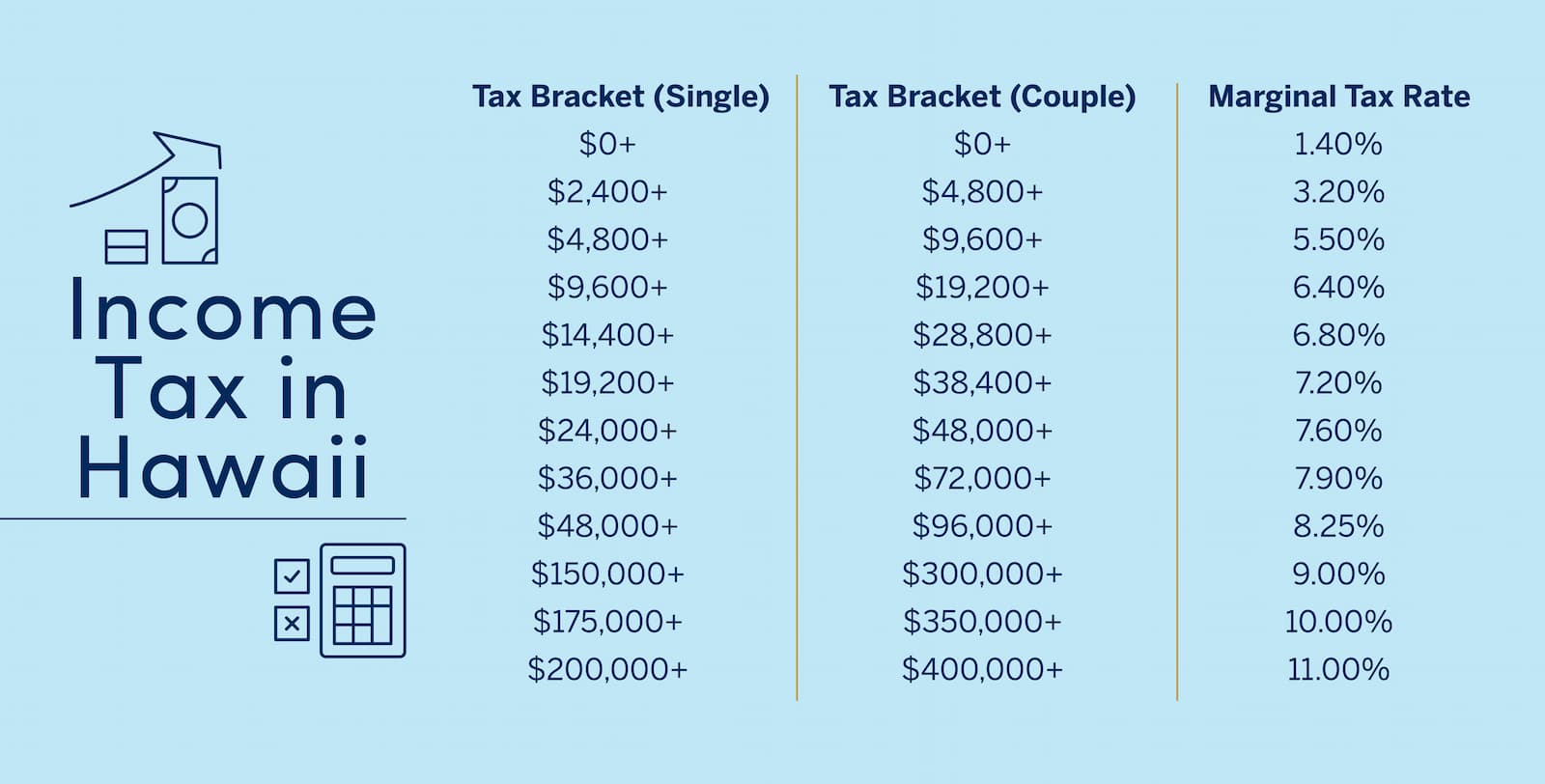
- Taxes: Hawaii has a General Excise Tax (GET) of 4-4.5% on most goods and services, and Transient Accommodations Tax (TAT) of 10.25% on lodging.
- Sunscreen/Beach Gear: While you can bring your own, you might need reef-safe sunscreen (mandatory in Hawaii) or additional beach equipment, which can be purchased locally.
- Parking: Can be expensive in popular areas, especially at resorts or city centers, often $20-$40+ per day.
Strategies for a Budget-Friendly Hawaiian Vacation
While Hawaii can be costly, savvy travelers can significantly reduce expenses without compromising on the experience.
Timing Your Visit Wisely
- Off-Peak Seasons: Travel during the shoulder seasons (April-May and September-November) to find better deals on flights and accommodation. The weather is still fantastic, and crowds are thinner. Avoid peak holiday periods like Christmas, New Year’s, and spring break.
- Mid-Week Travel: Flying on Tuesdays, Wednesdays, or Thursdays is often cheaper, and some attractions or activities might have slightly lower prices during the week.
Smart Accommodation Choices
- Book in Advance: Especially for popular resorts or vacation rentals, booking several months ahead can secure better rates and more options.
- Consider Alternatives to Resorts: Look into charming bed and breakfasts, smaller boutique hotels, or even camping options in designated state parks (permits required) for significant savings.
- Vacation Rentals with Kitchens: Opting for an Apartment or Villa with a fully equipped kitchen allows you to prepare some meals, drastically cutting down on dining expenses.
- Loyalty Programs: If you’re a member of hotel loyalty programs or airline mileage programs, Hawaii is an excellent destination to redeem points for free nights or upgraded flights.
Savvy Dining and Activity Options
- Self-Catering: Make regular stops at local supermarkets (e.g., Foodland, Safeway, Costco) for breakfast, lunch, and snacks. Pack picnic lunches for beach days or hikes.
- Explore Local Eateries: Seek out food trucks, farmers’ markets, and local plate lunch spots rather than exclusively dining at tourist-centric restaurants. This offers a more authentic culinary experience at a fraction of the cost.
- Happy Hour Deals: Many restaurants offer happy hour specials on food and drinks, a great way to sample upscale dining at a reduced price.
- Prioritize Free Activities: Spend ample time enjoying Hawaii’s incredible natural beauty. Hiking, swimming, sunbathing, snorkeling from the shore, and exploring botanical gardens are often free or low-cost.
- Bundle Activities: Some tour operators offer package deals for multiple activities (e.g., a luau combined with a snorkeling tour), which can be cheaper than booking individually.
- Look for Discounts: Check local coupon books, tourism websites, or resort activity desks for deals on attractions and tours.
Is Hawaii Worth the Investment?
Ultimately, the question of “How expensive is Hawaii?” is best answered by considering the value of the experience. While undoubtedly one of the pricier travel destinations, Hawaii offers an unparalleled blend of natural beauty, cultural richness, and diverse adventures that many find to be priceless.
A realistic budget for a moderate 7-day trip to Hawaii for two people, excluding international flights, would likely fall between $3,000 – $6,000+. This would cover mid-range accommodation, car rental, a mix of self-catering and restaurant meals, and a few paid activities alongside many free ones. Luxury travelers could easily spend $10,000+ for the same duration, while extreme budget travelers might manage closer to $2,000-$3,000 by sacrificing some comforts.
Maximizing Your Hawaiian Experience
To ensure your investment is worthwhile, focus on what you value most. Are you seeking adventure, relaxation, cultural immersion, or luxury? Tailor your choices to these priorities. Research specific islands and their offerings to find the best fit for your interests and budget. Embrace the local culture, savor the unique flavors, and immerse yourself in the breathtaking landscapes.
Hawaii is more than just a destination; it’s an experience that rejuvenates the soul and creates lifelong memories. With diligent planning and strategic choices, the dream of a Hawaiian vacation can be within reach, proving that while it may be expensive, it is indeed worth every penny for those who seek its magic.
LifeOutOfTheBox is a participant in the Amazon Services LLC Associates Program, an affiliate advertising program designed to provide a means for sites to earn advertising fees by advertising and linking to Amazon.com. Amazon, the Amazon logo, AmazonSupply, and the AmazonSupply logo are trademarks of Amazon.com, Inc. or its affiliates. As an Amazon Associate we earn affiliate commissions from qualifying purchases.