
Alaska, often hailed as the Last Frontier, evokes images of vast wilderness, majestic glaciers, and an adventurous spirit unlike anywhere else on Earth. This unique allure, however, often comes with a significant financial consideration: the cost of living. For both prospective residents contemplating a permanent move and travelers dreaming of an extended stay, understanding the economic landscape of the 49th state is paramount. From the price of a gallon of milk to the cost of a luxury wilderness lodge, nearly every aspect of life and travel in Alaska is influenced by its remote location, extreme climate, and reliance on imported goods.
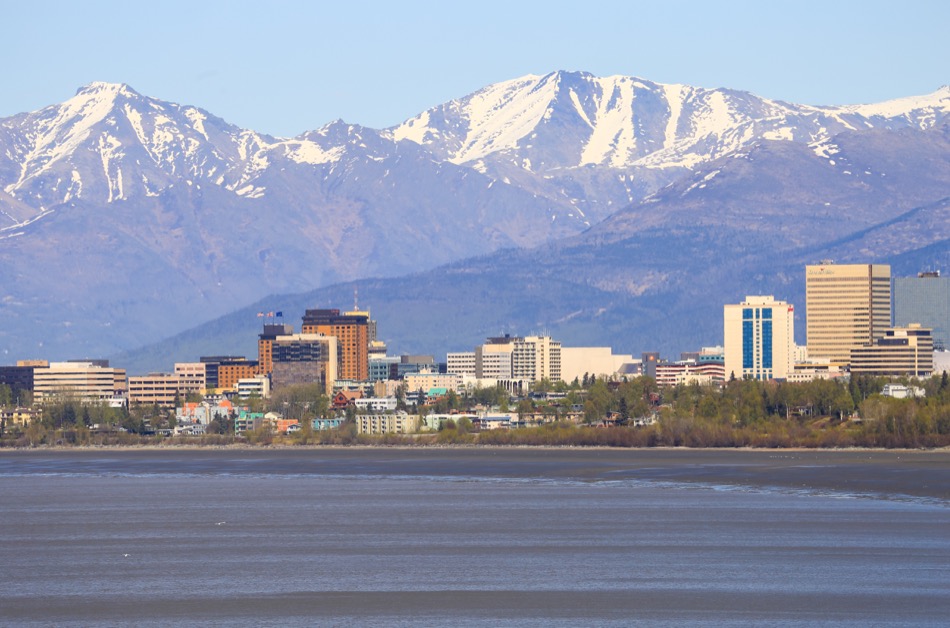
This article delves deep into the question of how expensive it truly is to live in Alaska, dissecting the various components that contribute to its overall cost. We’ll explore everything from basic necessities and long-term accommodation to the diverse range of travel experiences and the lifestyle choices that can either inflate or mitigate expenses. Whether you’re planning a budget-conscious adventure, envisioning a comfortable retirement amidst breathtaking scenery, or seeking a high-end luxury escape, a clear understanding of Alaska’s economic realities will be your most valuable guide.
The Baseline: Understanding Alaska’s General Cost of Living
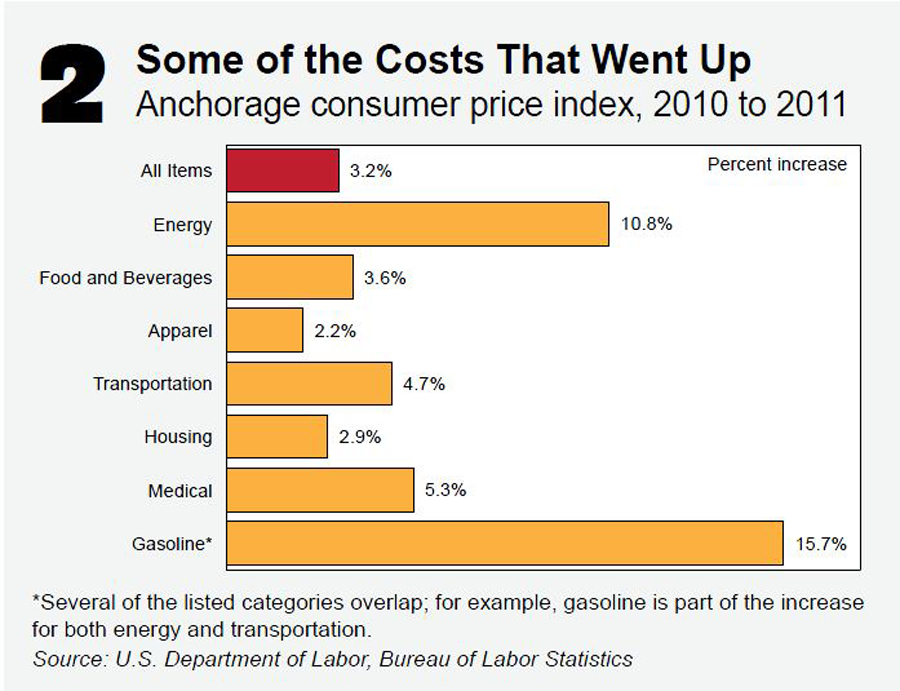
At its core, the expense of living in Alaska is significantly higher than the national average in the United States. This elevated cost is primarily driven by transportation logistics; most goods must be shipped or flown into the state, adding substantial overhead. However, specific regions and lifestyle choices can dramatically influence individual expenditures.
Housing: The Biggest Piece of the Pie
Housing is almost universally the largest expense for anyone living or staying long-term in Alaska. Rental prices and home values in major urban centers such as Anchorage, Fairbanks, and Juneau often rival those of competitive markets in the lower 48 states, sometimes even exceeding them. For instance, a one-bedroom apartment in Anchorage might command anywhere from $1,200 to $1,800 per month, with larger units or those in more desirable neighborhoods pushing well over $2,000. In the state capital of Juneau, where land is scarce due to mountainous terrain, housing can be even more prohibitive.
Beyond traditional rentals, long-term accommodation options vary widely. For those considering a permanent move, purchasing a home can be a significant investment, with median home prices in Anchorage often hovering around $350,000 to $400,000, and more in popular coastal communities or areas with exceptional views. Remote areas, while offering lower purchase prices, come with their own set of challenges, including limited access, higher transportation costs for building materials, and often reliance on off-grid utilities.
For visitors planning an extended stay, especially during the peak summer tourism season, short-term accommodation can be particularly expensive. Vacation rentals like apartments and villas on platforms such as Airbnb or VRBO see a surge in demand and pricing, particularly near popular attractions or cruise ship ports. Booking well in advance is crucial to secure reasonable rates. Hotels, suites, and resorts also follow this seasonal pricing model, with premium amenities commanding premium prices. While a basic hotel room might start around $150-$200 per night in the off-season, the same room could easily double or triple in July. Understanding the dynamics of these accommodation markets is key to managing overall expenses.
Everyday Necessities: Groceries, Utilities, and Transportation
Beyond housing, the cost of daily life in Alaska continues to be elevated. Groceries, in particular, are noticeably more expensive. Due to the vast distances and complex logistics involved in importing most food items, consumers can expect to pay 20-50% more for staples compared to the contiguous United States. Fresh produce and specialty items often carry the highest markups. Smart shopping, including utilizing local farmers markets when available and focusing on shelf-stable goods, becomes a valuable strategy.
Utilities also present a significant financial burden, largely dictated by Alaska’s harsh climate. Heating costs, especially for homes relying on fuel oil, can be exorbitant during the long winter months. Electricity rates, while varying by region, are generally higher than the national average. Internet services, particularly in more remote locales, can be costly and less reliable. These factors contribute to an overall higher utility bill than what many are accustomed to.
Transportation is another major consideration. While public transportation exists in major cities like Anchorage and Fairbanks, most residents rely on personal vehicles. Gasoline prices in Alaska are typically higher due to distribution costs, although they fluctuate with global oil markets. For intra-state travel, especially to remote communities not connected by road, flying is often the only option, and small plane charters can be very expensive. The Alaska Marine Highway System, a ferry network serving coastal communities, offers a scenic alternative for some travel, but tickets for vehicles and passengers can still add up, particularly for long journeys along the Inside Passage.
Healthcare and Services
Healthcare costs in Alaska are among the highest in the nation. This is attributed to a number of factors, including the state’s remote nature, a smaller population base, and the logistical challenges of attracting and retaining medical professionals. Residents often face higher insurance premiums, deductibles, and out-of-pocket expenses for medical care. Similarly, other professional services, from legal advice to automotive repairs, tend to come with a higher price tag due to the limited number of providers and the increased operational costs for businesses in the state. Planning for these essential services, and understanding the local market rates, is crucial for anyone considering long-term residency.
Travel and Tourism: Experiencing the Last Frontier
For visitors, Alaska offers unparalleled travel experiences, from majestic landscapes to unique cultural encounters. However, enjoying these wonders also comes with its own set of expenses, influenced by peak seasons, demand, and the type of adventure sought.
Reaching Alaska: Flights and Ferry Journeys
The journey to Alaska itself can be a significant cost. Flights to major hubs like Anchorage International Airport or Juneau International Airport are generally more expensive than domestic flights within the contiguous United States, particularly during the popular summer months (June to August). Travelers often find better deals by booking several months in advance or opting for shoulder seasons (May, September).
As an alternative, the Alaska Marine Highway System provides a unique and scenic way to reach coastal Alaska, departing from Bellingham, Washington, or Prince Rupert, British Columbia. While a slower option, it offers stunning views of the Inside Passage and the opportunity to bring a vehicle. However, the cost for passengers and vehicles on these multi-day journeys can still be substantial, often comparable to or exceeding airfare, depending on the itinerary and cabin choices. This mode of travel, focused on the journey as much as the destination, is part of the broader tourism experience.
Accommodation for Visitors: Hotels, Resorts, and Unique Stays
When it comes to visitor accommodation, the spectrum of options in Alaska is broad, but pricing is heavily influenced by location, season, and luxury level. In bustling tourist centers such as Anchorage, Fairbanks, Juneau, or near popular landmarks like Denali National Park, hotel prices skyrocket during the summer. A standard hotel room can easily range from $250-$500+ per night, with upscale resorts and boutique hotels commanding even higher rates. These properties often feature an array of amenities designed to enhance the travel experience, from fine dining to guided tour services.
Beyond traditional hotels, Alaska offers unique lodging experiences. Remote wilderness lodges, often accessible only by floatplane, provide an immersive experience with nature, but come with a hefty price tag that typically includes all meals, guided activities, and transportation. Bed and breakfasts, guesthouses, and cabins offer a more intimate and often more budget-friendly option. For those seeking independence, vacation rentals (apartments, cabins, or even entire villas) are available, but their prices also peak during the tourist season. Booking well in advance, especially for travel in June, July, or August, is essential to securing preferred accommodation at reasonable rates and is a key tip for any traveler.
Activities and Experiences: Adventures Await
The true essence of Alaska lies in its unparalleled outdoor activities and cultural immersion. However, these experiences contribute significantly to a visitor’s overall budget. Popular tourist activities such as wildlife viewing tours, glacier cruises (e.g., in Prince William Sound or Kenai Fjords National Park), fishing charters in the Kenai Peninsula, and Denali National Park bus tours can cost anywhere from $100 to several hundred dollars per person for a half-day or full-day excursion. Specialized activities, like bear viewing flights to Katmai or Lake Clark National Parks, heli-skiing, or multi-day guided treks, can easily run into thousands of dollars.
Even cultural activities and food experiences can add up. Dining out, especially in tourist-centric towns like Talkeetna or Seward, is typically more expensive than in the lower 48. Exploring local culture through guided tours, visits to museums, or participating in native Alaskan festivals provides invaluable insight but often comes with an admission fee. Budget travelers can mitigate these costs by focusing on free outdoor activities like hiking, exploring local parks, or simply enjoying the scenic drives along roads like the Seward Highway.
The Northern Lights, or Aurora Borealis, a major attraction, often requires traveling to Fairbanks or other interior locations during the colder, darker months, necessitating specific accommodation and potentially guided tours to maximize viewing chances. This niche travel experience contributes to the diverse range of tourism activities that Alaska offers, each with its own cost implications.
Lifestyle Choices: Balancing Budget and Alaskan Dreams
Living or experiencing Alaska isn’t just about the raw numbers; it’s also about the lifestyle choices one makes. From embracing a more self-sufficient existence to indulging in ultimate luxury, Alaska can cater to a wide spectrum of preferences, each with a corresponding financial footprint.
Budget-Friendly Strategies for Residents and Long-Term Visitors
For those committed to making Alaska their home or enjoying an extended stay without breaking the bank, several budget-friendly strategies can be employed. Residents often learn to live more self-sufficiently, which includes growing their own vegetables, fishing for salmon, hunting, or foraging for berries to supplement expensive groceries. Joining community-supported agriculture (CSA) programs or buying in bulk from local suppliers can also reduce food costs.
Utilizing Alaska’s extensive network of free public lands, trails, and state parks for recreation offers a wealth of entertainment at no cost. Camping, hiking, cross-country skiing, and snowshoeing are popular activities that require minimal investment beyond initial gear. For long-term visitors, considering off-season travel (fall, winter, or spring) can drastically reduce accommodation and activity costs, especially for viewing phenomena like the Northern Lights or enjoying winter sports. Living in smaller, less touristy towns can also provide a more affordable alternative to the major cities. Engaging with local communities and seeking employment opportunities, even seasonal ones, can help offset the higher cost of living.
The Luxury Alaskan Experience
At the other end of the spectrum, Alaska offers unparalleled luxury travel and lifestyle experiences for those with the budget to indulge. This can involve staying in exclusive wilderness lodges that provide all-inclusive packages with gourmet dining, private guides, and bespoke adventures such as remote bear viewing by private plane, custom heli-skiing expeditions in untouched powder, or multi-day yacht charters through the Inside Passage. High-end resorts in locations like Girdwood offer world-class amenities, spas, and fine dining, catering to a discerning clientele.
Luxury travel in Alaska often means private air charters to remote fishing camps, customized glacier cruises with onboard naturalists, or stays in opulent cabins with panoramic views. These experiences often emphasize privacy, exclusivity, and unparalleled access to Alaska’s most pristine natural wonders, from the peaks of Denali National Park to the abundant wildlife of the Kenai Peninsula. For business stays or family trips seeking ultimate comfort, such options provide a seamless and highly personalized way to experience the Last Frontier.

The Permanent Fund Dividend and Tax Benefits
A unique aspect of living in Alaska that can help offset the high cost of living is the Alaska Permanent Fund Dividend (PFD). This annual payment, distributed to qualified long-term residents, derives from investment earnings of the state’s oil wealth. While the amount varies each year based on market performance, it has historically provided a significant financial boost to residents, often ranging from $1,000 to over $3,000 per person.
Furthermore, Alaska is one of the few states with no state income tax and no statewide sales tax. While some municipalities do levy local sales taxes (e.g., Juneau, Ketchikan, Sitka), the absence of state-level taxation on income and sales can provide noticeable savings for residents compared to many other states. These financial benefits, while not fully negating the higher cost of goods and services, are an important part of the overall economic picture for those choosing to live in Alaska.
In conclusion, the question of “How expensive is it to live in Alaska?” doesn’t have a simple answer. It is undoubtedly more expensive than many other places in the United States due to its remote location and logistical challenges. However, the costs are heavily influenced by individual choices regarding housing, lifestyle, and how one chooses to travel and experience the state. With careful planning, strategic budgeting, and an embrace of the unique Alaskan way of life, the unparalleled beauty, adventure, and community spirit of the Last Frontier can make the financial investment a truly worthwhile endeavor for both residents and visitors alike.
LifeOutOfTheBox is a participant in the Amazon Services LLC Associates Program, an affiliate advertising program designed to provide a means for sites to earn advertising fees by advertising and linking to Amazon.com. Amazon, the Amazon logo, AmazonSupply, and the AmazonSupply logo are trademarks of Amazon.com, Inc. or its affiliates. As an Amazon Associate we earn affiliate commissions from qualifying purchases.