
The allure of the Rocky Mountains, crisp alpine air, and an abundance of outdoor adventures has long drawn people to Colorado. From the vibrant urban energy of Denver to the charming mountain towns nestled amidst towering peaks, the Centennial State offers a diverse range of living experiences. However, as with many desirable destinations, this natural beauty and economic opportunity come with a cost. Understanding the expense of living in Colorado is crucial for anyone considering a move or even planning an extended visit. This guide delves into the various factors contributing to the cost of living, providing insights that span travel, accommodation, and the general lifestyle within this captivating state.
Understanding the Cost of Living Landscape
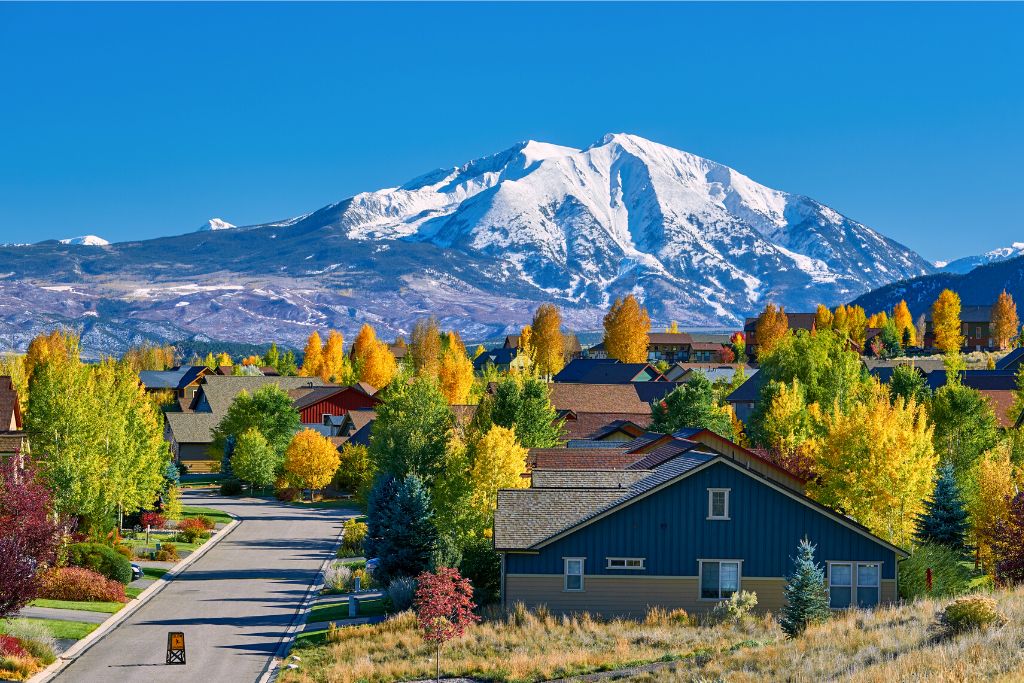
The cost of living in Colorado is generally higher than the national average, a trend seen across many popular Western states. This elevated price point is influenced by a confluence of factors, including a robust economy, a growing population, and the inherent desirability of its natural landscapes. When people think about Colorado, they often envision skiing in Aspen, hiking in Rocky Mountain National Park, or exploring the craft beer scene in Denver. These very attractions contribute to the state’s appeal and, consequently, its cost.
Housing: The Biggest Financial Factor
Without a doubt, housing is the most significant determinant of the cost of living in Colorado. Both rental and ownership prices have seen substantial increases over the past decade, driven by strong demand and limited supply in many areas.
Rental Markets Across Colorado
Renting in Colorado can vary dramatically depending on the city and neighborhood. Denver, as the state’s capital and most populous city, consistently ranks among the more expensive rental markets. You can expect to pay a premium for a one-bedroom apartment in desirable neighborhoods like LoDo or Capitol Hill. Even smaller cities and popular tourist destinations, such as Boulder or Vail, often command higher rental rates due to their proximity to universities, tech hubs, or world-class ski resorts.
For those seeking more affordable options, looking at smaller towns or areas further from major metropolitan centers is advisable. However, even in these locations, the cost of rent can still be higher than in many other parts of the country. The influx of people drawn by job opportunities, particularly in the tech and outdoor industries, continues to put pressure on rental markets across the state.
Homeownership Costs and Considerations
Purchasing a home in Colorado presents a similar, if not more pronounced, challenge. Median home prices have soared, making entry-level homeownership an aspiration that requires significant financial planning. The competitive nature of the housing market, especially in areas with stunning natural beauty or close to employment centers, means that bidding wars can be common.
The cost of a mortgage, property taxes, and homeowner’s insurance will all contribute to the overall expense of owning a home. Property taxes in Colorado are generally moderate compared to some other states, but they are still a factor to consider. Furthermore, the desirability of Colorado as a place to live means that property values are likely to continue their upward trajectory, which can be beneficial for homeowners but daunting for prospective buyers.
Everyday Expenses: Beyond Housing
While housing dominates the budget, other everyday expenses also contribute to the overall cost of living in Colorado. These include groceries, transportation, utilities, and healthcare.
The Price of Daily Necessities
Groceries in Colorado tend to be slightly above the national average, particularly for fresh produce, which can be influenced by transportation costs and seasonal availability. However, with a strong agricultural sector in parts of the state, local farmers’ markets can offer competitive prices and high-quality goods.
Transportation costs can be a significant factor, especially if you live outside of major urban centers where public transportation is less developed. Owning a car is often a necessity, and this comes with expenses for gas, insurance, maintenance, and potential parking fees in cities like Denver or Boulder. The state’s extensive road network, while scenic, can also contribute to wear and tear on vehicles.
Utilities, including electricity, gas, and water, are generally in line with national averages, though they can fluctuate based on seasonal demand. Heating costs, for example, can be higher in the winter months, especially in mountainous regions that experience prolonged cold spells.
Healthcare and Other Services
Healthcare costs are a concern for many across the United States, and Colorado is no exception. While prices can vary widely based on insurance plans and specific medical needs, residents can expect healthcare expenses to be a notable part of their budget.
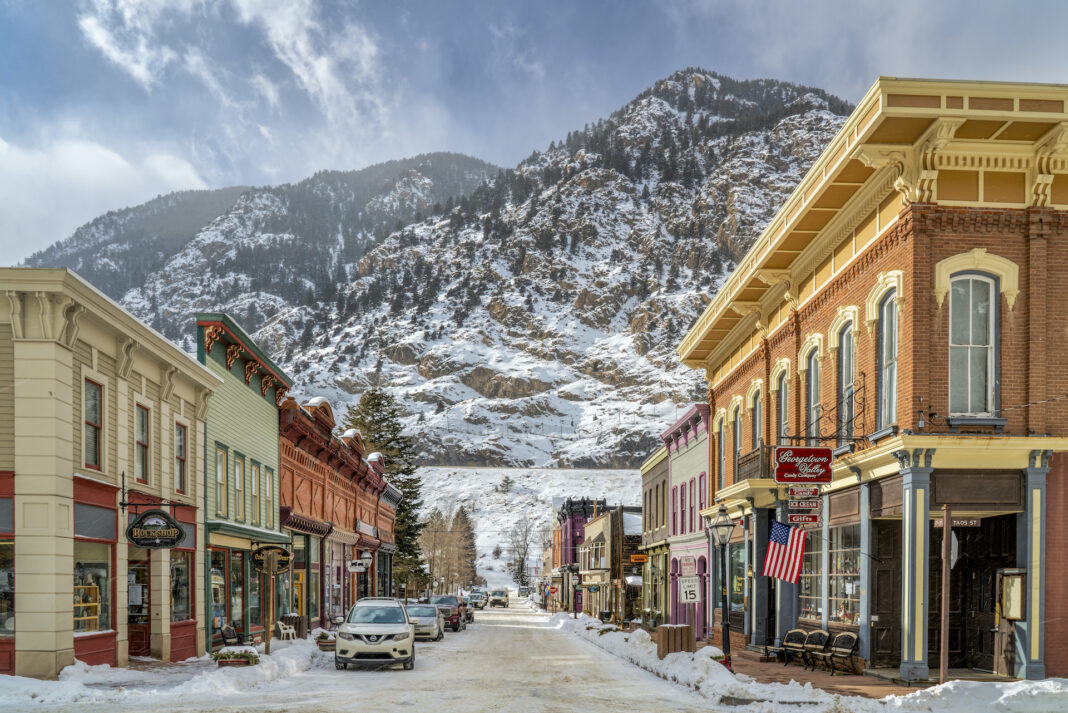
Other services, such as childcare, entertainment, and personal care, also contribute to the overall cost of living. The vibrant culture of Colorado, with its numerous festivals, outdoor activities, and burgeoning culinary scene, offers plenty of opportunities for recreation, but these can add up quickly.
Lifestyle Choices and Their Financial Impact
The way you choose to live in Colorado will profoundly impact your expenses. Whether you’re a luxury traveler seeking the finest amenities or a budget-conscious explorer, there are ways to navigate the state’s cost of living.
Luxury Living and High-End Experiences
For those who appreciate the finer things, Colorado offers a plethora of high-end experiences. World-class ski resorts like Aspen Snowmass, Vail Ski Resort, and Beaver Creek Resort provide luxurious accommodations, fine dining, and exclusive amenities. Staying in a suite at the Ritz-Carlton, Denver, or a private villa in a mountain community offers unparalleled comfort but comes with a significant price tag.
Fine dining is a hallmark of many Colorado cities, with acclaimed restaurants in Denver and Boulder serving up innovative cuisine. Engaging in activities like private ski lessons, guided backcountry adventures, or spa treatments at luxury hotels can further elevate expenses. For those who prefer luxury travel, Colorado certainly delivers, but it requires a substantial budget.
Budget-Conscious Exploration and Travel
Conversely, Colorado can be incredibly rewarding for budget-conscious travelers and residents. The state’s most magnificent attractions are often free or require minimal entry fees. Hiking in Rocky Mountain National Park or exploring the scenic beauty of Garden of the Gods offers breathtaking experiences without breaking the bank.
Choosing to stay in budget-friendly hotels, motels, or vacation rentals outside of peak tourist seasons can significantly reduce accommodation costs. Many charming towns offer affordable inns and guesthouses. Camping is also a popular and economical option, allowing direct immersion in Colorado’s natural splendor.
Packing picnics for day trips, utilizing public transportation where available, and taking advantage of free local events and activities are excellent ways to manage expenses. The abundance of public parks and trails makes it easy to enjoy the natural environment without spending a fortune. Even in cities, exploring free attractions like the Denver Art Museum on certain days or simply strolling through vibrant neighborhoods can be fulfilling.
Navigating Accommodation Options: From Short Stays to Long-Term Residency
The type of accommodation you seek, whether for a temporary visit or a permanent move, will directly influence your financial outlay. Colorado caters to a wide spectrum of accommodation needs, from lavish resorts to more practical long-term stays.
Short-Term Stays: Hotels, Resorts, and Vacation Rentals
When visiting Colorado for leisure or business, the options for short-term accommodation are vast. Luxury resorts in mountain towns offer unparalleled amenities, including spa services, gourmet dining, and direct access to outdoor activities like skiing and golfing. Hotels in cities like Denver range from boutique establishments to large chains, each offering different price points and levels of service.
Vacation rentals, facilitated by platforms like Airbnb or Vrbo, provide an alternative that can be particularly appealing for families or groups. These often offer more space and the convenience of a kitchen, which can help manage food costs. However, prices for vacation rentals, especially in popular tourist areas like Aspen or Telluride, can rival those of high-end hotels. Booking in advance, particularly during peak seasons (winter for skiing, summer for hiking and festivals), is highly recommended to secure the best rates and availability.

Long-Term Stays: Apartments, Houses, and Beyond
For those planning to live in Colorado for an extended period, the accommodation landscape shifts. Renting an apartment or house becomes the primary consideration. As previously discussed, rental prices in major cities like Denver, Boulder, and Fort Collins are substantial. The proximity to job centers, amenities, and desirable lifestyle features drives these costs upward.
Exploring suburban areas or smaller towns within commuting distance of larger cities can offer more affordable long-term housing solutions. However, it’s essential to factor in the cost and time associated with commuting. For those looking to purchase property, understanding the local real estate market, mortgage rates, and property taxes is paramount. The long-term financial commitment of homeownership in Colorado requires careful budgeting and a realistic assessment of the market.
The choice between renting and buying, and the specific location, will significantly impact your lifestyle and financial well-being in Colorado. Thorough research into local markets and individual financial circumstances is key to making informed decisions.
In conclusion, while Colorado offers a breathtaking environment and a dynamic lifestyle, its cost of living is a significant consideration. Housing remains the primary driver of expenses, but everyday necessities and lifestyle choices also play a crucial role. By understanding these factors and planning accordingly, individuals can make informed decisions about whether and how to embrace life in this beautiful and sought-after state.
LifeOutOfTheBox is a participant in the Amazon Services LLC Associates Program, an affiliate advertising program designed to provide a means for sites to earn advertising fees by advertising and linking to Amazon.com. Amazon, the Amazon logo, AmazonSupply, and the AmazonSupply logo are trademarks of Amazon.com, Inc. or its affiliates. As an Amazon Associate we earn affiliate commissions from qualifying purchases.