
The allure of New York City is undeniable. It’s a city that pulsates with an energy unlike any other, a global hub of culture, finance, and relentless ambition. From the iconic skyline punctuated by landmarks like the Empire State Building and the Statue of Liberty to the vibrant street life and world-class dining, “The City That Never Sleeps” offers an unparalleled experience. However, this dream comes with a price tag, and for many, the question isn’t just about visiting, but about the feasibility of actually living there. So, how expensive is it to live in New York City? The answer, as with most things in life, is complex and depends heavily on your lifestyle, your income, and your tolerance for urban living.

The Cost of the Concrete Jungle: A Breakdown of Essential Expenses
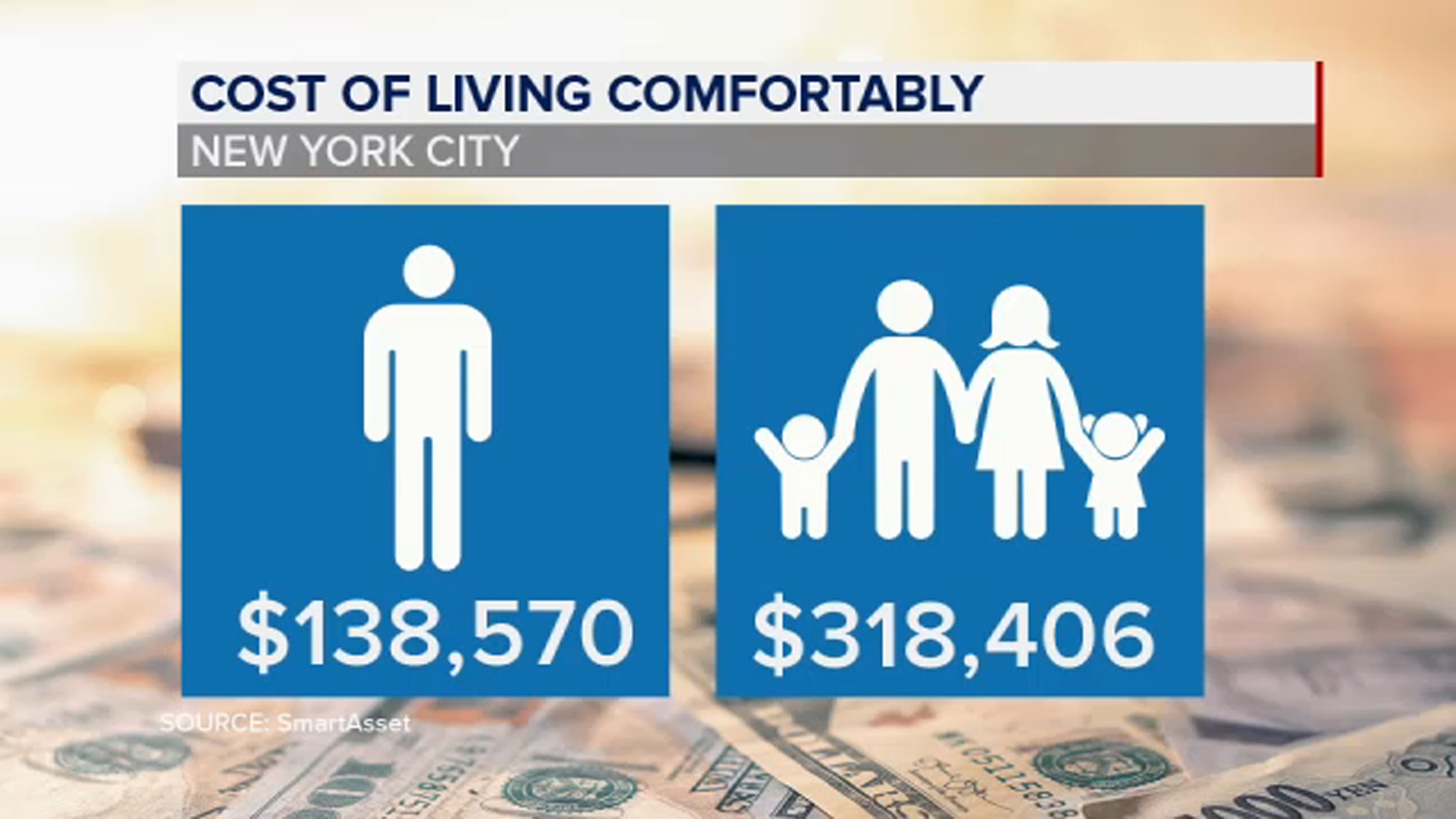
When considering the cost of living in any city, certain fundamental expenses form the backbone of a household budget. In New York City, these costs are notoriously higher than the national average, often by a significant margin. Understanding these individual components is crucial to grasping the overall financial picture.
Housing: The Biggest Bite Out of Your Budget
Without question, housing is the most significant expense for anyone looking to establish a life in New York City. Whether you’re considering a luxurious apartment in Manhattan or a more modest dwelling in Queens or Brooklyn, rental prices are astronomical. The median rent for a one-bedroom apartment in Manhattan can easily exceed $4,000 per month, and this figure can climb much higher in desirable neighborhoods like the West Village or near Central Park. Even studios in less central areas often command rents well over $2,500.
Purchasing property is an even more daunting prospect. The median home price in New York City consistently ranks among the highest in the United States. A starter home, if one can even be found, would likely require a substantial down payment and a considerable mortgage. The demand for housing, coupled with limited space, fuels these inflated prices. Even looking at long-term stays, such as extended hotel suites or serviced apartments, will reflect these high property values. For instance, a month-long stay in a comfortable apartment hotel might still be a significant investment.
Beyond rent or mortgage payments, there are other associated housing costs. Utilities, such as electricity, gas, and water, can add a considerable sum to your monthly bills, especially during the harsh New York winters when heating is essential. Internet and cable services are also necessities for most residents, and these providers often charge premium rates in the city. Many New York City apartments also require renters to pay a broker’s fee, which can be equivalent to one to two months’ rent, adding a substantial upfront cost.
Daily Living: Food, Transportation, and Beyond
Once housing is accounted for, the next set of essential expenses revolves around daily life.
Groceries and Dining Out
The cost of groceries in New York City is generally higher than in most other parts of the United States. This is due to a variety of factors, including transportation costs to get food into the city and the higher overhead for grocery stores. While you can find budget-friendly options at supermarkets like Trader Joe’s or explore ethnic markets for more affordable produce, a weekly grocery shop for a single person can easily run into hundreds of dollars.
Dining out is a significant part of the New York City experience, offering an incredible diversity of culinary delights, from Michelin-starred restaurants to humble street food vendors. However, enjoying this vibrant food scene comes at a cost. A casual meal at a mid-range restaurant can cost $20-$30 per person, while a fine dining experience can easily run into hundreds of dollars, especially when factoring in drinks and gratuity. Even grabbing a coffee and a pastry can set you back $10 or more. This is where the lifestyle choices really impact your budget – embracing budget travel or focusing on local culture and affordable eats can make a difference.
Transportation: Navigating the Metropolis
New York City boasts one of the most extensive public transportation systems in the world, with the Metropolitan Transportation Authority (MTA) operating subways and buses across all five boroughs. For residents, a monthly MetroCard provides unlimited travel, which is a relatively affordable option compared to owning and maintaining a car in the city. The cost of a monthly unlimited MetroCard is currently around $132, a bargain when considering the convenience and the sheer cost of parking and insurance for a vehicle.
However, many residents opt to live further out in the surrounding suburbs or even in neighboring states like New Jersey to escape the exorbitant housing costs, which then introduces commuting expenses. This might involve train fares or tolls, adding to the daily financial burden. Taxis and ride-sharing services are readily available but are expensive for regular use. A short taxi ride can easily cost $15-$20, making them more of a luxury or a last resort than a primary mode of transport.
Entertainment and Leisure: Experiencing the Big Apple
New York City is a playground for entertainment and leisure, offering an endless array of activities. From world-class museums like the Metropolitan Museum of Art and the Museum of Modern Art to Broadway shows, professional sports games, and live music venues, there’s always something to do.
The cost of these activities can vary significantly. A ticket to a Broadway show can range from $80 to over $200, while attending a professional basketball game at Madison Square Garden for the New York Knicks can also be a significant expense. Museums often have admission fees, though some offer free days or suggested donation policies. However, for those who embrace budget travel or are keen on exploring the city’s numerous free attractions, such as walking across the Brooklyn Bridge or exploring Central Park, the cost of entertainment can be managed. Local culture and free activities are abundant for those who seek them out.
Factors Influencing Your New York City Budget
The overarching cost of living in New York City is not a monolithic figure. Several critical factors will dramatically influence your personal budget.
Neighborhood: Location, Location, Location
The borough and the specific neighborhood within that borough you choose to live in will have a profound impact on your expenses. As mentioned, Manhattan is by far the most expensive borough, with rents and property values reaching stratospheric levels. Neighborhoods like Tribeca, the Upper East Side, and SoHo are synonymous with luxury and come with a price tag to match.
However, moving to other boroughs can offer a more affordable lifestyle. Brooklyn, while experiencing gentrification and rising costs, still offers a range of neighborhoods with more accessible rents than Manhattan. Areas in Queens, such as Astoria or Jackson Heights, can provide a more budget-friendly experience, while still offering excellent access to the rest of the city. The Bronx and Staten Island are generally the most affordable options within the city limits, though they require longer commutes for many. The choice of accommodation, whether a hotel suite, an apartment, or a villa if one exists, will also be heavily dictated by the chosen neighborhood.
Lifestyle Choices: Luxury vs. Budget
Your personal lifestyle choices will be the most significant determinant of how expensive New York City truly is for you. Someone who prioritizes luxury travel, dines out at high-end restaurants frequently, attends numerous Broadway shows, and lives in a prime Manhattan apartment will undoubtedly find the cost of living exorbitant.
Conversely, a resident who embraces budget travel principles, cooks at home more often, utilizes public transportation exclusively, and finds joy in the city’s free parks and cultural events can significantly lower their monthly expenses. For instance, opting for a long-term stay in an apartment hotel outside of the most central districts, combined with a focus on local food markets and free outdoor activities, can make living in New York City more manageable. Family trips can be planned with a focus on free attractions, and business stays can be balanced with exploring more affordable dining options.
Income and Career Opportunities
It’s impossible to discuss the cost of living without acknowledging the income side of the equation. New York City is a global economic powerhouse, offering a vast array of high-paying career opportunities, particularly in finance, media, technology, and fashion. For individuals in these lucrative fields, the high cost of living may be more palatable, as their salaries can often compensate for the elevated expenses.
However, for those in lower-paying industries, the cost of living can be a significant barrier. The city’s job market is highly competitive, and while opportunities abound, securing a well-paying position is crucial for financial stability. Therefore, the question of “how expensive” is intrinsically linked to “how much can you earn.”

Is New York City Worth the Cost?
The question of whether New York City is worth the high cost of living is a deeply personal one. For many, the vibrant energy, the unparalleled cultural offerings, the sense of possibility, and the sheer dynamism of the city are priceless. It’s a place where you can find yourself among the most influential people in the world, experience every type of cuisine imaginable, and walk past historical landmarks and modern architectural marvels daily.
The availability of diverse accommodation options, from luxury suites in hotels like the The Plaza Hotel to more practical long-term apartment rentals, caters to various budgets and needs. The tourism industry thrives on showcasing the best of what New York City has to offer, from iconic landmarks to hidden gems, and this allure extends to those who wish to call it home.
Ultimately, living in New York City is an investment. It requires careful financial planning, a willingness to adapt your lifestyle, and a deep appreciation for what the city offers in return. While the price tag is undeniably steep, for many, the experiences, opportunities, and the unique spirit of New York City make it a worthwhile endeavor. Whether you’re planning a fleeting visit filled with exploration of attractions and dining experiences, or a long-term stay seeking a true sense of belonging, understanding the financial realities is the first step to making your New York City dream a reality.
LifeOutOfTheBox is a participant in the Amazon Services LLC Associates Program, an affiliate advertising program designed to provide a means for sites to earn advertising fees by advertising and linking to Amazon.com. Amazon, the Amazon logo, AmazonSupply, and the AmazonSupply logo are trademarks of Amazon.com, Inc. or its affiliates. As an Amazon Associate we earn affiliate commissions from qualifying purchases.