
Understanding the Cost of a Puerto Rican Adventure
When planning a trip to the captivating island of Puerto Rico, a primary consideration for most travelers is the financial aspect. The question “How expensive is [Puerto Rico]?” is nuanced, as costs can fluctuate significantly based on travel style, duration, chosen activities, and the specific time of year. Generally, Puerto Rico is considered a moderately priced destination, often falling somewhere between budget-friendly Caribbean islands and more luxurious European locales. However, understanding the breakdown of expenses – from flights and accommodation to daily living costs and activities – is crucial for setting a realistic budget and making informed decisions.

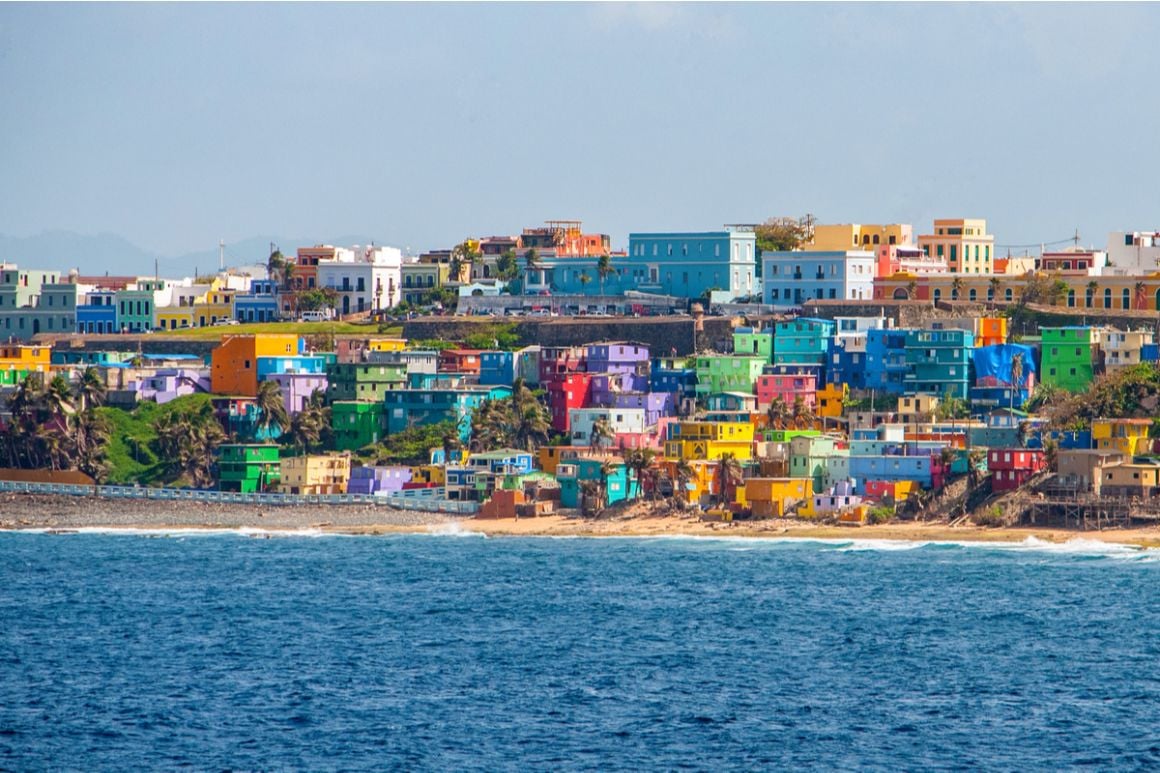
The island offers a diverse range of experiences, from the vibrant streets of San Juan to the lush rainforests of El Yunque and the serene beaches of Vieques and Culebra. Each of these regions can present slightly different cost profiles. For instance, staying in the popular tourist zones of Old San Juan might incur higher accommodation and dining prices than venturing to less-developed coastal towns. Similarly, opting for a luxury resort on Vieques will naturally be more costly than a guesthouse on the main island. This guide aims to demystify the expenses associated with a trip to Puerto Rico, empowering you to plan a memorable and financially sound vacation.
Flights and Getting Around
The cost of airfare to Puerto Rico is a significant factor in the overall travel budget. As an unincorporated U.S. territory, Puerto Rico is accessible to U.S. citizens without a passport, and many major airlines offer direct flights from various cities in the United States to Luis Muñoz Marín International Airport (SJU) in San Juan. Prices can vary widely depending on the departure city, the time of booking, and the season. For example, booking several months in advance and traveling during the shoulder seasons (April to June or September to November) often yields more affordable fares compared to peak winter months (December to March) or during major holidays.
Once on the island, transportation options also influence your expenses. Renting a car is a popular choice for exploring at your own pace, especially if you plan to visit areas outside of San Juan. Car rental rates are comparable to those in the United States, with daily rates typically ranging from $40 to $70 or more, depending on the vehicle type and rental company. Factor in the cost of gasoline, which is generally slightly higher than mainland U.S. prices, and parking fees, particularly in popular tourist areas like Old San Juan.
For travelers staying primarily in San Juan, relying on ride-sharing services like Uber and Lyft is a viable and often cost-effective alternative. These services are readily available in the metropolitan area and can be significantly cheaper than traditional taxis. Public transportation, while present, is less extensive and may not be convenient for reaching all tourist attractions. The island’s ferry system provides a low-cost way to travel between the main island and Vieques and Culebra, though schedules can be limited and booking in advance is recommended. For those seeking a truly immersive experience without the hassle of driving, many travelers opt for guided tours that often include transportation to various attractions.
Accommodation Choices and Costs
The cost of accommodation in Puerto Rico presents a broad spectrum, catering to various budgets and preferences. From luxurious beachfront resorts to charming boutique hotels, budget-friendly guesthouses, and vacation rentals, travelers have ample options.
In the popular tourist hubs like San Juan, particularly in areas like Condado or Isla Verde, you’ll find a concentration of upscale hotels and resorts. Expect to pay anywhere from $200 to $500+ per night for a room in a reputable establishment, with suites and premium ocean-view rooms commanding higher prices. These resorts often offer extensive amenities such as swimming pools, private beach access, multiple dining options, and spas, contributing to their higher price point.
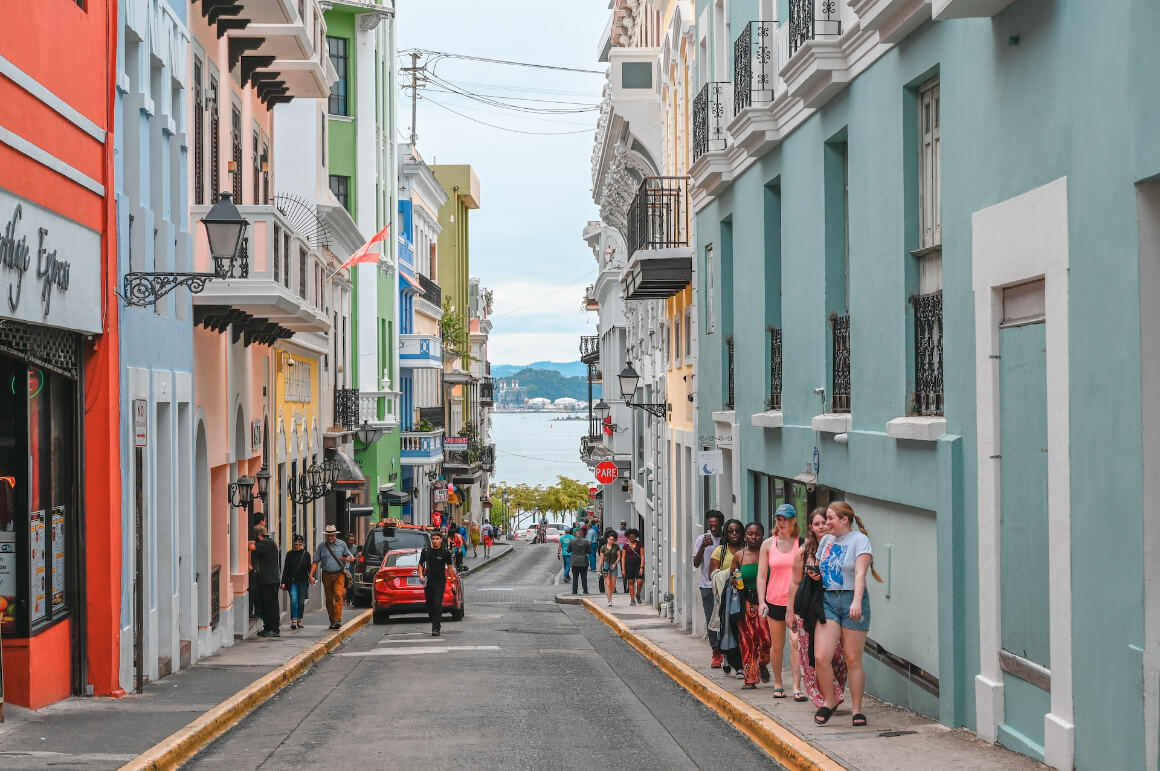
For travelers seeking a more historic or charming experience, Old San Juan offers a selection of boutique hotels and guesthouses housed in beautifully restored colonial buildings. Prices here can range from $150 to $300+ per night, providing a unique ambiance and convenient access to the city’s historical sites and vibrant nightlife.
Venturing beyond the capital, accommodation costs can vary. Islands like Vieques and Culebra are known for their stunning natural beauty and offer a mix of upscale eco-lodges, charming inns, and vacation rental properties. While some luxury villas can be quite expensive, there are also more affordable guesthouses and apartments available, especially if booked in advance or during the off-season. Expect prices on these islands to range from $100 to $400+ per night, depending on the type of accommodation and its proximity to popular beaches.
On the main island, smaller towns and coastal areas often feature more budget-friendly options. Guesthouses, bed and breakfasts, and modest hotels can offer rates from $70 to $150 per night. Vacation rentals, such as apartments and houses booked through platforms like Airbnb, can be a cost-effective choice for families or groups, often providing more space and amenities like kitchens, which can help save on dining expenses. The average nightly rate for a vacation rental can range from $100 to $250, depending on location, size, and amenities.
It’s important to note that Puerto Rico charges a lodging tax, which is typically around 9%, and some hotels may also add a resort fee, further increasing the nightly cost. Always inquire about these additional charges when booking.
Dining and Daily Expenses
The cost of food and daily expenses in Puerto Rico can range significantly, from very affordable local eateries to high-end dining establishments. This flexibility allows travelers to tailor their spending to their budget.
For budget-conscious travelers, exploring the local culinary scene is key. Street food stalls and “chinchorros” (small, casual eateries) offer delicious and inexpensive options. You can enjoy a filling meal of mofongo, empanadillas, or lechón for as little as $5 to $10. Local diners, or “fondas,” also provide hearty and affordable traditional Puerto Rican dishes. A full meal at a fonda can typically cost between $10 and $20 per person.
Mid-range restaurants offer a more comfortable dining experience with a wider variety of dishes. In cities like San Juan, you can find restaurants serving contemporary Puerto Rican cuisine, seafood, and international fare for around $25 to $50 per person for a meal, including a drink. These establishments often provide a pleasant ambiance and attentive service.
Fine dining experiences are available, particularly in tourist areas and upscale hotels in San Juan. Here, you can expect to spend $60 to $100 or more per person for a multi-course meal, often featuring gourmet ingredients and innovative presentations.
Beyond meals, consider other daily expenses. Groceries for self-catering, if you’ve opted for a vacation rental, are generally priced similarly to those in the United States, with some imported goods being slightly more expensive. Local fruits, vegetables, and staples are usually quite affordable.
Other common daily expenses include entrance fees to attractions, such as museums, historical sites, and national parks. For instance, the entrance fee for Castillo San Felipe del Morro and Castillo San Cristóbal in San Juan is around $10 per person, granting access to both forts. Guided tours for activities like snorkeling, kayaking, or hiking can range from $50 to $150 per person, depending on the duration and exclusivity.
Souvenirs can also add to the daily tally. Locally crafted items, such as artisanal coffee, rum, ceramics, and art, can be found at various price points. A small souvenir might cost $10-$20, while a more significant piece of art or jewelry could range from $50 to several hundred dollars.
Activities and Entertainment
Puerto Rico offers a wealth of activities and entertainment options, many of which can be enjoyed without breaking the bank, while others represent more significant investments. The island’s natural beauty provides ample opportunities for free or low-cost enjoyment.
Beaches are a prime example. Spending a day lounging on the sands of Luquillo Beach, exploring the bioluminescent bays in Fajardo (though boat tours have a cost), or hiking through the trails of El Yunque National Forest (entrance is free, but parking reservations might be needed for certain areas) are all relatively inexpensive ways to experience the island’s splendor. The sheer beauty of these natural wonders is an attraction in itself.
For those interested in history and culture, exploring Old San Juan is a must. While walking through the cobblestone streets, admiring the colonial architecture, and visiting free-to-enter plazas and churches is a delightful and cost-free activity, the entrance fees for the historic forts, Castillo San Felipe del Morro and Castillo San Cristóbal, are modest. Visiting the Museo de Arte de Puerto Rico in San Juan typically has an admission fee of around $10-$12.
Water sports enthusiasts have a range of options, with varying costs. Snorkeling and diving excursions, especially to the outer islands of Culebra and Vieques, can be a significant expense, often ranging from $75 to $150 per person for a half-day trip that includes equipment and transportation. Surfing lessons in areas like Rincón can cost around $50-$75 for an hour or two. Kayaking tours, particularly to the bioluminescent bays, are also popular and typically cost between $50 and $75.
Adventure activities like ziplining through the rainforest canopy or rappelling down waterfalls offer thrilling experiences but come with a higher price tag, usually between $100 and $200 per person. Horseback riding tours along the beaches or through scenic trails can cost around $70-$100.
Nightlife in San Juan offers diverse options. Experiencing salsa dancing at a local club might involve a small cover charge, while enjoying cocktails at a rooftop bar can add up quickly, with drinks often costing $10-$15 each. Attending live music performances or cultural events can range from free to $50 or more, depending on the venue and artist.
For a more immersive cultural experience, consider attending local festivals or participating in cooking classes. These can offer a deeper understanding of Puerto Rico and typically range from $50 to $100 per person. When budgeting for activities, it’s wise to prioritize what appeals most to you and research specific costs in advance. Many tour operators offer package deals or discounts for booking multiple activities.
Budgeting for Your [Puerto Rico] Trip
Creating a realistic budget for a trip to Puerto Rico involves considering all the aforementioned factors and making choices that align with your financial comfort zone.
Budget Traveler: For those aiming for a more economical trip, expect to spend approximately $100 to $150 per person per day, excluding flights. This budget would involve staying in guesthouses or budget-friendly vacation rentals, eating primarily at local eateries and chinchorros, utilizing ride-sharing services or public transport where feasible, and focusing on free or low-cost activities like beach visits and exploring towns on foot. Day trips to places like El Yunque would be prioritized.
Mid-Range Traveler: A comfortable mid-range budget might range from $200 to $300 per person per day, excluding flights. This allows for stays in boutique hotels or comfortable vacation rentals, dining at a mix of local and mid-tier restaurants, renting a car for a portion of the trip to explore more widely, and engaging in a few paid activities like guided tours or entrance fees to historical sites.
Luxury Traveler: For those seeking a more indulgent experience, a daily budget of $400+ per person, excluding flights, would be appropriate. This would encompass stays in high-end resorts or luxury villas, dining at fine dining establishments, enjoying premium tours and private excursions, indulging in spa treatments, and partaking in exclusive entertainment options.
Key Budgeting Tips:
- Travel during the shoulder season: As mentioned, booking flights and accommodation during April-June and September-November can lead to significant savings.
- Book in advance: Especially for flights and popular accommodations, booking several months ahead can secure better prices.
- Consider vacation rentals: For families or groups, renting an apartment or house with a kitchen can reduce dining costs and offer more space.
- Embrace local cuisine: Eating at chinchorros and local diners is not only delicious but also very budget-friendly.
- Utilize free and low-cost activities: Puerto Rico’s natural beauty is a major draw, and many of its best attractions are free or inexpensive to access.
- Set a daily spending limit: This helps to keep track of expenses and avoid overspending.
- Factor in unexpected costs: Always have a small buffer for unforeseen expenses or spontaneous splurges.
- Look for package deals: Tour operators sometimes offer discounts when booking multiple excursions.
By carefully planning and making informed decisions based on your travel style and priorities, a trip to Puerto Rico can be both an unforgettable experience and a financially manageable adventure. The island offers a remarkable blend of culture, natural beauty, and vibrant energy, accessible to a wide range of travelers.
LifeOutOfTheBox is a participant in the Amazon Services LLC Associates Program, an affiliate advertising program designed to provide a means for sites to earn advertising fees by advertising and linking to Amazon.com. Amazon, the Amazon logo, AmazonSupply, and the AmazonSupply logo are trademarks of Amazon.com, Inc. or its affiliates. As an Amazon Associate we earn affiliate commissions from qualifying purchases.