
Florida, a state synonymous with sun-drenched beaches, vibrant coral reefs, and the allure of perpetual summer, possesses a unique geographical characteristic that profoundly shapes its identity: its remarkably low elevation. Understanding “how far above sea level is Florida?” is not merely an academic exercise; it’s crucial for appreciating the state’s natural beauty, planning resilient travel, and comprehending the delicate balance of its ecosystems. This exploration delves into the elevations that define the Sunshine State, examining its lowest points, its highest peaks, and the implications of these figures for travelers and residents alike.
Florida’s Ground Truth: A State of Minimal Altitude
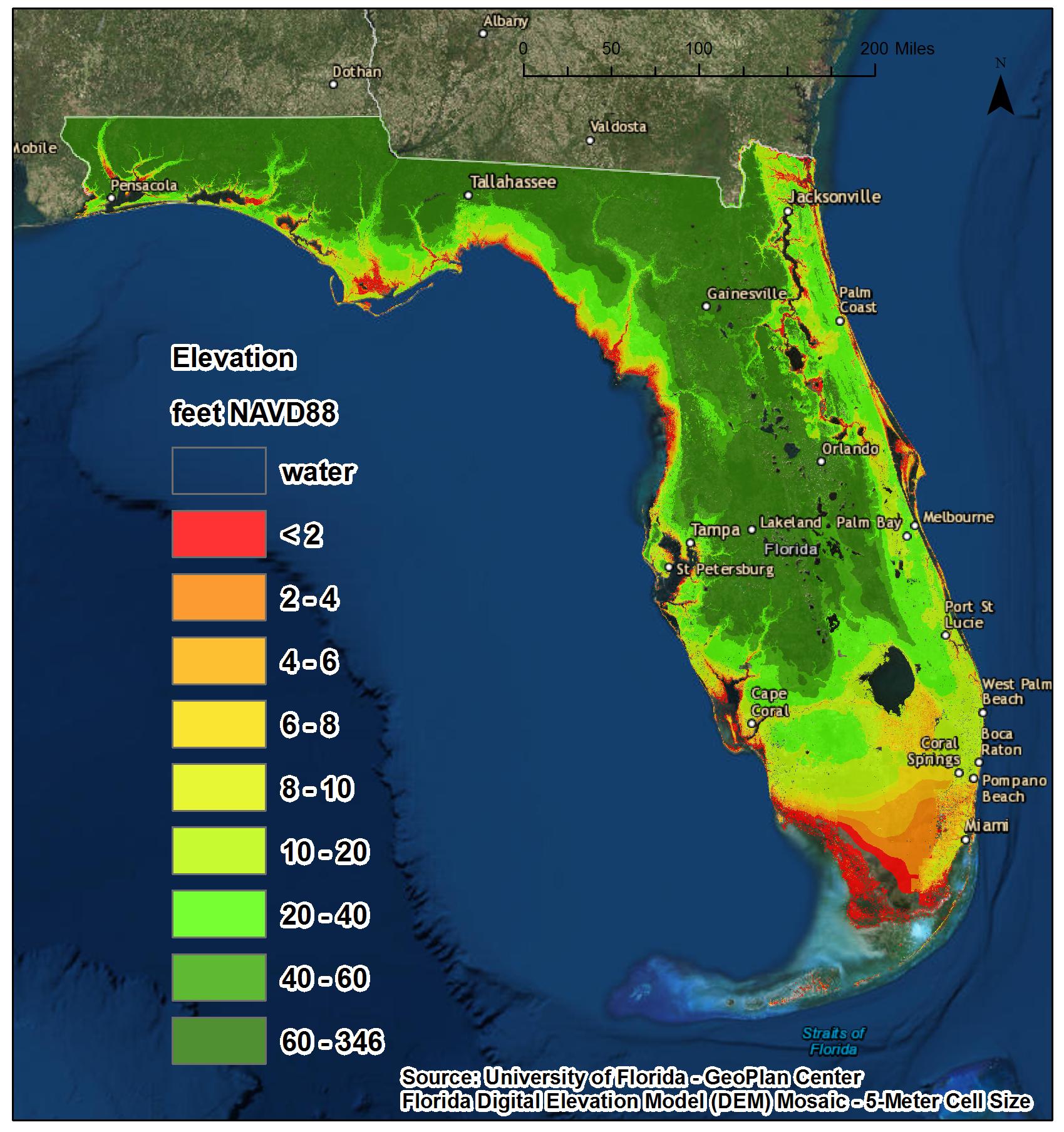
The defining feature of Florida’s topography is its flatness. Unlike many other U.S. states that boast dramatic mountain ranges or deep river valleys, Florida is predominantly composed of low-lying coastal plains and the extensive wetlands of the Everglades. This geological makeup directly correlates to its minimal elevation.
The Average Elevation: A Gentle Slope
Florida’s average elevation is a mere 100 feet (approximately 30 meters) above sea level. This figure, while an average, underscores the state’s proximity to the water. Many of its major cities, including Miami, Tampa, and Jacksonville, are situated on or very near the coast, with extensive areas lying at or below this average. This pervasive flatness makes the state highly susceptible to coastal erosion and storm surges, a reality that planners and visitors must acknowledge.
Florida’s Lowest Point: Embracing the Tide
The lowest point in Florida, and indeed the entire eastern United States, is located in the Florida Keys. Specifically, this point is situated in Monroe County, where the elevation is effectively sea level. This makes the Keys particularly vulnerable to rising sea levels and hurricanes. The very essence of these islands is their intimate connection with the ocean, a characteristic that is both their charm and their challenge. For travelers, this means that even a casual stroll along the beach can be at the same elevation as the vast ocean just a few feet away.
The Highest Ground: Relative Peaks in a Flat Landscape
When one asks about Florida’s elevation, it’s important to frame the discussion of its highest points within the context of its overall flatness. The highest natural elevation in Florida is only 345 feet (approximately 105 meters) above sea level. This modest peak is located in the Florida Panhandle, near the town of Lakewood Park in Walton County. This “mountain” is more accurately described as a high point on a sandy ridge.
Britton Hill: A Subtle Summit
The specific highest point is known as Britton Hill. While it may not inspire awe in those accustomed to dramatic mountain vistas, Britton Hill represents the apex of Florida’s topographical offerings. Its location in the northern part of the state, away from the coastal influence that characterizes much of Florida, highlights the subtle variations in elevation that do exist. Even at this highest natural point, the landscape remains gentle, characterized by rolling hills and pine forests. For a traveler, reaching Britton Hill is more about marking a geographical achievement than experiencing a strenuous climb.
Navigating Florida: Elevation’s Impact on Your Journey
Understanding Florida’s elevation is more than just trivia; it has tangible implications for travel, from the types of attractions you’ll encounter to the practical considerations of weather and accessibility.
Coastal Wonders and Lowland Adventures
Much of Florida’s allure lies in its coastal environments and low-lying interiors. The vast network of beaches, from the famous shores of South Beach to the serene sands of the Gulf Coast, are all intrinsically linked to the state’s low elevation. Water activities, from swimming and snorkeling in the warm Atlantic waters to kayaking through mangrove tunnels, are central to the Florida travel experience, all facilitated by this gentle topography.
The Everglades: A Unique Wetland Ecosystem
The Everglades, often called the “River of Grass,” is a quintessential example of Florida’s low-lying landscape. This sprawling wetland, covering about 1.5 million acres, is barely above sea level. Its unique ecosystem, home to alligators, manatees, and a dazzling array of birdlife, thrives precisely because of its shallow, slow-moving water and its proximity to the sea. Exploring the Everglades by airboat or on a guided nature walk offers an unparalleled glimpse into a world shaped by water and minimal elevation.
Inland Exploration: Beyond the Coast
While the coast and the Everglades dominate perceptions of Florida, there are inland areas that offer slightly different experiences, though still within the framework of low elevation. Cities like Orlando, known for its theme parks, are situated inland but still at relatively low altitudes. These areas often feature lakes and pine forests, with elevations typically ranging from 50 to 100 feet. Even here, the flatness of the terrain is noticeable, making for easy exploration by car or bicycle.
Weather and Climate: An Elevation Perspective
Florida’s low elevation has a profound impact on its weather patterns and climate. The state experiences a tropical and subtropical climate, characterized by high humidity and warm temperatures year-round.
Storm Preparedness and Coastal Impacts
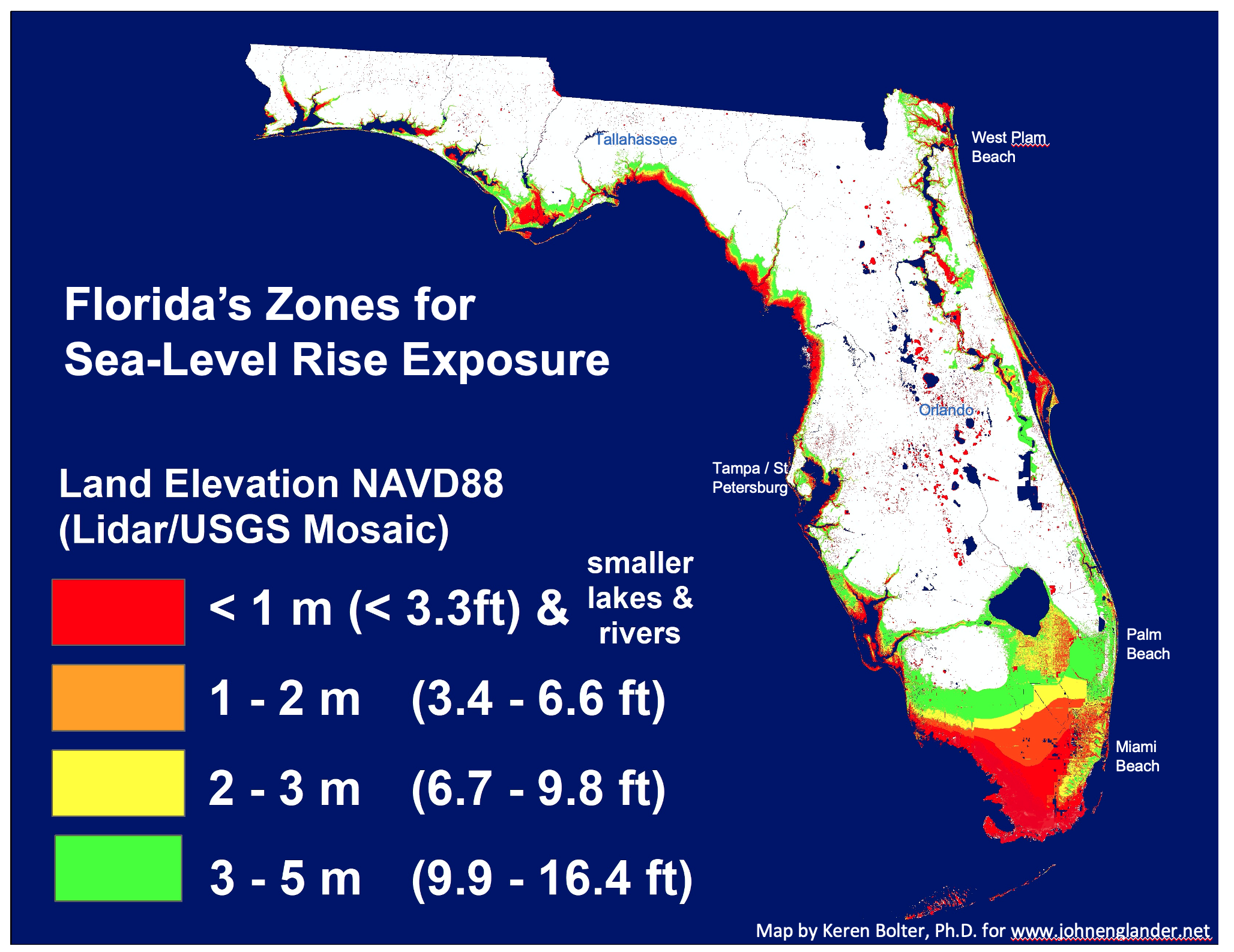
The most significant impact of Florida’s low elevation is its vulnerability to hurricanes and tropical storms. When these powerful weather systems make landfall, the low-lying coastal areas are prone to devastating storm surges and flooding. Understanding that much of the state is at or only a few feet above sea level is critical for anyone planning a trip during hurricane season (June 1 to November 30). Many hotels and resorts in coastal cities like Fort Lauderdale and Clearwater are built with hurricane preparedness in mind, but staying informed about weather advisories is paramount.
The Rise of Sea Levels: A Growing Concern
Globally, sea levels are rising, and Florida, with its minimal elevation, is on the front lines of this environmental challenge. Coastal communities are already experiencing increased tidal flooding, and the long-term implications for infrastructure, natural habitats, and the tourism industry are significant. This awareness influences planning for future development and the preservation of natural landmarks.
Planning Your Florida Adventure: Elevation-Conscious Travel
For the discerning traveler, a little knowledge about Florida’s elevation can enhance your trip, ensuring you make the most of its unique offerings while being mindful of its environmental context.
Choosing Your Base: From Coastal Retreats to Inland Havens
When selecting accommodations, consider the elevation of the area. For those seeking classic beach experiences, hotels and resorts along the coast will place you directly at the water’s edge. Think of the luxurious resorts on the Keys or the vibrant beachfront hotels in Daytona Beach.
For travelers who prefer to be slightly removed from the immediate coast or who are visiting for activities like theme parks, inland cities like Orlando or areas in the Panhandle offer slightly higher ground and different natural landscapes. Even a few extra feet of elevation can make a difference in terms of perceived distance from the ocean and susceptibility to minor tidal flooding during extreme weather.
Activities Shaped by Geography
The flatness and low elevation dictate many of Florida’s most popular activities. Cycling tours are popular, as the terrain is generally easy to navigate. Kayaking and paddleboarding are abundant, thanks to the extensive network of rivers, lakes, and coastal waters. Even hiking, while not involving dramatic ascents, offers gentle trails through pine forests and along the edges of wetlands. Visiting a natural spring, like those found in the central part of the state, provides a refreshing escape, and these springs are often nestled in areas with slightly more varied, though still low, elevations.

Packing and Preparedness: Practical Considerations
Given the prevalence of water and the potential for sudden weather changes, packing appropriately is essential. Light, breathable clothing is a must for the humid climate. Sun protection, including sunscreen, hats, and sunglasses, is non-negotiable due to the strong sun at low altitudes. For travel during hurricane season, staying informed about weather forecasts and having a flexible itinerary is a wise precaution. Understanding that you are in a low-elevation state means being prepared for both the sunshine and the potential for tropical weather.
In conclusion, while Florida may not boast towering mountains or dramatic canyons, its gentle, low-lying landscape is precisely what defines its unique charm and appeal. From the vibrant coastal cities to the serene wetlands, the state’s elevation, or lack thereof, is a constant, defining characteristic that shapes its environment, its culture, and the experiences of all who visit. Understanding how far above sea level Florida truly is provides a deeper appreciation for this captivating corner of the United States.
LifeOutOfTheBox is a participant in the Amazon Services LLC Associates Program, an affiliate advertising program designed to provide a means for sites to earn advertising fees by advertising and linking to Amazon.com. Amazon, the Amazon logo, AmazonSupply, and the AmazonSupply logo are trademarks of Amazon.com, Inc. or its affiliates. As an Amazon Associate we earn affiliate commissions from qualifying purchases.