
The question “How Far Is Alaska From Russia?” often conjures images of vast, icy expanses, seemingly insurmountable distances, and perhaps a faint echo of geopolitical tension. However, the astonishing truth is that the geographical gap between the United States and Russia at their closest point is incredibly narrow. It’s a proximity that defies expectations, revealing a unique corner of the world where history, culture, and nature converge in a spectacular fashion.
This article delves into the fascinating geography, rich history, and captivating natural beauty of the region connecting these two global powers. We’ll explore the exact distance, the unique islands that bridge continents, and the profound implications this proximity has had on the people and ecosystems of the far north. Beyond the immediate geography, we’ll journey into the myriad travel experiences Alaska offers, aligning with the diverse interests of travelers seeking adventure, cultural immersion, and breathtaking natural wonders.

The Unbelievable Proximity: A Geographical Marvel
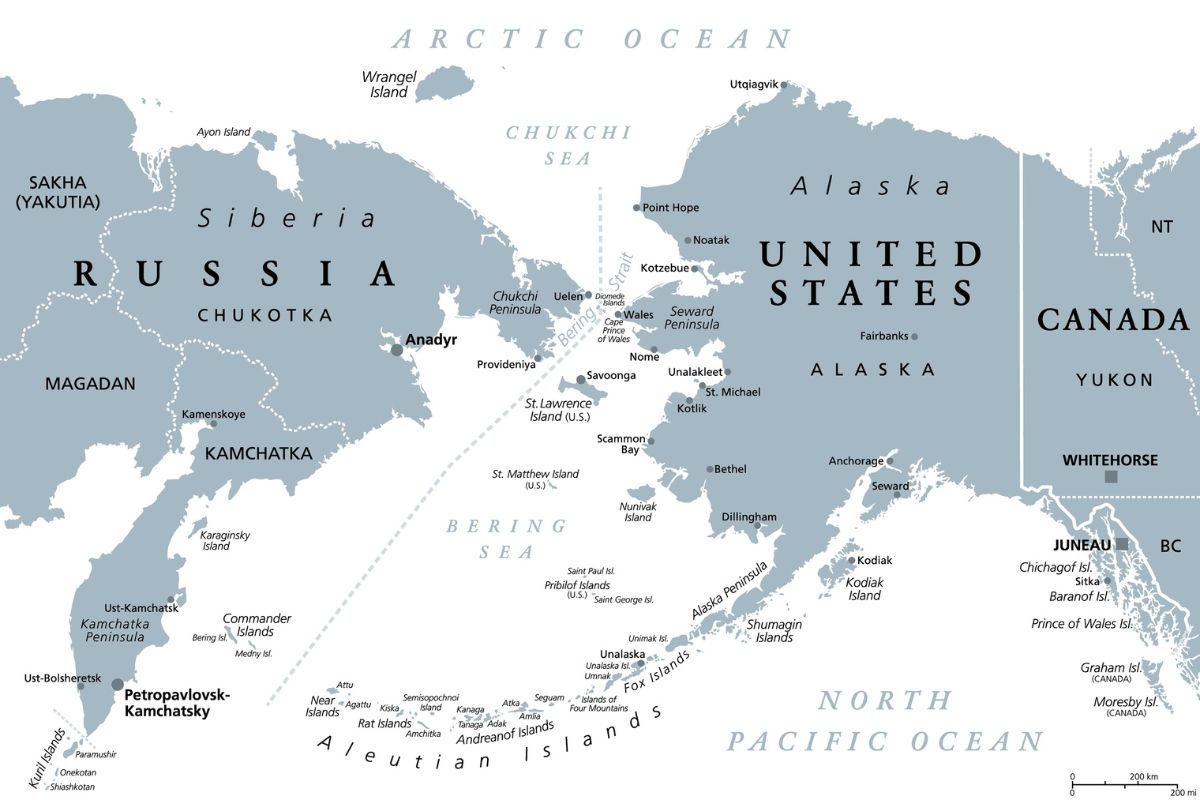
At its narrowest point, the distance between Alaska and Russia is a mere 55 miles (88 kilometers) across the Bering Strait. This seemingly small stretch of water, however, holds immense geographical and historical significance. It’s a place where two continents – North America and Asia – almost touch, separated by a unique island chain and an invisible line that divides both time and sovereignty.
The Bering Strait: A Narrow Divide
The Bering Strait is a narrow seaway connecting the Arctic Ocean to the north with the Pacific Ocean (specifically the Bering Sea) to the south. Averaging about 100 to 160 feet (30 to 50 meters) in depth, it’s a relatively shallow body of water that has played a crucial role in Earth’s geological and human history. During the last ice age, lower sea levels exposed a land bridge, known as the Bering Land Bridge, which facilitated the migration of early humans from Asia into the Americas. This ancient pathway is a testament to the dynamic nature of this region and its enduring legacy.
Today, the strait remains a vital migratory route for countless marine species and birds, while also serving as a natural boundary between two distinct political and cultural spheres. The landscape on both sides is characterized by vast, treeless tundra, permafrost, and a harsh, unforgiving climate, making human habitation a testament to resilience and adaptation. For travelers with an interest in extreme geography, the very existence of the Bering Strait is an attraction in itself, a frontier where the vastness of the world feels uniquely condensed.
The Diomede Islands: Bridging Continents
The most captivating aspect of the Alaska-Russia proximity lies in the Diomede Islands. These two small, rocky islands, named Big Diomede Island (Ostrov Ratmanova) and Little Diomede Island (Iqalliq), sit squarely in the middle of the Bering Strait.
- Little Diomede Island belongs to the United States (specifically Alaska) and is home to an indigenous Inupiat community. This remote village, accessible primarily by helicopter or small plane, thrives on subsistence hunting and fishing, a unique testament to traditional lifestyles in extreme conditions.
- Big Diomede Island belongs to Russia and is uninhabited, primarily serving as a military outpost.
The two islands are separated by a mere 2.4 miles (3.8 kilometers) of water. On a clear day, it is entirely possible to stand on Little Diomede Island and gaze across at Big Diomede Island – literally seeing Russia from Alaska. This incredibly close vantage point offers a tangible connection to what feels like a world away. The indigenous communities living in this region historically maintained strong familial and trade ties across the strait, a connection severed by modern geopolitical boundaries.
A Glimpse Across the International Date Line
Adding another layer of intrigue, the International Date Line passes directly between the Diomede Islands. This means that while Big Diomede Island is just a few miles from Little Diomede Island, it is also nearly a full day ahead in time. Locals sometimes refer to Big Diomede as “Tomorrow Island” and Little Diomede as “Yesterday Island.” This temporal divide accentuates the sense of stepping into another world, even as the landmasses remain in sight. For adventurous travelers, visiting the Diomede Islands represents a pilgrimage to one of the planet’s most unique geographical and chronological anomalies, offering unparalleled experiences of local culture and the raw power of nature.
A Rich Tapestry of History and Culture
The close proximity of Alaska and Russia has woven a complex tapestry of shared history and distinct cultural development. From ancient migrations to pivotal geopolitical events, the Bering Strait region has been a silent witness to millennia of human stories.
Indigenous Roots: Shared Heritage
Long before European explorers charted these waters, the indigenous peoples of the Bering Strait region thrived. Communities like the Yup’ik and Inupiat historically inhabited both sides of the strait, sharing languages, traditions, and a deep connection to the land and sea. Their survival in this harsh environment relied on expert hunting and fishing skills, passed down through generations. Evidence of this shared heritage is still visible today, from archaeological sites to traditional art forms and subsistence practices that persist despite modern borders. Visiting communities like those on Little Diomede Island or St. Lawrence Island provides a profound insight into a lifestyle deeply intertwined with the Arctic environment, offering a truly unique cultural experience for tourists. These living cultures represent a continuous link to the ancient Bering Land Bridge migrations, offering a glimpse into humanity’s earliest journeys across continents.
The Alaska Purchase: A Pivotal Moment
The most significant historical event directly linking Alaska and Russia is the Alaska Purchase of 1867. For centuries, Alaska was a Russian colony, first explored by Vitus Bering in the 18th century and later exploited for its rich fur trade. However, by the mid-19th century, the Russian Empire, under Tsar Alexander II, found its North American colony difficult to defend and economically burdensome, particularly after its defeat in the Crimean War.
On March 30, 1867, U.S. Secretary of State William H. Seward negotiated the purchase of Alaska from Russia for $7.2 million. Initially mocked as “Seward’s Folly,” the acquisition proved to be one of the most astute land deals in history, providing the United States with vast natural resources and a strategic foothold in the Arctic region. This transaction fundamentally reshaped the geopolitical landscape of the North Pacific and cemented the modern boundary that places Russia and Alaska at such a close, yet distinct, remove. Today, memorials and museums in Alaska, particularly in cities like Sitka, commemorate this fascinating period of Russian-American history.
Cold War Echoes and Modern Relations
During the Cold War, the Bering Strait became a highly sensitive frontier between the United States and the Soviet Union. The proximity of the Diomede Islands earned the nickname “Ice Curtain,” symbolizing the ideological and physical divide. Cross-strait travel and communication, once common for indigenous peoples, were severely restricted. After the fall of the Soviet Union, there was a brief period of optimism and cultural exchange, with some limited cross-border interactions resuming. However, current geopolitical realities mean that the strait remains a closely monitored boundary, with formal travel between the two sides virtually nonexistent for tourists. This modern context underscores the historical weight carried by this slender stretch of water, making the experience of gazing across from Alaska to Russia all the more poignant.
Nature’s Grandeur: Wildlife and Wilderness
Beyond its compelling geography and history, the Bering Strait region and the broader Alaskan wilderness are havens of unparalleled natural beauty and biodiversity. For those drawn to the wild, rugged landscapes and unique ecosystems, this region offers an unforgettable encounter with nature at its most pristine.
Untamed Landscapes of the Bering Strait Region
The land surrounding the Bering Strait is characterized by vast stretches of tundra, rugged coastlines, and dramatic cliffs. In Alaska, areas like the Bering Land Bridge National Preserve, near Nome and Kotzebue, protect significant geological formations, hot springs, and ancient archaeological sites. This landscape, shaped by wind, ice, and permafrost, offers a unique beauty for those who venture to its remote corners. Hiking, wildlife viewing, and understanding the delicate Arctic ecosystem are primary draws for ecotourists. The sheer isolation and untouched quality of the land provide a profound sense of connection to the planet’s wild heart.
Unique Marine Life and Migratory Birds
The waters of the Bering Strait are incredibly rich in marine life, serving as a critical habitat and migratory pathway for numerous species. Whales, including gray whales, bowhead whales, and beluga whales, navigate these waters annually, providing spectacular viewing opportunities for those on specialized wildlife tours. Seals, walruses, and polar bears are also inhabitants of this ecosystem, relying on the sea ice and abundant food sources.
The region is also a birdwatcher’s paradise, with millions of migratory birds passing through or breeding here. Species like puffins, murres, and various gulls nest on the towering cliffs of the Diomede Islands and other coastal areas, creating vibrant avian spectacles. Observing this dynamic wildlife in its natural habitat offers a truly immersive nature experience that showcases the resilience and interconnectedness of Arctic ecosystems.

Exploring the Alaskan Frontier
While direct travel across the Bering Strait to Russia is currently impractical for tourism, Alaska itself offers an incredible array of travel experiences that resonate with the spirit of exploration and wilderness found at its westernmost edge.
The Allure of Travel: Exploring Alaska Beyond the Proximity
Alaska is a destination for the intrepid, offering a blend of raw wilderness, rich history, and vibrant local cultures. Whether you’re drawn by the unique proximity to Russia or the boundless adventures within its borders, the Last Frontier promises unforgettable memories.
Visiting Alaska’s Western Edge
For travelers specifically interested in the Alaska-Russia connection, planning a trip to Western Alaska is an immersive experience.
Nome serves as a key hub for this region. This historic gold rush town, famous for being the finish line of the Iditarod Trail Sled Dog Race, offers flights to smaller, more remote communities. From Nome, charter flights or specialized tours can take you to villages in the vicinity of the Bering Strait, offering a chance to meet local Inupiat and Yup’ik communities. These trips require careful planning due to the extreme weather, limited infrastructure, and the need for respectful cultural engagement. Accommodation options in these remote areas are typically basic, ranging from local guesthouses to small inns, focusing more on authentic experience than luxury amenities.
Travel Restrictions and Opportunities
It’s important to reiterate that crossing the Bering Strait directly from Alaska to Russia is not a viable option for general tourism. The border is heavily regulated, and there are no regular ferry services or commercial flights connecting the two sides. Any attempts to cross illegally would result in serious legal consequences. However, the opportunity to stand on Alaskan soil and literally see Russia across the strait is a powerful, symbolic experience that draws curious travelers. The focus for tourism, therefore, remains squarely on the Alaskan side, which offers a lifetime of exploration.
Future Possibilities and Tourism Potential
While current geopolitical conditions make direct cross-strait tourism challenging, the historical and geographical significance of the Bering Strait continues to fuel discussions about future possibilities. Envisioning a day when a “Bering Strait Bridge” or tunnel could connect the continents remains a grand, if distant, dream. In the meantime, the unique allure of this frontier continues to attract travelers interested in extreme geography, indigenous cultures, and unparalleled wildlife viewing, primarily from the Alaskan side. The potential for responsible, culturally sensitive tourism in this fragile Arctic environment holds immense promise, offering visitors a chance to contribute to local economies and learn from resilient communities.
Planning Your Alaskan Adventure: Beyond the Proximity
While the close proximity to Russia is a fascinating aspect of Alaska, the state itself is a world-class destination brimming with diverse attractions and experiences. From majestic national parks to vibrant cities and thrilling adventures, Alaska caters to every type of traveler.
Top Alaskan Destinations
For those planning a trip to Alaska, the options are as vast as the landscape itself:
- Anchorage: Alaska’s largest city, offering urban amenities, museums, and easy access to outdoor activities. It’s a great base for starting your adventure.
- Juneau: The state capital, accessible only by air or sea, is famous for its surrounding glaciers like the Mendenhall Glacier and abundant wildlife.
- Fairbanks: Known as the “Golden Heart City,” Fairbanks is the prime location for viewing the Aurora Borealis (Northern Lights) in winter and experiencing the midnight sun in summer.
- Denali National Park: Home to Mount Denali, North America’s highest peak, this park offers incredible wildlife viewing (bears, moose, caribou) and breathtaking scenery. Activities include bus tours, hiking, and backcountry camping.
- Glacier Bay National Park & Kenai Fjords National Park: Perfect for cruise enthusiasts, these parks showcase massive tidewater glaciers, dramatic fjords, and abundant marine wildlife like whales and sea otters.
- Inside Passage: A popular cruise route that weaves through a labyrinth of islands, fjords, and coastal towns like Ketchikan, Sitka, and Skagway, each offering unique cultural and historical insights.
Accommodation Choices in the Last Frontier
Alaska offers a range of accommodation options to suit every budget and travel style. In major cities like Anchorage and Fairbanks, you’ll find everything from well-known hotel chains and luxury resorts to boutique guesthouses and cozy bed-and-breakfasts. For those venturing into more remote areas or national parks, wilderness lodges, cabins, and campgrounds provide rustic yet comfortable stays, often with breathtaking views and direct access to outdoor activities. Many travelers also opt for cruise ship accommodations when exploring coastal regions, offering a convenient way to see multiple landmarks without repeatedly packing and unpacking. Reviews and comparisons of various stays are readily available to help you find the perfect base for your Alaskan adventure.
Embracing the Alaskan Lifestyle
An Alaskan trip is more than just sightseeing; it’s an opportunity to embrace a unique lifestyle. Whether you’re indulging in fresh seafood, taking a scenic flight over glaciers, dog mushing, or fishing in the Yukon River, Alaska promises experiences unlike anywhere else. It’s a place where the wild reigns supreme, and human activity is often dictated by the rhythms of nature. Budget travel options are available for the adventurous, while luxury travel experiences, such as high-end wilderness lodges or private yacht charters in Prince William Sound, cater to those seeking premium comfort amidst the wilderness. Family trips can be incredibly rewarding, offering educational and exhilarating activities for all ages, from wildlife cruises to gold panning.
In conclusion, the question of “How Far Is Alaska From Russia?” unlocks a narrative far richer than a simple measurement. It reveals a world of geographical marvels, ancient migrations, pivotal historical moments, and a stunning natural environment. While the border between these two giants remains largely impenetrable for casual travel, Alaska itself stands as an open invitation for exploration, offering a profound connection to the very edge of two continents and an unforgettable journey into the heart of the Last Frontier.
LifeOutOfTheBox is a participant in the Amazon Services LLC Associates Program, an affiliate advertising program designed to provide a means for sites to earn advertising fees by advertising and linking to Amazon.com. Amazon, the Amazon logo, AmazonSupply, and the AmazonSupply logo are trademarks of Amazon.com, Inc. or its affiliates. As an Amazon Associate we earn affiliate commissions from qualifying purchases.