
The question “How far is Alaska to Russia?” sparks immediate intrigue, conjuring images of two vast, wild continents nearly touching across a frozen expanse. It’s a query that doesn’t just pertain to geographical distance but also hints at historical ties, unique cultures, and the incredible travel experiences awaiting those who venture to this remote corner of the world. For travelers seeking adventure, a deep dive into indigenous cultures, or simply a glimpse of the Arctic wilderness, the proximity of these two global giants offers an unparalleled journey.
The reality is that the gap between Alaska, a state of the United States, and the eastern edge of Russia, specifically its Siberia region, is remarkably small. This narrow stretch of water is known as the Bering Strait, a significant body of water connecting the Pacific Ocean and the Arctic Ocean. It’s a place where history, geography, and human resilience converge, offering a travel destination unlike any other. Whether you’re planning a rugged expedition, a cultural immersion, or simply dreaming of standing on the edge of two worlds, understanding this unique border is the first step towards an extraordinary adventure.
The Bering Strait: A Narrow Divide Between Continents
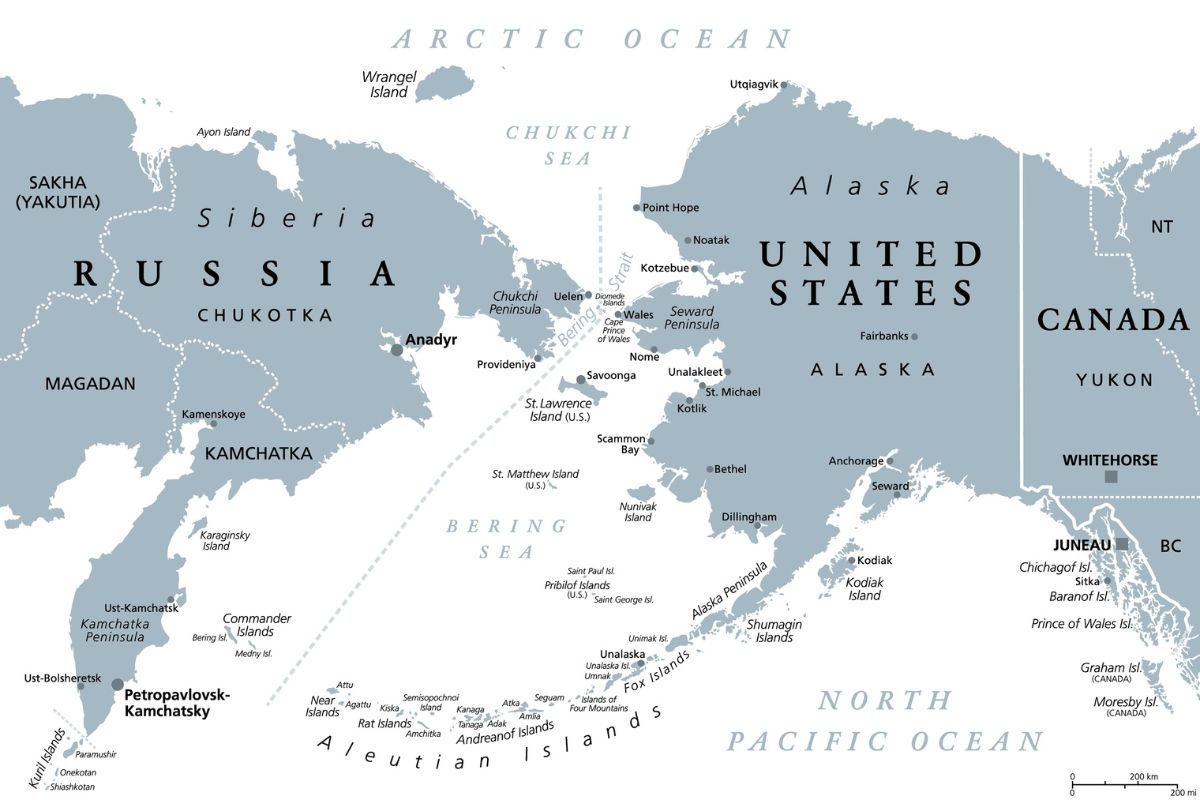
At its closest point, the mainland of Alaska and the mainland of Russia are approximately 55 miles (88 kilometers) apart. This short distance is traversed by the Bering Strait, a waterway that has played a pivotal role in global history and continues to be a frontier of natural wonder. However, the true marvel of proximity lies in the Diomede Islands. These two small, rocky islands sit squarely in the middle of the strait, serving as an actual visible bridge between the continents.
Big Diomede Island, also known as Ratmanov Island, belongs to Russia, while Little Diomede Island is part of the United States. The astonishing fact is that these two islands are separated by a mere 2.4 miles (3.8 kilometers) of water. From the shores of Little Diomede Island, one can clearly see Big Diomede Island, making it one of the few places on Earth where you can gaze directly from one continent to another. Adding to this geographical peculiarity, the International Date Line runs between the two islands. This means that Big Diomede Island is almost a full day ahead of Little Diomede Island, earning them the nicknames “Tomorrow Island” and “Yesterday Island.”
Historically, this narrow stretch of water was not always water. During the last ice age, sea levels were much lower, revealing the Bering Land Bridge, a vast expanse of land that connected Asia and North America. This land bridge was crucial for the migration of early humans and animals, shaping the demographics and ecosystems of both continents. Today, the Bering Strait remains an area of immense scientific interest, particularly concerning climate change and its impact on the Arctic environment. For the adventurous traveler, understanding this geographical and historical context adds layers of meaning to a journey to this remote frontier.
A Glimpse Across the Divide: Little Diomede Island, Alaska
To truly appreciate the proximity of Alaska to Russia, a visit to Little Diomede Island offers an unparalleled experience. This rugged island in the Bering Sea is home to the village of Diomede, the only permanent settlement on the island. The residents are primarily Inupiat people, whose ancestors have lived in this harsh yet bountiful environment for thousands of years. Their lifestyle is deeply rooted in subsistence hunting and fishing, maintaining ancient traditions in the face of modern challenges.
Life on Little Diomede Island is a testament to human resilience. The village clings to the side of a steep hill, with homes carved into the rock face. There are no roads, and access is primarily by air, weather permitting. During the winter, a unique “ice runway” is sometimes constructed on the frozen sea ice, allowing small planes to land. During the warmer months, helicopters or small boats provide the only link to the outside world, usually from Nome, Alaska.
For the intrepid traveler, a visit to Diomede offers an extraordinary cultural immersion. Activities often revolve around traditional Inupiat practices: observing skillful hunters, experiencing ice fishing, or simply marveling at the local artwork, particularly the intricate ivory carvings for which the island is famous. Birdwatching is also exceptional, with numerous species nesting on the island’s cliffs. Accommodation options are virtually non-existent in the traditional sense; visitors typically need to arrange homestays or expedition-style arrangements, emphasizing the island’s isolation and the need for meticulous planning. This journey is not about luxury resorts but about genuine connection to a unique way of life and an awe-inspiring view of Russia just miles away. It’s a profound experience that highlights the incredible adaptability of the Inupiat people and the raw beauty of the Arctic Circle.

Exploring Alaska’s Proximity to Russia: Destinations and Experiences
While Little Diomede Island offers the most direct visual link to Russia, exploring other parts of Alaska that are geographically close to the Bering Strait region provides a more accessible yet equally profound sense of this unique global crossroads. These destinations offer a blend of rich history, vibrant indigenous cultures, and breathtaking Arctic wilderness, catering to travelers seeking an authentic Alaskan adventure.
Nome: Gateway to the Bering Sea
Nome, a historic gold rush town located on the southern coast of the Seward Peninsula, serves as a crucial hub for exploring Western Alaska and the broader Bering Sea region. While not directly on the Bering Strait, its strategic location and historical significance make it an ideal starting point for understanding the region’s connection to Russia and the Arctic. The city is famously the finishing point of the iconic Iditarod Trail Sled Dog Race, an event that encapsulates the rugged spirit of Alaska.
Visitors to Nome can immerse themselves in its rich history by exploring remnants of the gold rush era, trying their hand at gold panning, or visiting local museums. The city also offers excellent opportunities for wildlife viewing, including bears, reindeer, and muskoxen in their natural habitats. Birdwatchers flock to Nome for its diverse avian population, particularly during migration seasons. The local Inupiat culture is strong here, with community events and art galleries showcasing traditional crafts.
Accommodation in Nome typically includes comfortable, locally-run hotels such as the Aurora Inn or the Nome Nugget Inn, offering a cozy base for exploring the region. These establishments provide essential amenities for travelers venturing into remote areas. For those interested in deeper immersion, local guides can arrange trips to smaller villages or guided tours focused on cultural exchange and wildlife photography. A trip to Nome is more than just a visit; it’s an embarkation point for truly understanding the vastness and cultural depth of Alaska’s western frontier, where the echoes of ancient migrations across the Bering Land Bridge are still palpable.
Arctic Adventures and Remote Expeditions
Beyond Nome, Alaska offers a plethora of Arctic adventures that bring travelers even closer to the Russian border, albeit indirectly. Specialized cruises and land-based tours cater to those seeking truly unique experiences in the high Arctic Circle. Expedition cruises often navigate the waters of the Bering Sea, sometimes circling St. Lawrence Island, which is culturally and geographically closer to Siberia than mainland Alaska. These cruises offer unparalleled opportunities for marine wildlife viewing, including walruses, seals, and various whale species, against a backdrop of dramatic ice formations.
For those preferring land-based exploration, communities further north, such as Kotzebue or Barrow (Utqiagvik), the northernmost city in the United States, serve as critical gateways to the Arctic Ocean. These remote outposts offer insights into traditional Inupiat life, adapted over millennia to extreme conditions. Travelers can learn about whaling traditions, experience dog sledding, or even witness the awe-inspiring phenomenon of the Northern Lights (Aurora Borealis) during the darker months.
Luxury expedition lodges like the hypothetical Arctic Explorer Lodge or specialized tour operators offering experiences such as a Bering Strait Cruise provide comfortable yet immersive ways to explore this pristine wilderness. These trips often focus on educational aspects, discussing climate change, the unique ecology of the Arctic, and the rich heritage of the indigenous communities. While direct crossings to Russia are highly restricted, these Alaskan adventures provide a profound sense of standing at the edge of the world, connected to another continent by history, shared environments, and a mere sliver of water.
The Russian Far East: A Parallel Wilderness
To truly grasp the concept of “how far is Alaska to Russia,” it’s essential to briefly consider the other side of the Bering Strait: the Russian Far East. This vast and sparsely populated region mirrors Alaska in its rugged beauty, extreme climate, and rich indigenous heritage. Big Diomede Island (Ratmanov Island), lying just across from its American counterpart, is a military base and largely inaccessible to tourists, symbolizing the historical tensions of the Cold War era between the USA and the Soviet Union (USSR).
The main region on the Russian side closest to Alaska is the Chukotka Autonomous Okrug (often simply called Chukotka). Its capital, Anadyr, is a remote city that serves as a logistical hub for the region. Travel to Chukotka is highly restricted, requiring special permits and often facilitated through specialized tour operators. This makes it an even more exclusive and challenging destination than Alaska’s remote regions.
Despite the challenges, Chukotka offers a pristine wilderness experience, home to unique indigenous cultures like the Chukchi and Yupik peoples, who share linguistic and cultural ties with some Alaska Native groups. The landscape is characterized by vast tundras, volcanic fields, and a stunning coastline teeming with wildlife such as walruses, seals, polar bears, and numerous bird species. While most travelers will experience the proximity of Russia from the Alaskan side, understanding the parallel natural beauty and cultural richness of the Russian Far East enhances the appreciation for this unique geographical boundary. It underscores how closely linked these two distant lands truly are, not just by distance but by shared ecosystems and human history.

Bridging Continents: Travel Tips and Considerations
Embarking on a journey to the edge of the Bering Strait is an undertaking that requires careful planning and a spirit of adventure. This is not your typical resort vacation; it’s an immersive experience in one of the world’s last true wildernesses, offering a unique blend of natural beauty, cultural depth, and historical significance.
Planning Your Trip to Alaska’s Bering Strait Region
- Best Time to Visit: The summer months (June to August) offer the mildest weather, longer daylight hours, and the best opportunities for wildlife viewing, hiking, and accessing remote areas. However, winter (November to March) provides unique experiences like dog sledding, snowmobiling, and witnessing the Northern Lights (Aurora Borealis), though access can be more challenging.
- Logistics and Transportation: Your journey will likely begin with a flight to major Alaskan cities like Anchorage or Fairbanks. From there, you’ll take connecting flights to regional hubs such as Nome or Kotzebue. Travel to even more remote villages, like Diomede, often requires charter flights or specialized air services, which are highly dependent on weather conditions.
- Budgeting: Remote travel in Alaska can be expensive due to the logistics involved. Factor in costs for flights, specialized tours, and potentially higher prices for goods and services in isolated communities. Consider a budget travel approach by looking for deals on early bookings or off-season visits, but be prepared for limited options.
- Accommodation: While major cities offer a range of hotels, from budget-friendly options to more luxurious stays, accommodation in remote areas is typically limited to guesthouses, small inns like the Aurora Inn, or rustic lodges. For places like Little Diomede Island, homestays might be the only option, requiring prior arrangement. Booking well in advance is crucial, especially during peak season. Reviews and comparisons from previous travelers can be invaluable in selecting the right fit.
- Guides and Tours: For safety and to enhance your experience, especially in wilderness areas or remote cultural sites, hiring local guides or joining organized tours is highly recommended. They provide invaluable expertise, cultural insights, and ensure responsible travel practices.
Cultural Immersion and Responsible Tourism
Visiting Alaska‘s Bering Strait region offers a unique opportunity to engage with Alaska Native cultures. Respecting local customs, traditions, and the environment is paramount. Always ask for permission before taking photographs of people, learn a few phrases of the local language if possible, and be mindful of your impact on these delicate ecosystems. Indulge in local cuisine, which often features fresh seafood, wild game, and native berries, offering a true taste of the Arctic. Consider supporting local artisans by purchasing authentic crafts, which helps sustain these communities.
Safety and Preparedness
The Alaskan wilderness is beautiful but unforgiving. Be prepared for rapidly changing weather conditions, even in summer. Pack layers of clothing, waterproof gear, and sturdy footwear. Familiarize yourself with wildlife safety protocols, especially concerning bears. Emergency services can be hours away in remote areas, so travel with a well-stocked first-aid kit and consider carrying a satellite communication device. Awareness of your surroundings and preparedness are key to a safe and enjoyable journey.
Conclusion
The question “How far is Alaska to Russia?” is answered not just in miles, but in the incredible tapestry of experiences woven into this unique geographical frontier. From the astonishing 2.4-mile gap between the Diomede Islands in the Bering Strait to the vibrant indigenous cultures of Nome and Little Diomede Island, this region offers a travel adventure unlike any other. It’s a place where history, spanning from the ancient Bering Land Bridge migrations to the Cold War tensions of the USA and the Soviet Union (USSR), comes alive.
Whether you’re embarking on a remote expedition cruise through the Bering Sea, seeking to observe the majestic Northern Lights (Aurora Borealis) near the Arctic Circle, or simply immersing yourself in the traditions of the Inupiat people, the proximity of these two continents creates a powerful sense of wonder. Traveling to this part of Alaska is a profound journey into a raw, untamed landscape, offering rich cultural immersion, breathtaking natural beauty, and the unparalleled thrill of standing on the edge of two worlds. It is a testament to the adventurous spirit, inviting travelers to explore the furthest reaches of the globe and discover the enduring connections that bridge continents.
LifeOutOfTheBox is a participant in the Amazon Services LLC Associates Program, an affiliate advertising program designed to provide a means for sites to earn advertising fees by advertising and linking to Amazon.com. Amazon, the Amazon logo, AmazonSupply, and the AmazonSupply logo are trademarks of Amazon.com, Inc. or its affiliates. As an Amazon Associate we earn affiliate commissions from qualifying purchases.