
The allure of Florida is undeniable, beckoning travelers with its sun-drenched beaches, vibrant theme parks, and rich cultural tapestry. But for many, the initial question isn’t about what to do in the Sunshine State, but rather, how to get there. Understanding your distance from Florida is the crucial first step in planning any memorable trip. This guide will demystify the geographical considerations, offering insights into travel times and strategies based on your starting point, whether you’re embarking on a domestic journey or an international expedition.
Understanding Your Starting Point: A Global Perspective
The “how far” question is inherently relative. Your proximity to Florida is dictated by your current location on the globe. This section will explore common starting points and the general travel implications, laying the groundwork for more detailed planning.
Domestic Departures: The United States
For residents of the United States, the distance to Florida varies dramatically.
East Coast Proximity
Travelers on the East Coast will find themselves geographically closest. Cities like New York City, Boston, and Washington D.C. are a relatively short flight or a manageable drive away. Flights to major Florida hubs like Orlando International Airport (MCO), Miami International Airport (MIA), and Tampa International Airport (TPA) are frequent and often budget-friendly, typically ranging from 2 to 4 hours. For those who prefer a road trip, driving from these locations can take anywhere from 12 to 20 hours, making it a viable option for those with more time or a desire to see more of the United States.
Midwest and Southern Reach
From the Midwest, such as cities like Chicago or Atlanta, flights to Florida are still a primary mode of transport, with durations usually between 2.5 to 4 hours. The driving distance increases significantly, potentially requiring 15 to 25 hours. Travelers from the Southern United States, particularly states bordering Florida like Georgia and Alabama, will find the shortest driving times, often under 10 hours to reach the northern parts of the state.
West Coast Distances
For those on the West Coast, such as Los Angeles or San Francisco, the distance is considerably greater. Non-stop flights to Florida are essential for minimizing travel time, typically lasting around 5 to 6 hours. Driving is generally not a practical option for a typical vacation due to the cross-country journey spanning over 40 hours, requiring multiple days and overnight stays.
International Journeys: Beyond U.S. Borders
The “how far” question takes on a different dimension when approaching Florida from outside the United States.
Caribbean and Latin America Proximity
Islands in the Caribbean and nations in Latin America enjoy a significant geographical advantage. Many destinations, like The Bahamas, Cuba, and parts of Mexico, are a short flight away, often less than 2 hours to reach cities like Miami or Fort Lauderdale. This proximity makes Florida a popular and accessible destination for residents of these regions, offering a quick escape to a different cultural and environmental landscape.
Europe’s Extended Reach
From Europe, Florida represents a trans-Atlantic journey. Flights from major European capitals like London, Paris, and Madrid typically range from 8 to 10 hours for non-stop services to Miami or Orlando. These flights are a significant commitment, and travelers often plan for longer stays to maximize the value of their journey. The time difference also plays a role, requiring an adjustment period upon arrival.
Asian and Australian Distances
Travelers from Asia and Australia face the longest distances to reach Florida. Journeys from cities like Tokyo, Beijing, or Sydney invariably involve multiple flight segments and considerable travel time, often exceeding 20 hours of actual flight time, plus layovers. These are typically long-haul trips, planned well in advance and often combined with travel to other parts of the United States.
Factors Influencing Travel Time
Beyond the raw geographical distance, several factors can influence how long it actually takes to reach Florida. Understanding these elements is crucial for accurate trip planning and managing expectations.
Mode of Transportation
The primary determinant of travel time is your chosen method of reaching Florida.
Air Travel: The Dominant Choice
For most international travelers and a significant portion of domestic travelers, air travel is the most practical and time-efficient option. Flight durations are influenced by direct routes versus layovers. A direct flight from New York City to Orlando is far quicker than a journey with a stopover in Atlanta. Airlines like Delta Air Lines, American Airlines, and Southwest Airlines offer extensive networks connecting Florida to the world. Remember to factor in time for getting to the airport, check-in, security, boarding, and deplaning, which can add several hours to your overall travel day.
Road Travel: For the Adventurous
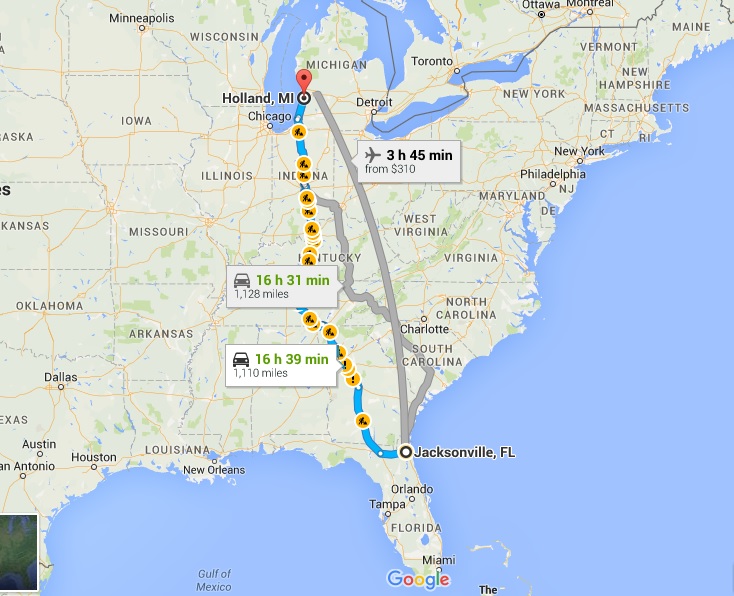
Driving to Florida offers flexibility and the opportunity to see more of the country, but it significantly increases travel time. The distance can be calculated using online mapping tools such as Google Maps or Waze. Drivers must account for traffic, road conditions, rest stops, and overnight accommodation. For longer drives, breaking the journey into segments is essential for safety and comfort. Major interstate highways like I-95 and I-75 are the primary arteries leading into and through Florida.
Rail and Sea Travel: Niche Options
While less common for reaching Florida from distant locations, rail and sea travel are options. Amtrak offers passenger train services to various Florida cities, but these are typically much slower than flying and often involve multiple transfers. Cruise ships are a popular way to arrive in Florida as part of a larger itinerary, originating from ports like Miami or Port Canaveral. This method is more about the journey itself than simply reaching a destination quickly.
Time of Year and Day
The season and time of day can also indirectly affect your perceived distance and travel experience.
Peak Seasons and Congestion
During peak travel times, such as spring break, summer holidays, and the winter months when snowbirds flock south, airports and highways can be significantly more congested. This can lead to longer queues, potential flight delays, and slower driving speeds. Booking flights and accommodation well in advance is crucial during these periods to secure preferred options and potentially better prices.
Time Zones
Florida observes Eastern Standard Time (EST) and Eastern Daylight Time (EDT). When traveling from western time zones, such as the Pacific Time Zone, you will experience a time difference that effectively makes the day feel shorter upon arrival. Conversely, traveling eastward means you gain time. This time difference can impact your sense of how much of a “day’s travel” you have undertaken.
Calculating Your Specific Distance
To get a precise answer to “How far am I from Florida?”, you need to use specific tools and consider your exact starting point.
Online Mapping and Flight Search Engines
Utilizing online resources is the most efficient way to determine your travel time.
Flight Time Calculators
Websites like Google Flights, Skyscanner, and individual airline websites allow you to enter your departure city and desired Florida airport to see available flights and their estimated durations. These tools are invaluable for comparing options and identifying the quickest routes.
Driving Distance Calculators
For those planning a road trip, websites like Google Maps or dedicated driving distance calculators can provide precise mileage and estimated driving times. These tools also offer route options, traffic information, and points of interest along the way, such as national parks or historical sites.
Considering Your Destination within Florida
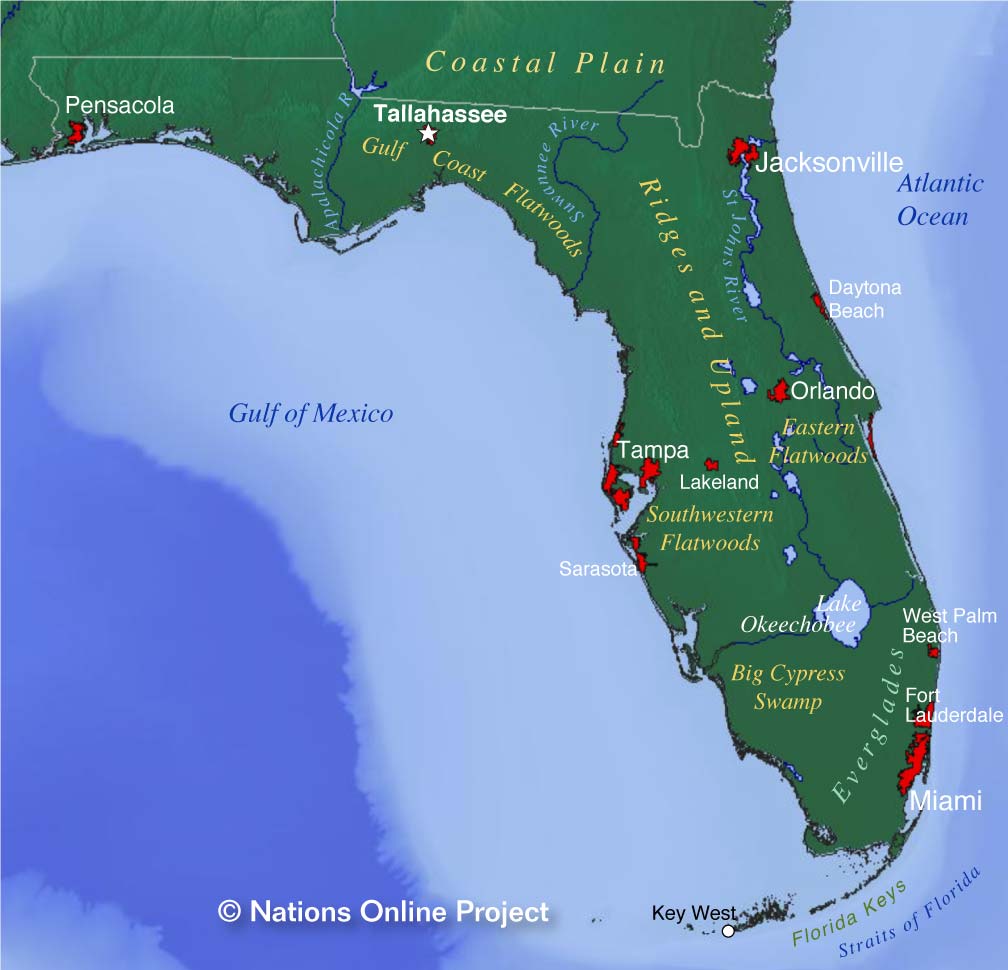
It’s also important to remember that Florida is a large state. Your distance to Miami on the southeastern tip will be different from your distance to Pensacola in the Panhandle.
Major Florida Airports as Hubs
When calculating flight times, consider which major airport serves your intended destination best. Orlando International Airport is ideal for theme park enthusiasts, while Miami International Airport is closer to the Florida Keys and the vibrant South Beach scene. Tampa International Airport serves the west coast, including attractions like Busch Gardens Tampa Bay.
Driving Distances within the State
If driving, the final leg of your journey into Florida and to your specific accommodation, whether it’s a hotel in Clearwater or a villa near Disney World, will add to your total travel time.
Planning Your Florida Adventure: Bridging the Distance
Knowing how far you are from Florida is the first step in transforming a travel aspiration into a concrete plan. This understanding allows for informed decisions about transportation, budget, and the overall pace of your trip.
Budgeting for Travel Time
The distance directly impacts your travel budget. Longer journeys often translate to higher airfare, more fuel costs, and potentially the need for overnight stays during road trips.
Airfare Considerations
For long-haul flights, booking in advance and being flexible with travel dates can often secure lower fares. Exploring budget airlines might also be an option, though it’s important to factor in any additional fees for baggage or seat selection.
Road Trip Expenses
For road trips, consider fuel costs, tolls, accommodation, and meals. Planning a route with affordable stopovers can significantly reduce overall expenses.
Maximizing Your Time in Florida
Once you’ve accounted for the travel time to Florida, you can better allocate your time for experiencing its diverse attractions.
Structuring Your Itinerary
If you have limited time, focusing on one region of Florida might be more beneficial than trying to see the entire state. For instance, a short trip could focus on the theme parks of Orlando or the beaches of Clearwater. Longer trips allow for exploration of different areas, such as the natural beauty of the Everglades National Park or the historical charm of St. Augustine.
Dealing with Jet Lag
For travelers coming from distant time zones, the time difference can be a factor. Planning a more relaxed first day upon arrival can help you adjust and make the most of your stay. Staying hydrated and adjusting your sleep schedule gradually can also ease the transition.
Ultimately, the question of “How far am I from Florida?” is a gateway to exciting travel possibilities. By understanding your starting point, considering the various modes of transportation, and utilizing available resources, you can accurately gauge your distance and embark on a well-planned and unforgettable journey to the Sunshine State.
LifeOutOfTheBox is a participant in the Amazon Services LLC Associates Program, an affiliate advertising program designed to provide a means for sites to earn advertising fees by advertising and linking to Amazon.com. Amazon, the Amazon logo, AmazonSupply, and the AmazonSupply logo are trademarks of Amazon.com, Inc. or its affiliates. As an Amazon Associate we earn affiliate commissions from qualifying purchases.