
The allure of the Sunshine State is undeniable, drawing millions annually with its pristine beaches, vibrant cities, and world-class attractions. Whether you’re dreaming of a Miami getaway, a Walt Disney World adventure, or a serene escape to the Florida Keys, the first step is often crossing that invisible boundary: the Florida state line. Determining your exact distance from this pivotal point is crucial for effective travel planning, influencing everything from your mode of transport to your packing list. This guide delves into how to pinpoint your proximity, strategize your journey, and what to expect as you enter this beloved destination.
Pinpointing Your Proximity to the Sunshine State
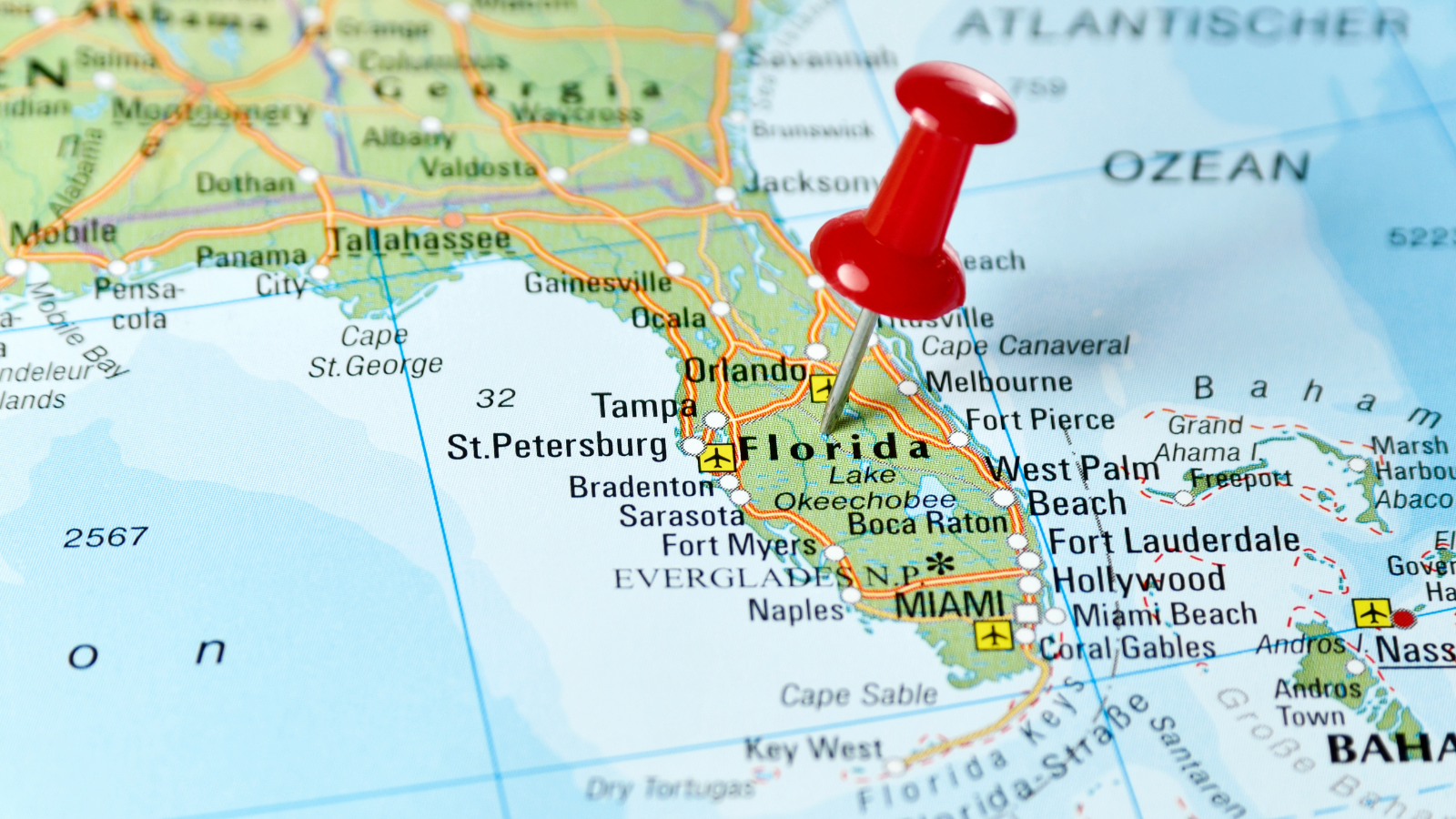
Understanding your current distance from the Florida border is the foundational step in any travel endeavor to the state. Florida shares its northern border primarily with Georgia and Alabama, extending west towards the Gulf of Mexico. The exact mileage, therefore, depends entirely on your starting location within the United States or beyond.
Utilizing Modern Navigation Tools
In today’s connected world, determining your distance is remarkably straightforward.
- GPS Devices and Smartphone Apps: Services like Google Maps, Apple Maps, or Waze are invaluable. Simply input your current location and set Florida as your destination. For a precise calculation to the border, you might enter a specific border town, such as Folkston, Georgia, if approaching from the northeast towards Jacksonville, or Flomaton, Alabama, if aiming for Pensacola in the panhandle. These tools provide real-time distance, estimated travel time, and often account for current traffic conditions.
- Online Mapping Services: Websites dedicated to route planning offer similar functionalities, often with the added benefit of customizable routes and detailed turn-by-turn directions. They can also show you alternative routes, perhaps opting for scenic drives over speed.
- Mile Markers: If you are already on the road and approaching Florida, state highway signs will typically indicate the distance to the state line as you get closer, especially on major interstates like Interstate 75, Interstate 95, and Interstate 10.
Understanding the Florida Border
The Florida border is extensive and varied. From the Atlantic coast, the state line begins southwest of St. Marys, Georgia, and extends westward. It follows a largely straight line until it meets the Apilachicola River, then proceeds westward along the 31st parallel north to the Perdido River, which forms the border with Alabama before emptying into the Gulf of Mexico. This means your approach could be from various points across Georgia or Alabama, each offering different immediate entry experiences. Knowing which border crossing you’re targeting helps narrow down your distance calculation.
Strategic Planning for Your Florida Journey
Once you’ve determined your approximate distance, the next phase involves meticulous planning to ensure a smooth and enjoyable trip. Strategic considerations around transport, timing, and costs are paramount.
Choosing Your Mode of Transport
Your distance from the Florida line will heavily influence the most practical mode of travel.
- Driving: For those within a 1-2 day drive (roughly 500-1000 miles), a road trip is often the preferred choice. It offers flexibility, the ability to carry more luggage, and the freedom to explore at your own pace. Crossing the Florida line by car is a classic experience, often marked by welcome signs and a noticeable change in vegetation.
- Flying: If you’re coming from significant distances (e.g., the Northeast, Midwest, or West Coast of the United States), flying is the most time-efficient option. Major airports like Orlando International Airport (MCO), Miami International Airport (MIA), and Tampa International Airport (TPA) serve as primary gateways, allowing you to bypass the long drive to the state line entirely and land directly near your ultimate destination.
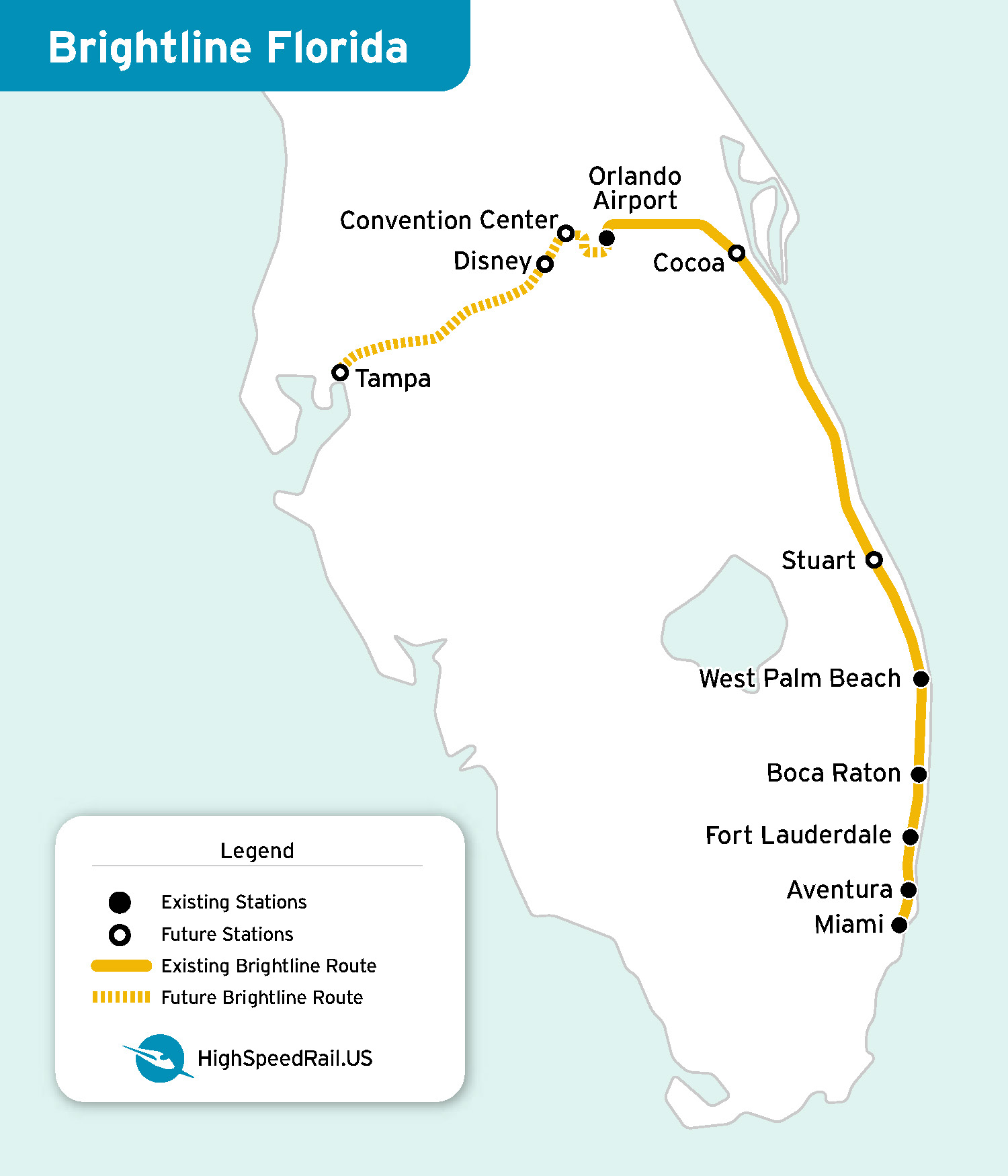
- Train or Bus: Amtrak offers routes into Florida, typically serving major cities. Bus services also connect Florida to various points across the U.S.. These options are generally more budget-friendly but involve longer travel times compared to flying.
Estimating Travel Time and Costs
Beyond raw distance, consider the time and financial investment.
- Time: A 500-mile drive can take 8-10 hours, excluding stops, while a 1,000-mile journey will require an overnight stop. Factor in rest breaks, meals, and potential traffic delays. Flying, conversely, can get you across the country in a matter of hours, though airport check-ins and security add to the total travel time.
- Costs: Driving costs include fuel, potential tolls (especially in Florida), and possibly an overnight hotel stay. Flying involves airfare, baggage fees, and potentially rental car costs upon arrival. Factor in these variables to make an informed decision that aligns with your budget and schedule.
Essential Road Trip Considerations
For those embarking on a road trip to cross the Florida line:
- Vehicle Maintenance: Ensure your vehicle is in top condition. Check tires, oil, fluids, and brakes.
- Emergency Kit: Pack roadside emergency essentials, including jumper cables, a first-aid kit, water, and snacks.
- Entertainment: Long stretches of highway can be monotonous. Prepare playlists, podcasts, audiobooks, or travel games.
- Route Planning: While GPS is helpful, having a general understanding of your route, including potential detours or points of interest, can enhance the journey.
- Accommodation Along the Way: If your drive spans more than a day, book an overnight stay in advance, especially during peak travel seasons.
Gateway Cities and Initial Florida Experiences
Crossing the Florida line is more than just a geographical transition; it’s an entry into a distinct culture and climate. Depending on where you cross, your immediate surroundings and initial experiences will vary.
Entering from the North: Panhandle Delights
If you’re driving from Alabama or western Georgia, you’ll likely enter Florida via the Panhandle.
- Pensacola: One of the first major cities you might encounter, Pensacola is steeped in history, boasting beautiful Gulf Coast beaches and a vibrant downtown. It’s an excellent stop for those interested in naval aviation (home to the Blue Angels and the National Naval Aviation Museum).
- Tallahassee: As Florida’s capital, Tallahassee offers a blend of history, politics, and natural beauty. It’s a key entry point for those approaching from central Georgia via Interstate 10 and is home to Florida State University.
East Coast Crossings: Jacksonville and Beyond
For travelers coming down the Atlantic Seaboard via Interstate 95, Jacksonville is your first major Florida city.
- Jacksonville: This sprawling city is Florida’s largest by land area and offers extensive riverfront activities, a burgeoning culinary scene, and nearby beaches like Jacksonville Beach and Ponte Vedra Beach. It serves as a gateway to the historic St. Augustine to the south.
West Coast Approaches: Naples, Fort Myers
While not direct border crossings, cities like Naples and Fort Myers serve as primary destinations for travelers flying into Southwest Florida International Airport (RSW) or driving south through the peninsula from central Florida. These areas are known for their luxurious amenities, beautiful Gulf beaches, and proximity to the Everglades.
Beyond the Line: What Awaits in Florida
Once you’ve successfully navigated your way to and across the Florida line, a world of diverse experiences unfolds. Knowing what awaits can further enhance your travel excitement and help fine-tune your itinerary.
Coastal Wonders and Beaches
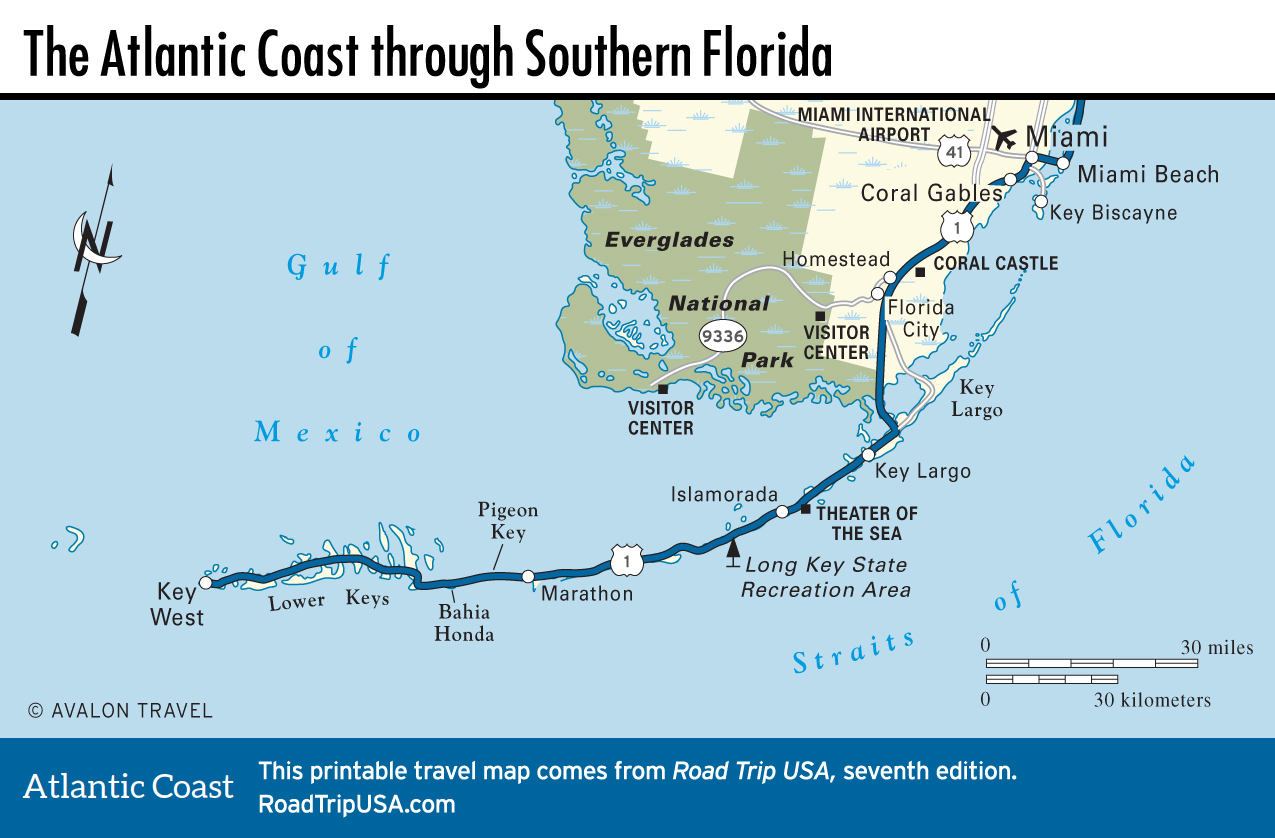
Florida boasts over 1,350 miles of coastline, with distinct personalities on its Atlantic and Gulf sides. From the soft, white sands of Siesta Key Beach on the Gulf to the surfing waves of Cocoa Beach on the Atlantic, there’s a beach for every preference. The Florida Keys offer a unique island chain experience, perfect for diving, fishing, and relaxed exploration.
Theme Parks and Family Fun
No discussion of Florida travel is complete without mentioning its world-renowned theme parks. Orlando is the epicenter, home to Walt Disney World Resort, Universal Orlando Resort, and SeaWorld Orlando. These parks offer endless entertainment, making Central Florida a top destination for families and thrill-seekers alike.
Nature and Outdoor Adventures
Beyond the manufactured magic, Florida’s natural landscapes are breathtaking. The Everglades National Park provides an unparalleled opportunity to explore a unique ecosystem, home to alligators, panthers, and diverse birdlife. Spring-fed rivers like the Ichetucknee and Silver River are ideal for tubing, kayaking, and encountering manatees. Additionally, state parks throughout North Florida, Central Florida, and South Florida offer hiking, camping, and wildlife viewing opportunities.
Whether your journey to the Florida line is a short hop or a cross-country expedition, understanding your distance and planning accordingly will set the stage for an unforgettable experience in this vibrant state. The destination truly begins the moment you start envisioning that journey.
LifeOutOfTheBox is a participant in the Amazon Services LLC Associates Program, an affiliate advertising program designed to provide a means for sites to earn advertising fees by advertising and linking to Amazon.com. Amazon, the Amazon logo, AmazonSupply, and the AmazonSupply logo are trademarks of Amazon.com, Inc. or its affiliates. As an Amazon Associate we earn affiliate commissions from qualifying purchases.