
The journey from Atlanta to Chicago is a significant trek across the American landscape, traversing diverse terrains and offering a spectrum of travel experiences. Whether you’re considering a scenic road trip, a swift flight, or a comfortable train ride, understanding the distance and the associated travel times is crucial for effective planning. This guide delves into the specifics of this inter-city passage, exploring the primary modes of transport, the practicalities of each, and what you can expect as you journey north from the heart of Georgia to the vibrant metropolis of Illinois.
The Direct Distance and Driving Routes
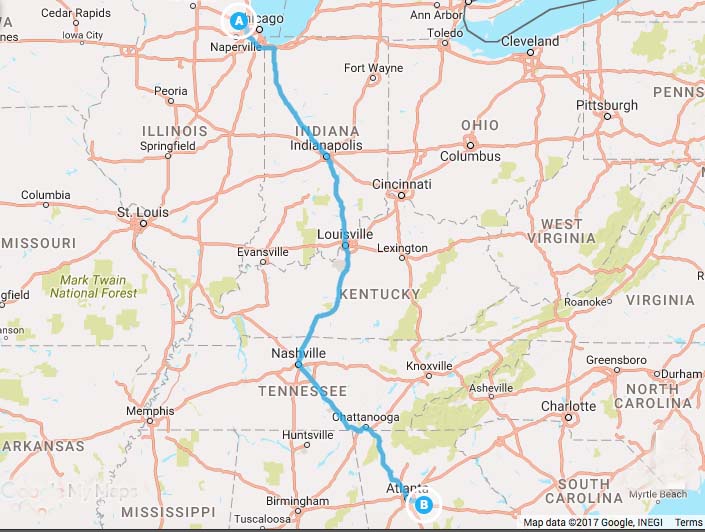
The most direct distance between Atlanta and Chicago is approximately 715 miles (about 1,150 kilometers) when measured as the crow flies. However, the actual driving distance is slightly longer due to the necessity of following established roadways. The most common and efficient driving route typically covers around 770 miles (approximately 1,240 kilometers).
Navigating the Interstate Highways
The primary highway route connecting these two major cities primarily utilizes Interstate 75 North (I-75 N) and Interstate 65 North (I-65 N). The journey begins by heading north on I-75 from Atlanta, passing through cities like Chattanooga in Tennessee and Louisville in Kentucky. At or near Indianapolis, Indiana, you would typically transition to I-65 North, which will take you directly into Chicago.
Estimated Driving Time and Considerations
Under ideal conditions, with minimal traffic and efficient stops, the estimated driving time between Atlanta and Chicago is between 11 and 13 hours. However, it is strongly recommended to break this journey into at least a two-day trip for safety and enjoyment. Factors that can significantly impact travel time include:
- Traffic Congestion: Major metropolitan areas along the route, such as Nashville, Indianapolis, and Chicago itself, can experience substantial traffic delays, especially during peak commuting hours, holidays, and weekends.
- Road Construction: Construction projects are common on major interstates and can lead to significant slowdowns and detours. It is advisable to check real-time traffic conditions using GPS navigation apps before and during your trip.
- Weather Conditions: Depending on the season, drivers may encounter a range of weather phenomena. Winter driving, particularly through Kentucky and Indiana, can present challenges with snow, ice, and reduced visibility. Summer months can bring thunderstorms and heavy rain.
- Fuel and Rest Stops: While the route is well-serviced, planning for fuel stops and breaks is essential. Long stretches between services can occur, especially in more rural areas. Regular stops are also critical for driver fatigue management.
A two-day itinerary would typically involve driving approximately 5-6 hours per day, allowing for overnight stays in a city like Louisville or Indianapolis. This approach not only enhances safety but also provides opportunities to explore points of interest along the way.
The Speed of Air Travel
For those prioritizing speed and efficiency, air travel is the most practical option for covering the distance between Atlanta and Chicago. The flight time itself is relatively short, making it a popular choice for business travelers and those with limited vacation time.
Flight Durations and Airports
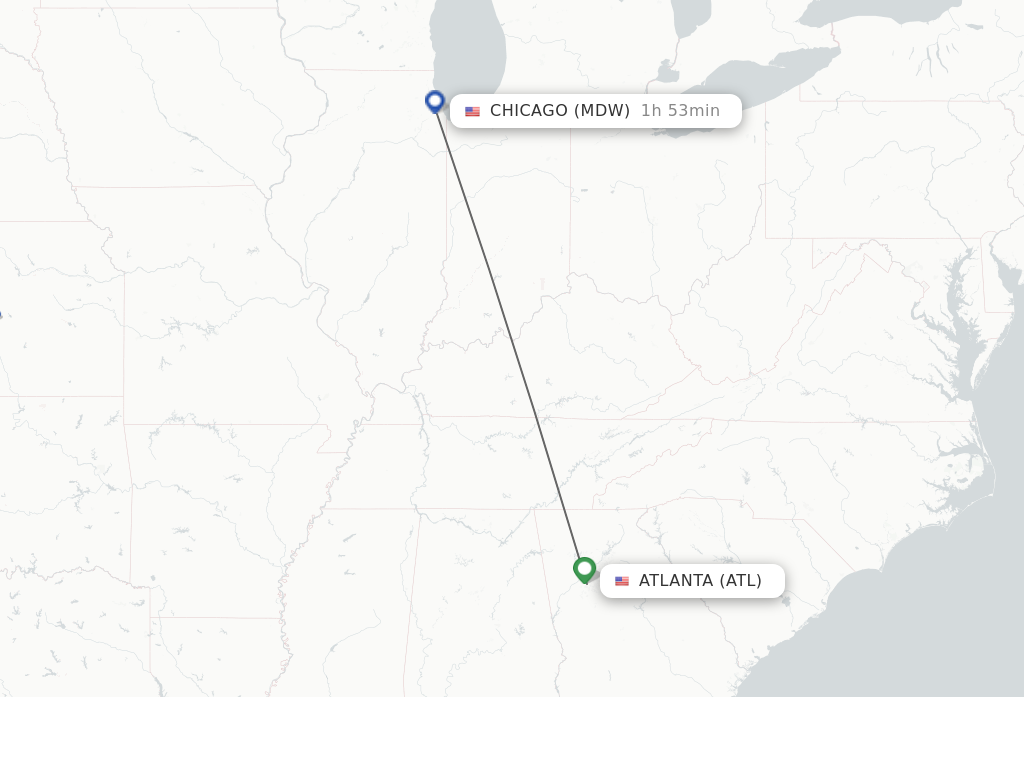
Direct flights between Atlanta’s Hartsfield-Jackson Atlanta International Airport (ATL) and Chicago’s O’Hare International Airport (ORD) or Chicago Midway International Airport (MDW) typically range from approximately 1 hour and 45 minutes to 2 hours and 15 minutes. This duration can vary slightly depending on wind conditions and specific flight paths.
Total Travel Time: Beyond the Flight
While the airborne portion of the journey is brief, it’s crucial to account for the total time involved in air travel. This includes:
- Travel to the Airport: Getting to Hartsfield-Jackson Atlanta International Airport from your starting point in Atlanta, which can take 30 minutes to over an hour depending on traffic and location.
- Airport Procedures: Arriving at the airport at least two hours prior to departure for domestic flights is recommended to allow ample time for check-in, baggage drop, and security screening.
- Boarding and Taxiing: Time spent waiting to board the aircraft and taxiing on the runway before takeoff.
- Deplaning and Baggage Claim: Time to exit the aircraft upon arrival and collect any checked luggage at your destination airport.
- Travel from the Airport: Journeying from O’Hare International Airport or Midway International Airport to your final destination in Chicago.
When all these factors are combined, the total door-to-door travel time for flying can often range from 5 to 8 hours, which is still significantly faster than driving, especially for those who do not wish to make a multi-day road trip.
The Scenic Rail Journey
For a more relaxed and potentially scenic experience, traveling by train between Atlanta and Chicago is an option, though it is considerably longer than flying or driving. Amtrak operates routes that connect these two cities, though often with a change of trains or a longer transit time compared to direct routes.
Amtrak Routes and Stations
The primary Amtrak route that connects Atlanta to Chicago is the Crescent route, which travels north from New Orleans to New York City. Passengers traveling from Atlanta would board the Crescent and ride it north, typically to Washington D.C., where they would then transfer to another train, such as the Capitol Limited or the Lake Shore Limited, that heads west to Chicago. Alternatively, a direct route is not typically available.
The departure and arrival stations are:
- Atlanta: Atlanta Amtrak Station (sometimes referred to as Peachtree Station).
- Chicago: Chicago Union Station.
Travel Time and Experience on the Rails
The train journey from Atlanta to Chicago is a significant undertaking, with total travel times typically ranging from 20 to 28 hours, depending on the specific route and connections. This extended duration offers a stark contrast to the swiftness of air travel but presents a unique travel experience.
Benefits of train travel include:
- Comfort and Space: Train cars generally offer more legroom and the ability to move around compared to airplanes. Sleeper car options are available for overnight journeys, providing private accommodations.
- Scenery: The train route passes through varied landscapes, offering views of rural America, small towns, and natural scenery that might be missed from a highway or airplane.
- Reduced Stress: For many, train travel is a more relaxed and less stressful way to journey, avoiding the hassles of airport security and driving in heavy traffic. Passengers can read, work, or simply enjoy the ride.
- Environmental Considerations: Train travel is often considered a more environmentally friendly option than flying, especially for longer distances.
However, the extended travel time is a significant consideration. This option is best suited for travelers who have ample time, appreciate the journey itself, and are looking for a more leisurely mode of transport. Booking in advance is highly recommended, especially for sleeper accommodations.
Choosing Your Path: Factors to Consider
The distance between Atlanta and Chicago is a manageable one, but the optimal way to traverse it depends entirely on individual priorities, time constraints, and budget.
Time vs. Experience
- For Maximum Efficiency: If your primary goal is to reach Chicago as quickly as possible, flying is the undisputed winner. Even with airport procedures, it offers the fastest door-to-door transit.
- For the Journey Itself: If you view travel as an integral part of your experience and value comfort, scenery, and a more relaxed pace, driving or taking the train are excellent alternatives. A road trip allows for spontaneous stops and exploration, while train travel offers a distinct, unhurried perspective on the country.
Cost Considerations
- Flights: Airfare prices fluctuate significantly based on booking time, airline, and season. While often the fastest, it can sometimes be the most expensive option, especially for last-minute bookings or during peak travel periods. Factor in the cost of getting to and from airports and any checked baggage fees.
- Driving: The cost of a road trip is largely determined by fuel prices, vehicle wear and tear, and accommodation expenses. For families or groups, driving can become more cost-effective per person than flying, especially when factoring in the flexibility to pack more and avoid baggage fees. Tolls are also a factor on certain parts of the route.
- Train: Amtrak tickets can vary widely. Standard coach seats are generally more affordable than flights, especially when booked in advance. However, the cost of sleeper accommodations can rival or exceed airfare. The upside is that meals are often included with sleeper fares, and there are no baggage restrictions as stringent as with airlines.
Personal Preferences and Practicalities
- Flexibility: Driving offers the highest degree of flexibility. You can depart on your own schedule, stop whenever and wherever you choose, and easily transport large amounts of luggage or specific equipment.
- Comfort: For those who dislike flying or the demands of long-distance driving, the train offers a comfortable alternative where you can relax and let someone else handle the navigation and operational aspects.
- Companions: Traveling with children or pets might make driving a more practical choice due to the ability to control the environment and make frequent stops.
- Luggage: If you have a significant amount of luggage, driving or taking the train is generally more accommodating than flying, where baggage allowances and fees can be restrictive.
Ultimately, the question of “How far is Atlanta to Chicago?” is answered not just by miles, but by the journey you choose to undertake. Each mode of transport offers a unique perspective on the approximately 770 miles that separate these two vibrant American cities, allowing travelers to tailor their passage to their specific needs and desires.
LifeOutOfTheBox is a participant in the Amazon Services LLC Associates Program, an affiliate advertising program designed to provide a means for sites to earn advertising fees by advertising and linking to Amazon.com. Amazon, the Amazon logo, AmazonSupply, and the AmazonSupply logo are trademarks of Amazon.com, Inc. or its affiliates. As an Amazon Associate we earn affiliate commissions from qualifying purchases.