
Determining how far away Los Angeles is depends entirely on your starting point, your preferred mode of transit, and your perspective on geography. As one of the most significant hubs in the United States, this sprawling metropolis serves as a gateway to the Pacific Ocean and a cultural beacon for millions of travelers. Whether you are contemplating a cross-country trek, a swift flight, or a road trip across the California landscape, understanding the distance to this destination is the first step in crafting an unforgettable journey.
Navigating the Physical Distance
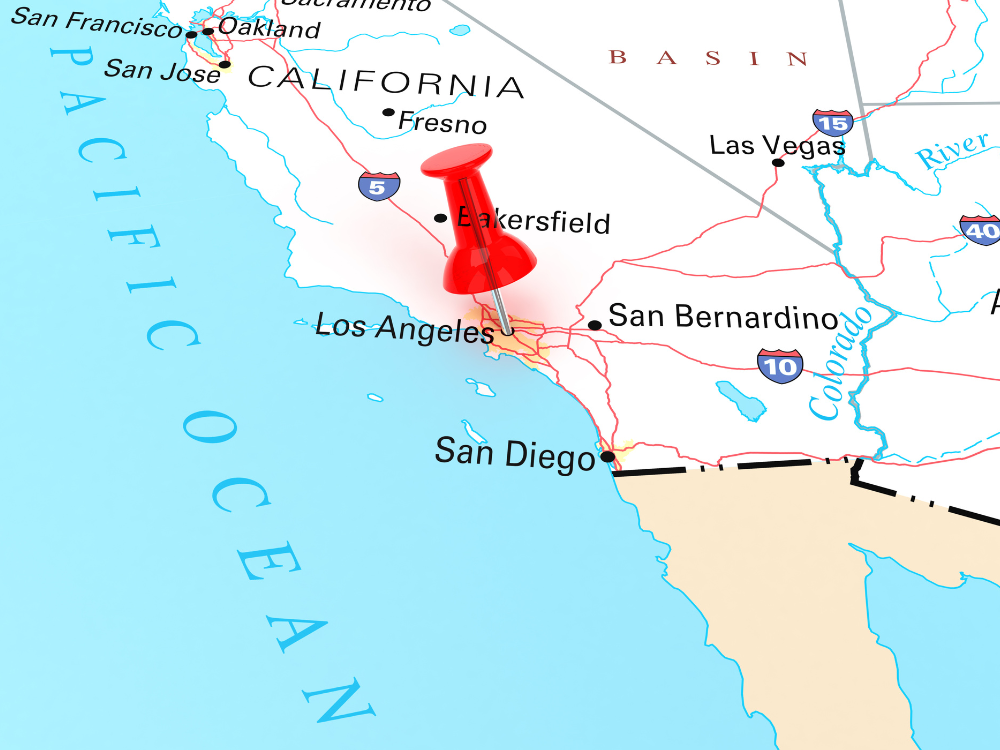
The physical distance to Los Angeles is a variable metric. For those arriving from international destinations, the distance is measured in flight hours and time zones. For those within the North American continent, the journey is often quantified in miles or kilometers driven along the interstate system.
Air Travel and Global Connectivity
If you are traveling from New York City, you are looking at a cross-continental flight of approximately 2,450 miles, typically spanning five to six hours in the air. This aerial perspective makes the vast expanse of the country feel manageable. International travelers coming from London or Tokyo will experience much longer journeys, often lasting upwards of 10 to 11 hours. Los Angeles International Airport acts as the primary threshold for these travelers, situated conveniently near the coast to welcome visitors from across the globe.
The Road Trip Experience
Driving to Los Angeles is a rite of passage for many. From Chicago, the journey along the historic paths once traveled by pioneers covers roughly 2,000 miles. This is not merely a measurement of distance but a test of endurance and an opportunity to witness the shifting terrains of the American West. Drivers must account for the expansive deserts of Nevada or the mountainous beauty of the Rocky Mountains depending on their route. While the odometer might register thousands of miles, the change in scenery provides a psychological shortening of the distance.
Assessing Distance Through Travel Time
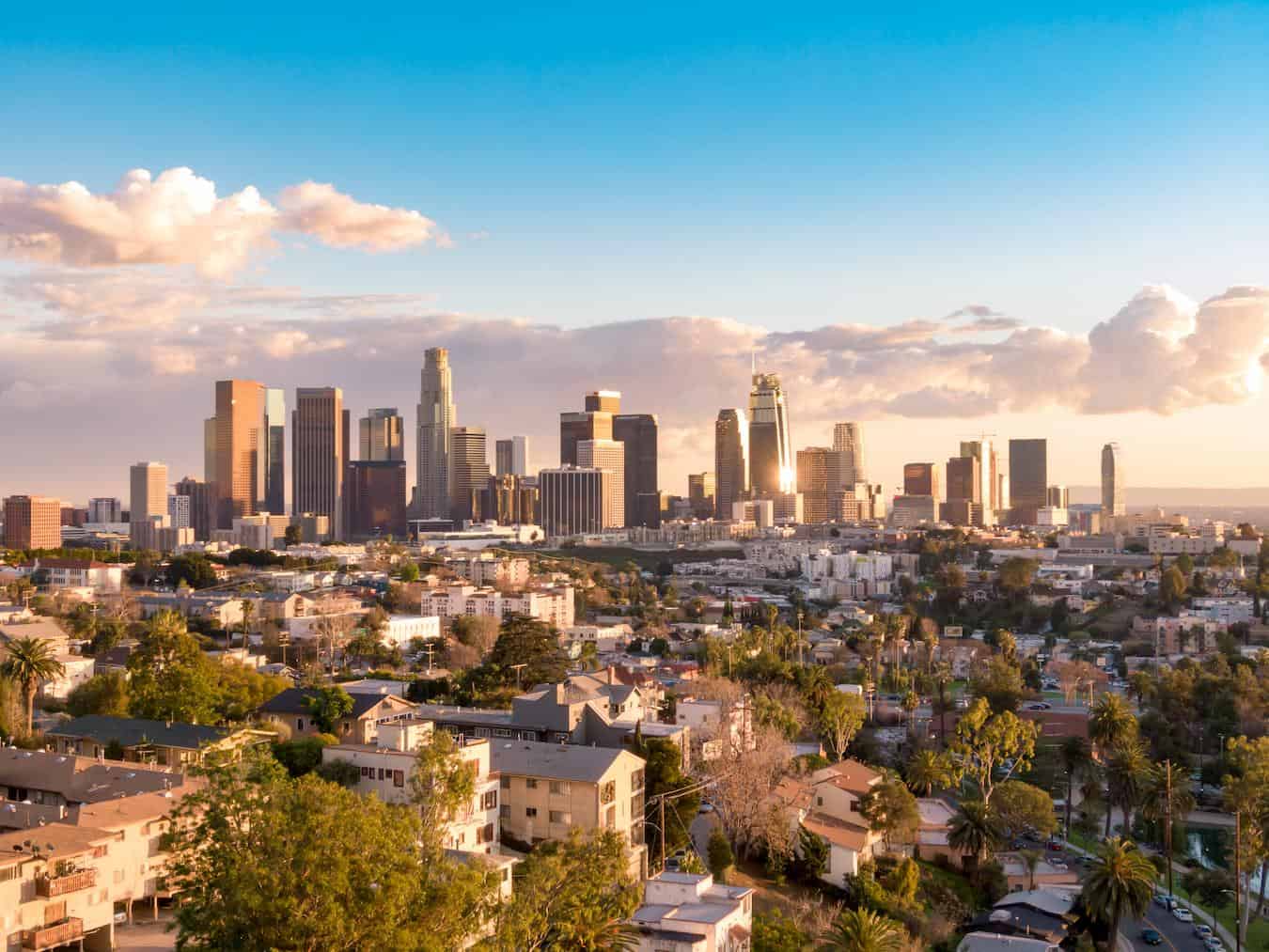
In a city defined by its massive urban sprawl, “distance” is often synonymous with “time.” Locals and seasoned visitors know that Los Angeles cannot be measured by miles alone; one must account for the intricacies of urban transit and the famous traffic patterns that define the region.
The Myth of Proximity
When planning an itinerary, many travelers assume that Santa Monica and Hollywood are essentially neighbors. While they are geographically close—roughly 10 to 15 miles apart—the commute between them can vary wildly based on the time of day. During peak hours, that short distance can transform into an hour-long odyssey. To truly understand how far away things are in this city, you must adopt the local habit of gauging distances by minutes rather than miles.

Strategic Base Selection
Choosing where to stay is vital to minimizing your perceived distance. If your goal is to experience the coastal lifestyle of Malibu, staying in Downtown Los Angeles puts you at a significant disadvantage. By selecting accommodation closer to your primary points of interest, you effectively reduce the “distance” of your trip, allowing for more time spent at landmarks like the Griffith Observatory or the iconic Hollywood Sign rather than sitting on a freeway.
Geographic Context and Regional Reach
To understand the distance to Los Angeles, one must look at its position within the broader Southern California region. The city acts as the anchor for a massive network of neighboring counties and attractions that feel like extensions of the city itself.
Distance to Coastal Treasures
Many visitors arrive with the intent of seeing the entire coastline. San Diego sits approximately 120 miles to the south, a scenic drive that follows the curves of the Pacific Coast Highway. Similarly, Santa Barbara lies about 95 miles to the north. These neighboring hubs are close enough for day trips, yet far enough to offer a distinct change in pace from the urban energy of the core city.
The Gateway to Natural Wonders
The distance to natural attractions is equally important for the adventurous traveler. A trip from Los Angeles to Joshua Tree National Park takes about two and a half to three hours, transporting you from the metropolitan buzz to the quiet, arid majesty of the high desert. For those heading toward Death Valley National Park, the journey is significantly longer, requiring four to five hours of travel. Measuring the distance to these parks reveals that Los Angeles is not just an urban center; it is a central station from which the vast, diverse geography of the Western United States becomes accessible.
Planning Your Journey
Ultimately, how far away Los Angeles is depends on your preparation. Whether you are flying into John Wayne Airport in Orange County or driving in from Arizona, the distance becomes irrelevant once you engage with the vibrant culture of the city.
Practical Tips for Distance Management
- Use Public Transit: The Los Angeles Metro system is expanding, making long distances across the city more manageable without the stress of driving.
- Prioritize Clusters: Group your activities by neighborhood. Visit Beverly Hills and West Hollywood on the same day to minimize travel time.
- Respect the Scale: Accept that Los Angeles is a “city of cities.” You will likely need to commit to some travel time to see everything from the Getty Center to the Venice Beach Boardwalk.
By shifting your perspective, you will find that no matter where you are starting from, the distance to Los Angeles is always worth the reward. The city’s unique ability to blend the ocean breeze with urban sophistication makes every mile traversed a meaningful part of your travel story. Whether you are traveling for a long weekend or a month-long exploration, the distance is simply the price of admission to one of the world’s most dynamic destinations.
LifeOutOfTheBox is a participant in the Amazon Services LLC Associates Program, an affiliate advertising program designed to provide a means for sites to earn advertising fees by advertising and linking to Amazon.com. Amazon, the Amazon logo, AmazonSupply, and the AmazonSupply logo are trademarks of Amazon.com, Inc. or its affiliates. As an Amazon Associate we earn affiliate commissions from qualifying purchases.