
For those seeking the quintessential American wilderness, the question of “how far away is Montana” is less about mileage and more about the shift in pace. Nestled in the northwestern United States, this state represents the rugged spirit of the American West. Known as “Big Sky Country,” it is a land where the horizons stretch endlessly, and the concept of distance is eclipsed by the sheer scale of the landscape. Whether you are planning a cross-country road trip or a focused aerial descent into the heart of the Rocky Mountains, understanding the logistics of travel to this majestic state is the first step toward an unforgettable adventure.

The Geography of Getting There: Major Gateways and Transit
Understanding the distance to Montana requires looking at it through the lens of air travel and regional connectivity. Because the state encompasses over 147,000 square miles, your “distance” depends entirely on your specific destination.
Aerial Gateways
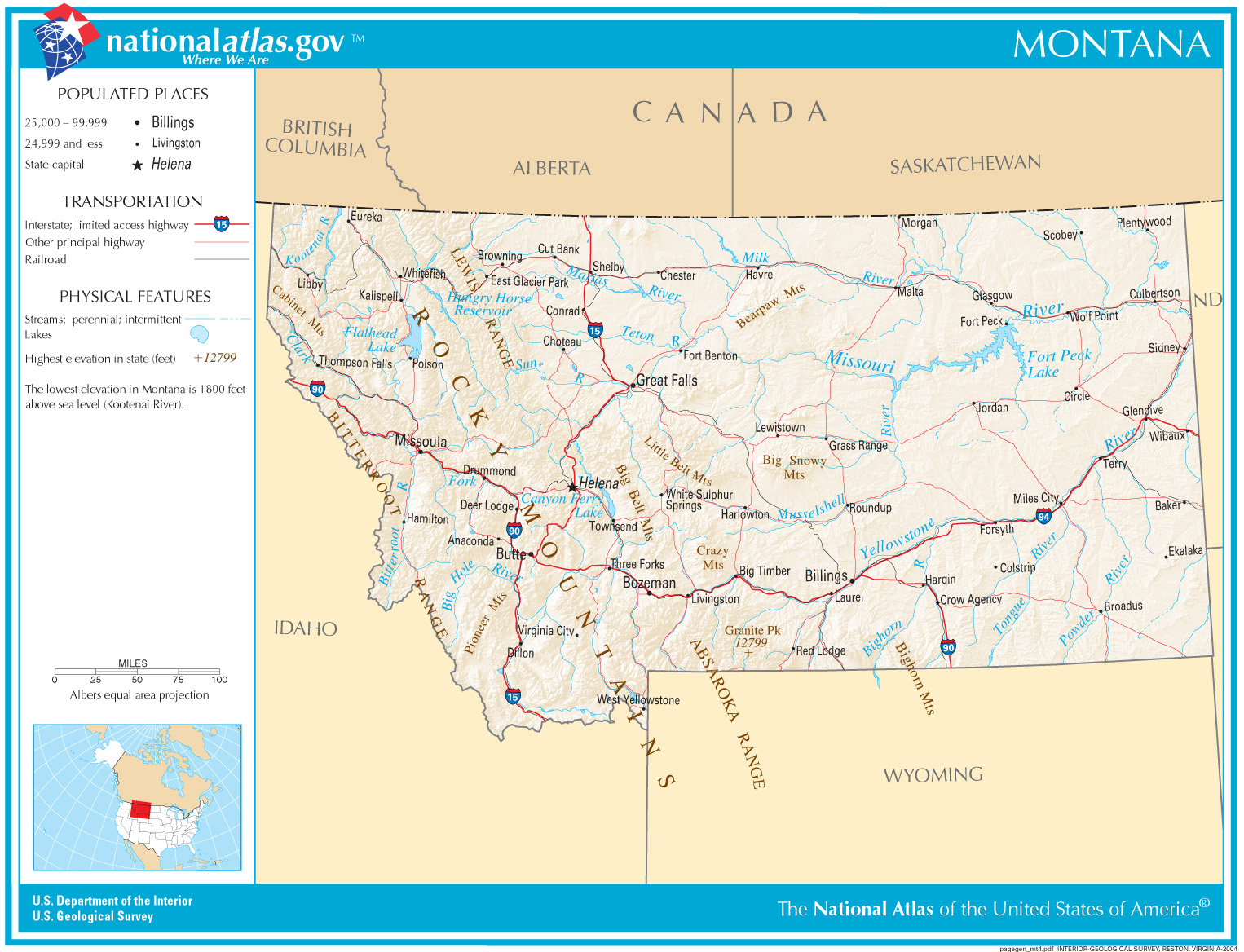
Most travelers find their entry point via one of the state’s primary airports. Bozeman Yellowstone International Airport serves as the most popular hub, particularly for those looking to reach Yellowstone National Park or the upscale slopes of Big Sky Resort. Alternatively, Missoula Montana Airport offers proximity to the scenic Bitterroot Valley, while Glacier Park International Airport in Kalispell acts as the gateway to the northern wilderness.
Navigating the Road Miles
If you are driving, the distance is significant. From the Pacific Northwest, Seattle to Missoula is roughly a seven-to-eight-hour drive across the dramatic mountain passes of Idaho. Coming from the Midwest, the drive is an exercise in endurance, as the vast plains of North Dakota give way to the rising elevation of the Rockies. Unlike the densely packed corridors of the East Coast, Montana travel requires careful fuel planning and an appreciation for the long, open road.
Regional Travel: The “Big Sky” Experience
Once you have arrived, the “distance” takes on a new meaning. Travel within the state is measured in hours, not minutes, and the distances between major attractions are intentional parts of the experience.
The Western Corridor
The western portion of the state is characterized by jagged peaks and alpine forests. Here, you can traverse from the vibrant town of Whitefish down toward the historic streets of Helena. The drive along the Rocky Mountain Front offers some of the most spectacular scenery in the lower 48 states. Travelers often underestimate the time required to navigate these winding mountain passes, especially during the shoulder seasons when weather can change the pace of your journey significantly.
Central and Eastern Plains
As you head east, the landscape flattens into high plains and badlands. The distance from the mountains to the town of Billings—the state’s largest city—is roughly three hours of rolling golden hills. Here, you find the historic sites of the Little Bighorn Battlefield National Monument. Exploring this region feels like stepping back into the era of the American frontier, where the sheer emptiness of the space is a luxury few other places can offer.
Strategic Planning for the Montana Traveler
Because of the distances involved, efficiency in travel planning is paramount. The goal is to spend less time behind the wheel and more time in the wilderness.
The Best Time to Visit
The “distance” can feel much further during the winter months, when heavy snow can make traversing mountain passes like Logan Pass impossible for much of the year. For the average traveler, the window between late June and mid-September offers the most accessibility. During this period, the road to Going-to-the-Sun Road is fully open, allowing for a seamless passage through the heart of Glacier National Park.
Packing for the Scale
When your itinerary involves moving across a state the size of Montana, preparation is key. Because you may find yourself hours away from the nearest full-service city, it is advisable to:
- Carry Emergency Supplies: Even in summer, mountain weather is volatile.
- Download Offline Maps: Cellular service is frequently non-existent in the remote canyons and valleys.
- Plan Fuel Stops: In many parts of the state, gas stations are spaced 50 to 100 miles apart.
The “Slow Travel” Philosophy
The ultimate answer to “how far away is Montana” is that it is exactly as far as you need it to be to leave your daily stresses behind. Instead of rushing between Bozeman, Livingston, and Gardiner, consider choosing a base camp. By staying in one region—such as the Paradise Valley—you allow yourself the time to explore the hidden rivers, hiking trails, and local culture that define the state’s character.
The Cultural Impact of Distance
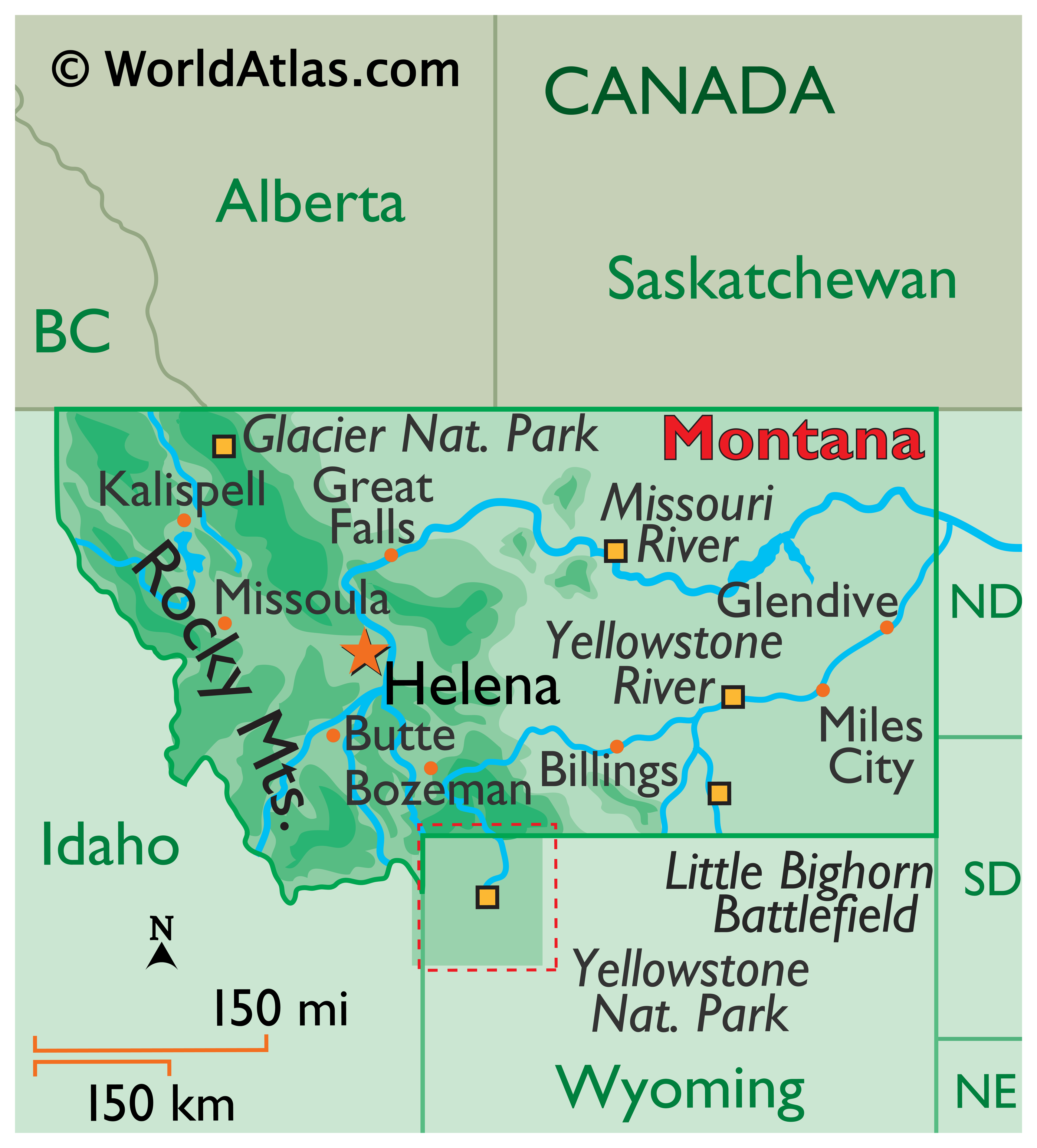
The spatial expanse of Montana has profoundly shaped its people and its lifestyle. Unlike urban centers where proximity is measured by density, here, community is defined by resilience and self-sufficiency. This is a place where neighbors are often miles away, fostering a culture of hospitality that is warm and genuine.
When you visit, you are not just traversing a state; you are crossing into a different philosophy of time. The distances—which may look intimidating on a map—are the very things that preserve the state’s integrity. They keep the crowds at bay and ensure that the Missouri River remains quiet and the silence of the Bob Marshall Wilderness remains absolute.
For the modern traveler, Montana serves as a reminder of what the world looks like when the human footprint is small. While the airports and highways provide the path to get there, the “true” distance is the internal journey you take as you let go of the frantic pace of city life. Whether you are trekking the Continental Divide or simply enjoying a sunset over the Beartooth Mountains, the miles traveled are quickly forgotten in the presence of such overwhelming natural majesty. By respecting the scale of this place and planning your trip with the rhythm of the land in mind, you will find that Montana is never too far—it is exactly where it needs to be.
LifeOutOfTheBox is a participant in the Amazon Services LLC Associates Program, an affiliate advertising program designed to provide a means for sites to earn advertising fees by advertising and linking to Amazon.com. Amazon, the Amazon logo, AmazonSupply, and the AmazonSupply logo are trademarks of Amazon.com, Inc. or its affiliates. As an Amazon Associate we earn affiliate commissions from qualifying purchases.