
Understanding the Distance to the Big Apple
The question “How far away is New York City?” is deceptively simple, yet its answer is as multifaceted as the city itself. Distance isn’t merely measured in miles or kilometers; it’s also a function of time, mode of transport, and even the traveler’s perspective. For many, New York City represents an iconic aspiration, a cultural epicenter, and a global hub. Its perceived distance can vary dramatically depending on whether you’re contemplating a weekend getaway from Boston or an intercontinental journey from Tokyo. This exploration delves into the various dimensions of distance to New York City, offering insights for every potential visitor.

Geographic Coordinates and Direct Measurement
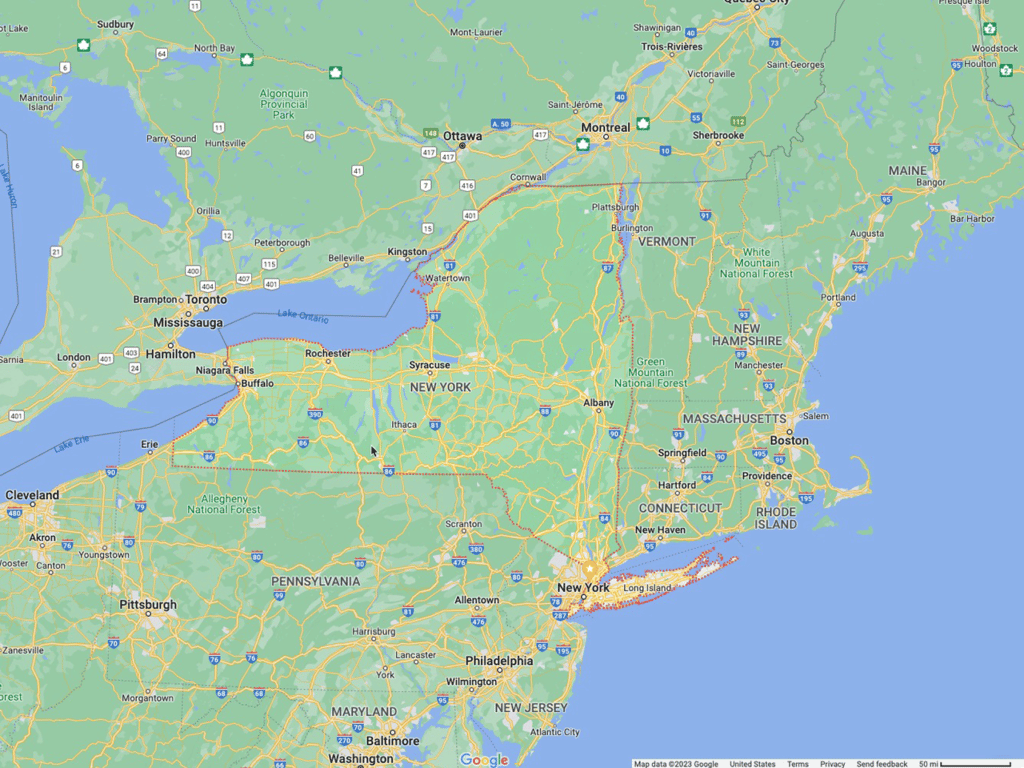
At its core, New York City is located in the northeastern United States, specifically within the state of New York. Its geographic coordinates are approximately 40.7128° N latitude and 74.0060° W longitude. This precise location places it on the Atlantic coast, at the mouth of the Hudson River.
When considering a direct, “as the crow flies” distance, the figures become more concrete. For instance, New York City is approximately 200 miles (320 kilometers) from Boston, 225 miles (360 kilometers) from Philadelphia, and about 950 miles (1530 kilometers) from Chicago. These are the shortest possible distances, not accounting for actual travel routes.
Travel Time by Mode of Transportation
The true “distance” to New York City for most travelers is defined by the time it takes to get there. This is heavily influenced by the chosen mode of transportation.
Air Travel
For those coming from afar, air travel is the most common and efficient method. New York City is served by three major international airports:
- John F. Kennedy International Airport (JFK): Located in Queens, it’s a primary gateway for international and domestic flights.
- LaGuardia Airport (LGA): Also in Queens, it primarily handles domestic flights and is closer to Manhattan.
- Newark Liberty International Airport (EWR): Situated in New Jersey, it serves as a major hub for domestic and international carriers and is easily accessible to Manhattan.
Flight times can vary significantly:
- West Coast USA (e.g., Los Angeles): Approximately 5-6 hours.
- Europe (e.g., London): Approximately 7-8 hours.
- Asia (e.g., Tokyo): Approximately 13-14 hours.
- South America (e.g., São Paulo): Approximately 9-10 hours.
- Australia (e.g., Sydney): Over 20 hours with layovers, making it a multi-day journey.
It’s crucial to factor in airport travel time, security, and potential delays, which can add several hours to the overall journey.
Road Travel
Driving to New York City is a popular option for those within a day’s or two days’ drive. The extensive network of highways, including the Interstate Highway System, makes it accessible from many parts of the United States and Canada.
- Boston to NYC: Approximately 4-5 hours, depending on traffic.
- Philadelphia to NYC: Approximately 2-3 hours.
- Washington D.C. to NYC: Approximately 4-5 hours.
- Chicago to NYC: Approximately 12-14 hours, often requiring an overnight stop.
Drivers must also consider toll costs and the challenges of navigating and parking within New York City, which can add to the perceived distance and complexity of the journey.
Rail Travel
Train travel offers a scenic and often more relaxing alternative, particularly for shorter to medium distances. Amtrak is the primary operator for long-distance passenger rail in the United States.
- Boston to NYC (Acela Express): Approximately 3.5-4 hours.
- Philadelphia to NYC (Acela Express): Approximately 1.5 hours.
- Washington D.C. to NYC (Acela Express): Approximately 3 hours.
- Chicago to NYC (Lake Shore Limited): An overnight journey, typically around 17-19 hours.
The convenience of arriving directly in Manhattan at stations like Penn Station or Moynihan Train Hall is a significant advantage for many travelers.
Maritime Travel
While less common for reaching New York City as a primary destination from distant locales, ferries and cruises do connect the city to various points. Staten Island Ferry, for example, offers free passage and iconic views. Cruises from the Caribbean or even short hops from other East Coast ports are also possibilities, though these represent a significant time investment.
Factors Influencing Perceived Distance
Beyond the literal measurement of miles and hours, several factors shape how “far away” New York City feels.
Budget and Accessibility
For a traveler with a significant budget, even a distant destination can feel “close” through the ease of booking premium flights and accommodations. Conversely, for someone on a tight budget, a destination that is geographically closer might feel more distant if the cost of transport, lodging, and activities is prohibitive. The affordability of travel options, deals on flights, or budget-friendly accommodation choices in New York City can make it more accessible.
Travel Experience and Purpose
The purpose of travel significantly impacts the perception of distance.
- Leisure Travel: For a vacation, the anticipation and enjoyment of the journey can make even long travel times feel less daunting. A flight to New York City can be an opportunity to relax, read, or enjoy entertainment.
- Business Travel: When traveling for business, efficiency and punctuality are paramount. A long flight or traffic delays can make the destination feel much farther and more stressful. The proximity of New York City to major business centers in the Northeast makes it a frequently visited destination for corporate travelers.
- Cultural Pilgrimage: For those drawn to specific cultural experiences, such as seeing a Broadway show, visiting the Metropolitan Museum of Art, or exploring Central Park, the destination’s appeal can overcome the perceived distance. The allure of New York City’s vibrant arts scene and iconic landmarks draws visitors from around the globe.
Time of Year and Events
The season and any major events happening in New York City can also influence travel decisions and the perceived accessibility. During peak seasons, like the Christmas holidays when the city is adorned with festive decorations, or during major events like the New York City Marathon, flights and accommodations can be more expensive and booked far in advance, making the destination feel more sought-after and potentially “farther” in terms of immediate accessibility. Conversely, during the shoulder seasons or off-peak times, travel might be easier and more affordable.
Planning Your Journey to New York City
Understanding the various distances involved in reaching New York City is the first step in effective travel planning.
Choosing the Right Mode of Transport
The optimal mode of transport depends on your starting point, budget, and desired travel experience.
- For short distances (e.g., within 300 miles): Driving or taking a train is often convenient and cost-effective.
- For medium distances (e.g., 300-800 miles): A combination of driving and flying, or direct flights, becomes more viable.
- For long distances (e.g., over 800 miles): Flying is almost always the most practical option.
Booking and Logistics
Once you’ve decided on your travel method, careful planning is essential.
- Flights: Book in advance, especially for peak travel times. Compare prices across different airlines and consider budget carriers.
- Trains: Book early for better fares, particularly for longer routes.
- Driving: Plan your route, account for tolls, and research parking options in New York City to avoid unexpected costs and stress.
- Accommodation: Research hotels, apartments, or hostels in advance based on your budget and desired neighborhood. Popular areas include Times Square, Midtown, the Upper West Side, and Brooklyn.
Navigating Within the City
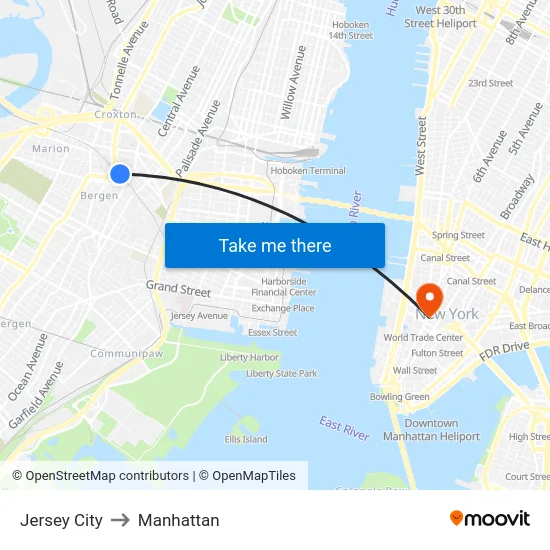
Once you arrive, New York City boasts an excellent public transportation system.
- Subway: The MTA subway system is extensive and operates 24/7, providing access to most parts of the city.
- Buses: A complementary service to the subway, buses cover areas not directly served by rail.
- Taxis and Ride-Sharing: Available throughout the city, though can be expensive during peak hours.
- Walking: Many of New York City’s attractions are within walking distance of each other, especially in areas like Midtown and Downtown.
In conclusion, the question of “how far away” New York City is depends entirely on your starting point and how you choose to travel. Whether it’s a short hop from a neighboring state or a long-haul flight from across the globe, the journey to this vibrant metropolis is a rewarding experience, and with proper planning, the distance can be conquered efficiently and enjoyably.
LifeOutOfTheBox is a participant in the Amazon Services LLC Associates Program, an affiliate advertising program designed to provide a means for sites to earn advertising fees by advertising and linking to Amazon.com. Amazon, the Amazon logo, AmazonSupply, and the AmazonSupply logo are trademarks of Amazon.com, Inc. or its affiliates. As an Amazon Associate we earn affiliate commissions from qualifying purchases.