
The vastness of the United States is a recurring theme for many travelers, and when the allure of Texas beckons, the question of distance inevitably arises. From bustling metropolises to sprawling ranches, the Lone Star State offers a diverse tapestry of experiences. Understanding its geographical positioning relative to your own starting point is the first step in planning an unforgettable journey. This exploration delves into the various ways to approach the “how far” question, considering different modes of travel and the unique charms of Texas that make the journey worthwhile.
Navigating the Distance: Travel Options to Texas
The answer to “How far away is Texas from me?” is as varied as the state itself. Distance is not merely a matter of miles but also of time, cost, and personal preference. Whether you’re embarking on a cross-country road trip or seeking a quick flight, the options are plentiful.
By Air: The Fastest Route
For those coming from distant locales, air travel remains the most efficient method to reach Texas. The state boasts several major international airports that serve as gateways to its diverse regions.
- Dallas/Fort Worth International Airport (DFW): As one of the busiest airports in the world, DFW offers extensive domestic and international connections, making it a prime entry point for visitors heading to North Texas.
- George Bush Intercontinental Airport in Houston (IAH): Serving the sprawling Houston metropolitan area, IAH is another major hub with a wide array of flight options, ideal for exploring the Gulf Coast and Southeast Texas.
- Austin-Bergstrom International Airport (AUS): The vibrant capital city of Austin has a rapidly growing airport, attracting travelers keen on its music scene, outdoor activities, and burgeoning tech industry.
- San Antonio International Airport (SAT): This airport provides convenient access to the historic heart of Texas, including the iconic Alamo and the charming River Walk.
- El Paso International Airport (ELP): For those venturing to the western reaches of the state, ELP offers a gateway to the unique desert landscapes and border culture of West Texas.
The flight time will vary significantly based on your departure city. For example, a flight from New York City to Dallas might take around three to four hours, while a flight from Los Angeles to Houston could be approximately three hours. From international destinations, flight times can range from seven hours from Mexico City to over 15 hours from Europe.
By Car: The All-American Road Trip
For many, the allure of Texas lies in the journey itself, making a road trip a compelling choice. Driving offers unparalleled flexibility and the opportunity to discover hidden gems along the way. The distance by car is, of course, highly dependent on your starting point within the United States.
- From the East Coast: Travelers from cities like Atlanta might face a drive of approximately 12-15 hours to reach the eastern edge of Texas, near cities like Shreveport (though Shreveport is in Louisiana, it serves as a useful benchmark for eastward proximity). Reaching Houston or Dallas would add several more hours.
- From the Midwest: Driving from Chicago, for instance, would likely involve a journey of 15-18 hours to reach North Texas, potentially with an overnight stop.
- From the West Coast: A road trip from San Francisco to El Paso would be a significant undertaking, spanning roughly 20-24 hours of pure driving time, typically requiring at least two to three days to complete comfortably.
- From the South: If you are starting from closer southern states like New Mexico or Oklahoma, the drive can be much shorter, ranging from 4-8 hours to reach the border regions or major cities like San Antonio.
When planning a road trip, consider factors such as fuel costs, potential for overnight stays in charming roadside towns, and the flexibility to explore attractions en route. Mapping tools provide estimated driving times, but it’s always wise to add buffer time for traffic, breaks, and unexpected detours.
By Train: A Leisurely Approach
While not as prevalent for long-distance travel within the US as flying or driving, train travel via Amtrak offers a unique perspective. The primary long-distance route that traverses Texas is the Sunset Limited, connecting New Orleans to Los Angeles, with stops in major cities like Houston, San Antonio, and El Paso.
The duration of train travel is considerably longer than flying. For instance, the journey from New Orleans to San Antonio can take over 10 hours. This option is best suited for travelers who embrace a slower pace and enjoy the scenery unfolding outside their window. It also provides an opportunity to avoid the hassles of airport security and long waits.
Understanding Texas Geography: Key Cities and Regions
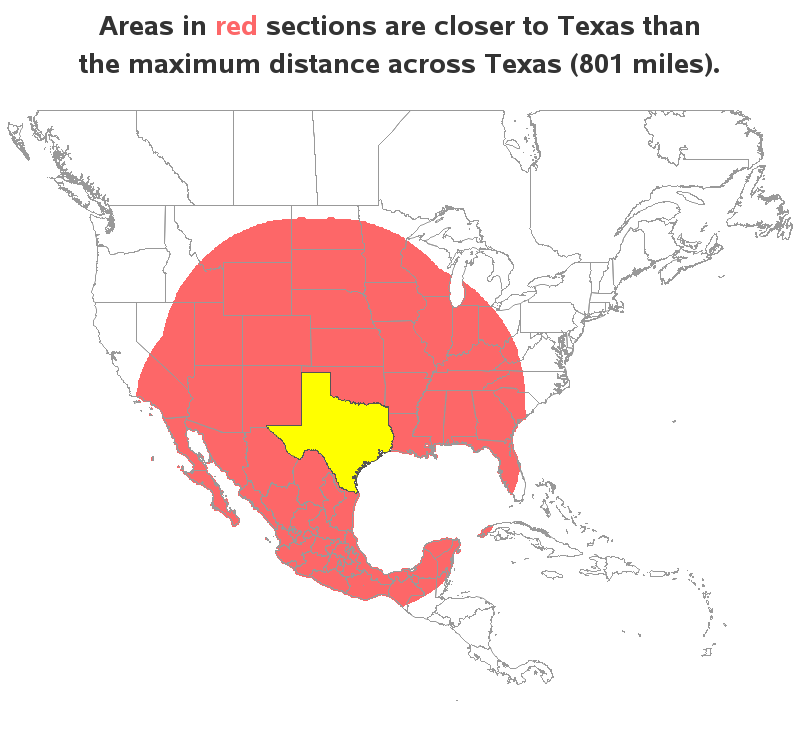
To better gauge the distance, it’s essential to understand the sheer scale and regional diversity of Texas. It is the second-largest state in the United States by both area and population.

The Major Metropolitan Hubs
- North Texas: Dominated by the expansive metroplex of Dallas and Fort Worth, this region is a hub for business, culture, and entertainment.
- Southeast Texas: Home to Houston, the most populous city in Texas, this area offers a rich mix of culinary delights, a world-renowned medical center, and proximity to the Gulf Coast.
- Central Texas: Characterized by the vibrant capital city of Austin, known for its live music, outdoor recreation, and eclectic atmosphere, as well as the historic charm of San Antonio with its Spanish colonial heritage.
- West Texas: Vast and dramatic, this region includes cities like El Paso on the border with Mexico, and the rugged beauty of the Big Bend National Park.
- The Panhandle: The northernmost part of the state, known for its flat plains and agricultural significance, with Amarillo as a key city.
Bridging the Distance Within Texas
Once you arrive in Texas, remember that the distances between its major cities can be substantial.
- Dallas to Houston: Approximately 230 miles (370 km), a drive of about 3.5 to 4 hours.
- Austin to San Antonio: A mere 80 miles (130 km), usually a 1.5-hour drive.
- San Antonio to El Paso: A significant journey of over 550 miles (885 km), typically a 8-9 hour drive, often necessitating an overnight stop.
- Dallas to Amarillo: Around 370 miles (595 km), a drive of about 5.5 to 6 hours.
These internal distances highlight the importance of planning your itinerary carefully, especially if you intend to visit multiple regions within Texas. Renting a car is almost essential for exploring the state’s diverse landscapes and attractions at your own pace.
Factors Influencing Your Travel Time
Beyond the raw mileage, several other factors contribute to the perceived or actual distance and the time it takes to reach Texas.
Time Zones
Texas observes Central Standard Time (CST) and Mountain Standard Time (MST) in its westernmost counties. This is crucial for travelers coming from regions with different time zones. For instance, someone traveling from California, which is on Pacific Time, will experience a two-hour time difference, making their arrival feel earlier in the day than the actual elapsed time might suggest. Conversely, those coming from the Eastern Time Zone will find a one-hour difference.
Border Crossings and Customs
For international travelers, particularly from Mexico, the presence of border crossings adds another layer to the journey. While many crossings are efficient, potential delays due to traffic or customs procedures should always be factored into travel plans.
Local Transportation
Upon arrival in Texas, your distance from your final destination within the state will depend on your chosen mode of local transportation. Major cities have public transit options, but to truly experience the state’s vastness and reach attractions like ranches or national parks, a personal vehicle or a rental car is often indispensable. The time taken to travel from the airport to your accommodation, or from your hotel to a specific attraction, is another component of your overall travel time.
Planning Your Texas Adventure
The question of “How far away is Texas from me?” is the prelude to an adventure. Whether you’re drawn to the sophisticated urban landscapes of Dallas, the live music scene of Austin, the historic missions of San Antonio, the vastness of the Big Bend, or the coastal allure of Galveston, the journey is an integral part of the experience.
By understanding the various travel options, the geography of the state, and the factors that influence travel time, you can accurately assess the distance and plan a trip that aligns with your expectations and desires. Texas awaits, and with careful planning, the journey to the Lone Star State will be as rewarding as the destination itself.
LifeOutOfTheBox is a participant in the Amazon Services LLC Associates Program, an affiliate advertising program designed to provide a means for sites to earn advertising fees by advertising and linking to Amazon.com. Amazon, the Amazon logo, AmazonSupply, and the AmazonSupply logo are trademarks of Amazon.com, Inc. or its affiliates. As an Amazon Associate we earn affiliate commissions from qualifying purchases.