
Planning a trip to the American Southwest often involves balancing the neon-lit excitement of Las Vegas with the profound, ancient silence of the Grand Canyon. For many travelers, the proximity of these two iconic destinations makes for an ideal dual-destination vacation. However, the term “Grand Canyon” can be geographically misleading. Depending on which rim you intend to visit, your travel time can vary significantly, ranging from a short helicopter hop to a multi-hour scenic drive. Understanding the geography of Arizona is essential to planning a successful excursion from Nevada.
Understanding the Geography: West Rim vs. South Rim
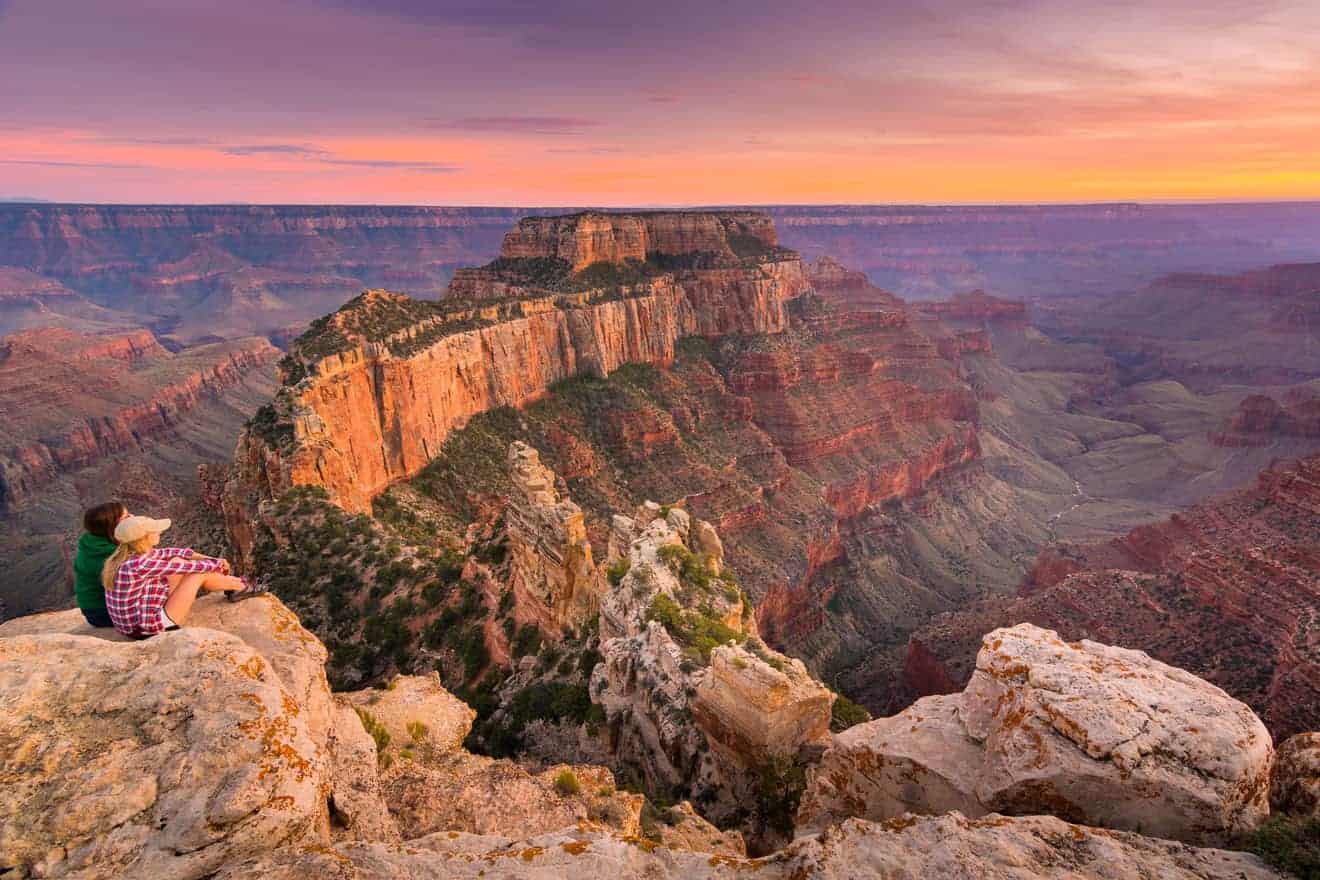
The most critical factor in determining your travel time is deciding which part of the canyon you want to explore. The Grand Canyon National Park is massive, and the entry points are located far apart.
The Grand Canyon West
When people ask how far the canyon is from the city, they are often thinking of Grand Canyon West. This area is not part of the national park itself; it is owned and operated by the Hualapai Tribe. Because of its proximity to the city, it is the most popular choice for day-trippers. Located approximately 120 to 130 miles from the heart of the Las Vegas Strip, the drive typically takes about two to two-and-a-half hours. This is the home of the famous Grand Canyon Skywalk, a glass-bottomed bridge that extends over the rim, offering dizzying views of the Colorado River floor below.
The South Rim
If your goal is to visit the “true” National Park experience, you are likely looking for the South Rim. This is the postcard version of the canyon, featuring the classic overlooks found in movies and photography books. The drive to the South Rim is considerably longer, covering roughly 280 miles. Depending on traffic and your departure point, you should plan for a drive time of four-and-a-half to five hours each way. While the drive is long, it takes you through beautiful landscapes, including stretches of the historic Route 66 in the town of Seligman.
Transportation Options: Driving, Tours, and Aerial Adventures
Once you have identified your destination, the next step is choosing how to get there. The logistics of your travel will dictate the pace and comfort of your trip.
Rental Cars and Road Trips
Renting a car is the most flexible way to navigate the region. Driving allows you to set your own schedule, stopping at landmarks like the Hoover Dam or grabbing a bite in Kingman. If you choose to head to the South Rim, consider making it a two-day excursion. Staying overnight in the nearby gateway town of Tusayan or inside the park at the historic El Tovar Hotel allows you to catch the sunrise over the cliffs, which is an experience far superior to a rushed day trip.
Guided Motorcoach Tours
For those who prefer not to navigate desert highways, guided bus tours are an excellent alternative. These tours depart early in the morning from major hotels in Clark County. While these trips are long—often spanning 12 to 14 hours total—they offer the benefit of professional commentary, door-to-door transportation, and included meals. You can sit back, watch the Mojave Desert scenery change, and avoid the fatigue of long-distance driving.

Helicopter and Airplane Tours
If time is a luxury you cannot spare, the most spectacular way to see the canyon is by air. Numerous tour operators based at Boulder City Municipal Airport and Henderson Executive Airport offer flight packages. A helicopter tour can get you to the West Rim in less than 45 minutes of flight time. Some tours even include a landing on the canyon floor, providing a perspective that few ground-based visitors ever see. While significantly more expensive than a rental car, the aerial view of the Lake Mead shoreline and the rugged topography of the Black Mountains is unforgettable.
Seasonal Considerations for Your Journey
The desert climate is a major factor in the enjoyment of your trip. The temperature difference between a high-altitude rim and the desert floor can be extreme, and road conditions change with the seasons.
The Summer Heat
In the peak of summer, temperatures in the desert regions surrounding Nevada and Arizona can soar well above 100°F (38°C). If you are driving, ensure your vehicle is well-maintained and that you carry plenty of water. The South Rim, situated at an elevation of 7,000 feet, is significantly cooler than the city, but the sun remains intense. Always apply sunscreen and wear a hat, as the high-altitude UV rays can cause sunburn quickly.
Winter and Spring Travel
Winter visits offer a different kind of beauty. The South Rim can receive significant snowfall, creating a stunning contrast between the white snow and the deep, burnt-orange hues of the rock layers. However, this also means that road closures can occur during severe storms. Always check the official National Park Service website for weather updates and road conditions before embarking on your trip. Spring and autumn are widely considered the “Goldilocks” seasons, offering pleasant temperatures for hiking and sightseeing without the extreme heat of summer or the biting cold of mid-winter.
Making the Most of Your Time
To maximize your experience, categorize your priorities based on your physical ability and time constraints.
For the Casual Sightseer
If you are visiting for the first time and want to see the famous viewpoints without excessive hiking, focus on the South Rim’s Mather Point. It is easily accessible from the primary visitor center and provides the most iconic panoramic views of the inner canyon. You can walk along the paved Rim Trail, which offers flat, accessible paths perfect for photography.
For the Adventurer
Those seeking a more immersive experience should look into the hiking trails that descend into the canyon, such as the Bright Angel Trail. However, a word of caution: the National Park Service strongly advises against attempting to hike to the river and back in a single day, especially during the summer. Even a short excursion halfway down the trail provides a sense of the canyon’s massive scale and reveals the intricate geology of the Kaibab Limestone formations.
Combining Destinations
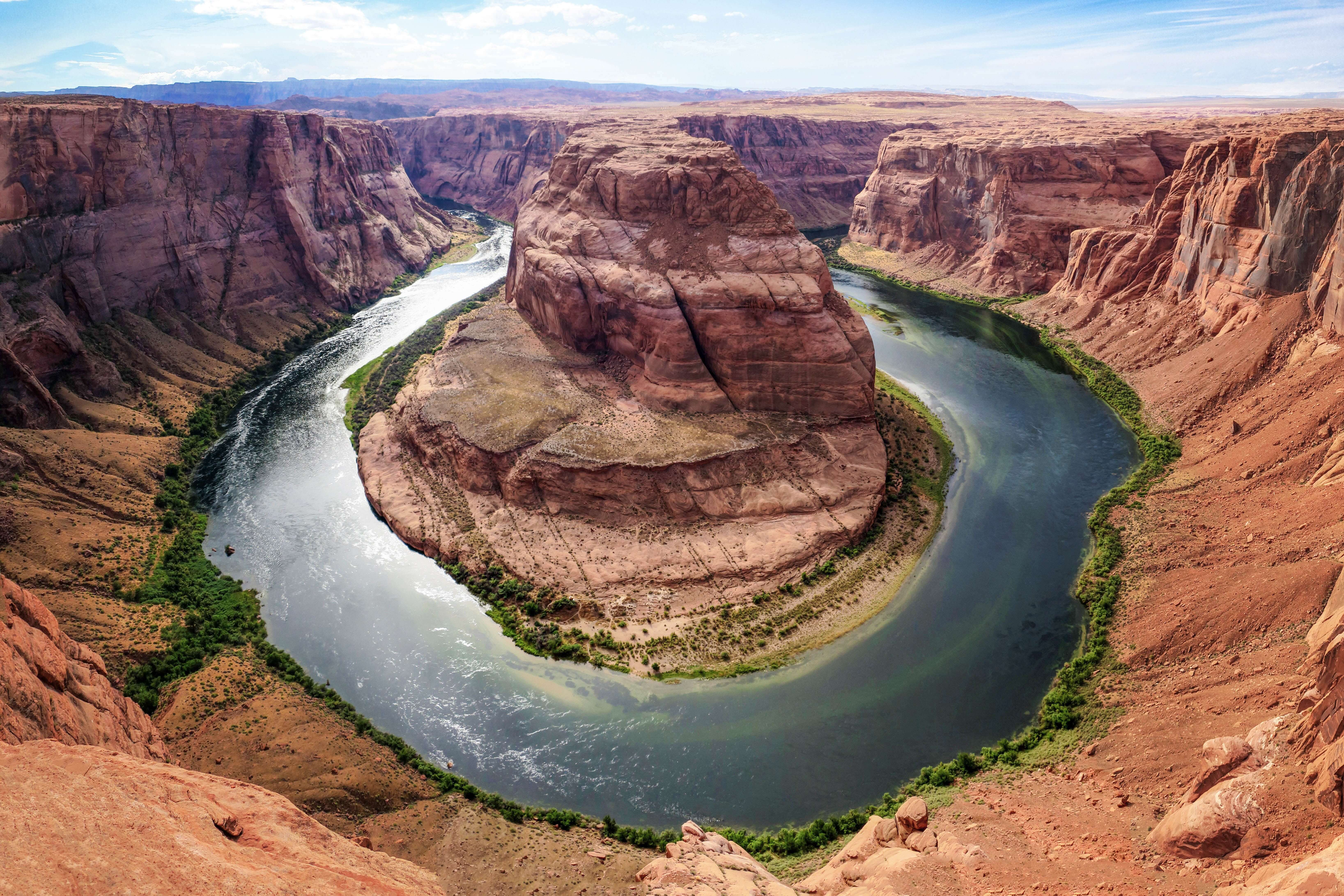
Ultimately, the distance between these two legendary locations is a testament to the diversity of the American West. You can spend your morning in the high-energy environment of a Las Vegas Resort and your afternoon standing on the precipice of a geological wonder that has been carved over millions of years. Whether you take a quick helicopter flight to the West Rim or embark on a multi-day road trip to the South Rim, the journey is just as vital as the destination. By planning your route and managing your expectations regarding travel time, you can seamlessly transition from the entertainment capital of the world to the stillness of one of the world’s greatest natural landmarks.
LifeOutOfTheBox is a participant in the Amazon Services LLC Associates Program, an affiliate advertising program designed to provide a means for sites to earn advertising fees by advertising and linking to Amazon.com. Amazon, the Amazon logo, AmazonSupply, and the AmazonSupply logo are trademarks of Amazon.com, Inc. or its affiliates. As an Amazon Associate we earn affiliate commissions from qualifying purchases.