
The question “How far Cambridge from Boston?” is a common one for first-time visitors and those planning to explore the vibrant heart of Massachusetts. While geographically distinct, these two iconic cities are, in essence, neighbors, separated only by the graceful meander of the Charles River. Their proximity is not just a matter of miles but a defining characteristic that shapes their shared identity, culture, and accessibility, making them an ideal duo for any traveler eager to experience a blend of historic charm, academic excellence, and modern innovation.
The actual distance between the city centers of Cambridge and Boston is remarkably short, often falling within a range of 2 to 5 miles (3 to 8 kilometers), depending on the specific starting and ending points. This close relationship means that moving between the two is incredibly easy, opening up a world of possibilities for sightseeing, dining, and cultural immersion without the hassle of long commutes. Whether you’re drawn to Boston’s colonial past and bustling downtown or Cambridge’s intellectual gravitas and bohemian squares, their seamless connection allows for a rich, multifaceted travel experience.
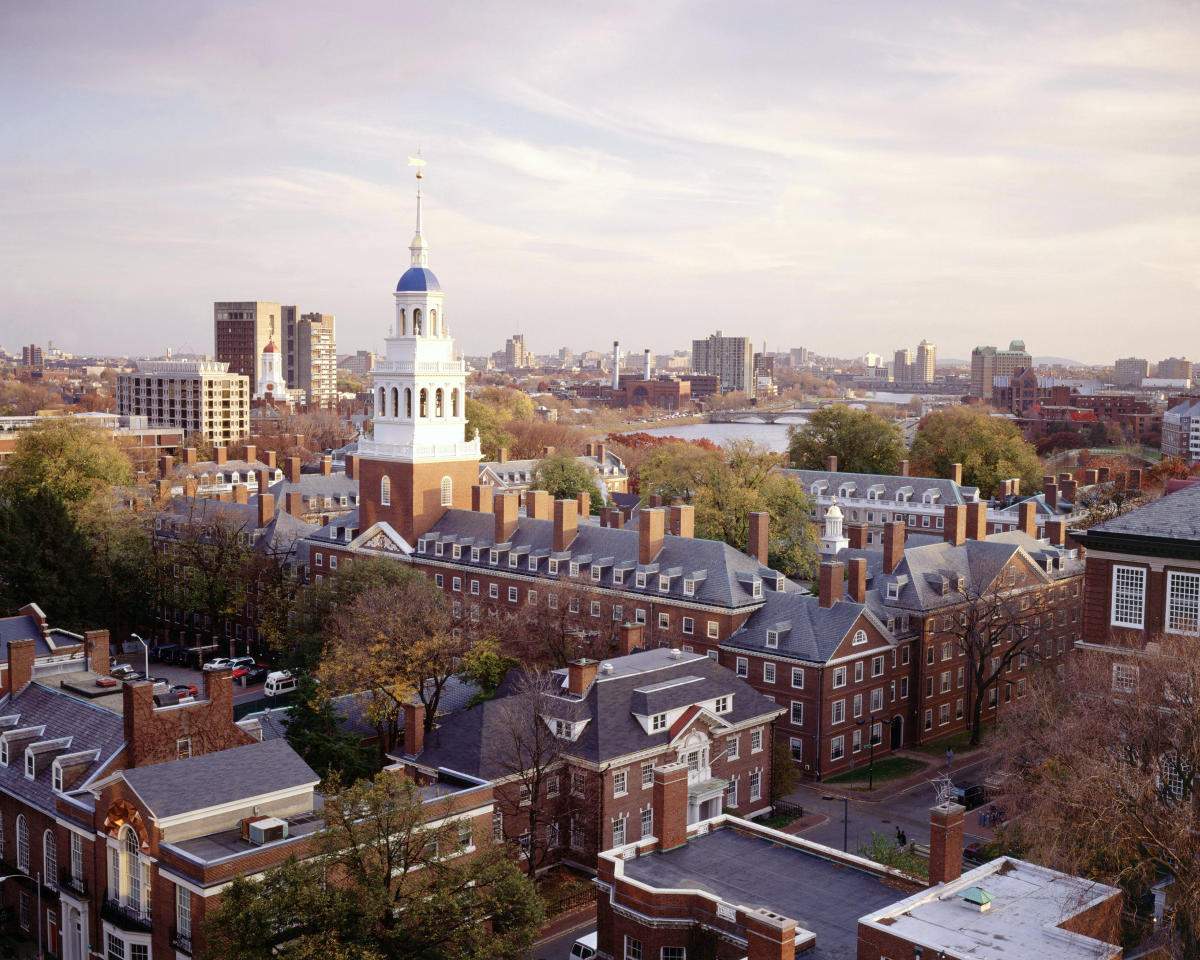
The Proximity and Its Perks: A Seamless Urban Tapestry
The close-knit relationship between Cambridge and Boston is more than just geographical; it’s a symbiotic connection that enhances both cities. They share public transportation systems, cultural institutions, and a dynamic economic landscape, creating a cohesive metropolitan area despite their individual identities. This proximity is perhaps their greatest asset, offering visitors the unique opportunity to experience two distinct yet complementary urban environments within minutes of each other.
Defining the Distance: A Closer Look
The most direct routes across the Charles River typically place the core of Cambridge (like Harvard Square) approximately 3-4 miles from downtown Boston (around Boston Common). By car, this might translate to a 10-20 minute drive without heavy traffic, but public transport often proves faster and more efficient. The key takeaway is that the “far” in the original question is very relative; in urban terms, Cambridge and Boston are practically adjacent, making day trips or even quick transitions between the two incredibly feasible. This small distance bridges significant historical and cultural divides, creating an urban tapestry that is rich and varied.
Why Travel Between Cambridge and Boston?
Travelers are constantly moving between these two cities for a myriad of reasons. From attending world-class academic lectures at Harvard University or MIT to catching a Boston Red Sox game at Fenway Park, the interconnectedness is undeniable. Many business travelers stay in one city and commute to the other, while tourists often combine the historical allure of Boston with the academic vibrancy of Cambridge into a single, comprehensive itinerary. This seamless flow of people and ideas is a testament to their mutual importance and shared appeal, making them an unparalleled destination for any type of visitor.
Navigating the Charles River: Your Transportation Options
Given the short distance, visitors have a wealth of transportation options to choose from, each offering its own blend of convenience, cost, and scenic appeal. Understanding these choices is key to optimizing your time and experience when traveling between Cambridge and Boston.
Public Transportation: The T System
The most popular and arguably most efficient way to travel between Cambridge and Boston is via the Massachusetts Bay Transportation Authority (MBTA), affectionately known as “The T”. The subway system’s Red Line is the primary artery connecting the two cities, running directly from Harvard Square in Cambridge through Central Square and Kendall Square before diving under the Charles River and emerging in downtown Boston with stops at popular destinations like Park Street and South Station. The journey from Harvard Square to Park Street typically takes about 15-20 minutes, offering a quick and affordable commute. Purchasing a CharlieCard or CharlieTicket simplifies fares and transfers across bus and subway lines.
Driving and Parking Considerations
While driving offers flexibility, it comes with its challenges. Traffic, particularly during peak hours, can significantly extend travel times, turning a short drive into a lengthy ordeal. Parking in both Boston and Cambridge can be expensive and difficult to find, especially in popular areas. If driving is essential, consider parking at a suburban “The T” station and taking the subway into the city centers. This hybrid approach can save time, money, and stress. For those arriving from Logan International Airport, a taxi or ride-share to either city is straightforward, or you can use “The T”‘s Silver Line bus to connect to the Red Line.
Biking and Walking: Scenic Routes
For those who enjoy active travel, biking and walking offer unparalleled views and a unique perspective of the metropolitan area. The Charles River Esplanade features miles of scenic paths perfect for cycling or a leisurely stroll. Several bridges connect Cambridge and Boston, including the Longfellow Bridge and the Harvard Bridge (often called the MIT Bridge), providing picturesque routes. Walking across one of these bridges takes approximately 15-25 minutes, offering stunning vistas of the Boston skyline and the river itself. Bike-sharing programs are readily available in both cities, making it easy to rent a bicycle for a few hours or a full day.
Ride-Sharing and Taxis
Ride-sharing services like Uber and Lyft, along with traditional taxis, are readily available throughout Cambridge and Boston. They offer door-to-door convenience, which can be particularly useful for travelers with luggage or those preferring not to navigate public transport. Fares vary based on demand and traffic conditions but generally offer a comfortable and direct way to travel between the two cities. This option is often preferred for late-night travel or when time is of the essence, despite potentially higher costs compared to “The T”.
Exploring Boston: A Historic Metropolis
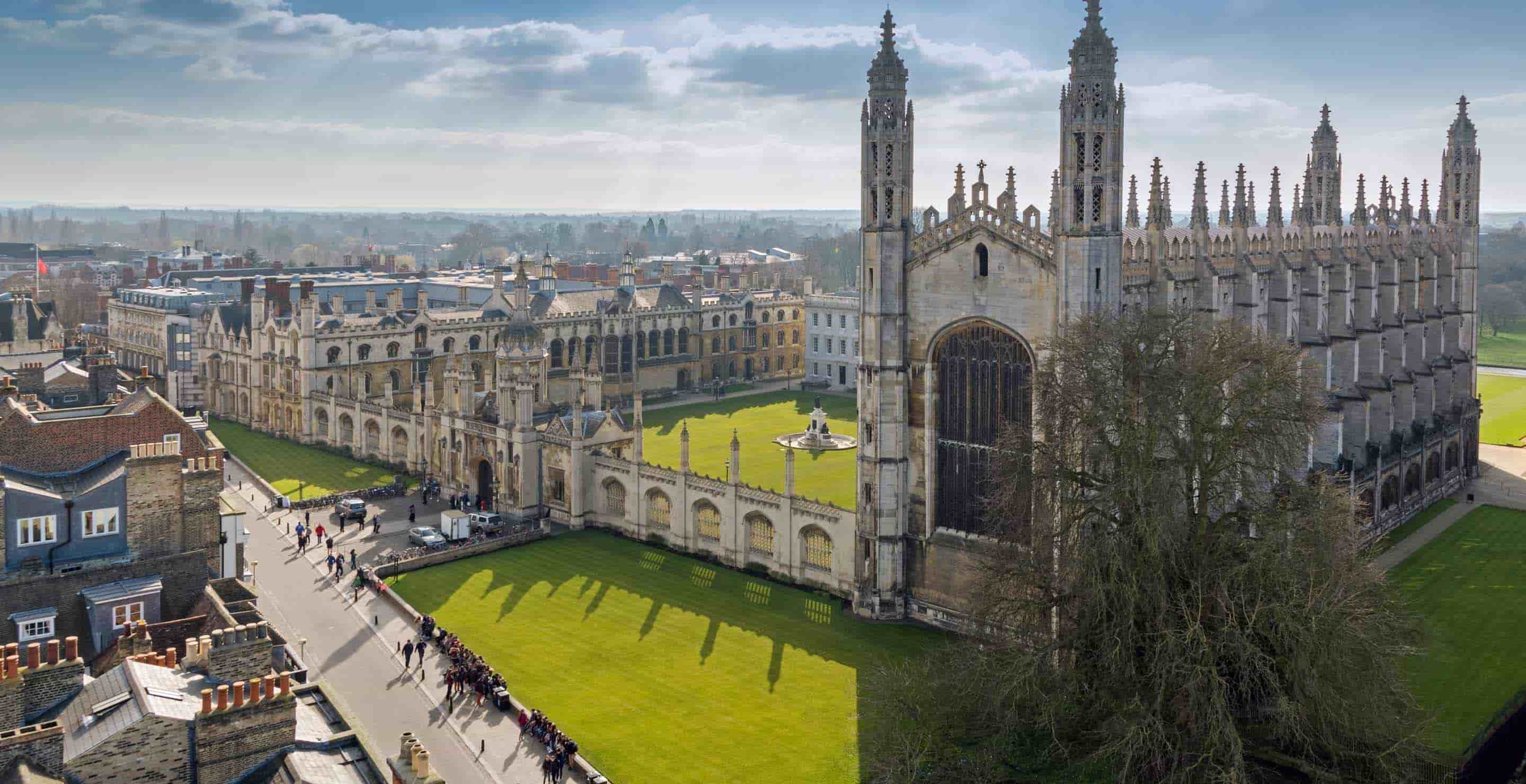
Boston, one of America’s oldest cities, is a treasure trove of history, culture, and vibrant urban life. Its compact size makes it incredibly walkable, allowing visitors to easily traverse centuries of history within a single day.
Iconic Landmarks and Cultural Gems
No visit to Boston is complete without walking the Freedom Trail, a 2.5-mile red-lined path that guides you to 16 historically significant sites, including the Massachusetts State House, Paul Revere’s House, and the site of the Boston Massacre. Explore the sprawling greenery of Boston Common and the adjacent Public Garden with its famous swan boats. Architectural enthusiasts will marvel at the cobblestone streets and elegant brownstones of Beacon Hill, while foodies will revel in the Italian delights of the North End.
For art lovers, the Museum of Fine Arts and the exquisite Isabella Stewart Gardner Museum offer world-class collections. Families will enjoy the interactive exhibits at the New England Aquarium or a baseball game at the legendary Fenway Park. The bustling Faneuil Hall Marketplace and Quincy Market provide a lively atmosphere for shopping, dining, and people-watching.
Culinary Delights and Neighborhood Vibrancy
Boston’s culinary scene is as diverse as its history, ranging from classic New England seafood shacks serving clam chowder and lobster rolls to upscale dining experiences. Each neighborhood has its own distinct flavor. The Seaport District boasts modern restaurants and innovative cuisine, while the North End is synonymous with authentic Italian fare. Beyond the well-trodden paths, neighborhoods like South End offer a vibrant mix of boutiques, art galleries, and acclaimed restaurants, making Boston a city that constantly invites exploration and discovery for every palate.
Discovering Cambridge: Innovation and Academia
Just across the Charles River, Cambridge presents a contrasting yet equally compelling character. Renowned as a global hub of innovation, academia, and progressive thought, it offers a distinct atmosphere centered around its world-famous universities.
World-Renowned Institutions and Intellectual Hubs
Cambridge is synonymous with intellectual prowess, primarily due to the presence of Harvard University and the Massachusetts Institute of Technology (MIT). Visitors can stroll through the historic grounds of Harvard Yard, visit the Harvard Museum of Natural History, or explore the architectural marvels of the MIT campus, which reflect its pioneering spirit in science and technology. These institutions aren’t just for students; they offer public lectures, art exhibitions, and museums that enrich the city’s cultural landscape.
Arts, Culture, and Unique Districts
Beyond its academic giants, Cambridge thrives with a rich arts and culture scene. Harvard Square is the beating heart of the city, a bustling crossroads of bookstores, cafes, boutiques, and street performers. It’s a fantastic spot for people-watching and soaking in the bohemian atmosphere. Central Square offers a grittier, more eclectic vibe with live music venues, diverse restaurants, and vibrant murals. Meanwhile, Kendall Square, often dubbed “The Most Innovative Square Mile on Earth,” is a nexus of biotechnology and tech companies, featuring sleek modern architecture, dynamic public spaces, and an increasing array of dining options.
For family fun, the Museum of Science, located on the Charles River between the two cities, offers engaging exhibits for all ages. Shopping enthusiasts might explore CambridgeSide Galleria for mainstream retail therapy, while unique independent shops are scattered throughout the squares. The city’s commitment to public art and green spaces ensures there’s always something visually stimulating around the corner.
Planning Your Dual-City Itinerary
The close proximity of Cambridge and Boston makes planning a combined itinerary not just possible but highly recommended. Maximizing your visit means understanding how to best allocate your time between these two compelling destinations.
Day Trips and Weekend Getaways
For a focused trip, consider dedicating distinct parts of your day to each city. For example, a morning exploring Boston’s Freedom Trail could seamlessly transition into an afternoon wandering through Harvard Square in Cambridge, with dinner in either the North End or Central Square. For a weekend, you could dedicate one full day to Boston’s historical sites and museums and another to Cambridge’s academic charm and innovative spirit. Many visitors choose to base themselves in one city and easily commute to the other, enjoying the best of both worlds without needing to change accommodations.
Seasonal Considerations and Events
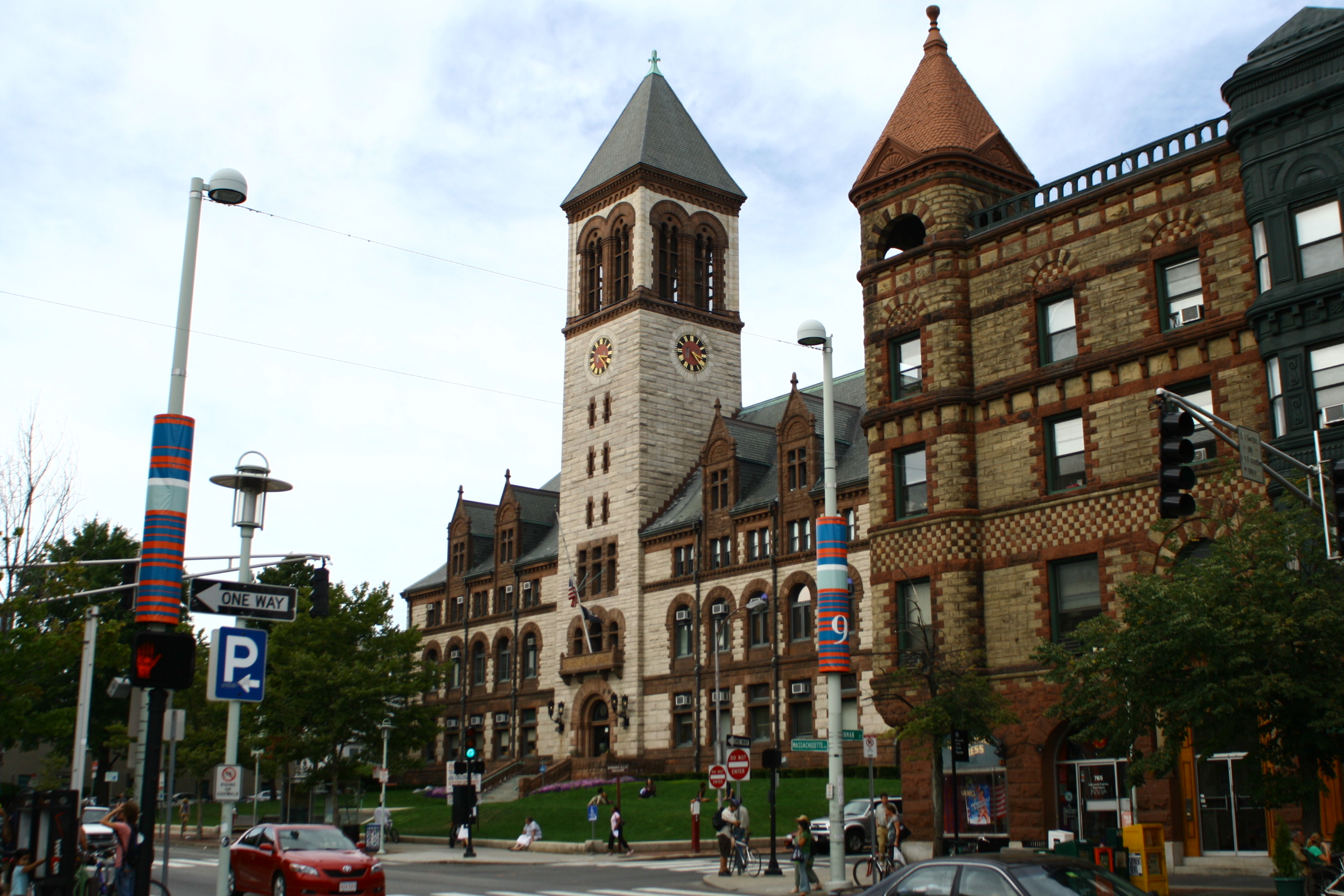
Both cities host a multitude of events throughout the year that might influence your travel plans. Spring brings the Boston Marathon and blooming public gardens. Summer offers outdoor concerts on the Charles River Esplanade and baseball season at Fenway Park. Autumn is renowned for its spectacular fall foliage and university homecoming events, while winter transforms the cities into festive wonderland with ice skating on the Boston Common and holiday markets. Checking local event calendars for both Boston and Cambridge before your visit can help you tailor your trip to coincide with festivals, sporting events, or cultural happenings that pique your interest. The ease of movement between the two means you never have to choose one over the other when it comes to experiencing seasonal festivities.
In conclusion, “How far Cambridge from Boston?” is a question easily answered: not far at all. This close proximity is a significant advantage for travelers, unlocking a region rich in history, innovation, and culture. With excellent transportation links, navigating between these two dynamic cities is a breeze, promising a memorable and diverse travel experience.
LifeOutOfTheBox is a participant in the Amazon Services LLC Associates Program, an affiliate advertising program designed to provide a means for sites to earn advertising fees by advertising and linking to Amazon.com. Amazon, the Amazon logo, AmazonSupply, and the AmazonSupply logo are trademarks of Amazon.com, Inc. or its affiliates. As an Amazon Associate we earn affiliate commissions from qualifying purchases.